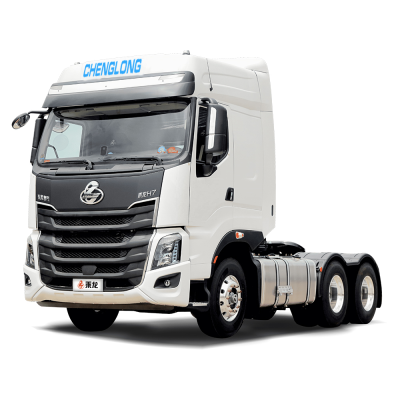
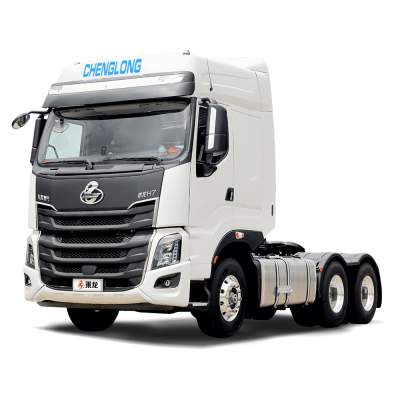
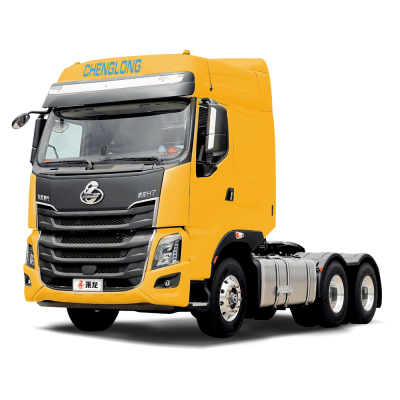
truck Sourcing Overview
-
Vehicle Type and Application Fit Overlooking the specific truck type can lead to operational inefficiencies; selecting between dump trucks, refrigerated trucks, or heavy-duty trucks must align precisely with your cargo and route requirements to avoid costly mismatches.
-
Load and Engine Capacity Specification Insist on matching the load capacity with engine size carefully—vehicles carrying 21-30 tons typically require engines in the 6-8 L range to maintain performance and fuel efficiency under heavy loads.
-
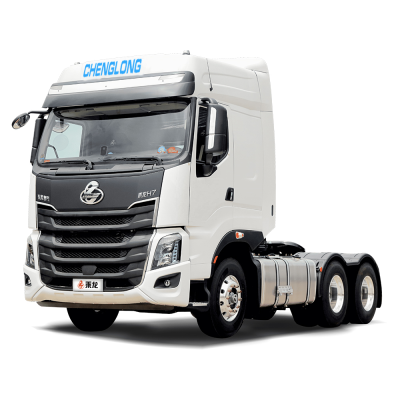
Drive Wheel Configuration Considerations In practice, suppliers often default to 4x2 or 6x4 drive wheels, but for rugged terrain or heavy hauling, opting for 6x6 or 8x4 configurations enhances traction and durability, crucial for long-term reliability.
-
Certification and Compliance Verification A critical question to pose your supplier is whether the truck meets relevant certifications like ISO 9001, EPA, or DOT, as these directly affect regulatory compliance and can impact import approvals and insurance costs.