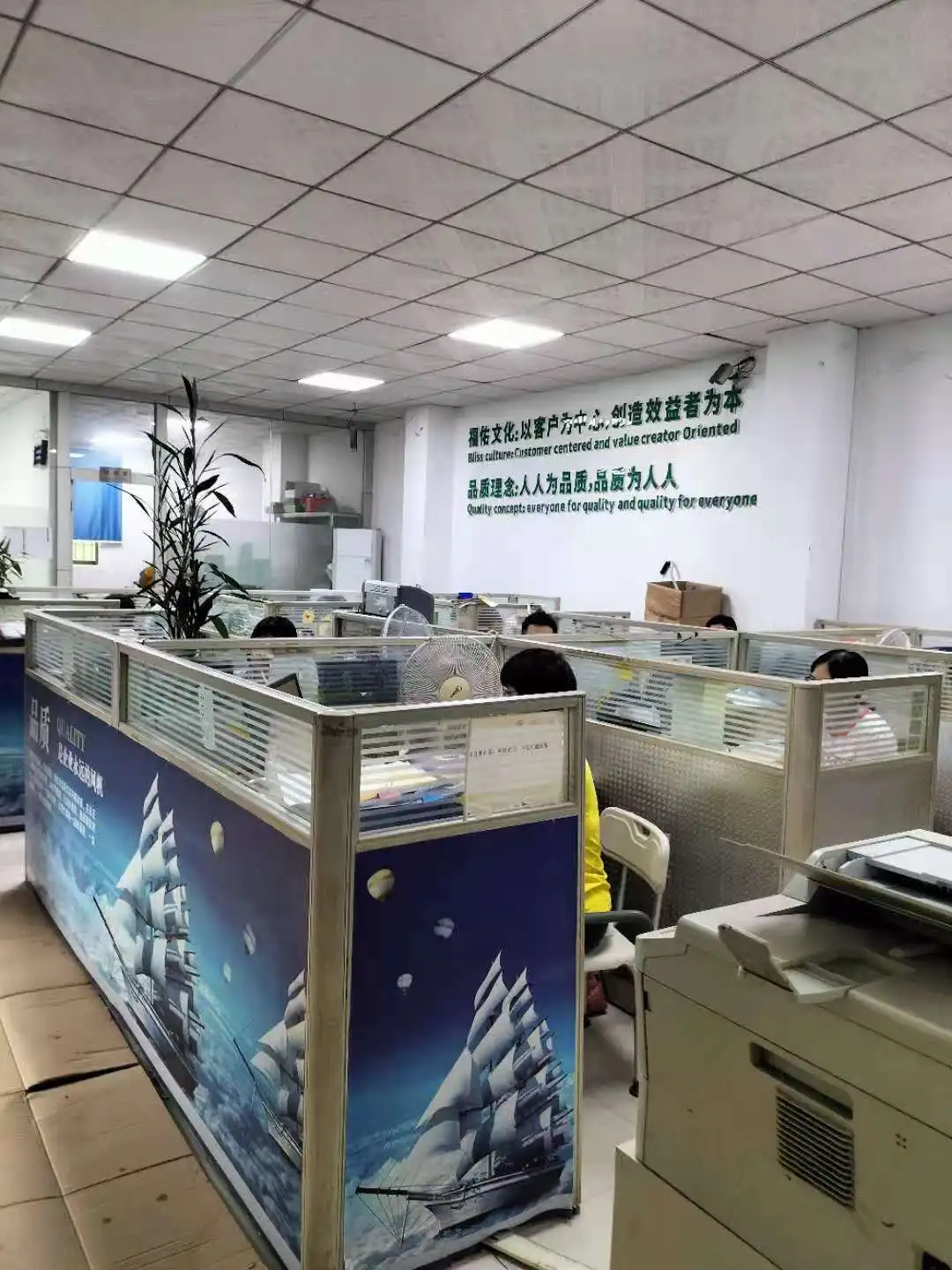
Hengshui Runde Medical Instruments Co., Ltd.
Lead Time 10 DaysAverage Response ≤ 6hEscrow Service14 ReviewsEstablished 10 Years+
Main Products:Back Brace,Tourniquet,Pregnancy Support Belt,Crutch,Splint
Export Year:2009-09-04
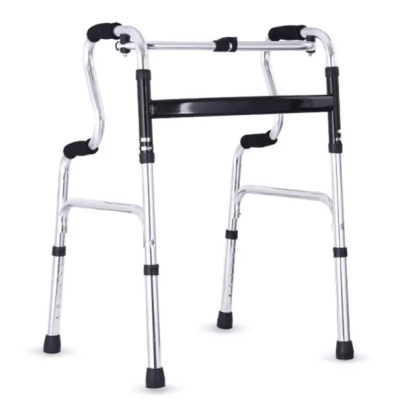
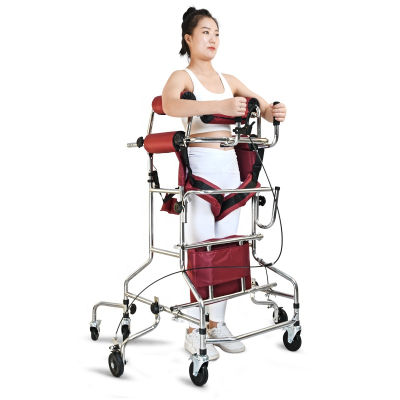
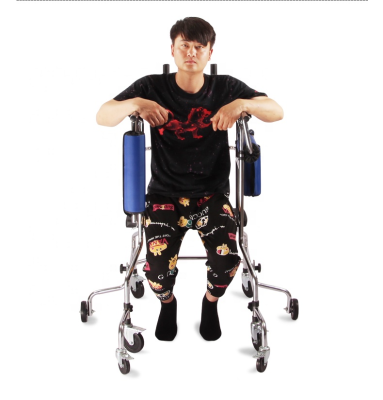
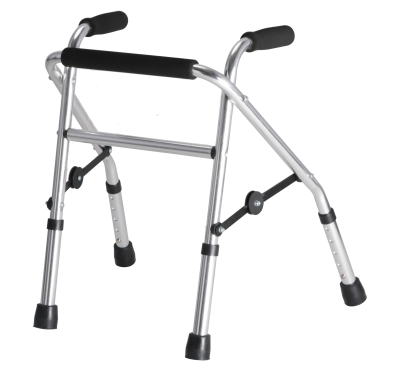
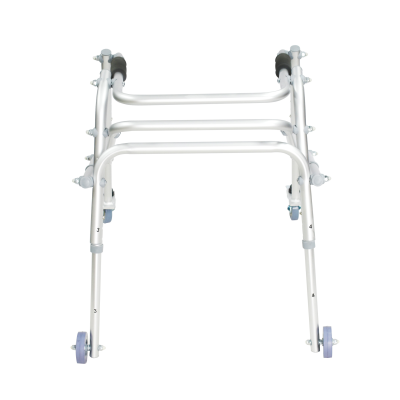
User Diversity and Target Group Compatibility Overlooking the specific needs of diverse user groups such as bariatric patients or children often leads to poor product fit and safety issues; ensure the walker selected accommodates the full range of intended users from kids to seniors.
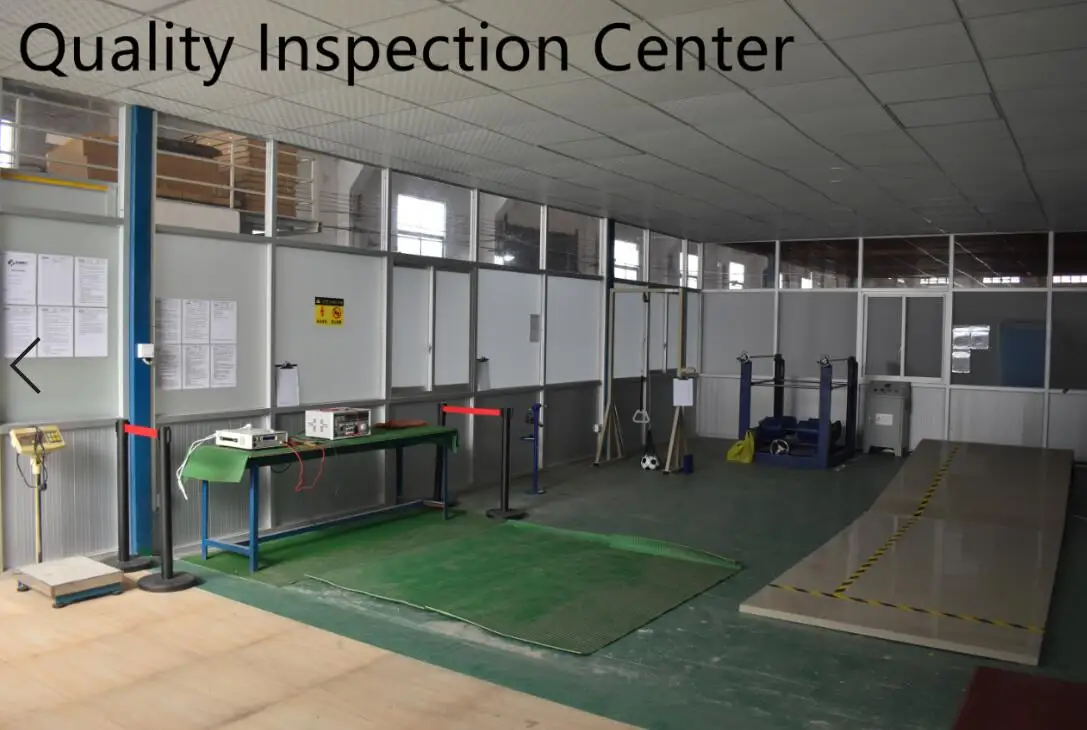
Certification and Compliance Assurance Insist on suppliers providing robust certifications like FDA, CE, and ISO 13485 to guarantee medical-grade quality and regulatory compliance, especially critical for patient and elderly use.
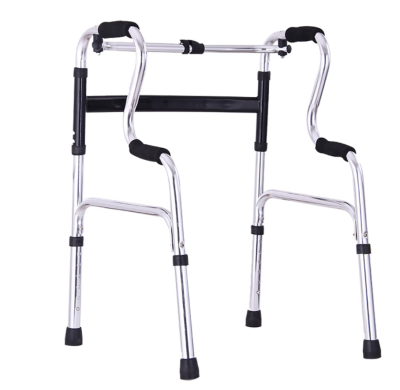
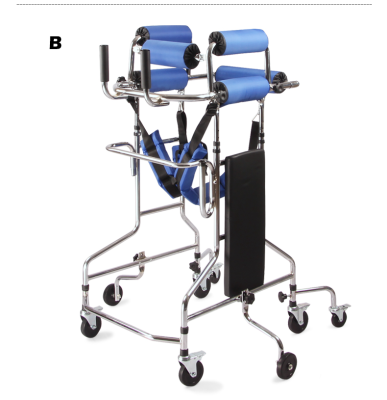
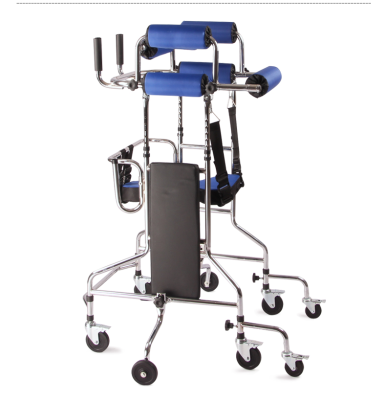
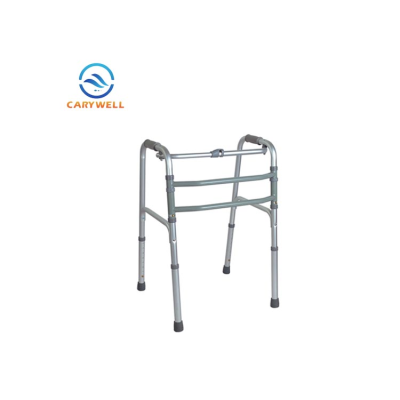
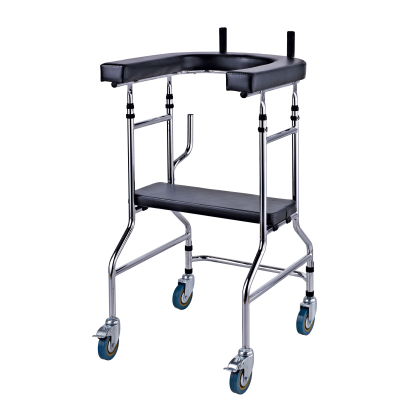
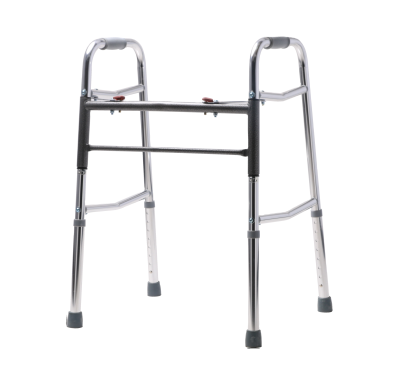
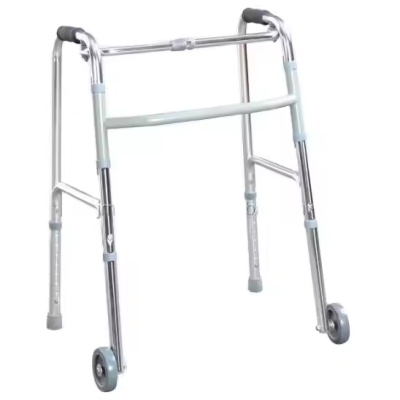
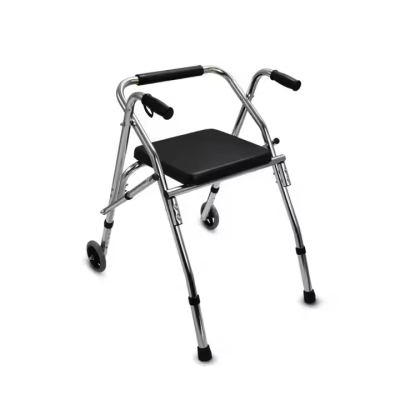
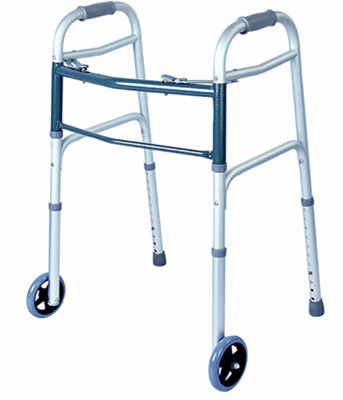
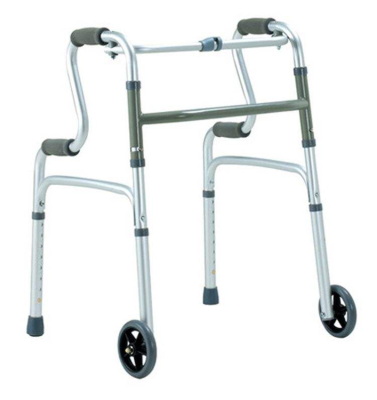
Weight and Structural Design Trade-offs The trade-off between lightweight models (around 2.3 kg) and heavier, sturdier options (up to 14.6 kg) depends on mobility versus durability needs, while choosing between two-wheel and four-wheel structures affects maneuverability and stability.
Adjustability Features Impact on Cost and Usability Adjustable levels, typically 6 or 8, can account for up to 15% of the walker's cost but significantly enhance user comfort and adaptability, making them a worthwhile investment for long-term use.