watch Sourcing Overview
-
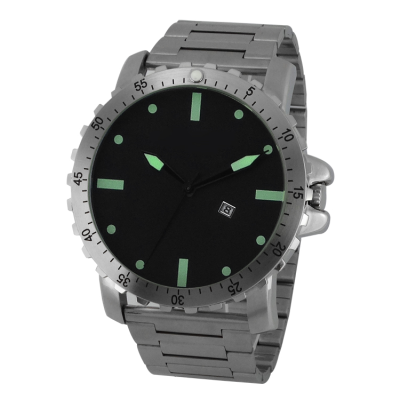
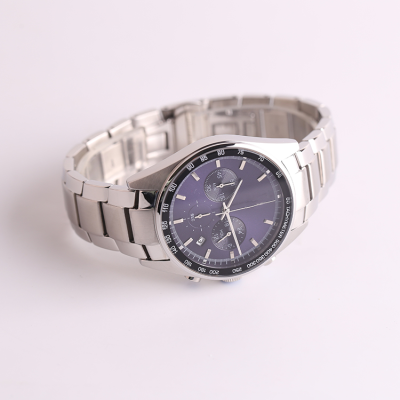
Material Selection Risks Overlooking the durability and aesthetic implications of materials like sapphire crystal versus plastic can lead to customer dissatisfaction; prioritize premium options such as sapphire and ceramic for longevity and perceived value.
-
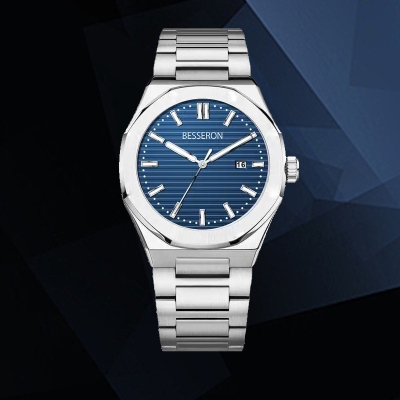
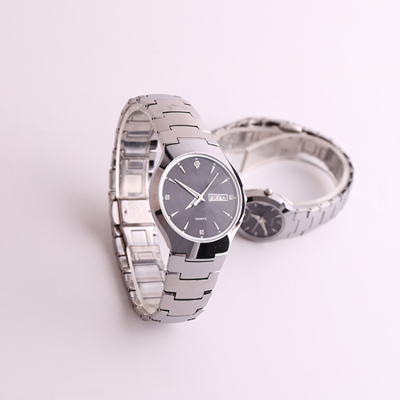
Tailored Target Group Strategy Negotiate product variations explicitly designed for men, women, and unisex categories to ensure market relevance, especially since designs and sizes can differ significantly between ladies' and men's watches.
-
Movement Type Industry Norms In practice, most high-end watches feature mechanical or specific movements like the 3235 or 4897, while quartz is common in affordable models; align your sourcing with the desired market segment to meet performance expectations.
-
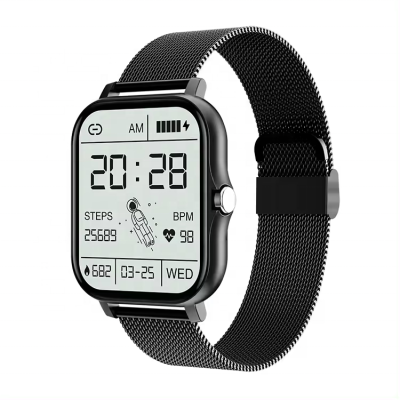
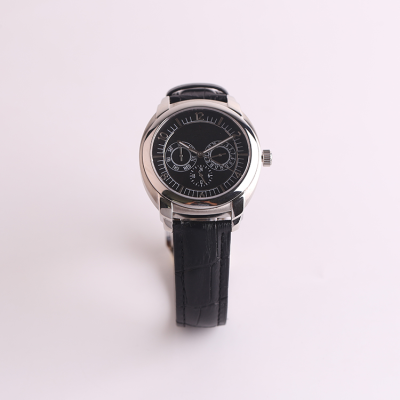
Display and Clasp Cost Trade-offs OLED and IPS displays, combined with clasp types such as leather deployment buckles or folding clasps with safety, can account for a significant portion of the watch’s cost and user experience; balance these features carefully against your price targets.