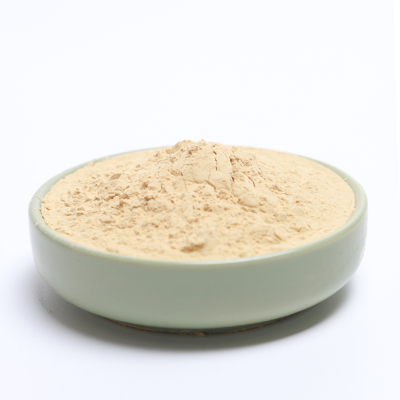
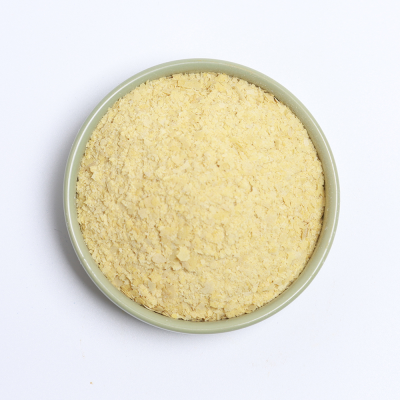
yeast Sourcing Overview
-
Product Type and Material Alignment A common mistake is neglecting to match the yeast type with its intended application; for example, brewers yeast and wine yeast serve very different fermentation purposes compared to baking yeast or nutritional supplements like selenium yeast.
-
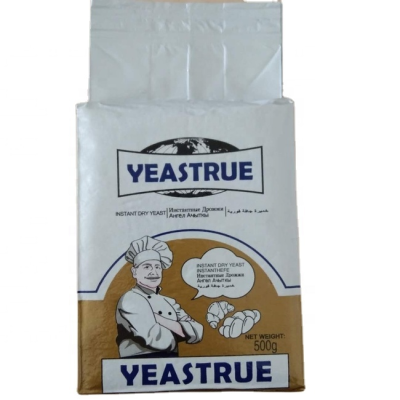
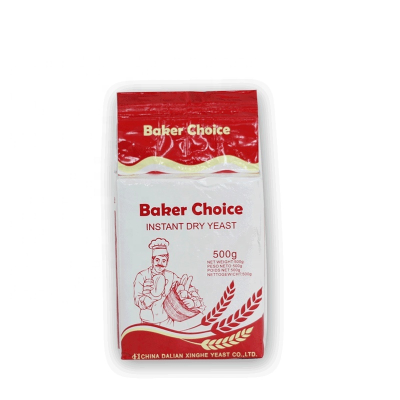
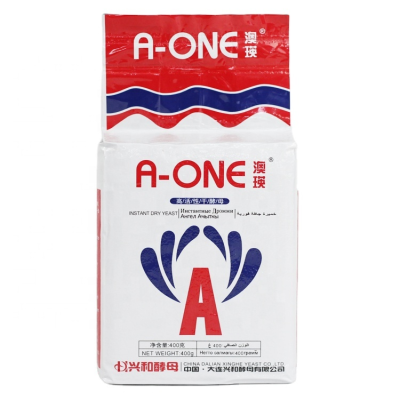
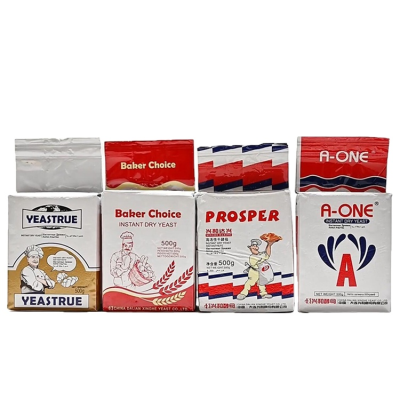
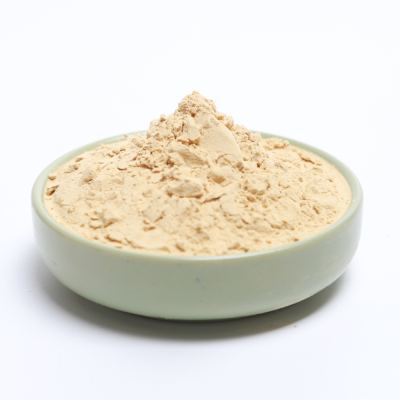
Specification and Packaging Considerations Request clear details on specifications such as packaging size—ranging from 1 g sachets to 500 g packs—and yeast beta glucan concentration, which can vary from 70% to 90%, to ensure the product fits your production scale and quality needs.
-
Shelf Life and Storage Requirements In practice, most suppliers offer yeast with a shelf life between 12 months and 2 years; understanding this range helps optimize inventory turnover and prevents losses due to product expiration.
-
Certification and Compliance Verification A critical question to ask your supplier is whether their yeast products hold relevant certifications like ISO, HACCP, FDA, or GMP, as these directly affect regulatory compliance and market acceptance in different regions.