Source 18V Battery Electric Cable Shear for Construction, Utilities, and Maintenance
Find and compare 30 listings for the 18V Battery Electric Cable Shear, featuring models like EZ-120C and SME-65C. Evaluate options with varying voltages, cutting capacities, and origins from China to select the right tool for your procurement needs; compare the available evidence and request quotations based on your requirements.
Key considerations
Products List
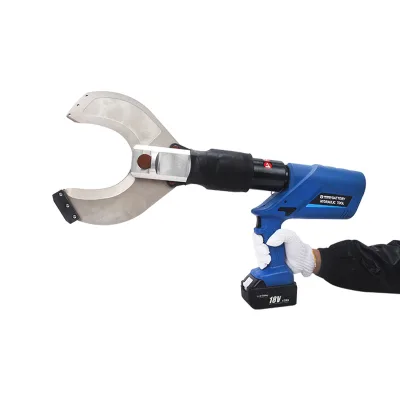
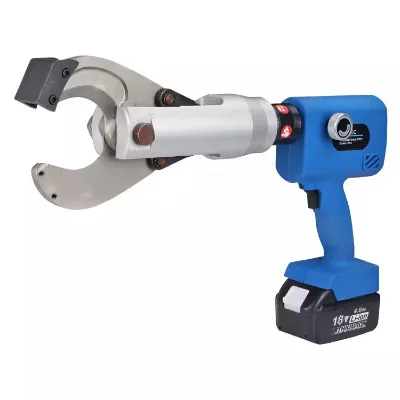


220V Battery Powered Cable Cutting Tools Portable Electric Cable Cutter
$415.00 - $425.00
MOQ: 1 Pieces

Electric Wire Cutting Powered Tool Automatic Operated Battery Cable Cutter
$483.00 - $493.00
MOQ: 1 Pieces

Battery Copper and Aluminum Armored Cable Electric Hydraulic Cable Cutter
$425.00 - $435.00
MOQ: 1 Pieces

Battery Armoured Cable Cutting Tool Electric Powered Hydraulic Cable Cutter
$500.00 - $515.00
MOQ: 1 Pieces


Comprehensive Sourcing Guide
18V Battery Electric Cable Shear Sourcing Guide
Procuring electric hydraulic shears requires careful alignment of power source, cutting capacity, and material compatibility. The market offers distinct variants, including DC 18V models and 380V industrial units, each serving different operational scales. Buyers must distinguish between portable lithium-powered tools for field work and stationary hydraulic systems for high-volume production. Understanding these fundamental differences prevents mismatched specifications and ensures the selected equipment meets the specific mechanical demands of the intended workflow.
This guide focuses on verifying critical attributes such as voltage, stroke length, and throat depth to ensure operational efficiency. By examining observed listing signals and technical specifications, buyers can navigate the complex landscape of cable cutting tools effectively. The following sections provide a structured approach to evaluating product scope, technical requirements, compliance standards, and commercial terms, ensuring a informed and risk-mitigated procurement decision for any industrial or field application.
Product Scope and Observed Listing Signals
The current market presents a diverse range of electric hydraulic shears, with observed prices spanning from $1 to $30,000 USD. This wide variance reflects differences in automation levels, power sources, and build materials. Listings indicate a minimum order quantity (MOQ) range of 1 to 1000 units, catering to both single-unit replacements and large-scale fleet acquisitions. Buyers should note that "18V" typically denotes portable, battery-operated handheld or semi-automatic tools, whereas higher voltage systems often indicate stationary industrial machinery.
Observed product attributes reveal specific material applications, such as stainless steel construction for durability and alloy steel components for cutting heads. Some models are explicitly labeled for wire and cable cutting, while others serve broader metal shearing tasks. Key identifiers include model numbers like EZ-120C and SME-65C, which help distinguish between lithium cable shears and larger hydraulic presses. Verifying the exact tool type against the intended material thickness is essential to avoid underpowered equipment or unnecessary overspending on industrial-grade machinery.
Technical Specifications to Verify
Voltage and power requirements are primary differentiators in electric hydraulic shear selection. DC 18V models offer portability and ease of use in field environments, while 380V 50Hz 3-phase systems provide consistent power for stationary applications. Buyers must verify the main motor power, which can range from 7.5 kW to 15 kW, depending on the cutting force required. Additionally, stroke length, such as 22mm, and throat depth, like 150mm, directly impact the tool's ability to handle bulky cables or thick metal sheets without compromising cutting quality.
Cutting capacity and dimensional constraints are equally critical for operational planning. Specifications such as a maximum cutting thickness of 12mm or a max cutting width of 3200mm define the tool's limits. Buyers should also consider the backgauge travel range, typically 20-800mm, which affects precision in repetitive cutting tasks. The control system, whether an E21 simple system or advanced automation, influences ease of use and maintenance needs. Ensuring these technical parameters align with the specific cable types and material dimensions is vital for maximizing productivity and minimizing downtime.
Compliance and Safety Documentation
Certification status is a non-negotiable aspect of procurement, with many listings highlighting ISO 9001 and CE marks. These certifications indicate adherence to international quality management standards and European safety directives, respectively. Buyers should request valid certification documents to verify that the manufacturer maintains consistent quality control processes. The presence of these marks often correlates with better build quality and safer operational features, reducing the risk of workplace accidents and ensuring regulatory compliance in target markets.
Safety features and automation levels also play a significant role in documentation review. Semi-automatic models may require additional safety interlocks or protective guards to prevent accidental activation. Buyers must ensure that the wiring devices are integrated properly and that the tool meets relevant electrical safety standards. While IEC 62133 is mentioned in background contexts, buyers should verify specific electrical safety certifications for battery-operated tools. Confirming that the equipment includes necessary safety warnings and operational manuals is essential for proper training and safe usage in industrial settings.
Cost Drivers and Commercial Terms
Pricing for electric hydraulic shears is influenced by material quality, automation level, and power source. Stainless steel construction and alloy steel cutting heads typically command higher prices due to durability and performance benefits. Buyers should analyze the cost per unit against the expected lifespan and maintenance requirements. While lower-priced options may seem attractive, they often lack the robustness needed for heavy-duty applications, leading to higher long-term costs due to frequent replacements or repairs.
Commercial terms such as payment structures and delivery times significantly impact procurement planning. A common payment term is 30/70%, requiring an initial deposit and balance upon delivery. Delivery times can vary, with some listings indicating a 35-day lead time for production and shipping. Buyers must factor in these timelines when planning inventory and project schedules. Additionally, packaging methods, such as export wooden boxes or customized packaging, affect shipping costs and product protection during transit, influencing the total landed cost.
Supplier Qualification and Quality Control
Supplier location and origin are key indicators of manufacturing capability and supply chain reliability. Listings indicate origins in Taizhou, Shanghai, and Ningbo, China, each with distinct industrial strengths. Buyers should verify the supplier's production capacity and quality control processes to ensure consistent product quality. Suppliers with ISO 9001 certification are more likely to maintain rigorous standards, reducing the risk of defects and ensuring that each unit meets the specified technical requirements.
Quality control extends to post-sale support and warranty provisions. A standard one-year warranty is common, but buyers should clarify the scope of coverage, including parts and labor. Customization availability is another important factor, allowing buyers to tailor tools to specific operational needs. Buyers should request sample units or detailed product specifications before placing large orders. Establishing clear communication channels with the supplier ensures that any technical queries or quality concerns are addressed promptly, fostering a reliable long-term partnership.
Long-Term Procurement Checks
Maintenance requirements and spare parts availability are critical for long-term operational efficiency. Electric hydraulic shears, particularly those with complex hydraulic systems, require regular maintenance to ensure optimal performance. Buyers should verify the availability of spare parts, such as cutting blades and hydraulic seals, to minimize downtime. Suppliers that offer comprehensive maintenance guides and technical support are preferable, as they help extend the tool's lifespan and maintain cutting precision over time.
Future scalability and technological updates should also be considered. As cable types and cutting requirements evolve, the ability to upgrade or replace tools becomes important. Buyers should assess whether the supplier offers newer models or compatible accessories that can enhance productivity. Additionally, monitoring market trends and technological advancements in electric hydraulic tools can inform future procurement decisions. By maintaining a flexible procurement strategy, buyers can adapt to changing operational needs and ensure their equipment remains competitive and efficient.
FAQs
What voltage options are available for electric hydraulic shears?
Electric hydraulic shears typically operate on DC 18V or 380V 50Hz 3-phase power. The specific voltage depends on the model type, such as the EZ-120C or SME-65C. Buyers should verify the motor requirements before selecting a unit for their specific industrial application needs.
Which materials can these electric cable cutters process effectively?
These tools are designed to cut wire and cable using alloy steel or stainless steel components. The maximum cutting thickness reaches up to 12 mm for certain models. Users must ensure the material type matches the tool capacity to prevent damage during operation.
Can I find electric hydraulic shears with ISO 9001 certification?
Yes, many electric hydraulic shears come with ISO 9001 and CE certifications. These standards ensure quality management and safety compliance for industrial equipment. Buyers should request certification documents to verify that the specific supplier meets these required international manufacturing standards.
What is the typical lead time for ordering these cutting tools?
The standard delivery time for these electric hydraulic shears is approximately 35 days. This period covers manufacturing and export packaging in wooden boxes. Buyers should plan their procurement schedule accordingly to account for this specific production and shipping duration.
How does the stroke length affect the cutting performance?
The stroke length of 22 mm determines the blade movement range for efficient cutting. This specification is critical for handling different cable diameters and thicknesses. A consistent stroke ensures clean cuts without excessive force or material deformation during the shearing process.
Are customization options available for these electric cable shear models?
Customization is available for various specifications and packaging requirements. Buyers can request tailored solutions for specific industrial needs or branding. The product origin locations include Taizhou, Shanghai, and Ningbo, offering diverse sourcing options for customized manufacturing requests.
What warranty coverage is provided for new electric shears?
New electric hydraulic shears typically come with a one-year warranty. This coverage protects against manufacturing defects and ensures product reliability. Buyers should confirm the warranty terms with the supplier to understand the scope of support and maintenance services included.