Source 20ga Steel Fine Wire Staples for Joiner, Industry, Sofa
Compare 30 listings of 20ga Steel Fine Wire Staples from manufacturers in China. Buyers can review specifications like crown width, wire size, and surface treatment for joiner, industry, and sofa applications; compare the available evidence and request quotations based on your requirements.
Key considerations
Products List


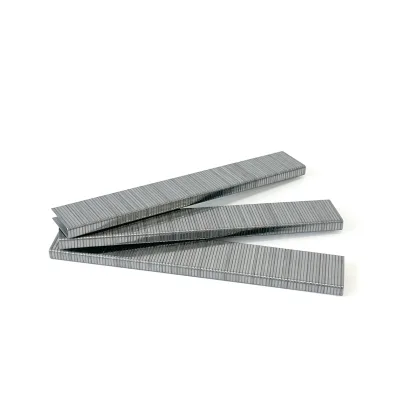
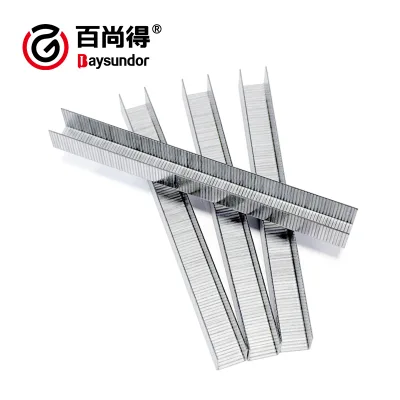


Comprehensive Sourcing Guide
20ga Steel Fine Wire Staples Sourcing Guide
Procuring 20-gauge steel fine wire staples requires a precise understanding of material specifications, surface treatments, and dimensional tolerances to ensure compatibility with pneumatic stapling equipment. These fasteners are critical components in various industrial and furniture assembly applications, where consistent penetration and holding power are non-negotiable. Buyers must navigate a market characterized by diverse series designations, such as the 99 series, STCR5019, and 84 series, each catering to specific crown widths and wire gauges. The selection process begins with identifying the exact staple type, whether U-type nails or standard staples, and verifying that the material composition aligns with the structural demands of the end product.
The sourcing landscape for these components is dominated by manufacturers and trading companies based in regions like Mingguang City, China, which serves as a significant hub for fastener production. Suppliers often offer customization options, allowing buyers to tailor staple lengths, crown sizes, and surface finishes to their specific operational needs. Common surface treatments include galvanized and zinc-plated finishes, which provide essential corrosion resistance for both indoor and outdoor applications. Understanding the interplay between wire diameter, crown width, and staple length is vital for preventing jams in pneumatic tools and ensuring secure joints in furniture, joinery, and industrial assembly lines.
Product Scope and Observed Listing Signals
The observed market for 20-gauge steel fine wire staples reveals a wide range of product attributes, including crown widths from 5.20mm to 12.80mm and lengths spanning from 4mm to 25mm. Listings frequently highlight compatibility with pneumatic staple guns, indicating that these fasteners are designed for high-speed automated or semi-automated assembly processes. The material is consistently identified as steel, with surface treatments such as galvanized sheet or zinc plating to enhance durability. Buyers should note that while many products share a 20-gauge base, specific series like the 20GA J400 or 21GA 97 B series may have subtle dimensional differences that affect tool compatibility.
Packing methods vary, with carton and pallet configurations being standard for bulk orders, though customer-oriented packaging options are available for specialized supply chain requirements. The color of the staples, often silver, copper, golden, or black, serves as a visual indicator of the surface treatment or coating applied. Some listings specify wire sizes such as 0.64mm by 0.95mm, providing precise data for engineering verification. It is essential for buyers to cross-reference these observed signals with their internal technical requirements, as the term "20ga" may encompass a range of tolerances and series designs that are not immediately apparent from general product descriptions.
Technical Specifications to Verify
Verifying the precise dimensional specifications of 20-gauge staples is crucial for ensuring seamless integration with existing pneumatic tools and assembly lines. Key parameters to confirm include the crown width, which can range from 4.6mm to 12.80mm, and the wire thickness, typically around 0.60mm to 0.70mm. The length of the staple, available in increments from 6mm to 25mm, must be selected based on the material thickness being joined to prevent blow-through or insufficient penetration. Buyers should also pay close attention to the wire diameter, which may be specified as 0.90mm or 0.95mm, as deviations can lead to feeding issues in high-speed staplers.
In addition to dimensions, the surface treatment and material grade significantly impact the performance and longevity of the staples. Galvanized and zinc-plated finishes are common, offering varying degrees of corrosion resistance depending on the application environment. The standard series, such as ISO, ANSI, or specific manufacturer codes like STCR5019, should be verified to ensure compatibility with international standards and tooling. It is advisable to request detailed technical drawings or sample packs to physically verify the crown shape, leg straightness, and tip configuration before committing to large-scale orders.
Compliance and Safety Documentation
Ensuring that 20-gauge steel fine wire staples meet relevant safety and quality standards is a critical step in the procurement process. Suppliers often cite compliance with ISO, ANSI, and GB standards, which provide a framework for dimensional accuracy and material quality. Buyers should request documentation that confirms adherence to these standards, particularly if the staples are intended for use in regulated industries such as automotive or aerospace. The presence of certifications like SGS or CE indicates that the product has undergone third-party testing for quality and safety, providing an additional layer of assurance for the buyer.
Beyond dimensional standards, the environmental and safety implications of the surface treatments used on the staples must be considered. Galvanized and zinc-plated finishes may involve chemical processes that require proper handling and disposal procedures. Buyers should inquire about the compliance of these treatments with environmental regulations, such as REACH or RoHS, depending on the target market. Additionally, verifying that the steel material meets specific grade requirements ensures that the staples have the necessary tensile strength and ductility to perform reliably under stress.
Cost Drivers and Commercial Terms
The cost of 20-gauge steel fine wire staples is influenced by several factors, including the raw material price of steel, the complexity of the surface treatment, and the volume of the order. Prices in the observed market range from $0.12 to $1200, reflecting the diversity of product types and order quantities. Minimum order quantities (MOQs) typically range from 1 to 20,000 units, allowing for flexibility in procurement strategies. Buyers should negotiate terms that align with their production schedules, considering the potential for price fluctuations in raw materials and the impact of exchange rates on international orders.
Packaging and logistics also play a significant role in the total cost of ownership. Standard packing in cartons and pallets is efficient for bulk shipping, but custom packaging may incur additional costs. Lead times can vary based on the supplier's production capacity and the level of customization required. Buyers should establish clear commercial terms regarding payment methods, shipping responsibilities, and liability for defects. Understanding these cost drivers enables more accurate budgeting and helps in selecting suppliers who offer the best value proposition for specific project requirements.
Supplier Qualification and Quality Control
Selecting a reliable supplier for 20-gauge steel fine wire staples requires a thorough evaluation of their manufacturing capabilities and quality control processes. Suppliers identified as both manufacturers and trading companies may offer different advantages, with manufacturers providing direct control over production and trading companies offering broader product ranges. Buyers should verify the supplier's location, such as Mingguang City, and assess their experience in producing staples for the furniture and joinery industries. Requesting references or case studies can provide insight into the supplier's reliability and consistency in meeting customer expectations.
Quality control measures should be a key criterion in supplier selection. Buyers should inquire about the supplier's inspection protocols, including in-process checks and final product testing. Certifications such as ISO indicate a commitment to standardized quality management systems. It is advisable to conduct factory audits or third-party inspections to verify the supplier's claims regarding production capacity and quality assurance. Establishing a clear communication channel for addressing quality issues and defining acceptance criteria for incoming goods will help mitigate risks and ensure a steady supply of high-quality staples.
Long-Term Procurement Checks
Establishing a long-term procurement strategy for 20-gauge steel fine wire staples involves regular performance reviews and continuous improvement initiatives. Buyers should monitor key performance indicators such as delivery times, defect rates, and responsiveness to issues. Regular audits of the supplier's quality control processes can help identify potential problems before they impact production. Building a strong relationship with the supplier can lead to better pricing, priority production, and collaborative innovation in product design. It is also important to stay informed about changes in industry standards and technological advancements that may affect staple specifications.
Diversifying the supplier base can mitigate risks associated with supply chain disruptions. Buyers should consider qualifying alternative suppliers in different regions to ensure continuity of supply. Regularly reviewing the total cost of ownership, including logistics and inventory holding costs, can help optimize procurement strategies. Engaging in strategic planning with suppliers to forecast demand and plan production schedules can enhance efficiency and reduce lead times. By maintaining a proactive approach to supplier management, buyers can ensure a stable and cost-effective supply of 20-gauge steel fine wire staples for their operations.
FAQs
What tools are compatible with these 20ga Steel Fine Wire Staples?
These staples are designed for use with pneumatic staple guns. They fit standard industrial applications including joinery, furniture, and sofa manufacturing. The specific 21ga and 20ga wire sizes ensure reliable feeding and fastening performance in professional settings.
Which surface treatments are available for these steel staples?
The staples feature galvanized or zinc-plated surface treatments to prevent rust. This finishing process ensures durability in various environments. The steel material provides strength while the coating protects against corrosion during storage and use in furniture or industrial projects.
Can I request custom sizes for these 20ga Steel Fine Wire Staples?
Yes, customization is available for these staples to meet specific project needs. Manufacturers offer various lengths ranging from 4mm to 25mm. You can also select different crown widths and wire gauges to match your specific pneumatic stapler requirements and application demands.
What certifications do these steel staples meet?
These products comply with ISO, ANSI, and GB standards. Some series also carry SGS and CE certifications. These quality marks ensure the staples meet international safety and performance requirements for industrial use in furniture, joinery, and general manufacturing applications.
How are these staples packaged for shipment?
Staples are typically packed in cartons and placed on pallets for safe transport. Customized packaging options are also available to suit specific buyer requirements. This secure packing method prevents damage during shipping and ensures the staples arrive ready for immediate use in your facility.
What is the origin of these 20ga Steel Fine Wire Staples?
These staples are manufactured in Mingguang City, China. The region is known for producing high-quality fasteners. As a manufacturer and trading company, the supplier ensures direct access to competitive pricing and reliable supply chains for international buyers seeking steel staples.
Which crown widths are available for these staples?
Available crown widths include 4.6mm, 5.20mm, and 12.80mm options. These dimensions cater to different fastening needs in furniture and industrial applications. Selecting the correct crown width ensures optimal holding power and prevents material splitting during the stapling process.