Source 20kv Rigid Transformer Bushings for Power, Electronic, Instrument
Find 30 listings for 20kv Rigid Transformer Bushings from Chinese manufacturers. Buyers can compare voltage ranges, current capacities, and insulation types for power, electronic, and instrument applications.
Key considerations
Products List


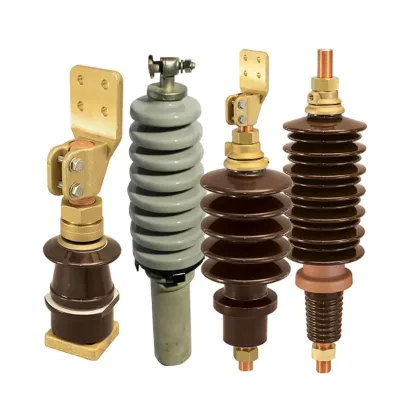


1.2KV600A Molded Integral Low Voltage Bushings for Distribution Transformers
$4.00 - $15.00
MOQ: 100 Pieces


Comprehensive Sourcing Guide
Strategic Sourcing Guide for 20kv Rigid Transformer Bushings
Understanding Technical Specifications and Core Attributes
When sourcing 20kv Rigid Transformer Bushings, buyers must first establish a precise understanding of the technical parameters that define the product's functionality and compatibility. The market offers a diverse range of configurations, and the term "rigid" typically implies a solid, non-flexible structural design intended for high-voltage isolation. Based on observed product attributes, these components are frequently categorized by their insulation materials, which include composite and porcelain options. The selection between these materials often depends on the specific environmental conditions and mechanical stress requirements of the installation site.
The voltage rating is a critical specification. While the core keyword specifies 20kV, observed market data indicates that available products span a broader range, including models rated from 10-40.5kV and others extending up to 145kV to 176kV. A 20kV unit falls squarely within the lower-to-mid range of this spectrum, suggesting that buyers should verify that the specific model selected matches the exact system voltage to prevent insulation breakdown or over-engineering. Furthermore, the current capacity is a decisive factor for thermal performance. Data points show a wide variance in current ratings, with observed ranges extending from 200A to 4000A and even up to 8000A for higher-capacity units. For a 20kV application, the buyer must confirm that the bushing's ampacity aligns with the transformer's load requirements to avoid overheating.
The physical construction also varies significantly. Some units feature a ring-shaped core or core-type transformer designs, while others are designed as hollow core bushings. The connection type is another vital attribute, with options including plug-in interfaces or outer cone PPS (Polyphenylene Sulfide) connections. The outer insulation material is often a composite or porcelain, which influences the creepage distance and mechanical strength. Additionally, thermal ratings are essential; observed specifications mention temperature ranges as wide as -200°C to +135°C, indicating that high-performance units are designed for extreme environments. Buyers must ensure that the selected bushing's thermal rating exceeds the maximum operating temperature of the transformer it serves.
Compliance, Certification, and Global Standards
Navigating the regulatory landscape is a fundamental step in the procurement of high-voltage equipment. The reliability of a 20kV rigid transformer bushing is often validated through adherence to international and national standards. In the observed market, certifications such as ISO9001 are prevalent, with some listings explicitly combining ISO9001 with other compliance markers like CCC (China Compulsory Certification). These certifications indicate that the manufacturing process meets specific quality management benchmarks, though they do not guarantee the performance of every individual unit without further verification.
For high-voltage applications, compliance with specific electrical standards is non-negotiable. While general market data references "International & Chinese National Standards," buyers must specifically verify alignment with standards relevant to high-voltage bushings, such as IEC 60137, which governs the design and testing of high-voltage bushings. It is crucial to note that while this standard is a trusted reference in the industry, the specific product listings provided do not explicitly confirm compliance with every single clause of IEC 60137 for all models. Therefore, procurement teams should request detailed test reports and certification documents that explicitly reference the applicable standard for the specific 20kV model being purchased.
The "Global Compliance" attribute observed in the market suggests that many suppliers aim to meet both domestic and international requirements. However, the presence of a certification mark on a product page is an observation, not a universal guarantee. Buyers should treat these certifications as indicators of a supplier's commitment to quality rather than a substitute for independent verification. When evaluating a supplier, the procurement team should ask for the specific test certificates that validate the bushing's dielectric strength, thermal stability, and mechanical load capacity against the relevant standards. This due diligence ensures that the equipment will perform safely under the intended electrical stress.
Cost Drivers and Pricing Variables
The pricing of 20kv Rigid Transformer Bushings is influenced by a complex interplay of technical specifications, material costs, and customization requirements. The observed market data reveals a staggering price range, from as low as $1 to as high as $50,000. This vast disparity underscores the fact that price is not a linear function of voltage alone. Instead, it is driven by the specific combination of current capacity, insulation material, and the level of customization required.
Material composition is a primary cost driver. Bushings utilizing composite insulation may differ significantly in price from those using porcelain, depending on the raw material costs and the manufacturing complexity involved. The current capacity also plays a major role; a bushing rated for 8000A will inherently cost more than one rated for 200A due to the increased volume of conductive material and the more robust cooling requirements. Furthermore, the "rigid" nature of the bushing and its specific shape, such as a hollow core or ring design, can affect the molding or casting costs.
Customization is another significant factor. The market data indicates that customization is available for many products, including custom packing, standard modifications, and tailored dimensions. Custom orders often incur higher costs due to the setup time, specialized tooling, and lower production volumes compared to standard off-the-shelf items. The observed MOQ (Minimum Order Quantity) ranges from 1 to 100 units, suggesting that buyers purchasing small quantities may face a higher per-unit cost. Conversely, larger orders might benefit from economies of scale, though the specific pricing structure should be negotiated based on the total volume and the complexity of the custom requirements. Buyers should also consider the packaging costs, as options range from standard transport packaging to craft wooden boxes, which can add to the overall landed cost.
Typical Applications and Industry Use Cases
The versatility of 20kv Rigid Transformer Bushings allows them to serve a wide array of applications across different sectors. The observed usage data highlights their deployment in power transformers, combined transformers, and single-phase transformers. These components are essential for isolating the high-voltage conductors from the grounded transformer tank while maintaining electrical continuity. In the power sector, they are critical for the transmission and distribution of electricity, ensuring safe operation at the 20kV level.
Beyond standard power applications, these bushings are also utilized in electronic and instrument applications. The specific attribute of "High Frequency" characteristics suggests that certain models are designed for specialized electronic equipment where signal integrity and insulation performance at higher frequencies are paramount. Additionally, the "Instrument" application category indicates their use in measurement and monitoring devices, where precision and reliability are key. The "High Voltage" application tag further confirms their suitability for demanding electrical environments where standard insulation would fail.
The specific design of the bushing, such as the "Hollow Core SBC Bushing Series" or "Combined Resin Silicon Bushings," points to specialized uses. For instance, bushings with a hollow core might be used in applications requiring the passage of other conductors or cooling fluids through the center. The "Transformer Sheaths" and "High Protection" attributes suggest that these components are also used in environments where physical protection against environmental factors, such as moisture, dust, or mechanical impact, is required. Whether in a utility substation, an industrial facility, or a specialized electronic setup, the 20kV rigid transformer bushing serves as a critical interface between the high-voltage system and the grounded equipment.
Supplier Evaluation and Verification Protocols
Evaluating suppliers for 20kv Rigid Transformer Bushings requires a rigorous approach that goes beyond surface-level product listings. The market data indicates that products originate from various locations, including China and specific regions like Tianjin. While the origin is a factual observation, it does not inherently dictate quality. Buyers should focus on the supplier's ability to provide consistent quality and technical support. The presence of certifications like ISO9001 is a positive indicator, but it should be verified against the specific manufacturing facility's scope.
One of the key evaluation criteria is the supplier's flexibility regarding customization. The data shows that customization is available for models, packing, and standards. A capable supplier should be able to adapt the bushing's dimensions, connection types, and insulation materials to meet the buyer's specific project requirements. The ability to offer "Standard Transport Packaging or Customized" options also reflects the supplier's attention to logistics and customer service. Buyers should assess the supplier's responsiveness to technical queries and their willingness to provide detailed product data sheets that go beyond the generic attributes listed on the product page.
Furthermore, the warranty and support terms are critical indicators of supplier confidence. The observed data mentions a "1 Years" warranty for some products, which serves as a baseline for buyer expectations. However, for high-voltage equipment, a longer warranty or a robust after-sales support program is often preferable. Buyers should also inquire about the supplier's quality control processes, including in-house testing capabilities and third-party validation. The "Global Compliance" attribute suggests that reputable suppliers are aware of international standards, but the buyer must confirm that the specific batch of bushings being ordered has passed the necessary tests.
Quality Control and Long-Term Procurement Considerations
Ensuring the long-term reliability of 20kv Rigid Transformer Bushings requires a proactive quality control strategy. The procurement process should include strict verification of the product's physical and electrical properties. Buyers should request sample testing or third-party inspection reports to validate the insulation type, current capacity, and thermal rating. The observed temperature range of -200°C to +135°C is a significant specification that must be verified through testing to ensure the bushing can withstand the thermal cycling of the intended application.
Long-term procurement considerations also involve the supply chain's stability and the availability of spare parts. The "Customized" standard attribute implies that some products may be made-to-order, which could impact lead times and future availability. Buyers should establish a clear agreement with the supplier regarding lead times, production capacity, and the ability to fulfill repeat orders. The "Wooden Package" and "Carton" options for packing should be evaluated for their ability to protect the bushings during transit, especially for international shipments.
Finally, the integration of the bushing into the existing system must be seamless. The "Connection Type" and "Outer Insulation" specifications must match the transformer's design to ensure a secure fit and proper electrical isolation. Buyers should maintain a detailed record of the product specifications, certifications, and test results for future reference and maintenance. By focusing on these quality control measures and long-term planning, buyers can mitigate risks and ensure the reliable operation of their high-voltage systems.
Comparative Analysis of Product Attributes
To facilitate informed decision-making, it is helpful to compare the key attributes of available 20kv Rigid Transformer Bushings. The following table summarizes the observed variations in specifications, helping buyers identify the most suitable options for their specific needs.
| Attribute Category | Observed Range/Options | Key Considerations for 20kV Selection |
|---|---|---|
| Voltage Rating | 10-40.5kV, 145-176kV | Ensure the 20kV rating is explicitly confirmed; avoid under-rated units. |
| Current Capacity | 200A - 4000A, 630A - 8000A | Match the bushing's ampacity to the transformer's maximum load. |
| Insulation Material | Composite, Porcelain, Silicon/Epoxy | Select based on environmental exposure and mechanical strength needs. |
| Connection Type | Plug-in, Outer Cone PPS | Verify compatibility with the transformer's terminal design. |
| Temperature Range | -200°C to +135°C | Confirm the range covers the operational and ambient temperatures. |
| Certification | ISO9001, CCC, Global Compliance | Request specific test reports for the model, not just general certification. |
| Customization | Available for Model, Packing, Standard | Assess the cost and lead time implications of custom requirements. |
This comparative view highlights the diversity of the market and the necessity for precise specification matching. By carefully analyzing these attributes, buyers can navigate the complexities of sourcing 20kv Rigid Transformer Bushings and secure equipment that meets their technical and operational requirements.
FAQs
What certifications do 20kv Rigid Transformer Bushings typically have?
Many products carry ISO9001 and CCC certifications, though specific compliance varies by model. Buyers should verify that the supplier provides test reports confirming adherence to international and Chinese national standards for the exact unit ordered.
Which insulation materials are available for these bushings?
Available options include composite and porcelain materials, often combined with silicon or epoxy resin. The choice depends on environmental conditions, as some units offer high protection and temperature ratings ranging from -200 to +135 degrees Celsius.
Can I find bushings with high current capacity ratings?
Yes, observed current capacities range from 200A to 8000A depending on the specific model. Buyers must select a unit with an ampacity that matches the transformer load to ensure safe thermal performance and prevent overheating during operation.
How does customization affect the product specifications?
Customization is available for models, packing, and standards, allowing tailored dimensions and connection types. This flexibility supports specific project needs but may influence the minimum order quantity and overall pricing structure compared to standard off-the-shelf items.
What voltage ranges are covered by these rigid bushings?
Products span voltage ranges from 10-40.5kV up to 145-176kV, covering the 20kV requirement. Buyers must confirm the specific model matches the system voltage to ensure proper insulation and prevent electrical breakdown in high-voltage applications.
Which packaging options are offered for these components?
Packaging options include wooden packages, craft wooden boxes, cartons, and standard transport packaging. The choice depends on shipping requirements and protection needs, with some suppliers offering customized packing solutions for specific logistics constraints.