Source 21700 6S FPV Drone Battery for UAVs, RC Cars, and E-Bikes
Source the 21700 6S FPV Drone Battery from 30 verified listings. Compare capacities ranging from 4200mAh to 10000mAh, cycle life, and certifications like CE and RoHS to find the right power solution for your project; compare the available evidence and request quotations based on your requirements.
Updated
Key considerations
Products List


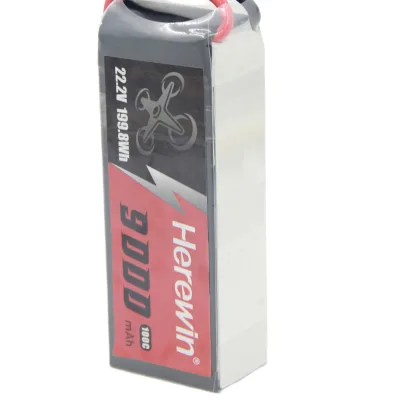
Huge Stock Fpv Battery 6s 31000mAh Agriculture Drone Battery for Aircraft
$254.20 - $301.40
MOQ: 10 Pieces

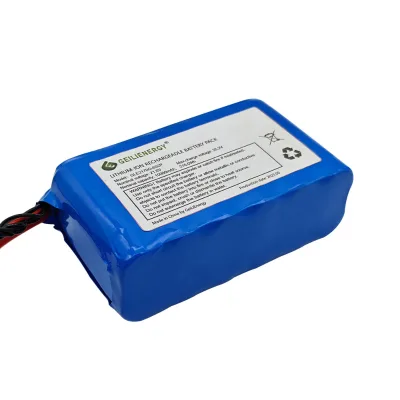
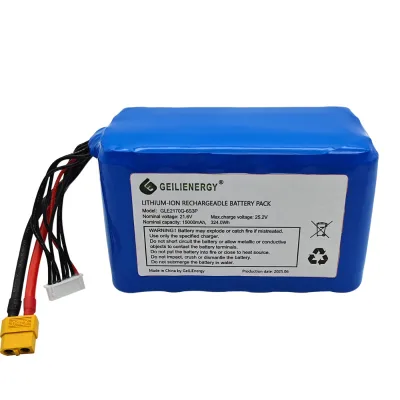
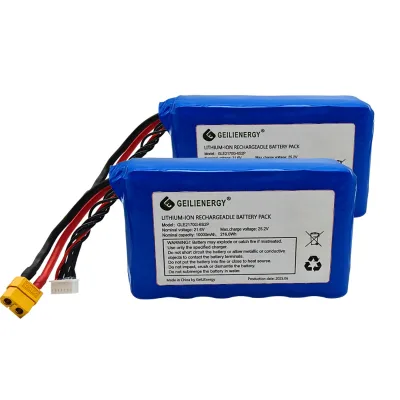
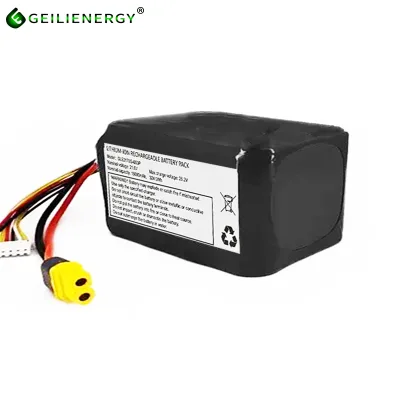
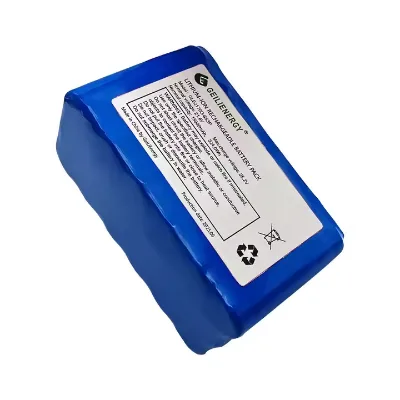
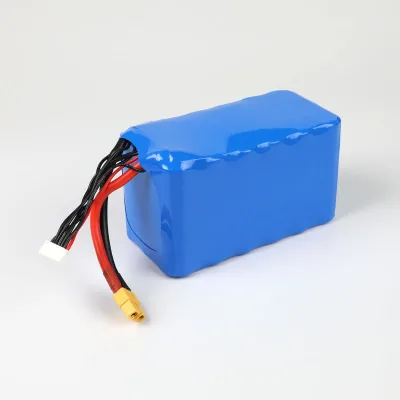
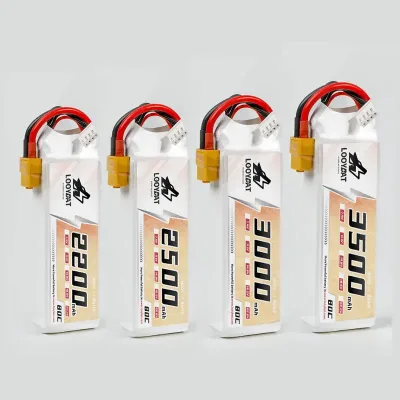
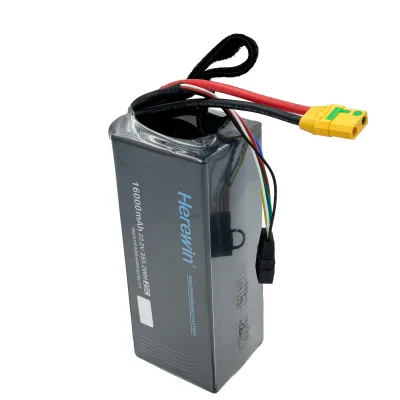
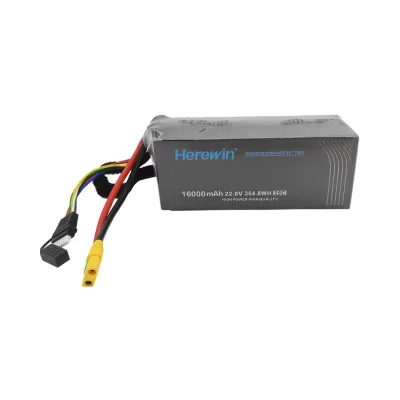
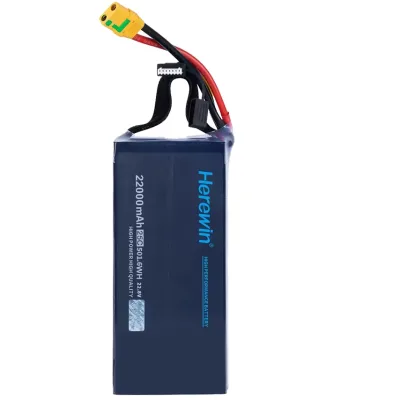
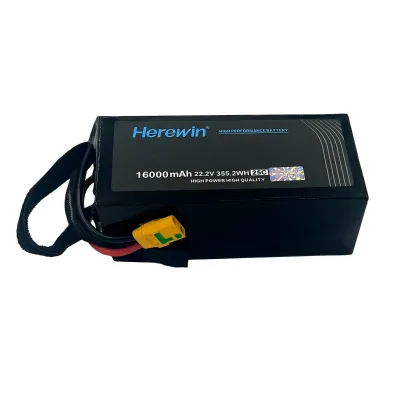
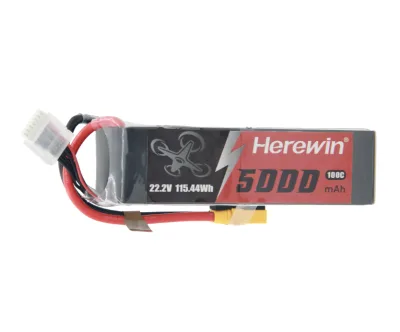
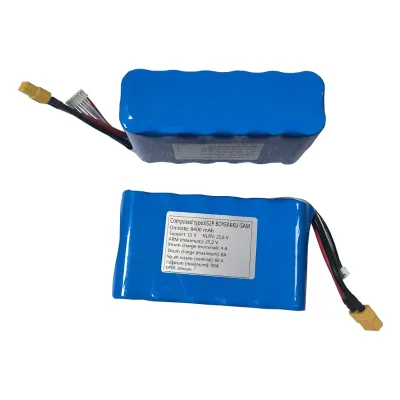
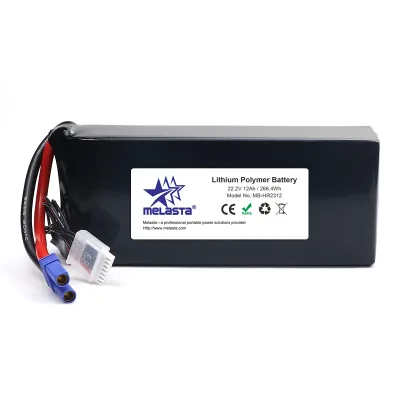
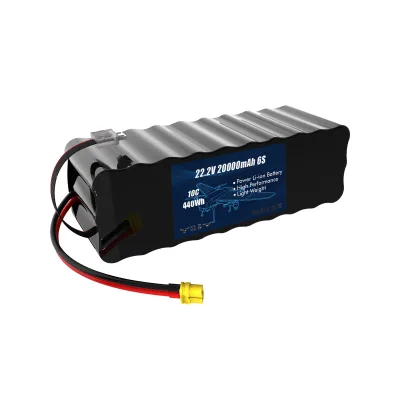
21700 6s2p High Energy Density Fpv Drone Battery 6s 22.2v 8000mah 8400mah 10c
$36.00 - $45.00
MOQ: 10 pieces
Comprehensive Sourcing Guide
21700 6S FPV Drone Battery Sourcing Guide
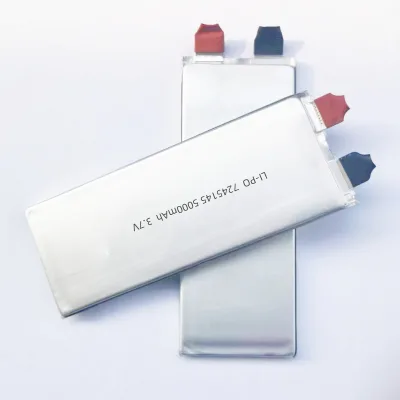
Procuring a 21700 6S FPV Drone Battery requires balancing high energy density with the structural integrity needed for aggressive flight maneuvers. The market offers distinct configurations, ranging from single Molicel Inr21700-P42A cells to complete 6S packs with capacities like 8400mAh or 10000mAh. Buyers must distinguish between raw cylindrical cells and pre-assembled prismatic or Lipo battery packs, as the application demands vary significantly. Understanding these form factors is the first step in defining a precise technical requirement that aligns with your drone’s power system and flight duration goals.
The observed product landscape includes brands such as Molicel and generic FPV Li-ion options, with capacities spanning from 4200mAh to 10000mAh. While some listings highlight specific cell models like the P42A, others describe complete packs with custom dimensions and weights. It is critical to verify whether the supplier provides individual cells for in-house assembly or finished packs ready for integration. This distinction impacts your supply chain complexity, as assembled packs require different quality control measures compared to sourcing raw cells, which may need additional protection circuit modules or custom casing solutions.
Product Scope and Observed Listing Signals
The current market signals indicate a wide variance in product specifications, with observed prices ranging from $6.4 to $360 USD and minimum order quantities between 1 and 500 units. Listings frequently mention capacities such as 8400mAh and 10000mAh for 6S configurations, alongside single-cell capacities like 4200mAh. Buyers should note that some products are described as having a normal voltage of 3.95V per cell, which suggests high-voltage lithium-ion chemistry rather than standard 3.6V or 3.7V variants. This voltage characteristic is crucial for ensuring compatibility with drone flight controllers and electronic speed controllers that expect specific voltage ranges.
Packing and physical attributes also vary, with some items listed as 1PC/Box or 20PCS/Carton, while others specify carton-only packaging. Dimensions such as 7021mm for cells and 205137*11mm for packs are observed, indicating that space constraints within the drone frame are a significant design factor. Weight is another critical variable, with some packs weighing up to 2050g for 6S configurations. Procurement teams must cross-reference these physical dimensions and weights against their drone’s payload capacity to ensure that the battery does not compromise flight stability or maneuverability.
Technical Specifications to Verify
Verifying the cathode material is essential, as listings mention NCM, LFP, and NMC811 chemistries, each offering different performance profiles. NCM and NMC811 typically provide higher energy density, which is beneficial for longer flight times, while LFP offers greater thermal stability and safety. Buyers must confirm the specific chemistry for their intended use case, as this directly impacts the battery’s discharge rate capabilities. Some products advertise discharge rates of 5c-10c, while others claim up to 100c, which is vital for high-performance FPV drones that require rapid power delivery during aggressive maneuvers.
Cycle life and working temperature ranges are also key technical parameters to validate. Observed cycle life claims range from more than 500 times to 800-1000 times, indicating varying durability expectations. Additionally, working temperatures are listed as -40 to 60 Celsius degrees, which suggests robust performance in extreme environments. Buyers should verify if these ratings apply to the individual cells or the complete pack, as the battery management system and casing can influence overall thermal performance. Ensuring that the charging ratio, such as 1.5c max, aligns with your charger’s output is necessary to prevent premature degradation or safety hazards.
Compliance and Safety Documentation
Safety certifications are a non-negotiable aspect of sourcing lithium-ion batteries for aviation applications. Listings frequently cite CE, RoHS, SGS, IEC, and UN38.3 certifications, which are critical for international shipping and regulatory compliance. UN38.3 certification, in particular, is mandatory for transporting lithium batteries via air freight, making it a key document to request from suppliers. Buyers must verify that these certifications are current and apply to the specific model being purchased, as counterfeit or outdated documentation can lead to shipping delays or customs seizures.
Warranty terms and return policies provide an additional layer of protection for procurement teams. Most observed products offer a 1-year or 12-month warranty, which should be clearly defined in the purchase agreement. Buyers should clarify what constitutes a defect under the warranty, such as capacity loss or cell imbalance, and understand the process for claiming replacements. Additionally, verifying the supplier’s ability to provide test reports or batch-specific quality data can help mitigate risks associated with inconsistent manufacturing quality, ensuring that each batch meets the required safety and performance standards.
Cost Drivers and Commercial Terms
The price range of $6.4 to $360 USD reflects significant variations in capacity, chemistry, and assembly level. Higher capacity packs, such as 10000mAh 6S configurations, naturally command higher prices due to the increased material costs and complex assembly processes. Buyers should analyze the cost per mAh to compare value across different suppliers, keeping in mind that lower prices may correlate with reduced cycle life or inferior cell quality. Understanding these cost drivers helps in budgeting for large-scale procurement while maintaining the desired performance standards for your drone fleet.
Minimum order quantities (MOQs) ranging from 1 to 500 units offer flexibility for both prototyping and mass production. For initial testing or small-scale operations, suppliers with low MOQs are advantageous, allowing for risk mitigation before committing to larger orders. However, bulk purchases may unlock better pricing and more favorable commercial terms, such as extended payment periods or dedicated customer support. Buyers should negotiate terms that align with their cash flow and inventory management strategies, ensuring that they can secure consistent supply without overstocking perishable battery inventory.
Supplier Qualification and Quality Control
Supplier qualification involves verifying their manufacturing capabilities and quality control processes. Buyers should request evidence of production lines, testing equipment, and quality management systems to ensure consistent product quality. Given the variability in observed specifications, it is crucial to confirm that the supplier can meet your specific technical requirements, such as custom dimensions or specific discharge rates. Engaging with suppliers who offer customization services can provide a competitive edge by allowing for tailored battery solutions that perfectly fit your drone’s design.
Quality control measures should include incoming material inspections, in-process testing, and final product verification. Buyers should inquire about the supplier’s defect rate and their procedures for handling non-conforming products. Additionally, requesting sample units for independent testing can help validate the supplier’s claims regarding capacity, cycle life, and safety performance. Establishing a clear communication channel for addressing quality issues is essential for maintaining a reliable supply chain and ensuring that any deviations from specifications are promptly resolved.
Long-Term Procurement Checks
Long-term procurement success depends on monitoring supplier performance and market trends. Buyers should regularly review supplier delivery times, product consistency, and responsiveness to issues. As technology evolves, new cell chemistries and pack designs may emerge, offering improved performance or cost efficiencies. Staying informed about these developments allows procurement teams to make strategic decisions about when to upgrade or switch suppliers to maintain a competitive advantage in the FPV drone market.
Sustainability and end-of-life management are also becoming increasingly important considerations. Buyers should inquire about the supplier’s policies on battery recycling and environmental compliance. Ensuring that the supply chain aligns with corporate sustainability goals can enhance brand reputation and meet regulatory requirements in various markets. By integrating these long-term checks into the procurement process, organizations can build a resilient and responsible supply chain that supports their growth and operational excellence.
FAQs
What capacity options are available for 21700 6s fpv drone batteries?
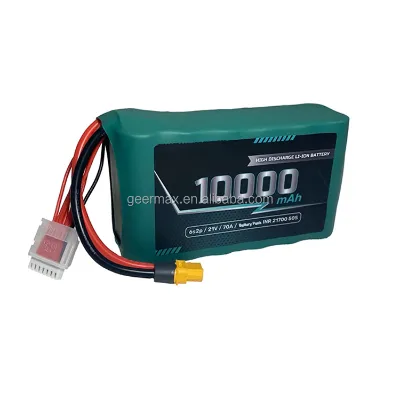
Listed options include 4200 mAh single Molicel P42A cells, 8400 mAh packs built as 6S configurations, and a 10000 mAh 6S variant for larger drones. Pack capacity depends on cell grade and configuration, so confirm the exact model, dimensions, and weight such as 2050g for the 6S 8400 mAh pack before ordering.
Can the 21700 6S FPV Drone Battery be customized for my drone model?
Yes, customization is available on listed products. Buyers can request adjustments to pack configuration, connectors such as XT60, dimensions, and weight to match specific drone or UAV applications. Custom orders typically require discussing specifications with the supplier, confirming minimum order quantities, and verifying lead times before production begins.
What certifications do these 21700 6s fpv drone batteries carry?
Listed products reference CE, RoHS, SGS, IEC, and UN38.3 certification. UN38.3 matters for air transport of lithium-ion cells, while CE and RoHS relate to product safety and environmental compliance. Always request current certificates for the specific batch or model, since certification coverage can vary between individual listings and product versions.
How long is the cycle life of a 21700 6S FPV Drone Battery?
Cycle life figures listed range from more than 500 times to 800-1000 times depending on the specific model. Actual lifespan depends heavily on discharge rate, charging habits, and storage conditions. Keeping cells within the stated working temperature range of -40 to 60 degrees Celsius and avoiding deep discharge helps preserve capacity over repeated cycles.
What is the discharge rate of these fpv drone batteries?
Listed specifications show discharge rates from 5C-10C on some models up to 100C on high-performance packs, with a maximum charging ratio of 1.5C. Racing and freestyle drones generally need higher continuous discharge capability, while longer-endurance aircraft can use moderate rates. Match the pack discharge rating to your drone's current draw requirements before purchasing.
How are 21700 6s fpv drone batteries packed for shipping?
Standard packing is 1 piece per box and 20 pieces per carton for individual cells, while larger packs are shipped in cartons. Lithium batteries must comply with UN38.3 transport rules, so confirm packaging details, labeling, and shipping restrictions with the supplier. Net weight examples include 70g per cell and 2050g per 6S pack.
What warranty is offered on 21700 6S FPV Drone Battery products?
Listed warranties range from 1 year to 12 months depending on the product. Warranty terms usually cover manufacturing defects but may exclude damage from over-discharge, overcharging, physical impact, or improper storage. Review warranty conditions before ordering, especially for customized packs, and confirm whether replacement or repair applies to failed units.
What is the nominal voltage of a 6s 21700 battery pack?
Listed specifications show a normal voltage of 3.95V per single cell for these packs. A 6S configuration combines six cells in series, so practical pack voltage scales with cell count. Verify the nominal voltage, connector type such as XT60, and compatibility with your drone's power system before placing an order.