Source 4x4 Road Recovery Truck for towing, transport, and rescue
Compare 30 verified 4x4 Road Recovery Truck listings from Chinese manufacturers. Buyers can evaluate specifications like payload, transmission, and emission standards to find the right vehicle for heavy-duty towing and transport operations.
Key considerations
Products List


$15000.00 - $18900.00
MOQ: 1 Pieces


4X2 3ton 5ton 6ton Platform Wrecker Truck Towing Truck for Road Recovery
$15000.00 - $18900.00
MOQ: 1 Pieces

High-Performance Responsive Foton 4X2 Breakdown Recovery Truck with Crane/Recovery Trailer
$18000.00 - $38000.00
MOQ: 1 Pieces
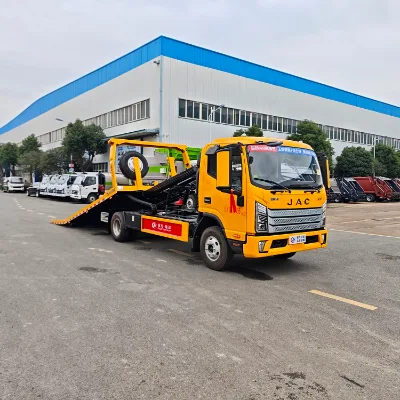


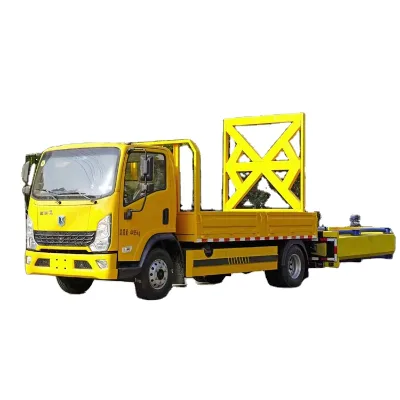


Compact Recovery Truck Tow Truck for Quick and Safe Vehicle Retrieval
$28000.00 - $30000.00
MOQ: 1 Pieces


Professional Rescue Truck for Emergency Vehicle Recovery Solutions
$76000.00 - $78000.00
MOQ: 1 Pieces

Professional Recovery Truck Designed for Quick and Safe Breakdown Support
$31000.00 - $33000.00
MOQ: 1 Pieces

Versatile Tow Truck Road Wrecker Truck for Quick Vehicle Recovery Services
$76000.00 - $78000.00
MOQ: 1 Pieces


China Brand 4X2 Flat Bed Wrecker Truck Road Rescue Vehicle Recovery Trucks
$9900.00 - $42600.00
MOQ: 1 Pieces


4X2 Flatbed Recovery Vehicle Integrated Tow Truck for Efficient Road Assistance
$9900.00 - $42600.00
MOQ: 1 Pieces


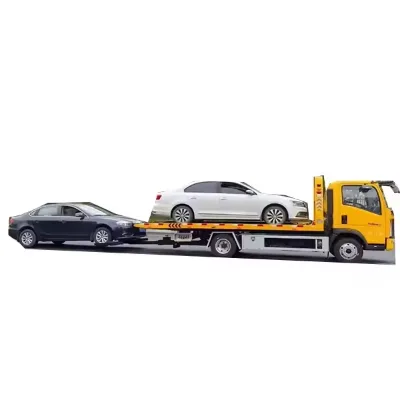
Cheap Price Manual 4x2 Road Tow Trucks Wrecker Truck Road Wrecker Tow Trucks for Sale
$12986.22 - $14122.22
MOQ: 1 units

$8700.00 - $10200.00
MOQ: 1 Pieces

$8700.00 - $10200.00
MOQ: 1 Pieces

Comprehensive Sourcing Guide
Strategic Sourcing Guide for 4x4 Road Recovery Trucks
Procuring a 4x4 Road Recovery Truck represents a significant capital investment for fleet operators, municipal authorities, and private towing companies. These specialized vehicles are engineered to handle heavy-duty recovery operations on challenging terrains where standard two-wheel-drive vehicles fail. The core requirement for a 4x4 configuration is the ability to distribute power to all four wheels, ensuring traction in mud, snow, sand, or steep inclines. When evaluating the market, buyers must navigate a complex landscape of technical specifications, regulatory compliance, and supply chain variables. This guide outlines the critical factors for sourcing these vehicles, focusing on verified attributes and industry standards without relying on unverified marketing claims.
Technical Architecture and Drive Configuration
The defining characteristic of a 4x4 Road Recovery Truck is its drivetrain architecture. Unlike standard recovery units that may rely on a single axle drive, a 4x4 system ensures that torque is delivered to both front and rear axles. This configuration is essential for vehicles operating in off-road environments or on slippery surfaces. In the context of available specifications, buyers should look for explicit mentions of "4X4" in the drive wheel attributes. The market data indicates that drive types can vary, with options ranging from 4x2 to 8x4 configurations, but the 4x4 variant is specifically required for maximum mobility.
Beyond the drive system, the chassis selection is paramount. The underlying chassis determines the vehicle's durability and load-bearing capacity. Sourcing options often include major chassis manufacturers such as Dongfeng, FAW, and HOWO. These brands provide the structural foundation upon which the recovery equipment is mounted. The payload capacity is another critical technical metric. While some units in the market may list a payload of up to 20 tons, the specific 4x4 recovery truck must be matched to the intended recovery weight. A mismatch between the truck's Gross Weight (KG) and the actual load it needs to tow can lead to catastrophic failure.
The engine specifications also play a vital role in performance. The horsepower range observed in the market spans from 150 to 250 hp. For a 4x4 recovery truck, the lower end of this spectrum may suffice for light-duty urban recovery, while the upper end is necessary for heavy-duty off-road operations. The transmission type is typically manual, offering the driver direct control over gear selection, which is crucial when maneuvering a heavy load on uneven ground. Buyers must verify that the transmission is robust enough to handle the torque generated by the engine and the resistance of the load being recovered.
Compliance, Certification, and Emission Standards
Navigating the regulatory landscape is a non-negotiable aspect of procurement. Vehicles intended for commercial use must adhere to strict emission standards and safety certifications. The market data highlights several certification types, including ISOCCC, TSEPA, EEC, RoHS, and CE. These certifications indicate that the vehicle meets specific international and regional standards for safety, environmental impact, and manufacturing quality. For instance, the presence of ISOCCC suggests compliance with specific organizational standards, while TSEPA and EEC point to environmental and European Economic Community regulations.
Emission standards are particularly critical for import and export operations. The observed data lists "Euro 3" as a specific emission standard, alongside references to "Euro Fuel:Gasoline" and "Euro Fuel:Diesel." Buyers must ensure that the vehicle they purchase meets the emission requirements of the destination country. A truck certified to Euro 3 may not be legal for operation in regions requiring Euro 5 or Euro 6 compliance. Furthermore, the fuel type must be explicitly verified. While diesel is a common fuel source for heavy-duty trucks, some listings mention gasoline. The specific fuel requirement depends on the engine design and the local availability of fuel infrastructure.
Certification documents should be treated as mandatory proof of compliance rather than optional marketing materials. The presence of multiple certifications, such as ISOCCC, TSEPA, and EEC together, suggests a higher level of regulatory adherence. However, buyers must verify that these certifications are current and applicable to the specific model number being purchased. The model numbers, such as HYS5139GYYZ3 or CLW5043TQZCDP, serve as unique identifiers that link the physical vehicle to its certification records.
Cost Drivers and Pricing Variables
The pricing for 4x4 road recovery trucks is influenced by a multitude of factors, ranging from raw material costs to the complexity of the recovery equipment. The observed price range in the market spans from $8,700 to $155,000. This wide variance reflects differences in chassis quality, engine power, recovery capacity, and the sophistication of the towing mechanisms. A unit at the lower end of the price spectrum likely features a smaller chassis, lower horsepower, and basic recovery tools, while a unit at the higher end may include advanced hydraulic systems, larger capacity, and premium branding.
The Minimum Order Quantity (MOQ) is another significant cost driver. In the current market, the observed MOQ is consistently 1 unit, allowing buyers to purchase single items without the need for bulk commitments. This flexibility is beneficial for small to medium-sized enterprises that do not require immediate fleet expansion. However, buyers should be aware that purchasing a single unit may not always attract volume discounts. The "Selling Units" attribute confirms that these vehicles are often sold as single items, which simplifies the procurement process but may impact the per-unit cost compared to bulk orders.
Additional cost factors include the packing method and shipping logistics. The market data indicates various packing options, including "Nude Packing," "Waxing," and "RO-RO" (Roll-on/Roll-off) or container shipping. The choice of packing method affects the final landed cost. Nude packing is generally the most economical but offers less protection during transit. Conversely, container shipping provides superior protection but incurs higher freight charges. The origin of the vehicle, often listed as Hubei, China, or Suizhou, China, also influences shipping costs based on the distance to the buyer's location.
Typical Applications and Operational Scenarios
The 4x4 Road Recovery Truck is designed for a diverse range of applications, from urban street recovery to remote off-road operations. The "Car Type" attribute, which includes "Bread Type," suggests versatility in body styles, though the primary function remains recovery. The "Type" attribute listing "Aerial" indicates that some units may be equipped with specialized lifting mechanisms for overhead recovery or vehicle extraction. The payload capacity of up to 20 tons allows these trucks to handle heavy vehicles, including buses, trucks, and construction equipment.
In off-road scenarios, the 4x4 configuration is indispensable. Whether navigating through mud, snow, or rocky terrain, the four-wheel drive system ensures that the recovery truck can reach the stranded vehicle and provide the necessary towing force. The "Bearing Capacity" attribute, which ranges from "Light" to "Medium" and "Small," provides insight into the operational limits of different models. Buyers must match the bearing capacity to the expected workload. A truck with "Light" bearing capacity is suitable for passenger cars, while "Medium" or "Heavy" capacity is required for commercial vehicles.
The volume of the tank, if applicable, is another consideration. Some recovery trucks are equipped with fuel tanks or hydraulic fluid reservoirs with volumes ranging from 3001 to 5000 liters. This capacity is crucial for extended operations where refueling or hydraulic fluid replenishment is necessary. The "Driving Type" options, including 4x2, 6x2, 6x4, 8x4, 8x6, and 4x4, highlight the customization available to meet specific operational needs. Buyers should select the driving type that aligns with their primary operating environment.
Supplier Evaluation and Quality Assurance
Evaluating suppliers requires a rigorous approach to ensure the reliability and longevity of the purchased equipment. The "Brand" attribute lists major manufacturers such as SINOTRUK and JAC, as well as "Forland." These brands are known for producing heavy-duty trucks, but buyers must verify that the specific model is manufactured by the brand and not a third-party assembler. The "Condition" attribute consistently lists "New," indicating that the market primarily deals in new vehicles. However, buyers should confirm the condition through physical inspection or third-party verification to avoid receiving refurbished units sold as new.
Quality control is essential for 4x4 recovery trucks, which are subjected to extreme stress during operation. The "After-Sales Service" attribute mentions "Video Technical Support," which is a valuable resource for troubleshooting and maintenance. Buyers should inquire about the availability of local service centers, spare parts inventory, and the duration of the warranty. The "prod_packing" attribute, which includes options like "Bulk Ship," "RO-RO," and "Container," also reflects the supplier's attention to detail in logistics. A supplier that offers multiple packing options demonstrates flexibility and a commitment to protecting the product during transit.
The "Place of Origin" and "prod_origin" attributes, such as Hubei, China, and Suizhou, China, provide geographical context. These regions are known for their automotive manufacturing capabilities. Buyers should verify the specific factory location to ensure it aligns with their quality expectations. The "Model Number" serves as a unique identifier that can be used to trace the production history and verify the authenticity of the vehicle. Cross-referencing the model number with the manufacturer's official database is a recommended step in the supplier evaluation process.
Long-Term Procurement and Maintenance Considerations
Long-term procurement planning involves more than just the initial purchase price; it encompasses maintenance, operational costs, and lifecycle management. The "Fuel" type, whether diesel or gasoline, directly impacts operating costs. Diesel engines are generally more fuel-efficient and durable for heavy-duty applications, making them a preferred choice for recovery trucks. The "Emission Standard" compliance also affects long-term operability, as stricter regulations may phase out older models.
Maintenance requirements are influenced by the "Condition" and "Certification" status. A new vehicle with full certifications should have a predictable maintenance schedule. However, buyers should establish a relationship with the supplier for ongoing support. The "After-Sales Service" provided, such as video technical support, is a critical component of long-term ownership. Buyers should also consider the availability of spare parts. The "prod_packing" method can influence the ease of maintenance, as proper packaging ensures that parts are not damaged during shipping.
The "Wheelbase" and "Tire Specification" are key factors in vehicle stability and performance. A wheelbase of 3380 mm and tire specifications like 245/70r16 are specific parameters that affect the truck's handling and load distribution. Buyers should ensure that these specifications meet the operational requirements of their fleet. The "Curb Weight" and "Gross Weight" figures are essential for calculating the total weight of the vehicle and its payload. These metrics must be within the legal limits of the roads where the truck will operate.
Conclusion
Sourcing a 4x4 Road Recovery Truck requires a comprehensive understanding of technical specifications, regulatory compliance, and market dynamics. The observed data highlights a range of options, from basic models to advanced units with specialized features. Buyers must carefully evaluate the drive configuration, emission standards, and certification status to ensure the vehicle meets their operational needs. The wide price range and flexible MOQs offer opportunities for various business sizes, but careful supplier evaluation is essential to mitigate risks. By focusing on verified attributes and avoiding unverified claims, buyers can make informed decisions that ensure the reliability and efficiency of their recovery fleet. The integration of technical knowledge with practical procurement strategies will lead to successful outcomes in the competitive market for heavy-duty recovery vehicles.
FAQs
What certifications do 4x4 road recovery trucks typically have?
These trucks often carry ISOCCC, TSEPA, EEC, RoHS, and CE certifications. Buyers must verify that the specific model number matches the certification records to ensure regulatory compliance for their destination region.
Which drive wheel configurations are available for recovery trucks?
Available configurations include 4x2, 6x2, 6x4, 8x4, 8x6, and 4x4. The 4x4 variant is essential for off-road traction, while other options suit specific terrain requirements and payload capacities.
How much payload capacity can these recovery trucks handle?
Some units list a payload capacity of up to 20 tons. Buyers must match the Gross Weight and Curb Weight specifications to the actual load they intend to recover to prevent mechanical failure.
Can buyers customize the chassis for these recovery trucks?
Customization is available for chassis selection, including options like Dongfeng, FAW, and HOWO. Buyers should verify that the chosen chassis supports the required horsepower and transmission type for their operations.
What is the typical price range for a 4x4 Road Recovery Truck?
The observed price range spans from 8700 to 155000 USD. Costs vary based on engine power, recovery equipment complexity, and specific model configurations like the HYS5139GYYZ3 or CLW5043TQZCDP.
Which emission standards apply to these diesel fuel trucks?
Models may meet Euro 3 standards or specific Euro Fuel:Diesel requirements. Importers must confirm the emission standard matches local regulations to ensure the vehicle is legal for operation in their target market.
What packing methods are used for shipping these trucks?
Packing options include Nude Packing, Waxing, RO-RO, and Container shipping. The choice affects the final landed cost, with container shipping offering superior protection compared to nude or bulk shipping methods.