Source Diesel Road Recovery Tow Truck for Roadside, Heavy, and Light Recovery
Compare 30 Diesel Road Recovery Tow Truck listings with varying capacities from 8T to 30T. Buyers can evaluate engine power, lifting height, and chassis models to find the right unit for roadside assistance or heavy transport tasks; compare the available evidence and request quotations based on your requirements.
Updated
Key considerations
Products List
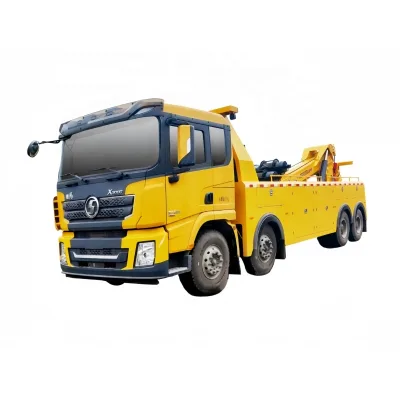
Municipal Wrecker With Diesel Engine Tow Truck 26ton Underlift Road Recovery Tow Truck
$80260.00 - $87030.00
MOQ: 1 units


Manufacture Diesel 10tons Tow Towing Recovery Wrecker 10 Wheeler Road Rescue Truck
$9500.00 - $21500.00
MOQ: 1 Pieces

|Suzu 6×4 Road-Block Removal Truck Road Recovery Wrecker Tow Truck
$18000.00 - $28600.00
MOQ: 1 Pieces
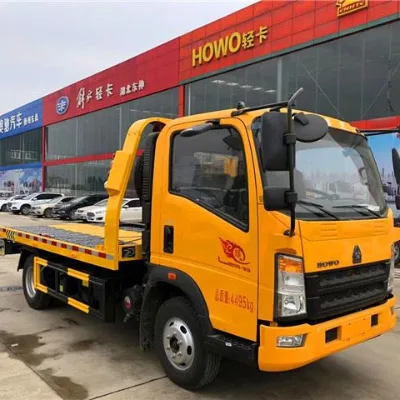
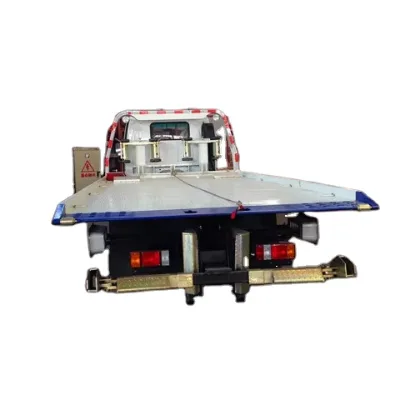
New Tow Truck Wrecker for Sale
$14500.00 - $15000.00
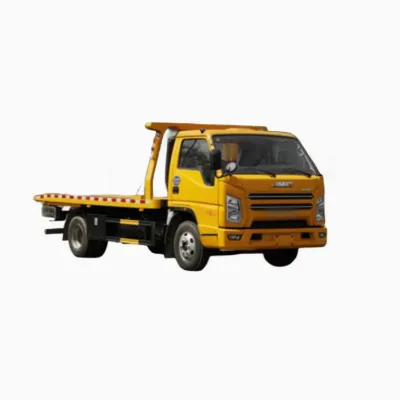
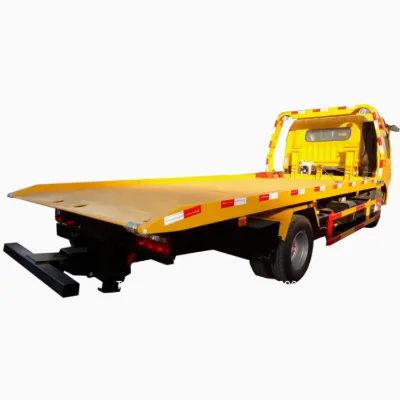
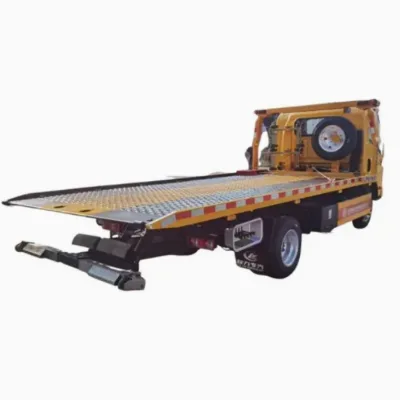
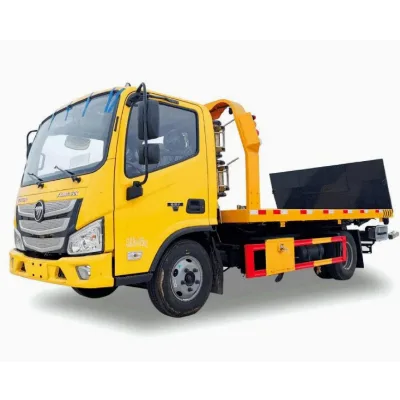
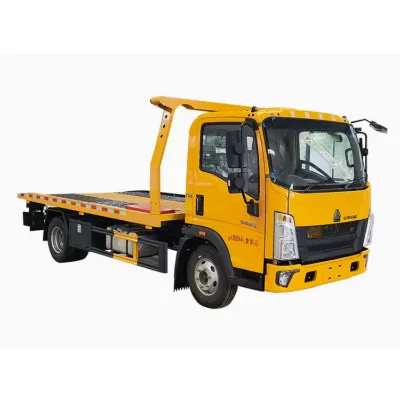
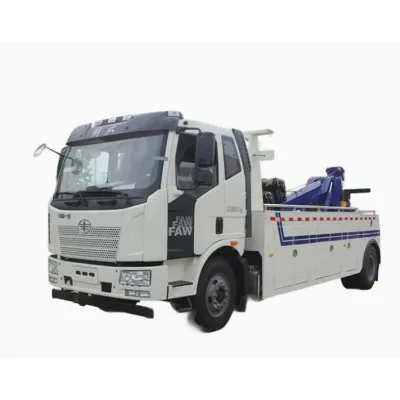
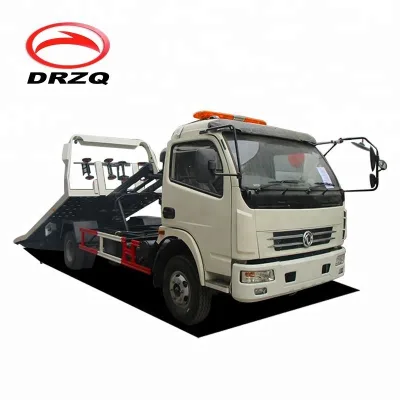
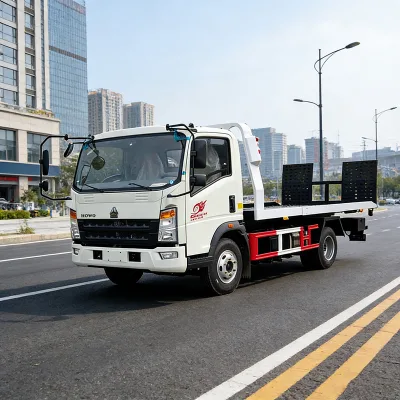
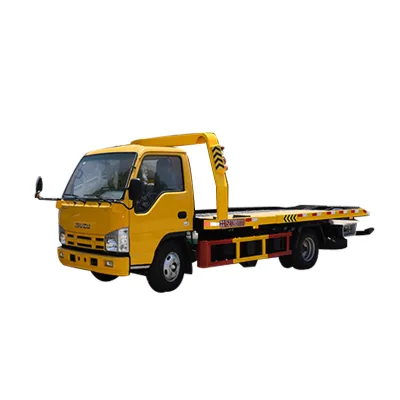
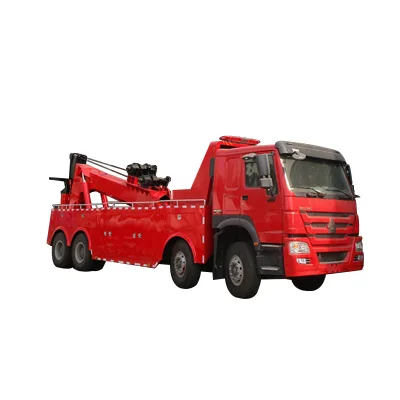
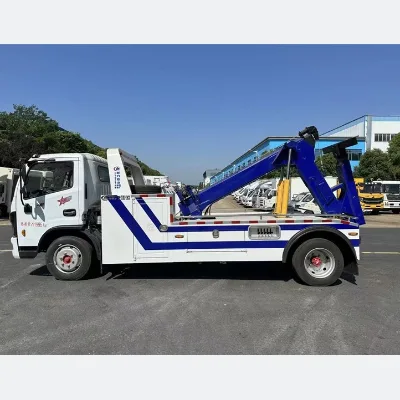
DONGFENG 4*2 Tow Trucks Winch Recovery Vehicle Tow Truck Wrecker for Broken Car Removal
$24500.00 - $26500.00
MOQ: 1 units

Wheel Lift Wrecker Tow Truck Integrated Wrecker Truck Heavy Duty Road Recovery Tow Truck
$21800.00 - $28500.00
MOQ: 1 Unit


4X2 Flatbed Tow Truck with Crane Towing Wrecker Truck for Road Recovery
$18000.00 - $38000.00
MOQ: 1 Pieces

4X2 3ton 5ton 6ton Platform Wrecker Truck Towing Truck for Road Recovery
$15000.00 - $18900.00
MOQ: 1 Pieces

4X2 Wrecker Towing Truck/Rotator Recovery Truck/Road Flatbed Tow Truck
$12800.00 - $42800.00
MOQ: 1 Pieces

10-150 Ton Rotator Wrecker Recovery Truck Tow Trucks for Urban Road Operations
$9900.00 - $42600.00
MOQ: 1 Pieces

6 Wheels Road Emergency Rescue Tow Truck Recovery Wrecker Car Carrier Trucks
$17200.00 - $25600.00
MOQ: 1 Pieces

FAW 4X2 4X4 Flatbed Tow Truck Highway Road Rescue Recovery Wrecker Truck
$9900.00 - $42600.00
MOQ: 1 Pieces

4X2 Flatbed Recovery Vehicle Integrated Tow Truck for Efficient Road Assistance
$9900.00 - $42600.00
MOQ: 1 Pieces
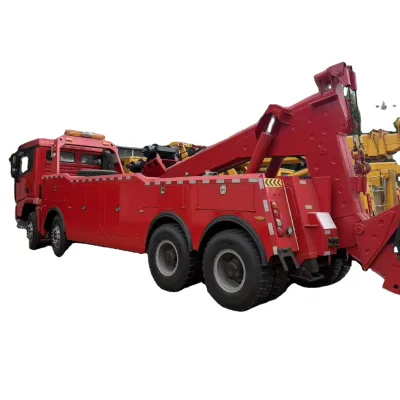
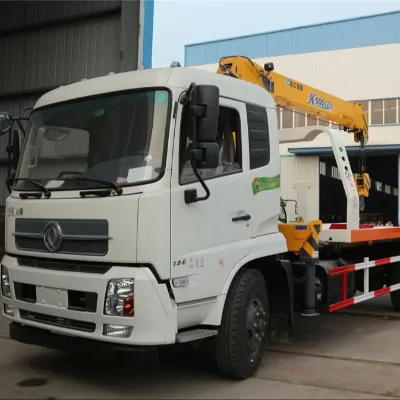
Comprehensive Sourcing Guide
Diesel Road Recovery Tow Truck Sourcing Guide
Procuring a Diesel Road Recovery Tow Truck requires careful evaluation of chassis configurations and lifting capacities to match specific operational demands. Buyers must distinguish between light, medium, and heavy-duty variants, as observed listings show towing tonnages ranging from 8T to 30T. The choice of drive type, such as 4X2 or 6X4, significantly impacts traction and stability on varied terrains. Understanding these mechanical distinctions ensures the selected vehicle can handle the intended load without compromising safety or efficiency during recovery operations.
Engine performance and transmission systems are critical determinants of long-term reliability and fuel economy. Observed data indicates engine powers around 271kW/375hp, with options for Cummins, Weichai, or Yuchai powerplants. Transmission types vary between automatic and manual, influencing driver preference and maintenance costs. Buyers should verify the specific engine model, such as WP10H375E62, and confirm compatibility with local fuel standards. Aligning powertrain specifications with expected duty cycles prevents premature wear and ensures consistent performance in demanding recovery scenarios.
Product Scope and Observed Listing Signals
The market for diesel road recovery tow trucks presents a wide spectrum of capabilities, reflected in observed price ranges from $5,000 to $87,030. This variance correlates with differences in maximum lifting mass, which can reach up to 50,000kg for heavy-duty models, while lighter units may handle 26,000kg. Minimum order quantities typically range from 1 to 5 units, offering flexibility for both individual operators and fleet expansions. Buyers should analyze these signals to determine whether a single specialized unit or a standardized fleet better suits their logistical and financial constraints.
Product attributes such as wheelbase and chassis model provide insight into the vehicle’s stability and maneuverability. For instance, a wheelbase of 1800+4575+1400mm suggests a robust design capable of handling significant weight distribution. The chassis model, such as SX1319XC6Z2, indicates the underlying platform’s engineering standards. Additionally, features like winch traction of 200kN and maximum lifting heights of 6700mm define the operational envelope. Buyers must cross-reference these specifications with their specific recovery needs to avoid under-specifying critical lifting and towing components.
Technical Specifications to Verify
Verifying the chassis and structural integrity is paramount for ensuring the tow truck can withstand repeated heavy loads. Buyers should confirm the curb weight, observed at 27,090kg, and maximum total mass of 31,000kg to ensure compliance with road regulations. The chassis model and drive configuration, such as 6X4 or 4X2, must align with the intended terrain and load requirements. Additionally, the wheelbase dimensions should be validated to guarantee stability during lifting operations, preventing tipping or structural stress on the boom and chassis.
Engine and transmission specifications require detailed scrutiny to match operational efficiency with maintenance capabilities. The engine model, such as WP10H375E62, and horsepower ratings, which may exceed 450hp in some variants, dictate performance under load. Transmission type, whether automatic or manual, affects driver workload and fuel consumption. Buyers should also verify the tire design, such as radial tires, and drive wheel configurations to ensure adequate grip and durability. Confirming these technical details prevents mismatches between vehicle capabilities and actual job site demands.
Compliance and Safety Documentation
Emission standards are a critical compliance factor, with observed listings indicating Euro standards and specific fuel types like gasoline or diesel. Buyers must verify the exact emission certification required for their target market, as non-compliance can lead to operational restrictions or fines. The listed emission standard may vary, so direct confirmation with the supplier is essential. Ensuring the vehicle meets local environmental regulations is crucial for legal operation and avoiding potential penalties during inspections or audits.
Safety certifications and documentation provide assurance of the vehicle’s structural and operational integrity. Observed certifications include ISOCCC, TSEPA, EEC, RoHS, and CE, indicating adherence to various international standards. Buyers should request valid certificates for each relevant standard, particularly those related to braking systems, lighting, and structural strength. Additionally, verifying tire certifications such as ECE, GCC, ISO, and DOT ensures that critical components meet safety benchmarks. Proper documentation reduces liability and enhances the resale value of the equipment.
Cost Drivers and Commercial Terms
Pricing for diesel road recovery tow trucks is influenced by engine power, lifting capacity, and chassis specifications. Observed prices range from $5,000 to $87,030, reflecting the diversity in model complexity and brand positioning. Buyers should consider the total cost of ownership, including fuel efficiency, maintenance intervals, and spare parts availability. Higher initial costs for robust models with advanced features like automatic transmissions or superior winch traction may offer long-term savings through reduced downtime and higher productivity.
Commercial terms such as minimum order quantity (MOQ) and payment conditions affect procurement strategy. Observed MOQs range from 1 to 5 units, allowing for flexible purchasing based on immediate needs. Buyers should negotiate clear terms regarding customization, packaging, and delivery timelines. The observed packing method, such as wood or bulk/container shipping, impacts logistics costs and protection during transit. Understanding these commercial variables helps in budgeting accurately and avoiding unexpected expenses during the procurement process.
Supplier Qualification and Quality Control
Supplier verification is essential to ensure the reliability and quality of the tow trucks. Buyers should assess the supplier’s production capabilities, quality control processes, and after-sales support. Observing the place of origin, such as Jiangsu, China, can provide context for manufacturing standards and supply chain efficiency. Requesting detailed product specifications and certification documents helps validate the supplier’s claims. Engaging with suppliers who offer customization options can also indicate their flexibility and commitment to meeting specific buyer requirements.
Quality control measures should be integrated into the procurement process to mitigate risks. Buyers should consider third-party inspections or factory audits to verify manufacturing standards and product consistency. Observing the condition of the vehicles, typically listed as new, is a baseline requirement. Additionally, verifying the brand name and model numbers ensures authenticity and traceability. Establishing clear communication channels for technical support and warranty claims is crucial for maintaining operational continuity and addressing any post-purchase issues effectively.
Long-Term Procurement Checks
Long-term success in procuring diesel road recovery tow trucks depends on ongoing performance monitoring and supplier relationship management. Buyers should track key performance indicators such as fuel consumption, maintenance frequency, and repair costs to evaluate the vehicle’s efficiency. Regularly reviewing the supplier’s responsiveness to service requests and parts availability ensures sustained operational support. Building a strong partnership with reliable suppliers can lead to better pricing, priority service, and access to new technologies or models.
Continuous compliance and safety audits are necessary to adapt to changing regulations and operational demands. Buyers should stay informed about updates to emission standards and safety certifications, ensuring their fleet remains compliant. Periodic reviews of tire wear, brake performance, and structural integrity help prevent accidents and extend the vehicle’s lifespan. By maintaining a proactive approach to procurement and maintenance, buyers can optimize their fleet’s performance, reduce downtime, and achieve a higher return on investment over the long term.
FAQs
What is the maximum lifting mass of the boom?
The maximum lifting mass of the boom is 50000kg. This heavy-duty capacity supports large vehicle recovery operations. The chassis model SX1319XC6Z2 provides a robust foundation for these loads. The engine power reaches 271kW, ensuring sufficient torque for demanding lifting tasks in various field conditions.
Can the diesel tow truck be customized for specific needs?
Yes, customization is available for this Diesel Road Recovery Tow Truck. Buyers can specify options for engine brands like Cummins, Weichai, or Yuchai. The drive type can be selected as 4X2 or 6X4. This flexibility allows operators to tailor the vehicle to their specific operational requirements and regional regulations.
What is the curb weight and maximum total mass?
The curb weight is 27090kg, while the maximum total mass is 31000kg. This weight distribution ensures stability during towing and recovery. The wheelbase measures 1800+4575+1400mm, providing a balanced chassis. These specifications are critical for compliance with road weight limits and safe operation on various terrains.
Which certifications apply to this recovery truck?
Certifications include ISOCCC, TSEPA, EEC, RoHS, and CE. These standards verify compliance with international quality and environmental regulations. The emission standard is noted as Euro, though specific details require direct inquiry. Buyers should verify the exact certification suite needed for their target market before finalizing procurement.
What is the maximum lifting height of the boom?
The maximum lifting height of the boom is 6700mm. This height allows for effective recovery of high-profile vehicles. The winches traction is rated at 200kN, providing strong pulling power. Combined with the 271kW engine, the system ensures reliable performance for complex recovery scenarios requiring significant vertical reach.
How is the truck packaged for shipping?
The truck is packaged in wood or shipped in bulk or in container with wax polishing. This protective packaging ensures the vehicle arrives without damage during transit. The single package size details are available upon request. Proper packing is essential for maintaining the new condition of the vehicle during international shipping logistics.