Source 8L Insulated Breastmilk Cooler Bag for Travel, Storage, and Pumping
Find 30 options for the 8L Insulated Breastmilk Cooler Bag from verified Chinese manufacturers. Compare designs, dimensions, and customization features for breast pump accessories.
Key considerations
Products List


Breastmilk Cooler Ice Pack Insulated Bottle Baby Feeding Travel Tote Bag
$6.99 - $8.99
MOQ: 500 Pieces

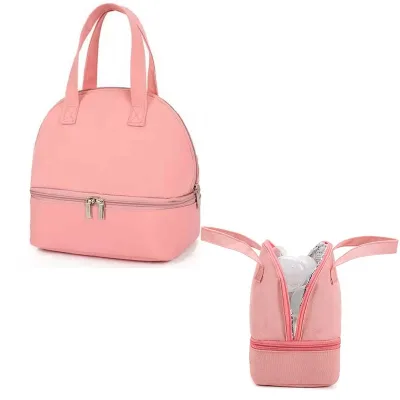
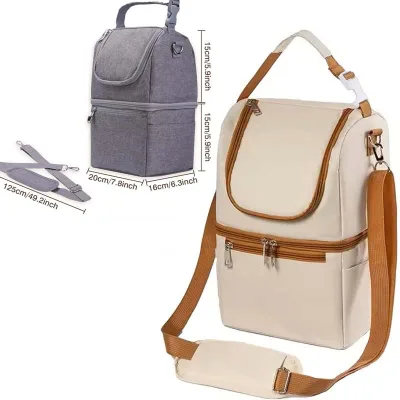

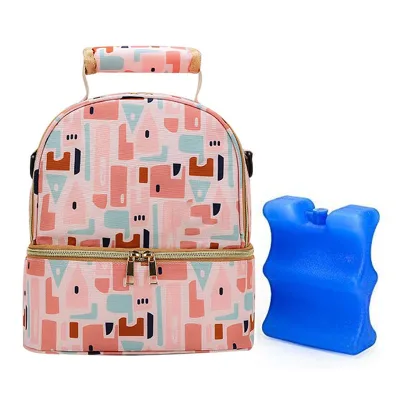
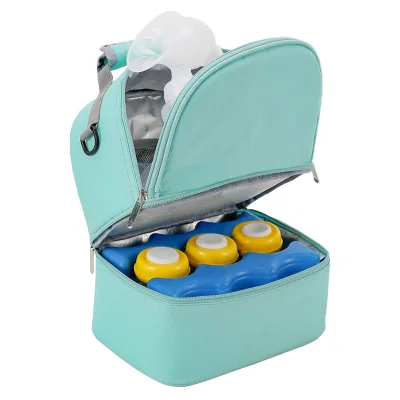


Thickened Bottle Insulation Bag Milk Cooler Ice Bag Insulated Cooler Bag
$0.15 - $0.20
MOQ: 20000 Pieces
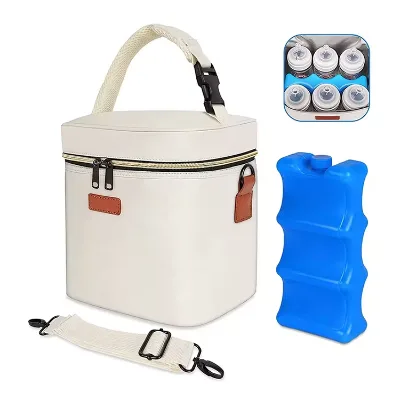


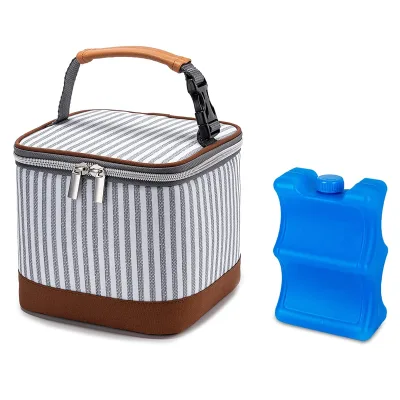
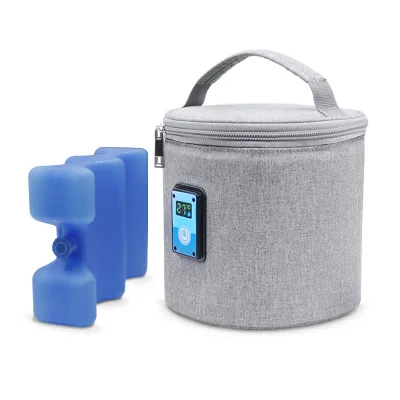


Cooler Bag with Shoulder Fits 6 Baby Bottles up to 9 Ounce Insulated Bottle Bag
$2.99 - $6.89
MOQ: 500 Pieces


Comprehensive Sourcing Guide
Strategic Sourcing Guide for 8L Insulated Breastmilk Cooler Bags
Understanding Product Specifications and Design Variations
When sourcing an 8-liter insulated breastmilk cooler bag, buyers must first navigate the diverse landscape of product specifications available in the global market. The core requirement of an 8-liter capacity implies a specific internal volume designed to hold multiple milk storage bottles, ice packs, and potentially personal items for nursing mothers. However, the external dimensions and structural design vary significantly based on the manufacturer's approach to portability and utility.
Based on observed market data, the physical attributes of these bags are not uniform. Some models are designed as hand-held units, prioritizing ease of carrying in a single hand, while others feature single-shoulder or double-shoulder strap configurations to distribute weight more evenly. The dimensions observed in current listings range from compact profiles to larger structures, with specific examples showing external measurements such as 35.5 x 23 x 22.3 cm or metric equivalents like 15 x 1 x 7 inches. It is critical for buyers to distinguish between the internal capacity (8L) and the external footprint, as a bag labeled with an 8L capacity may have external dimensions that differ from a standard 15-inch model.
The material composition is another pivotal specification. The majority of products in this category utilize 100% polyester or high-density polyester fabrics. This material choice is driven by the need for durability, washability, and the ability to support insulation layers. The fabric must be robust enough to withstand the rigors of daily transport while maintaining the integrity of the thermal lining. Some listings indicate a "thickened" construction, suggesting multiple layers of material to enhance insulation performance. Buyers should verify the specific layer count and the type of insulation material used, as these factors directly influence the bag's ability to maintain a safe temperature for breastmilk over extended periods.
| Design Attribute | Observed Variations | Procurement Consideration |
|---|---|---|
| Carrying Style | Hand-Held, Single Shoulder, Double Shoulder | Evaluate based on user mobility needs and load weight. |
| Material | 100% Polyester, Thickened Polyester | Verify fabric density and insulation layer thickness. |
| Dimensions | 35.5x23x22.3cm, 15x1x7in, Custom | Confirm internal volume matches the 8L requirement. |
| Waterproofing | Waterproof, Water-Resistant | Essential for protecting contents from spills and moisture. |
| Style | Simple, European Style | Aligns with brand identity and target demographic preferences. |
Technical Compliance and Certification Verification
In the realm of baby care products, technical compliance and safety certifications are paramount. While the supplied product data does not explicitly list specific certification bodies like ISO 27001 for all items, the industry standard for food-contact materials and child safety requires rigorous verification. Buyers must understand that the absence of a visible certification on a product page does not confirm compliance; rather, it necessitates a proactive request for documentation.
The primary technical concern for an insulated breastmilk cooler bag is the safety of the materials in contact with food. The polyester fabric and the internal lining must be free from harmful chemicals such as BPA, phthalates, and lead. Although the product descriptions often highlight features like "waterproof" and "easy to carry," these are functional attributes rather than safety guarantees. Buyers should request a Declaration of Conformity (DoC) or a test report from an accredited third-party laboratory that specifically addresses food-contact safety standards relevant to the destination market, such as FDA regulations in the United States or EN standards in Europe.
Furthermore, the insulation material itself requires scrutiny. The bag must maintain a temperature range that prevents bacterial growth in breastmilk, typically keeping contents below 4°C (40°F) for a specified duration. While specific thermal test results are not provided in the general product listings, buyers should ask suppliers for data regarding the duration of temperature retention under various ambient conditions. This is a critical performance metric that cannot be assumed based on the "insulated" label alone. Additionally, the structural integrity of the zippers and seams must be verified to ensure they do not leak or fail under the weight of the contents, which could compromise the thermal environment.
Cost Drivers and Pricing Dynamics
The pricing of an 8-liter insulated breastmilk cooler bag is influenced by a complex interplay of material costs, customization requirements, and order volume. The observed price range in the market spans from approximately $0.15 to $10.50 USD per unit, a wide variance that reflects differences in quality, features, and order quantity. The lower end of this spectrum typically corresponds to basic models with minimal customization, standard polyester materials, and high-volume production runs. Conversely, the higher price points are associated with premium materials, complex designs, extensive branding, and smaller order quantities.
One of the most significant cost drivers is the level of customization. The market data indicates that "Customized Logo" and "OEM/ODM" services are widely available. Implementing custom printing, embroidery, or unique color schemes adds to the unit cost due to setup fees and the need for specialized production lines. Buyers must balance the desire for brand visibility with the budget constraints of the project. Additionally, the packaging requirements can impact the final cost. Some suppliers offer standard export cartons, while others provide specialized packaging, such as "5 Layers AA Thickened Carton Box" or individual polybagging, which adds to the material and labor expenses.
The Minimum Order Quantity (MOQ) is another critical factor affecting the unit price. The observed MOQ range varies from 100 to 20,000 pieces, with a common baseline of 300 pieces for many suppliers. Higher order volumes generally result in a lower cost per unit due to economies of scale in material purchasing and production efficiency. However, buyers with smaller budget constraints or those testing a new market may find the lower MOQ options more accessible, albeit at a higher per-unit cost. It is essential for buyers to calculate the total landed cost, including shipping and duties, rather than focusing solely on the ex-factory price, as the FOB Xiamen terms observed in the data indicate that shipping costs are separate from the product price.
Typical Applications and Usage Scenarios
The primary application of an 8-liter insulated breastmilk cooler bag is the safe transport of expressed breastmilk for working mothers, traveling families, and caregivers. The 8-liter capacity is specifically designed to accommodate multiple storage bottles, ice packs, and personal items, making it suitable for full-day outings or extended travel. The "Breast Pump Accessories" classification in the product data underscores its role as a complementary tool for lactation management, ensuring that milk remains at a safe temperature from the time of expression until it is stored or fed.
Beyond the core function of milk transport, these bags serve as versatile storage solutions for other perishable items. The waterproof and insulated properties make them ideal for carrying snacks, baby food, or medications that require temperature control. The "Simple" and "European Style" design variations suggest that these bags are also intended to be aesthetically pleasing, serving as a fashion accessory for parents who value style alongside functionality. The "Easy for Carry" feature is particularly relevant for mothers who need to navigate airports, public transportation, or busy urban environments with limited hands-free options.
The versatility of the design is further enhanced by the availability of different carrying styles. Hand-held models are suitable for short trips or quick errands, while single-shoulder and double-shoulder designs offer better weight distribution for longer journeys. The "Double Shoulder" configuration, in particular, is advantageous for parents carrying heavy loads, such as multiple bottles and a diaper bag, as it reduces strain on the shoulder and back. The ability to customize the bag with a logo also makes it a popular choice for corporate gifting, baby shower favors, or promotional items for pediatric clinics and lactation consultants.
Supplier Evaluation and Operational Capabilities
Evaluating a supplier for an 8-liter insulated breastmilk cooler bag requires a comprehensive assessment of their operational capabilities, production capacity, and commitment to quality. The supply chain for these products is heavily concentrated in China, with Xiamen identified as a primary port of loading. This geographic concentration suggests a mature supply chain with established logistics networks, but it also necessitates careful due diligence to ensure the supplier can meet specific delivery timelines and quality standards.
Key operational metrics to evaluate include the sample lead time and the production lead time. The observed data indicates a sample lead time of approximately 7-10 days, which is a standard timeframe for prototyping and customization. However, the production lead time is significantly longer, ranging from 45 to 60 days after receiving the deposit. This extended timeline is typical for OEM/ODM orders involving customization and mass production. Buyers must factor this lead time into their inventory planning to avoid stockouts, especially if the product is intended for seasonal peaks or specific marketing campaigns.
Payment terms are another critical aspect of supplier evaluation. The standard payment term observed is T/T (Telegraphic Transfer), which is a common practice in international trade. Buyers should negotiate clear terms regarding the deposit percentage and the timing of the final payment. Additionally, the supplier's ability to handle customization is a key differentiator. The availability of "Customized Logo" and "OEM/ODM" services indicates that the supplier is equipped to handle branding requirements. However, buyers should verify the supplier's capacity to manage complex design changes without compromising production schedules or quality.
Quality Control and Long-Term Procurement Strategy
Implementing a robust quality control (QC) strategy is essential for ensuring that the 8-liter insulated breastmilk cooler bags meet the required standards for safety and performance. Given the wide variance in product attributes observed in the market, buyers cannot rely solely on the supplier's self-reported specifications. Instead, a proactive QC approach is necessary. This includes conducting pre-production sample approvals, in-process inspections, and final random inspections before shipment.
The QC process should focus on verifying the material composition, stitching quality, zipper functionality, and insulation performance. Buyers should request physical samples to test the waterproofing capabilities and the ability to maintain temperature over time. It is also crucial to verify the accuracy of the dimensions and the internal capacity to ensure the bag truly meets the 8-liter requirement. Any discrepancies between the ordered specifications and the delivered product can lead to customer dissatisfaction and potential returns, which can be costly and damaging to brand reputation.
For long-term procurement, buyers should consider building a strategic partnership with a reliable supplier. This involves establishing clear communication channels, agreeing on consistent quality standards, and potentially negotiating volume-based pricing tiers. The "Warmly Welcomed" attitude toward OEM/ODM services suggests that many suppliers are open to long-term collaborations. By maintaining a consistent order volume and providing clear feedback on product performance, buyers can secure better pricing, priority production scheduling, and improved service levels. Additionally, staying informed about industry trends and technological advancements in insulation materials can help buyers continuously improve their product offerings and maintain a competitive edge in the market.
In conclusion, sourcing an 8-liter insulated breastmilk cooler bag requires a balanced approach that considers technical specifications, compliance requirements, cost dynamics, and supplier capabilities. By adhering to a disciplined procurement strategy and leveraging the available market data, buyers can secure high-quality products that meet the needs of their customers while maintaining operational efficiency and cost-effectiveness.
FAQs
What materials are used for 8l insulated breastmilk cooler bags?
These bags are primarily constructed from 100% polyester fabric to ensure durability and washability. Some models feature thickened multi-layer construction to enhance insulation performance while maintaining a waterproof exterior for content protection.
Can I customize the logo on an 8L Insulated Breastmilk Cooler Bag?
Yes, customized logos are widely available for these products through OEM and ODM services. Buyers can request specific branding designs, though this customization may influence the final unit cost and production timeline.
How long does production take for a custom 8L Insulated Breastmilk Cooler Bag?
Production typically requires 45 to 60 days after the deposit is received. Sample creation is faster, usually taking about 7 to 10 days, allowing buyers to verify quality before full-scale manufacturing begins.
Which carrying styles are available for 8l insulated breastmilk cooler bags?
Available designs include hand-held, single-shoulder, and double-shoulder configurations to suit different mobility needs. The choice depends on whether the user prioritizes compact carrying or weight distribution for heavier loads.
What is the minimum order quantity for 8l insulated breastmilk cooler bags?
The minimum order quantity varies by supplier, with observed ranges starting from 100 pieces up to 300 or more. Higher volumes generally secure better pricing, while lower MOQs allow for smaller initial test orders.
Where are 8l insulated breastmilk cooler bags typically shipped from?
Most products originate from China, with Xiamen serving as the primary port of loading. Shipping terms are often quoted as FOB Xiamen, meaning the buyer is responsible for freight costs from that specific location.