Source 8x19w-Iwrc Elevator Wire Rope for Construction, Mining, and Lifting
Find and compare 30 listings for 8x19w-Iwrc Elevator Wire Rope tailored for construction, coal mining, and elevator applications. Evaluate options featuring carbon steel construction, ISO certifications, and various tensile strengths to match your specific industrial requirements.
Key considerations
Products List


Elevator Electrical Galvanized Steel Wire Ropes Cables Wire Rod 8X19W+Iwrc
$1030.00 - $2400.00
MOQ: 5 Tons

Elevator Electrical Galvanized Steel Wire Ropes Cables Wire Rod 8X19s+Iwrc
$1010.00 - $2400.00
MOQ: 5 Tons




Comprehensive Sourcing Guide
8x19w-Iwrc Elevator Wire Rope Sourcing Guide
The 8x19w IWRC configuration represents a specialized class of wire rope designed for high-stress vertical transportation applications, where the balance between flexibility and structural integrity is critical. In the context of elevator systems, this specific construction utilizes a wire rope core (IWRC) to provide superior resistance to crushing and heat, ensuring stability under the dynamic loads of passenger and freight elevators. Buyers must recognize that while the "8x19" designation indicates the strand construction, the "w" often implies a specific wire arrangement that enhances surface contact and fatigue resistance, making it suitable for the repetitive bending cycles found in elevator sheaves and drums.
Procurement of this component requires a disciplined approach to distinguishing between general-purpose hoisting ropes and those engineered specifically for elevator safety systems. The observed market data indicates that products in this category are frequently sourced from manufacturing hubs in China, with specific origins noted in regions like Nantong, reflecting a concentration of specialized steel processing capabilities. Sourcing decisions should prioritize suppliers who can demonstrate a clear lineage of production for elevator-grade ropes, as the margin for error in vertical lift applications is negligible and the consequences of failure are severe.
Product Scope and Observed Listing Signals
When evaluating product listings, buyers should look for specific construction identifiers such as "8x19s+iwrc" or "WR-006ZYG8X19S+IWRC" to confirm the exact strand geometry and core type. The observed inventory signals a wide variance in product attributes, ranging from carbon steel compositions to alloy variants, which directly impacts the rope's tensile strength and suitability for different elevator speeds and load capacities. It is essential to verify that the listed "Application" field explicitly mentions "Elevator" or "Driving System" rather than generic terms like "Construction" or "Coal Mining," as the latter often implies different safety factors and wear characteristics.
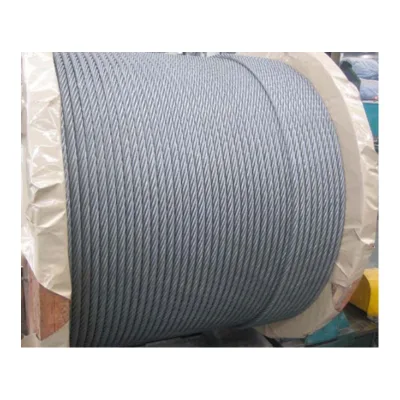
The physical specifications and packaging methods observed in the market provide early indicators of a supplier's attention to detail and logistical readiness. Listings frequently cite packing options such as "Ply Wood Wheels," "Iron Wheels," or "Plastic Reels," which are critical for preventing kinking and corrosion during transit to the installation site. Buyers must cross-reference these packaging details with the rope's diameter, as the observed standard ranges from 6mm to 44mm, and ensure that the supplier's packaging solution is robust enough to maintain the rope's integrity until it is ready for installation in the elevator shaft.
Technical Specifications to Verify
The tensile strength of the wire rope is a primary technical parameter that must be verified against the specific requirements of the elevator's drive system. Market observations indicate tensile strength values ranging from 1570MPa to 1960MPa, with some specifications noting a nominal tensile strength of 1770N/mm². Procurement teams must confirm that the selected rope's strength rating aligns with the calculated safety factors for the intended lift speed, which can vary between 1.00m/s and 2.00m/s, to prevent premature failure under maximum load conditions.
Beyond strength, the coating and surface treatment of the rope are vital for longevity and performance in the elevator environment. While some listings specify "Ungalvanized" or "Oiled" finishes, others may offer "Copper Coated" options, each serving different purposes regarding friction reduction and corrosion resistance. Buyers should verify the "Lay" direction, such as R.H.R.L (Right Hand Regular Lay) or L.H.R.L, to ensure compatibility with the elevator drum's winding pattern, and confirm the core type, whether Steel Core or Fiber Core, as this dictates the rope's resistance to elongation and crushing forces.
Compliance and Safety Documentation
Safety documentation for elevator wire ropes must align with a rigorous set of international and regional standards to ensure compliance with local building codes. The observed product data references a broad spectrum of standards including AISI, BS, JIS, DIN, GB, ASTM, and ISO, indicating that suppliers must be capable of certifying their products against multiple regulatory frameworks. Buyers should explicitly request test reports that verify the rope's adherence to these standards, particularly those related to elevator safety, rather than relying on general manufacturing certifications alone.
Certification status is a critical component of the procurement process, with ISO and CE marks frequently appearing in product listings as indicators of quality management and safety compliance. However, the presence of a certification mark does not automatically guarantee that a specific batch of rope meets the stringent requirements for elevator applications. Procurement teams must verify that the specific certification covers the elevator wire rope category and request documentation proving that the product has undergone the necessary third-party testing for load capacity, which is observed to reach up to 2000kg in some configurations.
Cost Drivers and Commercial Terms
The cost of 8x19w-Iwrc Elevator Wire Rope is heavily influenced by the raw material composition, specifically the distinction between carbon steel and alloy steel variants. Alloy ropes generally command a higher price point due to enhanced mechanical properties, while carbon steel options offer a cost-effective solution for standard applications. Buyers should analyze the price range observed in the market, which spans from $0.15 to $3500, understanding that the final cost is a function of diameter, length, and the specific tensile strength required for the project.
Commercial terms, including Minimum Order Quantity (MOQ) and lead times, vary significantly across suppliers and must be negotiated based on the project timeline. The observed MOQ range extends from 1 unit to 5000 units, suggesting that suppliers cater to both small-scale maintenance projects and large-scale new construction installations. Procurement strategies should account for these thresholds, as ordering below the MOQ may result in premium pricing or extended lead times, while bulk orders might offer volume discounts but require careful inventory management to prevent storage-related degradation.
Supplier Qualification and Quality Control
Supplier qualification for elevator components requires a deep dive into their manufacturing capabilities and processing services. The observed data highlights that capable suppliers offer a range of processing services including bending, welding, punching, decoiling, and cutting, which are essential for customizing the rope to fit specific elevator sheave geometries. Buyers should verify that the supplier has the in-house equipment to perform these services without compromising the structural integrity of the wire rope, as improper processing can introduce stress points that lead to early failure.
Quality control protocols must be robust enough to ensure that every batch of rope meets the strict performance criteria of the elevator industry. Suppliers should demonstrate a commitment to surface quality, with observations noting "Smooth" finishes and specific coating processes like "Ungalvanized" or "Oiled" treatments. It is imperative to request evidence of their quality control procedures, including how they handle customization requests and ensure that the final product matches the specified model numbers and standard requirements, such as GB/T or DIN, before shipment.
Long-Term Procurement Checks
Establishing a long-term procurement relationship for elevator wire ropes involves regular audits of the supplier's ability to maintain consistent quality and supply continuity. Buyers should implement a schedule for periodic re-verification of the supplier's certifications, ensuring that their ISO and CE statuses remain current and that they continue to adhere to the relevant standards for elevator safety. This proactive approach helps mitigate the risk of supply chain disruptions and ensures that replacement parts are always available when needed for maintenance or emergency repairs.
Performance monitoring of the installed wire ropes is equally critical for long-term safety and operational efficiency. Procurement teams should track the service life of the ropes against the manufacturer's specifications and industry benchmarks, noting any deviations in wear patterns or tensile strength loss. By maintaining detailed records of installation dates, load cycles, and inspection results, buyers can make data-driven decisions regarding replacement schedules, ensuring that the elevator system remains compliant with safety regulations and operates reliably over its intended lifespan.
FAQs
What is the construction of 8x19w-Iwrc Elevator Wire Rope?
The construction is 8x19s+IWRC, featuring eight strands with a independent wire rope core. This design provides high strength and flexibility, making it suitable for elevator applications. The wire rope is typically made from carbon steel and can be galvanized or oiled. It meets standards such as GB/T, DIN, and ISO for quality assurance.
Can 8x19w-Iwrc Elevator Wire Rope be customized?
Yes, customization is available for these wire ropes. Buyers can specify dimensions, coatings, and packaging options. The product supports various processing services like bending, cutting, and welding. Packaging can be arranged on plywood reels, plastic reels, or wooden cases to meet specific logistical needs.
What certifications do 8x19w iwrc elevator wire ropes have?
These wire ropes typically hold ISO and CE certifications. They adhere to international standards including AISI, BS, JIS, DIN, and GB. The manufacturing process ensures compliance with quality management systems. Buyers should verify specific certification documents with suppliers to ensure they meet local regulatory requirements for elevator installations.
What is the tensile strength of 8x19w-Iwrc Elevator Wire Rope?
The tensile strength ranges from 1570MPa to 1960MPa. This high strength ensures durability and safety in elevator lifting systems. The nominal tensile strength is often rated at 1770N/mm2. This performance level is critical for handling heavy loads and maintaining structural integrity under stress.
Where are 8x19w iwrc elevator wire ropes manufactured?
These products are primarily manufactured in China, with specific origins in Nantong. The manufacturing facilities utilize advanced techniques like galvanization and copper coating. Buyers can source directly from these regions to access competitive pricing and reliable supply chains. Lead times and MOQs vary by supplier.
What are the packaging options for 8x19w-Iwrc Elevator Wire Rope?
Packaging options include plywood reels, plastic reels, and wooden cases. Some suppliers offer iron wheels or cardboard packaging. The standard packing size is often 60x60x60cm. Custom packaging requests are accepted to protect the wire rope during transit and storage, ensuring it remains undamaged upon arrival.