Source Invisible V-Shaped Facial Lifting Patch for Beauty Care, Skin Care, and Face Slimming
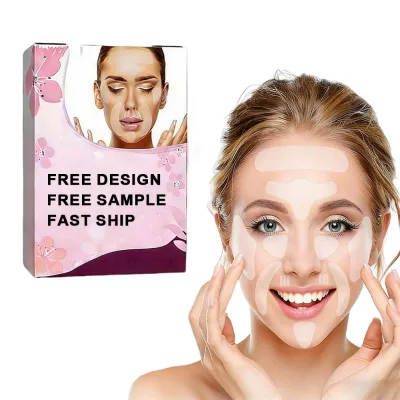
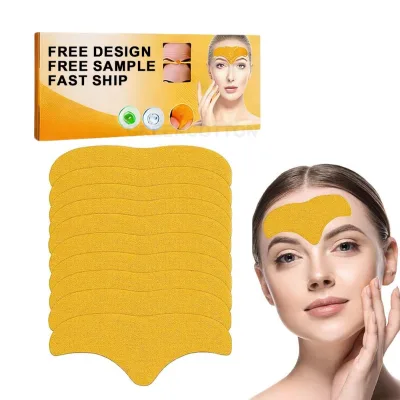
Explore 30 listings for the Invisible V-Shaped Facial Lifting Patch designed for beauty care, skin care, and face slimming applications. Buyers can compare specifications, materials like TPU and PET film, and customization options from suppliers in China.
Key considerations
Products List

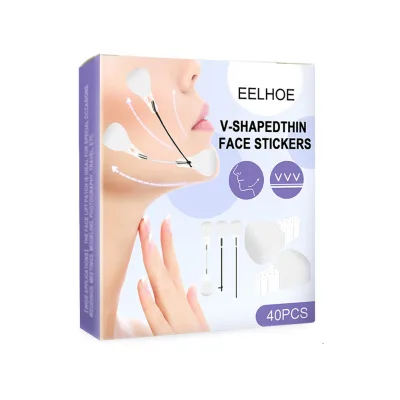
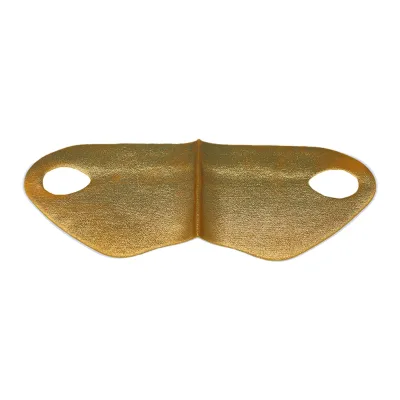
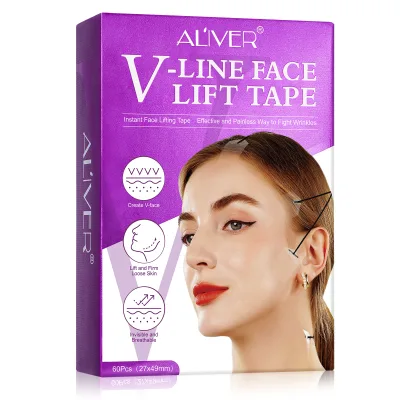
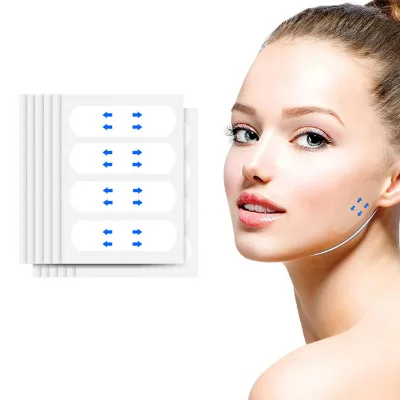
Invisible Thin Face Sticker Lift V Shape Secret Tapes Face Lifting Patch
$0.10 - $0.95
MOQ: 100 Pieces

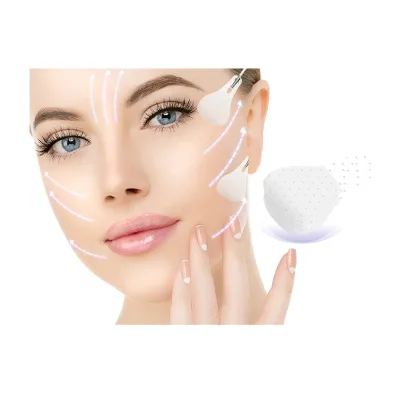
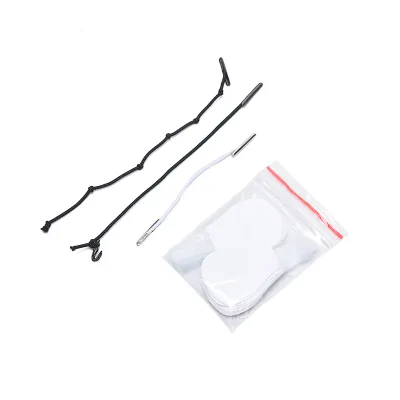
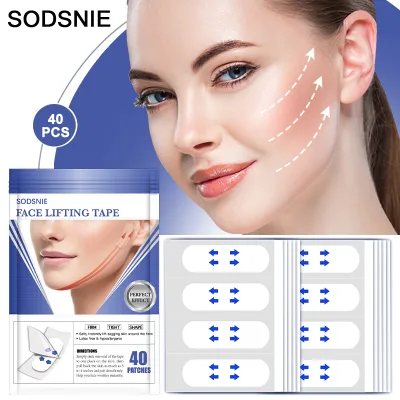
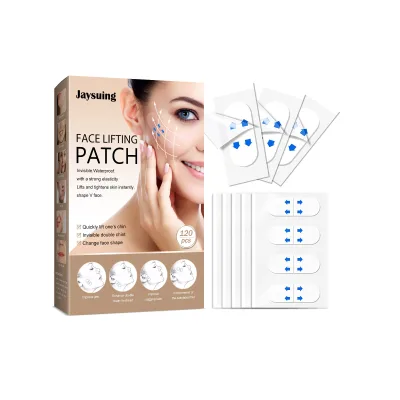
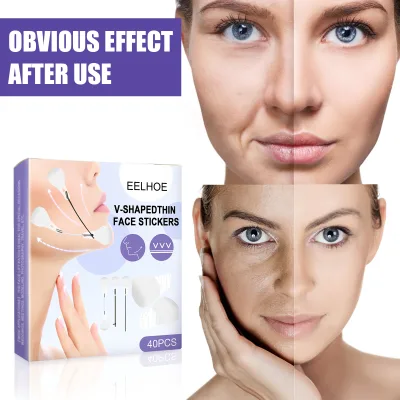


Brightening Invisible Facial Lifting Patch Tightening Fine Lines V-Shape Daily Care
$0.02 - $0.02
MOQ: 20000 Pieces


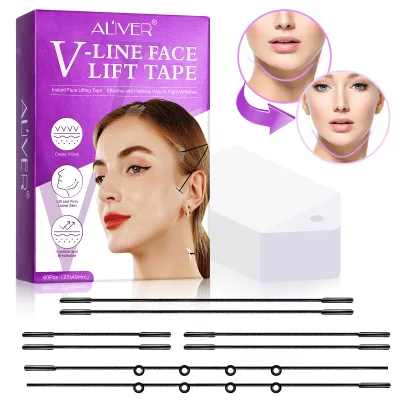
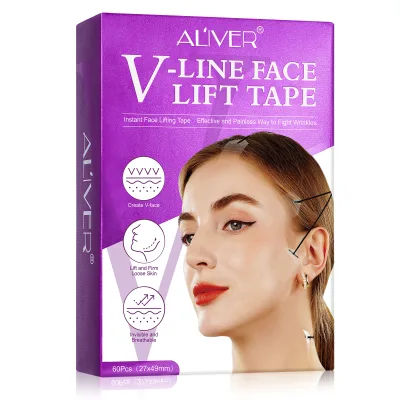
Skin Care Pre-Cut Lifting Patch Invisible Neck Tightening Tape for Wrinkles
$0.07 - $0.08
MOQ: 5000 Pieces





Comprehensive Sourcing Guide
Invisible V-Shaped Facial Lifting Patch Sourcing Guide
Procuring invisible V-shaped facial lifting patches requires a nuanced understanding of both the cosmetic mechanics and the supply chain realities of adhesive beauty tools. These products are designed to provide temporary structural support to the jawline and neck, offering a non-invasive alternative to surgical procedures for consumers seeking immediate aesthetic improvements. Buyers must navigate a market where product efficacy is heavily dependent on material science, specifically the balance between tensile strength and skin compatibility. The sourcing process involves evaluating suppliers who can deliver consistent adhesive performance while maintaining the discreet, transparent appearance that defines this category.
The global demand for such beauty tools is driven by the growing consumer preference for quick, at-home cosmetic solutions. However, the B2B landscape is fragmented, with manufacturers ranging from small workshops to large-scale production facilities in China. Sourcing guides must emphasize the importance of verifying the specific formulation of the adhesive and the durability of the film material. Buyers need to ensure that the products they source meet the functional expectations of end-users, particularly regarding longevity and invisibility under makeup or natural lighting conditions.
Product Scope and Observed Listing Signals
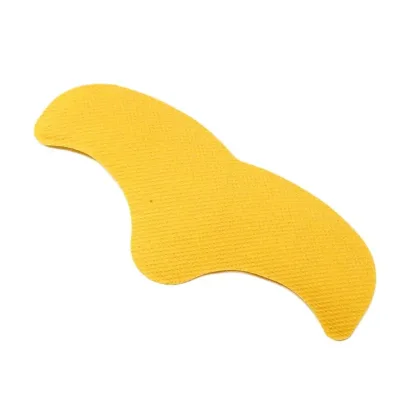
The current market landscape for invisible V-shaped facial lifting patches reveals a diverse array of product variations, primarily distinguished by material composition and packaging. Observed listings indicate that products are commonly manufactured using materials such as TPU and PET film, each offering distinct properties in terms of flexibility and transparency. TPU variants often provide a softer, more skin-conforming feel, while PET film options may offer greater structural rigidity for stronger lifting effects. Buyers should carefully review the material specifications provided by suppliers, as these directly impact the user experience and the product’s ability to remain undetectable on the skin.
Packaging and branding strategies also vary significantly across suppliers, reflecting different target markets and price points. Some manufacturers offer standard OPP bag packaging, which is cost-effective for bulk distribution, while others provide customized color box packaging that enhances retail appeal. The presence of OEM/ODM capabilities is a common feature among suppliers, allowing buyers to create private-label products that align with their brand identity. Additionally, observed listings show a wide range of model numbers and product names, such as "Face Lift Tape Invisible" or "Top selling V-shaped facial Invisible lifter," indicating that buyers must rely on detailed technical descriptions rather than generic titles to identify the exact product specifications they require.
Technical Specifications to Verify
When evaluating technical specifications, the single package dimensions and gross weight are critical factors for logistics planning and cost estimation. Observed data shows that single package sizes can vary from compact dimensions like 7x7x5 cm to slightly larger formats such as 10x8x2 cm, with corresponding gross weights ranging from 0.040 kg to 2.0 kg. These variations can significantly impact shipping costs, especially for air freight, so buyers must request precise dimensional data for each SKU. Understanding the weight and volume of the final packaged product allows for more accurate freight calculations and helps in designing efficient storage and display solutions for retail partners.
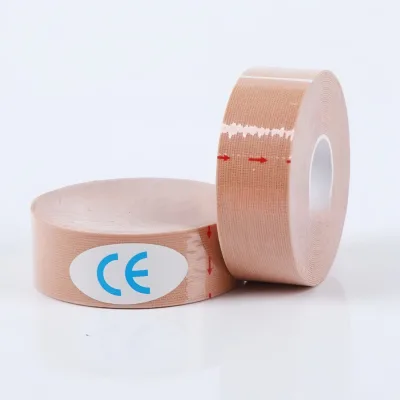
The functional attributes of the lifting patches, including their breathability, color, and shelf life, are equally important for product performance. Most observed products are described as transparent or white, with breathability being a key feature to ensure skin comfort during extended wear. Buyers should verify the shelf life, which is typically listed as three years, to ensure inventory turnover aligns with product stability. Furthermore, the form factor, whether described as stickers, tapes, or patches, should be matched with the intended application method. Clear communication with suppliers regarding these technical details ensures that the final product meets the functional requirements of the end-user, particularly in terms of adhesion strength and visual discretion.
Compliance and Safety Documentation
Compliance with international standards is a non-negotiable aspect of sourcing beauty care products, particularly those that come into direct contact with the skin. Suppliers often cite certifications such as CE, MSDS, and ISO 9001, which indicate adherence to quality management systems and safety standards. However, buyers must verify the validity and scope of these certifications, ensuring they cover the specific manufacturing processes and materials used in the production of the lifting patches. It is essential to request copies of these certificates and confirm that they are issued by recognized accreditation bodies to mitigate regulatory risks in target markets.
In addition to formal certifications, the safety of the adhesive and film materials must be thoroughly assessed. Buyers should inquire about the composition of the adhesive to ensure it is hypoallergenic and free from harmful chemicals that could cause skin irritation. While specific test results are not always provided in initial listings, reputable suppliers should be able to provide safety data sheets and, if necessary, arrange for third-party testing to verify compliance with local regulations. This due diligence is crucial for maintaining brand reputation and avoiding potential liability issues related to product safety and consumer health.
Cost Drivers and Commercial Terms
The cost structure of invisible V-shaped facial lifting patches is influenced by several factors, including material costs, customization requirements, and order volume. Observed price ranges vary widely, reflecting differences in product quality, packaging complexity, and supplier overhead. Buyers should be aware that lower prices may correlate with reduced material quality or less stringent quality control processes. It is advisable to request detailed quotations that break down costs by component, such as the film, adhesive, and packaging, to better understand the value proposition of each supplier.
Minimum Order Quantities (MOQs) and payment terms are also significant commercial considerations. MOQs can range from small quantities of 10 pieces for sampling or small batches to large volumes of 50,000 pieces for mass production. Buyers must align their order quantities with their sales forecasts and storage capabilities to avoid excess inventory or stockouts. Additionally, understanding the lead times and shipping options, such as FedEx, DHL, or UPS, is essential for planning supply chain logistics. Clear communication regarding these commercial terms helps in establishing realistic expectations and ensures a smooth transaction process.
Supplier Qualification and Quality Control
Supplier qualification is a critical step in ensuring the reliability and consistency of the supply chain. Buyers should conduct thorough due diligence on potential suppliers, verifying their business licenses, manufacturing capabilities, and past performance. Suppliers located in regions such as Fujian, Shanghai, and Guangdong in China are common sources for these products, but geographic location alone does not guarantee quality. It is important to assess the supplier’s production capacity, quality control processes, and ability to meet customization requests, such as OEM/ODM branding and specific packaging requirements.
Quality control measures should be implemented at various stages of the production process, from raw material inspection to final product packaging. Buyers should request samples to evaluate the product’s physical properties, including adhesion strength, transparency, and durability. Establishing clear quality standards and inspection criteria with the supplier helps in maintaining product consistency across batches. Additionally, considering third-party inspection services for larger orders can provide an additional layer of assurance, ensuring that the products meet the agreed-upon specifications before shipment.
Long-Term Procurement Checks
Long-term procurement success depends on continuous monitoring of supplier performance and market trends. Buyers should establish key performance indicators (KPIs) to track supplier reliability, including on-time delivery rates, product quality consistency, and responsiveness to issues. Regular communication with suppliers helps in addressing any emerging challenges and fostering a collaborative relationship. Staying informed about changes in regulations, material technologies, and consumer preferences allows buyers to adapt their sourcing strategies and maintain a competitive edge in the market.
Furthermore, buyers should periodically review their supplier base to identify opportunities for cost optimization and risk mitigation. Diversifying suppliers across different regions or manufacturing capabilities can reduce dependency on a single source and enhance supply chain resilience. Engaging in strategic partnerships with suppliers who demonstrate innovation and commitment to quality can lead to long-term benefits, such as exclusive product designs or preferential pricing. By maintaining a proactive approach to supplier management, buyers can ensure a stable and efficient supply of invisible V-shaped facial lifting patches that meet the evolving needs of their customers.
FAQs
What materials are used for invisible v shaped facial lifting patches?
These patches are commonly made from TPU or PET film materials. The specific material depends on the manufacturer, with options including breathable transparent films designed for skin care applications and beauty care tools.
Can I customize the packaging for these facial lifting patches?
Yes, customization is available for packaging options. Buyers can choose from OPP bags, color boxes, or customized packing solutions depending on the supplier's capabilities and the specific order requirements.
What is the minimum order quantity for these face lift tapes?
The minimum order quantity varies significantly by supplier. Some vendors require as few as 10 pieces, while others may set the threshold at 50,000 units based on their production capacity and business model.
Which certifications do these facial lifting patches typically hold?
Many products carry CE, MSDS, and ISO 9001 certifications. These standards ensure the beauty care tools meet safety and quality requirements for international markets and specific regional regulations.
How long is the shelf life of these face lifting stickers?
The shelf life for these products is typically three years. This duration ensures the adhesive and material integrity remain effective for skin care and beauty applications when stored properly.
Where are these invisible v shaped facial lifting patches manufactured?
Manufacturing locations include Fujian, Shanghai, Shanxi, and Guangdong in China. The specific origin depends on the factory, with various regions specializing in different specifications and production capacities.
Can I get OEM or ODM services for these face lift tapes?
OEM and ODM services are accepted by many suppliers. Buyers can request custom branding and specifications, allowing for tailored beauty care tools that meet specific market needs and design requirements.