Source Accurate Body Fat Scale for Gym, Clinic, and Home Use
Find 30 verified options for an Accurate Body Fat Scale suitable for gyms, clinics, and home monitoring. Buyers can compare features like LCD displays, OEM support, and certifications including CE and RoHS across multiple suppliers in China.
Key considerations
Products List


Electronic Body Fat Scale with Height Weight Body Composition Analyzer
$561.00 - $605.00
MOQ: 1 Pieces

Weight Scale Smart Body Fat Analyzer Scale with Height Blood Pressure Measure
$985.00 - $1050.00
MOQ: 1 Pieces


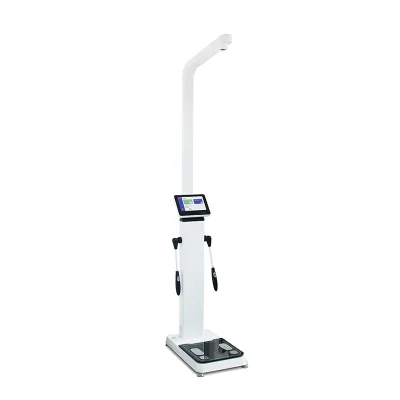
Sfda Body Fat Scale Clinical Analytical Instruments Body Checking Body Scale
$1373.11 - $1525.68
MOQ: 2


Comprehensive Sourcing Guide
Strategic Sourcing Guide for Accurate Body Fat Scales
Understanding Technical Specifications and Measurement Capabilities
When sourcing an Accurate Body Fat Scale, buyers must first distinguish between basic weight measurement devices and advanced body composition analyzers. The market offers a spectrum of devices ranging from simple digital platforms to sophisticated units capable of multi-frequency bioelectrical impedance analysis (BIA). Based on current product observations, accurate body fat scales typically integrate multiple functions, including body weight, body fat percentage, and calorie estimation. Some advanced models extend this capability to test up to 18 distinct body data points, providing a comprehensive health profile rather than a single metric.
The physical construction of the scale is critical for measurement accuracy. High-performance units often feature a tempered glass surface with specific thickness requirements, such as 5mm, to ensure durability and stability under load. The internal sensor architecture is equally important; many reliable models utilize a four-point type metal bonding point system. This configuration ensures that the electrical current travels through the body in a consistent path, which is essential for the precision of body fat calculations. The display interface is another key specification, with modern units favoring LCD or LED screens that provide clear, high-contrast readings. Some specifications indicate LED displays with white word dimensions of approximately 62.5*30mm, ensuring readability from a distance.
Power supply mechanisms vary significantly across the product range. While many professional and commercial-grade scales rely on standard AC power inputs (ranging from 100V to 240V at 50Hz) to ensure continuous operation without battery degradation, some consumer-focused models may incorporate solar energy capabilities. Buyers should verify the power requirements against their intended deployment environment. For instance, a scale intended for a hotel room or a gym floor with limited outlet access might benefit from solar-assisted power, whereas a clinical setting would prioritize stable AC connectivity. The unit of measurement is typically flexible, supporting both kilograms and pounds, which is essential for international distribution.
Compliance, Certification, and Regulatory Standards
Navigating the regulatory landscape is a non-negotiable aspect of sourcing accurate body fat scales. These devices often fall under the category of medical or health monitoring equipment, subjecting them to various international safety and electromagnetic compatibility standards. A robust supplier portfolio will demonstrate compliance with a wide array of certifications, including CE, RoHS, FCC, ISO, and Reach. The presence of these certifications indicates that the product has undergone rigorous testing for electrical safety, hazardous substance restriction, and electromagnetic interference.
Specifically, the CE mark is a mandatory conformity marking for products sold within the European Economic Area, signifying that the manufacturer declares the product meets EU safety, health, and environmental requirements. RoHS compliance ensures that the device does not contain restricted hazardous substances such as lead, mercury, or cadmium, which is crucial for environmental sustainability and worker safety during manufacturing. FCC certification is vital for products entering the United States market, confirming that the device does not emit harmful levels of radio frequency interference. Additionally, ISO certification often reflects a commitment to quality management systems, suggesting that the manufacturer adheres to standardized processes for production and quality control.
Buyers must be vigilant when evaluating certification claims. While some product listings may mention certifications like CE, RoHS, ISO, BQB, and Reach simultaneously, the actual scope of these certifications can vary. It is essential to request valid test reports and certificates of conformity from the supplier rather than relying solely on marketing claims. The absence of specific certifications for a target market can lead to customs delays, product recalls, or legal liabilities. Furthermore, the "BQB" certification often relates to specific regional standards, and its inclusion alongside global standards suggests a supplier with a broad compliance strategy. However, buyers should verify if these certifications apply to the specific model number being procured, as different models within the same brand may have different compliance statuses.
Cost Drivers and Pricing Dynamics
The pricing of accurate body fat scales is influenced by a complex interplay of factors, including technological complexity, build quality, customization options, and order volume. Observed market data indicates a significant price variance, with units ranging from approximately $2 to nearly $2,300. This wide range reflects the diversity in product tiers, from basic entry-level models to high-end commercial or clinical-grade analyzers.
Several key drivers contribute to these cost differences. First, the number of measurement functions directly impacts the price. A scale offering only body weight will be significantly cheaper than one capable of analyzing 18 body data points, including visceral fat, muscle mass, and bone density. Second, the quality of materials and construction plays a major role. Scales with thicker glass (e.g., 5mm), reinforced frames, and advanced sensor arrays command higher prices due to increased manufacturing costs and durability. Third, the level of customization available affects the final cost. Suppliers offering OEM, ODM, and OBM services, along with software reengineering capabilities, typically charge a premium for the engineering resources and tooling required to tailor the product to a specific brand's identity.
Order volume is another critical cost driver. The Minimum Order Quantity (MOQ) can range from a single item to 2,000 units. Higher MOQs often unlock lower unit prices, making bulk procurement a strategic option for large retailers or corporate buyers. Conversely, buyers requiring small quantities or highly customized solutions may face higher per-unit costs. Packaging requirements also influence pricing; standard carton box packaging is common, but custom packaging solutions, such as two strong cartons or branded boxes, incur additional expenses. Buyers should analyze the total cost of ownership, including shipping, duties, and potential rework costs, rather than focusing solely on the unit price.
Typical Applications and Market Segmentation
Accurate body fat scales serve a diverse range of applications, from personal home use to professional clinical and commercial environments. The intended application dictates the required specifications and durability standards. For residential use, the focus is often on ease of use, compact design, and connectivity to mobile applications. These scales typically feature a square or polygon shape and are designed to fit seamlessly into home environments. The "Applicable Crowd" for these models is generally adults, and they often include features like screen printing colors and simple LCD interfaces.
In the commercial sector, such as hotels, gyms, and fitness centers, the requirements shift towards durability, high capacity, and data management. Scales intended for these environments may have a higher weight capacity, such as 180kg, to accommodate a wide range of users. The "Suitable for" category often includes specific venues like boothrooms or fitness facilities. In these settings, the ability to connect to a central app or management system via a provided communication protocol is a critical feature. This connectivity allows facility managers to track member progress, manage data securely, and integrate the scale into broader health and wellness programs.
For clinical and professional health settings, the accuracy and reliability of the measurements are paramount. These environments require scales that adhere to strict medical standards and offer detailed body composition analysis. The "Type" of scale in these contexts is often labeled as a "Test 18 Body Data" unit or a "Body Composition Analyser." The precision of the measurement, often cited as 0.1g for weight and specific divisions for body fat, is essential for diagnostic purposes. Additionally, the "Service" aspect becomes crucial, with suppliers expected to provide robust software support and technical assistance to ensure the scales function correctly in a professional setting.
Supplier Evaluation and Customization Capabilities
Selecting the right supplier is as important as selecting the right product. Buyers should evaluate suppliers based on their ability to provide customization, their technical expertise, and their track record of compliance. Many suppliers in the market offer extensive customization options, including OEM, ODM, and OBM services. This flexibility allows buyers to brand the product with their own logo, modify the software interface, or alter the physical design to meet specific market needs. The availability of "Software Reengineering" is a significant indicator of a supplier's technical depth, suggesting they can adapt the device's firmware to integrate with proprietary apps or third-party systems.
When evaluating suppliers, buyers should look for evidence of a robust manufacturing process and quality control systems. The "Place of Origin" is a relevant factor, with major manufacturing hubs like Zhejiang and Henan in China being common sources. While these regions have established supply chains, buyers should verify the specific factory capabilities and audit reports to ensure consistent quality. The "Brand Name" associated with the product, such as Leaone, can provide insight into the supplier's market position, but buyers should not rely solely on brand reputation. Instead, they should request samples, review test reports, and verify the authenticity of certifications.
Customization extends beyond branding to include packaging and functional modifications. Suppliers may offer support for customized packages, such as specific carton sizes or branding elements. The "Single Package Size" and "Single Gross Weight" are critical logistics parameters that affect shipping costs and storage requirements. For example, a scale with a package size of 36X35X5cm and a gross weight of 1.500kg will have different shipping implications compared to a unit with a size of 31.731.73.8cm and a weight of 1.25kg. Buyers should request detailed packaging specifications to optimize their supply chain efficiency.
Quality Control and Long-Term Procurement Considerations
Ensuring long-term quality and reliability requires a proactive approach to quality control and supplier relationship management. Buyers should implement a rigorous inspection process that includes pre-shipment inspections, random sampling, and functional testing. Key quality indicators to verify include the accuracy of the weight measurement (e.g., 0.1g precision), the stability of the body fat readings, and the durability of the glass surface and internal sensors. The "Division" of the scale, such as 100g, is another parameter that should be tested to ensure it meets the specified tolerance levels.
Long-term procurement considerations also involve the availability of spare parts, software updates, and technical support. Suppliers that offer a "Communication Protocol" for app connectivity demonstrate a commitment to long-term product viability, as they enable future software enhancements and data integration. Buyers should negotiate service level agreements (SLAs) that cover warranty periods, response times for technical issues, and the availability of replacement parts. The "Service" aspect, including the ability to connect to custom apps, should be clearly defined in the contract to avoid future compatibility issues.
Finally, buyers should consider the environmental impact and sustainability of the products. Certifications like RoHS and Reach indicate a commitment to environmental standards, but buyers can go further by requesting information on the recyclability of materials and the energy efficiency of the devices. The "Power Supply" type, whether AC or Solar, can also impact the long-term operational costs and environmental footprint. By prioritizing suppliers who demonstrate a holistic approach to quality, compliance, and sustainability, buyers can build a resilient and responsible supply chain for accurate body fat scales.
Comparative Analysis of Key Product Attributes
To facilitate informed decision-making, the following table summarizes key attributes observed across different product listings, highlighting the variations in specifications that buyers should consider.
| Attribute | Observation A | Observation B | Observation C |
|---|---|---|---|
| Product Type | Smart Scale | Test 18 Body Data | Body Composition Analyser |
| Functions | Body Weight, Body Fat, Calories | Body Weight, Body Fat | Body Weight |
| Capacity | 180kg | Not Specified | Not Specified |
| Accuracy | 0.1g | Not Specified | Not Specified |
| Display Type | LCD | LED with White Word | Not Specified |
| Shape | Polygon, Square | Square | Not Specified |
| Certifications | CE, BQB, Reach, RoHS, FCC | CE, RoHS, ISO | CE, ISO |
| Power Supply | AC100V-240V, 50Hz | Solar Energy | Not Specified |
| Customization | OEM, ODM, OBM, Software Reengineering | Support Customized Package | Not Specified |
| Place of Origin | Zhejiang, China | Henan, China | Not Specified |
| Package Size | 36X35X5cm | 31.731.73.8cm | Not Specified |
| Gross Weight | 1.500kg | 1.25kg | Not Specified |
This comparison underscores the importance of aligning product specifications with specific procurement needs. Whether the priority is high capacity, advanced body data analysis, or specific power requirements, buyers must carefully match these attributes to their operational goals. By systematically evaluating these factors, buyers can ensure they source accurate body fat scales that deliver value and reliability over the long term.
FAQs
What certifications do accurate body fat scales typically have?
These scales often carry CE, RoHS, ISO, FCC, and Reach certifications. Buyers should verify specific test reports for each model to ensure compliance with regional safety and environmental standards before procurement.
How is the accuracy of weight measurement defined?
Accuracy is commonly specified at 0.1g for precise weight readings. This level of precision ensures reliable data for health monitoring and body composition analysis in both clinical and commercial settings.
Which customization options are available for these scales?
Suppliers offer OEM, ODM, OBM, and software reengineering support. Buyers can request customized packaging, branding, and communication protocols to connect the device to their specific mobile applications or management systems.
What is the maximum weight capacity for these devices?
Some models support a capacity of up to 180kg to accommodate diverse users. This high capacity makes them suitable for commercial environments like gyms and hotels where heavy usage is expected.
Can these scales measure multiple body data points?
Advanced models can test up to 18 distinct body data points including body fat and calories. These units function as comprehensive body composition analyzers rather than simple weight platforms.
How do power supply options vary across models?
Power options include standard AC100V-240V inputs or solar energy capabilities. Buyers should select based on their deployment environment, ensuring stable power for clinical use or flexibility for locations with limited outlets.
What materials are used for the scale surface?
High-performance units often feature 5mm tempered glass surfaces for durability. This construction ensures stability under load and provides a consistent path for electrical current in bioelectrical impedance analysis.