Source Acrylic Baluster for Staircases, Fences, and Railings
Compare 30 listings for Acrylic Baluster options including straight, spiral, and hollow designs. Buyers can evaluate materials like Q235 tube, aluminum, and stone alongside wrought iron styles for indoor and outdoor applications.
Key considerations
Products List


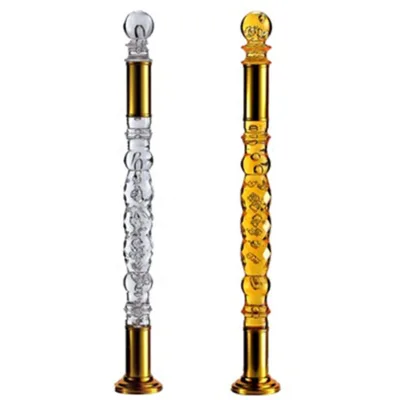


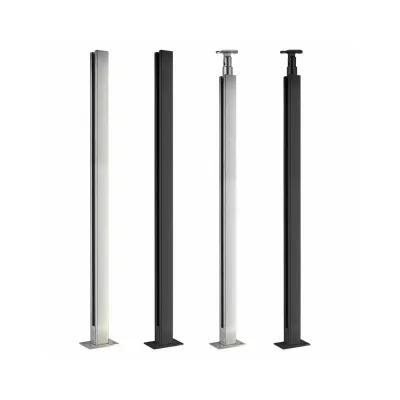
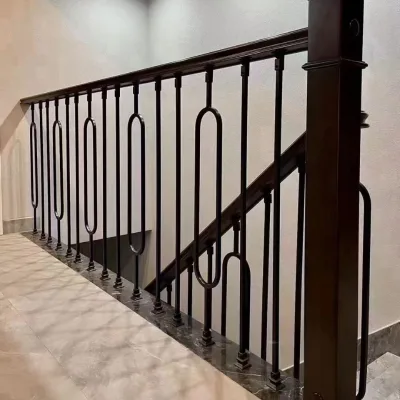

Comprehensive Sourcing Guide
Strategic Sourcing Guide for Acrylic Baluster Procurement
Understanding Material Properties and Technical Specifications
When sourcing balusters for residential or commercial projects, the distinction between material types is critical for structural integrity and aesthetic alignment. While the provided product data highlights a significant volume of wrought iron, aluminum, stone, and wood options, the specific inquiry focuses on acrylic balusters. It is essential to recognize that the supplied dataset does not contain explicit attributes for acrylic materials, such as impact resistance ratings, UV stability scores, or specific polymer grades. Consequently, buyers must treat the observed data points regarding metal and stone as distinct categories and verify acrylic-specific properties independently.
In the context of the available market data, technical specifications often vary widely. For instance, observed metal balusters in the dataset list dimensions such as a 44-inch length and a 1/2-inch diameter, with materials ranging from Q235 tubes to cast iron. Acrylic balusters, by contrast, typically offer different dimensional tolerances and weight profiles. Buyers should not assume that the "different size available" standard mentioned for metal products applies directly to acrylic without verification. Instead, the procurement strategy must prioritize confirming the specific thickness, transparency grade, and load-bearing capacity of the acrylic material. The dataset indicates a "Customized" size attribute is available for certain metal products; this suggests that for acrylic, the buyer should expect a similar flexibility but must explicitly request the technical sheet to confirm if the customization covers the specific polymer formulation required for the project.
Furthermore, the observed "Stair Tread" attributes in the data include metal, solid wood, and natural stone. When integrating acrylic balusters, the compatibility with these treads becomes a primary technical consideration. The data notes "Installation: Floor" for metal components, implying a specific mounting mechanism. Acrylic systems often require different fastening hardware to prevent stress cracking, a detail not present in the current dataset. Therefore, the technical evaluation must focus on the interface between the Acrylic Baluster and the chosen tread material, ensuring that the mounting method does not compromise the structural safety of the assembly.
Compliance, Certification, and Safety Standards
Navigating the regulatory landscape for stair components requires rigorous attention to certification and safety standards. The provided product facts explicitly list "ISO9001" as a certification for certain wrought iron and metal baluster products. While this indicates a supplier's adherence to quality management systems, it does not automatically certify the safety or fire resistance of the specific baluster material. For acrylic balusters, which are polymer-based, the compliance requirements often extend beyond general quality management to include specific fire safety ratings and building code adherence.
Buyers must verify if the "ISO9001" certification mentioned in the data applies to the acrylic product line in question. The dataset also lists "CE" as a low-confidence background item, suggesting that while some suppliers may claim CE marking, it is not a guaranteed attribute for all listed products. In the context of acrylic, CE marking often relates to construction product regulations regarding fire performance and mechanical resistance. Since the dataset does not provide explicit fire ratings for acrylic, the procurement process must include a mandatory request for third-party test reports specific to the acrylic material's flammability and smoke density.
Additionally, the "Application" attributes in the data span from "Garden Fence" to "Home Staircase." This variety implies that the products are designed for different environmental loads. Acrylic balusters intended for "Indoor" usage, as noted in the dataset for other products, may have different compliance thresholds compared to those for outdoor applications. The dataset mentions "Waterproof" as a feature for some metal products; however, acrylic's resistance to weathering and UV degradation is a separate technical parameter. Buyers should not assume that a product certified for indoor metal use meets the same standards for outdoor acrylic exposure. Verification of local building codes regarding stair railing height, spacing, and load requirements is essential, as the "different size available" standard in the data does not guarantee compliance with specific regional safety codes.
Cost Drivers and Pricing Dynamics
The pricing structure for balusters is influenced by a complex interplay of material costs, manufacturing processes, and order volumes. The observed price range in the dataset spans from $0.99 to $198, reflecting the diversity of materials from basic metal tubes to ornate wrought iron designs. However, this range cannot be directly extrapolated to acrylic balusters without caution. The cost of acrylic is driven by the grade of the polymer, the thickness of the extrusion, and the complexity of the molding or cutting process.
The dataset indicates a minimum order quantity (MOQ) range of 1 to 3000 units, with specific metal products listing an MOQ of 500 PCS. For acrylic balusters, the MOQ is likely to be higher due to the setup costs associated with custom molding or extrusion. Buyers should anticipate that the "Customized" attribute, which is available in the dataset, will significantly impact the unit price. Customization often involves non-standard dimensions, specific colors, or unique surface finishes, all of which increase the production cost.
Furthermore, the "Surface Treatment" observed in the data, such as "Sand Blast and Anti-Rust Oil" for metal, represents a value-added process that influences cost. Acrylic balusters typically do not require anti-rust treatments but may involve polishing, UV coating, or edge finishing. These additional processing steps can drive the price closer to the upper end of the observed range, particularly if the finish requires high precision. The "Trade Term" of Fob/CIF mentioned in the data also affects the final landed cost. Buyers must factor in shipping logistics, as acrylic is more susceptible to damage during transit than metal, potentially requiring specialized packaging like the "Bubble Bag and Carton" noted in the dataset, which adds to the overall expense.
Typical Applications and Design Integration
The versatility of baluster systems is evident in the diverse "Application" attributes found in the data, including "Garden Fence," "Residential Fence," "Highway Fence," and "Home Staircase." Acrylic balusters are particularly well-suited for applications where transparency and modern aesthetics are prioritized. Unlike the "Ornamental Wrought Iron" or "Hollow Stair Iron Balusters" listed in the dataset, acrylic offers a sleek, unobtrusive look that allows light to pass through, making it ideal for modern residential staircases and commercial spaces.
The "Style" attributes in the data range from "Chinese," "European," "Modern," to "Classic." Acrylic balusters align most naturally with "Modern" and "Simplicity" styles, as their clean lines and transparency complement contemporary design trends. However, the dataset also notes "Pastoral" and "Classic" styles for metal products, which may require acrylic to be tinted or textured to achieve a similar aesthetic. Buyers should evaluate whether the acrylic material can be manufactured to match the "European" or "Classic" styles observed in the metal category, as this may require custom tooling.
The "Function" of "Decoration" is explicitly listed for the products in the data. For acrylic balusters, this decorative function is often enhanced by the material's ability to mimic glass or stone while offering greater durability. The "Usage" of "Indoor" and "Stair Parts" in the dataset confirms that these components are designed for interior environments. When integrating acrylic into a project, buyers must ensure that the design intent matches the structural requirements of the specific application, whether it is a "Home Staircase" or a "Garden Fence." The "Installation: Floor" attribute suggests a specific mounting method that must be compatible with the acrylic system to ensure stability and safety.
Supplier Evaluation and Verification Protocols
Evaluating suppliers for acrylic balusters requires a rigorous vetting process, especially given the limited specific data on acrylic in the provided context. The dataset highlights an "Export Experience" of 10 years for certain metal products, which serves as a benchmark for supplier reliability. When assessing potential acrylic suppliers, buyers should verify if the supplier possesses similar experience in exporting polymer-based construction materials. The "prod_origin" of "China" is noted for the metal products; while this indicates a manufacturing hub, buyers must confirm that the specific acrylic supplier has the necessary infrastructure to produce high-quality polymer components.
The "prod_packing" methods observed, such as "Plastic Bag & Carton & Steel Crate" and "Bubble Bag and Carton," provide insight into the supplier's attention to detail. Acrylic is prone to scratching and cracking, so the packaging must be robust. Buyers should request evidence of packaging protocols that exceed the standard "Plastic Bag" methods used for metal, potentially requiring foam inserts or rigid crates to prevent transit damage. Additionally, the "Delilvery Time" of 30 days for metal products sets a baseline for lead times. For customized acrylic balusters, the lead time may be longer due to the molding and curing processes involved.
Certification verification is another critical step. While "ISO9001" is listed for metal products, buyers must ensure the supplier holds valid certifications for the acrylic material itself. The "low-confidence" status of "CE" in the dataset underscores the need for direct verification rather than reliance on marketing claims. Buyers should request current certificates and cross-reference them with the specific product model, such as the "DG" or "24.5-27" models mentioned for metal, to ensure the supplier's quality management system covers the acrylic production line.
Quality Control and Long-Term Procurement Considerations
Ensuring consistent quality in Acrylic Baluster procurement involves establishing clear quality control (QC) protocols. The dataset mentions "Surface Color: Satin Black" for metal products, indicating that color consistency is a key quality metric. For acrylic, buyers must define acceptable tolerances for color, clarity, and surface finish. The "Feature" of "Eco Friendly" and "Waterproof" listed for metal products suggests that environmental and durability factors are important. Acrylic suppliers should provide data on the material's resistance to yellowing, scratching, and impact to ensure long-term performance.
The "Standard" attributes in the data, such as "1/2"x44"" and "different size available," highlight the importance of dimensional accuracy. For acrylic balusters, buyers should implement strict QC checks on dimensions, ensuring that the "Length" and "Diameter" match the specified requirements within tight tolerances. The "prod_model" variations in the dataset suggest that different models may have different quality standards; therefore, buyers should specify the exact model number and associated QC criteria in their purchase orders.
Long-term procurement considerations also include the availability of replacement parts and the supplier's ability to maintain consistency over time. The "Customized" attribute implies that once a design is finalized, the supplier must be able to replicate it consistently. Buyers should establish a long-term agreement that includes regular quality audits and the right to reject batches that do not meet the defined specifications. The "Trade Term" of Fob/CIF allows for flexibility in logistics, but buyers should ensure that the supplier's packaging and shipping methods protect the acrylic from environmental stress during transit.
In conclusion, while the provided data offers a rich foundation for understanding the metal baluster market, sourcing acrylic balusters requires a tailored approach. Buyers must verify material-specific properties, ensure compliance with relevant safety standards, and evaluate suppliers based on their ability to meet the unique demands of acrylic production. By focusing on technical specifications, rigorous certification checks, and robust quality control, buyers can successfully navigate the complexities of Acrylic Baluster procurement and secure high-quality components for their projects.
FAQs
Can acrylic balusters be customized for specific stair dimensions?
Yes, customization is available for specific dimensions. While the provided data confirms customization for metal products, buyers must explicitly request technical sheets to verify if acrylic customization covers the required polymer formulation and thickness for the project.
What certifications should I verify for Acrylic Baluster safety?
You should verify ISO9001 certification for quality management, though it does not guarantee material safety. Buyers must also request third-party test reports for fire ratings and smoke density, as general certifications do not automatically cover polymer flammability requirements.
How does the MOQ for acrylic balusters compare to metal options?
Metal options in the data show an MOQ of 500 pieces, but acrylics likely require higher volumes. Buyers should anticipate higher minimums due to setup costs for custom molding or extrusion, which are typical for polymer-based construction materials.
Which packaging methods protect acrylic balusters during shipping?
Robust packaging like bubble bags and cartons is recommended to prevent damage. Acrylic is prone to scratching and cracking, so buyers should request protocols exceeding standard plastic bag methods, potentially requiring foam inserts or rigid crates for transit safety.
What is the typical lead time for custom Acrylic Baluster orders?
Lead times may exceed the 30 days observed for metal products. Customized acrylic balusters often require longer durations due to the specific molding and curing processes involved in producing high-quality polymer components for stair applications.
Can acrylic balusters be used for outdoor garden fence applications?
Indoor usage is confirmed for other products, but outdoor acrylic requires specific weathering verification. Buyers must confirm UV stability and weather resistance ratings separately, as indoor metal certifications do not guarantee suitability for outdoor environmental loads.
What styles are available for Acrylic Baluster designs?
Modern and simplicity styles align naturally with acrylic transparency. While data lists European and classic styles for metal, acrylic may require custom tooling or tinting to match these aesthetics, so buyers should verify design flexibility with the supplier.