Source Aluminum 6063-T5 Glass Standoff for Railings, Showcases, and Partitions
Compare 30 listings for Aluminum 6063-T5 Glass Standoff components suitable for indoor and outdoor installations. Evaluate options based on surface treatments like satin or mirror finishes, material grades including AISI304/316 alternatives, and customization availability for various glass thicknesses.
Key considerations
Products List


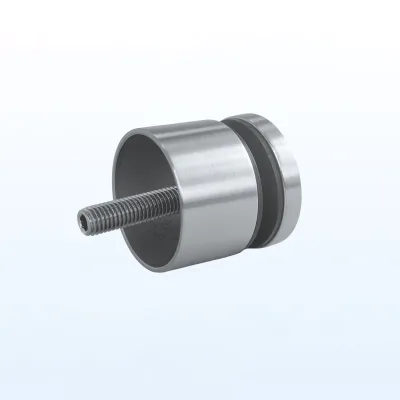


Comprehensive Sourcing Guide
Aluminum 6063-T5 Glass Standoff Sourcing Guide
Procuring aluminum 6063 T5 glass standoffs requires a nuanced understanding of material properties and structural integrity, particularly when these components serve as critical connectors in modern architectural glazing systems. Unlike stainless steel alternatives, which are often cited in general hardware listings for their corrosion resistance, aluminum 6063 T5 offers a distinct advantage in weight reduction and aesthetic versatility. The T5 temper indicates that the material has been cooled from an extrusion process and artificially aged, providing a balance of strength and formability that is essential for precision-machined standoff bodies. Buyers must recognize that while stainless steel grades like AISI304 or AISI316 are frequently marketed for their durability in both indoor and outdoor environments, aluminum standoffs demand careful attention to surface treatment to prevent oxidation and maintain visual consistency over time.
The decision to source aluminum standoffs often hinges on specific design requirements where weight savings and thermal conductivity are prioritized over the maximum tensile strength offered by steel. In applications such as frameless glass railings, shower enclosures, or curtain wall systems, the standoff acts as a pivotal point of load transfer, making the verification of mechanical properties non-negotiable. Procurement teams should evaluate whether the specific alloy composition meets the structural demands of the installation, considering factors such as wind load, seismic activity, and the thickness of the glass being supported. It is crucial to distinguish between standard decorative hardware and structural-grade standoffs, ensuring that the selected component aligns with the engineering specifications of the overall glazing assembly rather than merely serving a cosmetic function.
Product Scope and Observed Listing Signals
When analyzing market listings for glass standoffs, buyers often encounter a wide array of product attributes that may not directly apply to aluminum 6063 T5 variants. Many suppliers list products made from stainless steel, highlighting features such as AISI304 or AISI316 material composition, which provides high corrosion resistance for both indoor and outdoor usage. These listings frequently emphasize surface treatments like satin or mirror finishes, which are achievable in both aluminum and stainless steel but require different processing techniques. Additionally, some product descriptions mention customization options for tube sizes, such as square or round profiles with specific diameters, or bar sizes ranging from 10mm to 16mm. Buyers must carefully filter these signals to identify suppliers who specifically offer aluminum extrusions, as the manufacturing processes and tooling for aluminum differ significantly from those for steel casting or machining.
Further scrutiny of listing details reveals variations in packaging and delivery terms that can impact the total cost of ownership. Standard export cartons are commonly mentioned, with some suppliers offering palletized options for larger orders. Lead times typically range from 20 to 35 days after deposit confirmation, reflecting the production cycle for custom-molded or machined components. It is also important to note that some listings may include certifications such as ISO or TUV, which indicate a supplier’s commitment to quality management systems rather than specific product performance. Buyers should verify that these certifications are relevant to the aluminum standoff product line and not just general company credentials. Understanding these listing signals helps in narrowing down the supplier pool to those who possess the specific capabilities required for aluminum 6063 T5 production.
Technical Specifications to Verify
Verifying the technical specifications of aluminum 6063 T5 glass standoffs is paramount to ensuring structural reliability and aesthetic consistency. The alloy 6063 is known for its excellent extrudability, making it suitable for complex profiles, while the T5 temper ensures adequate strength for typical glazing applications. Buyers should request detailed material test reports that confirm the chemical composition and mechanical properties, including tensile strength and yield strength, to ensure the material meets industry standards. Additionally, the surface treatment process, whether anodizing or powder coating, must be specified to guarantee corrosion resistance and color consistency, especially for outdoor installations where exposure to environmental elements is a concern. It is also critical to verify the dimensional accuracy of the standoff components, as even minor deviations can affect the alignment and stability of the glass panels.
Another key technical aspect is the compatibility of the standoff with the glass thickness and the mounting surface. Standoffs are designed to accommodate specific glass thicknesses, typically ranging from 8mm to 20mm, and the buyer must ensure that the selected model matches the glass specifications of the project. The internal threading and clamping mechanism should be inspected to confirm that they provide sufficient grip without risking glass breakage due to excessive pressure. Furthermore, the design of the standoff should allow for thermal expansion and contraction of the glass, preventing stress fractures over time. Buyers should also consider the finish of the mounting hardware, such as screws and anchors, to ensure they are compatible with the aluminum standoff and the substrate material, whether it be concrete, steel, or wood.
Compliance and Safety Documentation
Compliance with safety standards and regulations is a critical component of sourcing glass standoffs, particularly for structural applications where failure could result in injury or property damage. Buyers should request documentation that demonstrates compliance with relevant building codes and standards, such as those governing glazing systems and structural hardware. While specific certifications like CE or ROHS may be mentioned in general product listings, it is essential to verify that these apply to the aluminum standoff product and not just the company’s general operations. Additionally, buyers should inquire about any third-party testing or certification that validates the load-bearing capacity and durability of the standoffs under various conditions. This documentation provides assurance that the products have been rigorously tested and meet the necessary safety requirements for their intended use.
In addition to structural compliance, buyers should also consider environmental and health regulations related to the materials and finishes used in the standoffs. For instance, if the standoffs are anodized, it is important to ensure that the process adheres to environmental standards regarding the use of hazardous chemicals. Similarly, if powder coating is used, the buyer should verify that the coatings are free from harmful substances such as lead or phthalates. Providing a comprehensive set of compliance documents not only ensures legal adherence but also enhances the credibility of the supplier and the quality of the product. Buyers should maintain a record of all compliance documentation for future reference and potential audits, ensuring that the sourced standoffs meet all regulatory requirements throughout their lifecycle.
Cost Drivers and Commercial Terms
The cost of aluminum 6063 T5 glass standoffs is influenced by several factors, including raw material prices, manufacturing complexity, and surface treatment requirements. Aluminum prices fluctuate based on global market conditions, and buyers should be aware of how these fluctuations can impact the final price of the standoffs. Additionally, the complexity of the design, such as custom profiles or intricate threading, can increase manufacturing costs due to the need for specialized tooling and machining processes. Surface treatments like anodizing or powder coating also add to the cost, depending on the thickness and quality of the finish. Buyers should request detailed cost breakdowns to understand the components of the price and identify areas where cost savings may be possible without compromising quality.
Commercial terms, such as minimum order quantities (MOQ), payment terms, and delivery times, also play a significant role in the overall cost of procurement. Suppliers may offer discounts for larger orders, but buyers must balance this with their inventory management and cash flow constraints. Payment terms, such as a deposit followed by the balance upon shipment, are common, but buyers should negotiate terms that align with their financial policies. Delivery times can vary based on the complexity of the order and the supplier’s production schedule, so it is important to plan accordingly to avoid project delays. Buyers should also consider the cost of packaging and shipping, as proper packaging is essential to prevent damage during transit. Understanding these cost drivers and commercial terms allows buyers to make informed decisions and optimize their procurement strategy.
Supplier Qualification and Quality Control
Selecting a qualified supplier for aluminum 6063 T5 glass standoffs requires a thorough evaluation of their manufacturing capabilities and quality control processes. Buyers should verify that the supplier has experience in producing aluminum extrusions and standoffs, as this expertise is crucial for ensuring product consistency and reliability. It is also important to assess the supplier’s quality control systems, including their procedures for material inspection, in-process monitoring, and final product testing. Suppliers that adhere to international quality management standards, such as ISO 9001, are more likely to deliver products that meet the required specifications. Additionally, buyers should inquire about the supplier’s ability to provide sample products for evaluation, allowing them to assess the quality and fit of the standoffs before committing to a larger order.
Beyond initial qualification, buyers should establish ongoing quality control measures to ensure that the supplier maintains consistent product quality over time. This may include regular audits of the supplier’s manufacturing facilities, review of their quality control records, and periodic testing of received products. Buyers should also define clear acceptance criteria for the standoffs, including dimensional tolerances, surface finish requirements, and mechanical performance standards. By implementing a robust quality control process, buyers can minimize the risk of receiving defective products and ensure that the standoffs perform as expected in their intended applications. Building a strong relationship with a qualified supplier based on mutual trust and clear communication is essential for long-term procurement success.
Long-Term Procurement Checks
Long-term procurement of aluminum 6063 T5 glass standoffs requires ongoing monitoring and evaluation to ensure that the supplier continues to meet the buyer’s requirements. Buyers should regularly review the supplier’s performance metrics, such as on-time delivery rates, product quality, and responsiveness to issues. This data can help identify any trends or potential problems that may arise over time, allowing the buyer to address them proactively. Additionally, buyers should stay informed about changes in the market, such as fluctuations in aluminum prices or updates to industry standards, to ensure that their procurement strategy remains relevant and effective. By maintaining a proactive approach to supplier management, buyers can mitigate risks and ensure a steady supply of high-quality standoffs for their projects.
Furthermore, buyers should consider the long-term sustainability and environmental impact of their procurement practices. This may involve evaluating the supplier’s environmental policies, such as their efforts to reduce waste and energy consumption during production. Buyers may also explore opportunities to source recycled aluminum or other sustainable materials, depending on the project requirements and available options. By incorporating sustainability into their procurement strategy, buyers can enhance their corporate social responsibility profile and meet the growing demand for environmentally friendly products. Regularly reviewing and updating the procurement strategy ensures that it aligns with the buyer’s long-term goals and values, fostering a resilient and responsible supply chain.
FAQs
What materials are used for stainless steel glass clamps?
Stainless steel glass clamps are typically manufactured from AISI304 or AISI316 grades. These materials provide excellent corrosion resistance and durability for both indoor and outdoor applications. The choice between 304 and 316 depends on the environmental exposure, with 316 offering superior performance in harsh or coastal conditions. Both grades ensure long-term structural integrity for glass installations.
Can these glass clamps be customized for specific projects?
Yes, customization is available for glass clamps to meet specific project requirements. Manufacturers offer OEM and ODM services, allowing for tailored dimensions and surface treatments like satin or mirror finishes. Buyers can request specific glass thickness compatibilities, ranging from 8mm to 20mm. Custom packaging and branding options are also provided to align with unique logistical or aesthetic needs.
What certifications do these stainless steel products hold?
These stainless steel products typically hold ISO, TUV, CE, ROHS, and SGS certifications. These standards ensure compliance with international quality and safety regulations. The certifications verify material composition, manufacturing processes, and environmental safety. Buyers can rely on these documented credentials for global sourcing, ensuring that the products meet the rigorous requirements of various international markets and building codes.
How long is the delivery time for orders?
Delivery time is generally 20 to 35 days after the deposit is confirmed. This timeframe allows for production, quality control, and standard export packaging. The exact duration may vary based on order volume and customization complexity. Buyers should confirm lead times with suppliers to ensure alignment with project schedules, as expedited options might be available for urgent requirements.
What is the minimum order quantity for glass clamps?
The minimum order quantity varies, with some suppliers requiring 100 pieces while others accept orders as low as one piece. This flexibility accommodates both small-scale renovations and large commercial projects. Buyers should verify the specific MOQ with their chosen supplier, as it depends on the product model and customization level. Bulk orders often benefit from more competitive pricing structures.
Where are these stainless steel glass clamps manufactured?
These products are primarily manufactured in Guangdong, China. This region is a major hub for stainless steel fabrication and glass hardware production. The location offers access to high-quality raw materials and advanced manufacturing technologies. Buyers sourcing from this region benefit from established supply chains and competitive pricing, ensuring reliable delivery of standardized and customized glass clamps.