Source Acrylic Road Marking Paint for Roads, Playgrounds, and Parking Lots
Compare 30 listings of Acrylic Road Marking Paint from verified Chinese suppliers. Buyers can evaluate specifications like drying time, color options, and packaging for applications on roads, playgrounds, and parking areas.
Key considerations
Products List


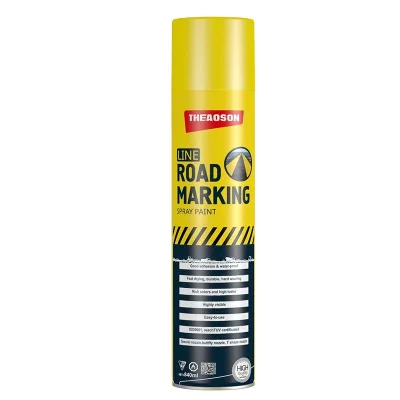


Eco-Friendly Road Marking Paints with Superior Theoretical Spreading Rate
$500.00 - $520.00
MOQ: 50 Tons


$335.00 - $399.00
MOQ: 1 Tons


Comprehensive Sourcing Guide
Acrylic Road Marking Paint Sourcing Guide
Sourcing Acrylic Road Marking Paint requires a nuanced understanding of material chemistry, application environments, and regulatory compliance. These coatings are distinct from thermoplastic or water-borne alternatives due to their rapid drying characteristics and durability on various pavement surfaces. Buyers must navigate a market where product formulations vary significantly between single-component and two-component systems, each offering different performance profiles regarding adhesion, wear resistance, and environmental impact. The decision to source acrylic marking paint often hinges on the need for quick turnaround times, as these products typically dry within minutes, allowing for immediate traffic reopening after application.
This guide provides a structured approach to evaluating suppliers and products in this category. It focuses on verifying technical specifications, understanding cost structures, and ensuring that selected materials meet local road safety standards. By adhering to evidence-based verification steps, procurement teams can mitigate risks associated with premature paint failure, non-compliant chemical compositions, or inconsistent supply chains. The following sections detail the critical factors that influence sourcing decisions, from raw material origins to final delivery terms, ensuring a robust procurement strategy for road marking projects.
Product Scope and Observed Listing Signals
The market for Acrylic Road Marking Paint presents a diverse range of product variations, primarily distinguished by their chemical composition and physical state. Listings frequently indicate whether the product is a single-component or two-component system, a critical distinction that affects storage stability and application methods. Single-component acrylics are often solvent-based, offering ease of use and rapid drying, while two-component systems may provide enhanced durability and chemical resistance. Buyers should observe that the primary raw material is consistently identified as acrylic resin, sometimes blended with petroleum resin to modify hardness and flexibility. The appearance is uniformly described as a liquid coating, though some entries may list powder forms, indicating a need for careful verification of the specific product model being sourced.
Color options and customization capabilities are significant variables in this category. While white is a standard offering, many suppliers provide customized color options to meet specific municipal or private project requirements. The gloss level is often specified as low, which is desirable for road markings to reduce glare for drivers at night. Additionally, the paint film is described as smooth, contributing to both aesthetic quality and functional performance. Buyers must pay close attention to the stated use cases, which frequently include playground surfaces and road line marking, indicating versatility beyond strict highway applications. The presence of keywords such as "wash resistant" and "dry paint" suggests a focus on longevity and weather durability, which are essential for outdoor infrastructure projects.
Technical Specifications to Verify
Verifying the technical specifications of Acrylic Road Marking Paint is essential to ensure performance under real-world conditions. Key attributes to confirm include the drying speed, which is often cited as less than five minutes at standard temperatures, and the theoretical spreading rate, which impacts material efficiency and cost calculations. Buyers should verify the specific gravity and weight solids content, as these metrics directly influence the coverage area per liter or kilogram. For instance, a high weight solids percentage indicates a higher concentration of pigment and resin, potentially offering better durability and coverage. The softening point is another critical parameter, particularly in regions with high ambient temperatures, as it determines the paint's resistance to rutting or softening under heat stress.
Application conditions and storage requirements must also be rigorously checked. The construction temperature is often specified as above five degrees Celsius, meaning that sourcing decisions must account for seasonal limitations in colder climates. Storage instructions typically recommend dry, cool environments away from direct sunlight to maintain product integrity over its shelf life, which is commonly listed as three years. Buyers should also verify the packaging standards, which may range from small buckets to large drums or palletized quantities, depending on the order volume. Understanding these physical and chemical properties allows procurement teams to select products that align with their specific application equipment and environmental conditions, preventing issues such as poor adhesion or premature degradation.
Compliance and Safety Documentation
Compliance with local and international standards is non-negotiable for road marking materials. Buyers must ensure that the acrylic paint meets relevant national or regional standards for road marking performance, such as the JT/T 280 standard mentioned in some listings, which governs technical requirements for highway markings. Verification of compliance documents, including test reports for retroreflectivity, slip resistance, and durability, is crucial for passing regulatory inspections. Suppliers should be able to provide certificates of analysis that confirm the chemical composition aligns with environmental regulations, particularly regarding volatile organic compound (VOC) limits if applicable in the destination market.
Safety data sheets (SDS) are mandatory for all chemical products, including acrylic road marking paints. These documents provide essential information on handling, storage, and emergency measures, ensuring that the supply chain adheres to occupational health and safety regulations. Buyers should review the SDS to understand the hazards associated with the solvent-based nature of many acrylic paints, including flammability and toxicity concerns. Proper documentation also facilitates customs clearance and ensures that the product can be legally transported and stored. Failure to verify these documents can result in shipment delays, fines, or rejection of materials at the project site, making thorough documentation review a critical step in the procurement process.
Cost Drivers and Commercial Terms
The cost of Acrylic Road Marking Paint is influenced by several factors, including raw material prices, packaging type, and order volume. The observed price range in the market is broad, reflecting differences in formulation quality, brand reputation, and included services. Buyers should analyze the cost per square meter rather than just the unit price, as spreading rate and coverage efficiency significantly impact the total project cost. Packaging options, such as buckets, cartons, or drums, also affect logistics costs and handling efficiency. Customized packaging or bulk palletized shipments may offer economies of scale but require adequate storage space and handling equipment at the destination.
Commercial terms, including minimum order quantities (MOQ), payment methods, and delivery lead times, play a vital role in budgeting and project planning. MOQs can vary widely, from small quantities for trial orders to large volumes for extensive infrastructure projects. Payment terms are typically structured around telegraphic transfer (T/T), with deposits required before production and balance payments before shipment. Delivery lead times are often specified as within a certain number of days after contract confirmation, which must be factored into project schedules. Buyers should negotiate clear terms regarding penalties for late delivery and conditions for returns or replacements, ensuring financial protection against supply chain disruptions.
Supplier Qualification and Quality Control
Selecting a qualified supplier is critical to ensuring consistent quality and reliable delivery. Buyers should verify the supplier's manufacturing capabilities, including production capacity and quality control processes. Factories located in major industrial regions, such as Jiangsu, Guangdong, or Hebei in China, often have established supply chains and experienced production teams. However, geographic origin alone is not a guarantee of quality; buyers must assess the supplier's track record, including their ability to produce customized formulations and meet specific technical requirements. Requesting samples for testing is a standard practice to evaluate the paint's application properties, drying time, and final film quality.
Quality control measures should be clearly defined in the purchase agreement. This includes pre-shipment inspections, third-party testing for compliance with specified standards, and batch-to-batch consistency checks. Buyers should inquire about the supplier's warranty policies and their response to quality complaints. A reputable supplier will provide transparent information about their raw material sources and manufacturing processes, allowing buyers to assess the potential risks associated with the product. Establishing a strong relationship with a qualified supplier can lead to better pricing, priority production, and improved support for future projects, making supplier qualification a long-term strategic investment.
Long-Term Procurement Checks
Long-term procurement success depends on continuous monitoring of supplier performance and market trends. Buyers should regularly review supplier delivery times, product quality, and responsiveness to issues. Consistent performance metrics should be tracked to identify potential risks early, such as delays in production or variations in product specifications. Additionally, staying informed about changes in road marking standards and environmental regulations is essential to ensure that sourced materials remain compliant over time. Suppliers who proactively update their products to meet new standards demonstrate a commitment to quality and regulatory adherence.
Building a diversified supplier base can mitigate risks associated with single-source dependencies. Buyers should consider qualifying multiple suppliers for critical materials, ensuring that alternative sources are available in case of disruptions. Regular communication with suppliers about future project needs can help in planning production schedules and securing favorable terms. Furthermore, evaluating the total cost of ownership, including logistics, storage, and application efficiency, provides a more accurate picture of the true value of the sourced materials. By maintaining a disciplined approach to supplier management and market analysis, buyers can optimize their procurement strategy for Acrylic Road Marking Paint, ensuring project success and cost efficiency.
FAQs
What is the main raw material used for this Acrylic Road Marking Paint?
The main raw material is acrylic, often combined with single or two components depending on the specific model. Some variants also utilize petroleum resin as a key ingredient to ensure durability and adhesion on road surfaces.
Which product models are available for Acrylic Road Marking Paint?
Available models include A26, A19, A18, A22, A11, and TATU-JT280-W. These models vary in specifications such as drying time and standard compliance, allowing buyers to select the option that best fits their specific road marking requirements.
Can buyers request customized colors for this Acrylic Road Marking Paint?
Yes, customization is available for colors, including options like white or other specific shades. Buyers can also request customized packaging to meet their logistical needs, ensuring the product aligns with their branding and operational standards.
How long is the shelf life of the Acrylic Road Marking Paint?
The shelf life is three years when stored correctly. It must be kept in a dry, cool place away from direct sunlight to maintain its quality and ensure the paint remains effective for road marking applications over time.
What is the minimum order quantity for this Acrylic Road Marking Paint?
The minimum order quantity can range from 1 to 30,000 units depending on the supplier and specific product configuration. Some listings indicate a specific MOQ of 30,000, while others may offer lower thresholds for different packaging or models.
Which standards does the Acrylic Road Marking Paint comply with?
The paint complies with standards such as JT/T 280, which specifies requirements for road marking materials. It also adheres to volume standards like 10L, 20L, or 25L per container, ensuring consistent application and performance on various road surfaces.
Where is the Acrylic Road Marking Paint manufactured?
The product originates from locations in China, specifically Jiangsu, Guangdong, and Cangzhou, Hebei. These manufacturing hubs provide the necessary infrastructure to produce high-quality acrylic paints that meet international road marking standards and buyer expectations.