Source Straight Grain Wall Panel Plywood for Indoor, Outdoor, and Dust Free Rooms
Find 30 listings for Straight Grain Wall Panel Plywood suitable for indoor, outdoor, and dust-free room applications. Buyers can compare specifications including fireproof, waterproof, and soundproof features from manufacturers in China.
Key considerations
Products List


Building Decoration for High Quality Easy Installation with Wall Panel Plywood
$1.71 - $1.91
MOQ: 1 Square Meters


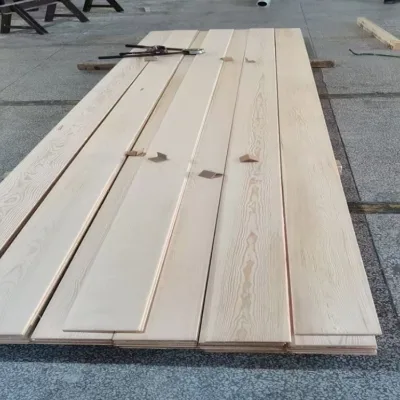


High Quality 4X8 Slotted Groove Pine Plywood for Wall Panels and Ceiling
$17.80 - $17.90
MOQ: 1476 Pieces


Comprehensive Sourcing Guide
Strategic Sourcing Guide for Straight Grain Wall Panel Plywood
Procuring Straight Grain Wall Panel Plywood requires a disciplined approach that balances aesthetic consistency with structural integrity. In the B2B market, this specific product category serves as a critical component for interior and exterior finishing, offering a natural wood appearance with the engineered stability of plywood. The term "straight grain" refers to the visual alignment of wood fibers, which is a key aesthetic driver for buyers seeking a uniform, linear look in wall applications. This guide synthesizes available product attributes and industry standards to provide a comprehensive framework for evaluating suppliers, verifying specifications, and managing procurement risks.
Technical Specifications and Material Composition
The foundation of a successful procurement strategy lies in understanding the precise technical specifications of the product. Based on observed market data, Straight Grain Wall Panel Plywood is typically constructed using a variety of core materials, including poplar, hardwood core, and combi core. The poplar core is frequently cited as a primary material option, offering a balance of weight and strength suitable for wall paneling. The structural integrity of these panels is often defined by their ply count, with 9-ply construction being a common specification for ensuring rigidity and resistance to warping.
Dimensions are equally critical. Standard sheet sizes observed in the market include 1220mm by 2440mm, with thicknesses ranging from 9mm to 18mm. Some suppliers offer custom thicknesses, such as 5mm or 8mm, to accommodate specific design requirements. The surface finish is a defining characteristic of the "straight grain" aesthetic. The surface treatment can be achieved through wood color finishes, solid colors, or fully customized options. The grain itself is described as straight, which implies a specific cutting and veneering process to maintain linear fiber alignment.
The bonding strength of the plywood is another vital technical parameter. Data indicates that panels may meet specific bonding strength classifications, such as Class III (Nc), which is essential for applications requiring moisture resistance. The face and back veneers can vary, with options including Okoume, Bintangor, and Pine. These veneer choices influence the final appearance and durability of the panel. When sourcing, buyers must verify that the core material matches the veneer type to ensure the straight grain effect is consistent throughout the panel's cross-section and not just a superficial layer.
Compliance, Certification, and Environmental Standards
Environmental compliance and safety certifications are non-negotiable in modern B2B procurement, particularly for building materials used in commercial and residential spaces. The formaldehyde emission standards are a primary area of concern. Market observations highlight that high-quality panels often meet "Excellent Grade" standards for formaldehyde emissions, ensuring they are safe for indoor air quality. Buyers should explicitly request documentation proving compliance with these emission levels, as regulations vary significantly by region.
Certification status is another critical verification point. While specific certifications like ISO9001 are observed in the market, buyers must confirm that the supplier holds valid, current certificates for the specific batch of goods being ordered. The ISO9001 standard, for instance, relates to quality management systems, but it does not guarantee product performance without supporting test data. Additionally, functional certifications such as waterproof and mould-proof properties are often claimed. These claims must be backed by third-party test results, as the term "waterproof" can range from water-resistant to fully waterproof depending on the adhesive and resin systems used.
For applications in dust-free rooms or specialized environments, the product must meet stringent cleanliness and emission criteria. The "Grade One" classification observed in some listings suggests a tiered quality system, but buyers should not assume all products labeled "Grade One" meet the same rigorous standards without verification. It is essential to cross-reference the supplier's claimed certifications with the specific project requirements, ensuring that the formaldehyde levels and fire retardancy meet local building codes.
Cost Drivers and Pricing Variables
Understanding the cost structure of Straight Grain Wall Panel Plywood is essential for budgeting and negotiation. The price range in the observed market spans from $0.50 to $595.00 per unit, a vast disparity that reflects differences in material quality, thickness, customization, and order volume. Several key factors drive these costs. First, the core material significantly impacts price; hardwood cores generally command a premium over poplar cores due to density and durability. Second, the veneer type plays a role; exotic or specific species like Okoume or Bintangor may cost more than standard pine veneers.
Customization is a major cost driver. While standard sizes like 1220mm x 2440mm are often more economical, custom dimensions and thicknesses incur additional processing fees. Similarly, customized surface finishes, such as specific wood colors or solid colors, add to the production cost compared to standard wood color options. The MOQ (Minimum Order Quantity) also influences the unit price. Observed MOQs range from 1 unit to 9000 units, with bulk orders often qualifying for lower per-unit costs. However, some suppliers may have a base MOQ of 1*20gp (20-foot general purpose container), which can affect the total landed cost for smaller buyers.
Lead times and logistics are additional cost components. A typical delivery time of 15 days for a 40-foot container is observed, but this can vary based on the supplier's location and current production load. Shipping costs from the origin, often cited as Ganzhou, Jiangxi, or other regions in China, must be factored into the total cost of ownership. Buyers should request a detailed breakdown of costs, including material, processing, packaging, and logistics, to understand the true value proposition of a supplier.
Typical Applications and Functional Performance
Straight Grain Wall Panel Plywood is versatile, serving a wide range of applications from residential interiors to specialized industrial environments. The functional attributes of these panels, such as being fireproof, waterproof, soundproof, and providing heat insulation, make them suitable for diverse settings. For indoor applications, the panels are often used in hotels, offices, and residential spaces where the straight grain aesthetic enhances the visual appeal of the room. The "Country" style mentioned in some product descriptions suggests suitability for traditional or rustic interior designs.
In outdoor applications, the material must withstand environmental stressors. The observed usage data indicates that some panels are rated for both indoor and outdoor use, provided they possess the necessary bonding strength and water resistance. The "Water Proof" and "Fire Retardent" features are critical for exterior cladding or high-risk areas. However, buyers must verify the specific performance claims, as "waterproof" can be a relative term. For dust-free rooms, such as cleanrooms in medical or pharmaceutical facilities, the panels must meet strict hygiene and emission standards to prevent contamination.
The validity period of the product, observed as 5 to 20 years, depends heavily on the installation environment and maintenance. Panels used in high-moisture areas or direct sunlight may have a shorter lifespan unless specifically treated. The shape of the panels is typically rectangular, which facilitates standard installation methods, but custom shapes may be available upon request. Understanding the specific application requirements is crucial for selecting the right grade and specification of plywood to ensure long-term performance and safety.
Supplier Evaluation and Quality Control
Evaluating suppliers requires a rigorous assessment of their capabilities, production processes, and quality control measures. The origin of the product, often China, particularly regions like Ganzhou, Jiangxi, provides context for the supply chain but does not guarantee quality. Buyers should verify the supplier's production capacity and their ability to meet the specific MOQ and lead time requirements. The observed delivery time of 15 days for a 40-foot container suggests a relatively efficient logistics chain, but this should be confirmed for the specific order.
Quality control is paramount. Buyers should request samples to verify the straight grain consistency, surface finish, and core quality. The "Good" quality rating observed in some listings is subjective and should be validated through physical inspection. Key quality checks include verifying the ply count, checking for voids in the core, and testing the bonding strength. The surface finish should be smooth and free of defects, with the grain pattern aligned as specified.
Packaging is another critical aspect of supplier evaluation. Observed packaging options include pallet packaging, bulk packaging, carton packaging, and five-layer carton packaging. The choice of packaging depends on the product's fragility and the shipping method. For international shipments, robust packaging such as pallets or five-layer cartons is essential to prevent damage during transit. Buyers should ensure that the packaging method aligns with the product's specifications and the shipping route.
Long-Term Procurement Considerations
Sourcing Straight Grain Wall Panel Plywood is not a one-time transaction but a long-term relationship that requires ongoing management. The sales market for these products includes regions such as the Americas, Middle East, and Africa, indicating a global supply chain. Buyers should consider the stability of the supplier's operations and their ability to scale production as demand fluctuates. The support for OEM (Original Equipment Manufacturer) services is a valuable feature, allowing buyers to customize products to their specific branding and design needs.
Sustainability and ethical sourcing are increasingly important in procurement. Buyers should inquire about the source of the wood, ensuring it comes from sustainable forests. The formaldehyde emission standards and other environmental certifications should be reviewed regularly to ensure continued compliance with evolving regulations. The validity of the product, ranging from 5 to 20 years, underscores the importance of selecting high-quality materials that will last, reducing the need for frequent replacements and minimizing long-term costs.
Finally, the procurement process should include a clear communication channel with the supplier for addressing any issues that arise. The ability to handle custom orders, manage lead times, and provide timely support is essential for a successful partnership. By focusing on these long-term considerations, buyers can ensure a steady supply of high-quality Straight Grain Wall Panel Plywood that meets their project requirements and business goals.
Comparison of Key Product Attributes
To facilitate decision-making, the following table summarizes the key attributes observed in the market for Straight Grain Wall Panel Plywood. This comparison highlights the variability in specifications and helps buyers identify the most suitable options for their needs.
| Attribute | Common Observation | Variability / Customization |
|---|---|---|
| Core Material | Poplar, Hardwood Core, Combi Core | Customizable based on strength needs |
| Ply Count | 9-Ply | Available in other counts upon request |
| Dimensions | 1220mm x 2440mm | Custom sizes available (e.g., 2800mm length) |
| Thickness | 9mm - 18mm | 5mm, 8mm, or custom thicknesses |
| Surface Finish | Wood Color, Solid Color | Fully customized colors and finishes |
| Grain Type | Straight Grain | Custom grain patterns possible |
| Bonding Strength | Class III (Nc) | Varies by adhesive type and application |
| Formaldehyde Grade | Excellent Grade | Must be verified per batch |
| MOQ | 1 unit to 9000 units | Often 1*20gp for bulk orders |
| Lead Time | 15 Days (40FT Container) | Subject to order volume and season |
| Origin | China (e.g., Ganzhou, Jiangxi) | Multiple manufacturing hubs available |
This structured approach to sourcing ensures that buyers can navigate the complexities of the Straight Grain Wall Panel Plywood market with confidence, making informed decisions that align with their technical, financial, and operational requirements.
FAQs
What core materials are used for Straight Grain Wall Panel Plywood?
Common core materials include poplar, hardwood core, and combi core. These options provide structural stability while maintaining the straight grain aesthetic required for wall applications.
Can I find Straight Grain Wall Panel Plywood with fireproof properties?
Yes, products are available with fireproof, waterproof, soundproof, and heat insulation functions. These features make the panels suitable for both indoor and specialized outdoor environments.
What are the standard dimensions for Straight Grain Wall Panel Plywood?
Standard sheet sizes are typically 1220mm by 2440mm with thicknesses ranging from 9mm to 18mm. Custom thicknesses like 5mm or 8mm are also available upon request.
How is the bonding strength classified for these plywood panels?
Bonding strength is classified as Class III (Nc) for moisture resistance. This classification ensures durability in applications requiring water resistance and structural integrity.
Which certifications should I look for in Straight Grain Wall Panel Plywood?
Look for ISO9001 certification and Excellent Grade formaldehyde emission standards. These verify quality management systems and ensure safety for indoor air quality in residential or commercial spaces.
What is the typical lead time for a 40-foot container order?
The typical delivery time is 15 days for a 40-foot container. This timeline applies to standard orders from origins such as Ganzhou, Jiangxi, subject to production capacity.
Can suppliers support OEM customization for Straight Grain Wall Panel Plywood?
Yes, OEM support is available for custom sizes, colors, and surface finishes. Buyers can request specific wood colors, solid colors, or fully customized dimensions to match design needs.