Source Acrylic Waterproof Coating for Pools, Roofs, and Buildings
Find 30 listings for Acrylic Waterproof Coating for Pools, roofs, and building exteriors. Compare specifications such as drying time, application methods, and certifications to identify suitable suppliers for your project needs.
Key considerations
Products List



Comprehensive Sourcing Guide
Acrylic Waterproof Coating for Pools Sourcing Guide
Acrylic waterproof coatings represent a specialized class of liquid-applied membranes designed to protect concrete and masonry structures from water ingress, with a specific subset engineered for swimming pool environments. These products typically function as a seamless barrier that adheres to wet or dry substrates, offering a flexible solution that accommodates minor structural movements without cracking. The primary value proposition for buyers lies in the material's ability to provide long-term protection against hydrostatic pressure and chemical exposure, which is critical for maintaining the integrity of pool shells and preventing costly structural repairs.
When sourcing these materials, buyers must distinguish between general roofing waterproofing products and those specifically formulated for submerged aquatic environments. While many listings describe the product as a "liquid waterproof coating" suitable for both indoor and outdoor use, the specific application for swimming pools requires verification of the coating's compatibility with pool chemicals and its ability to withstand constant immersion. Procurement teams should prioritize suppliers who explicitly list swimming pool applications alongside general building coating uses, ensuring the selected product meets the rigorous demands of a wet, chemically active environment rather than just surface weathering.
Product Scope and Observed Listing Signals
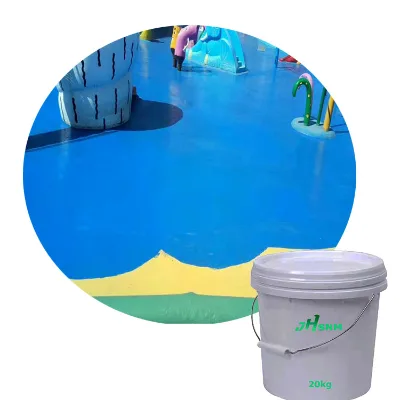
The market for acrylic waterproof coatings presents a diverse range of product attributes, including variations in packaging, drying times, and surface treatment methods. Observed listings indicate that these products are frequently supplied in buckets, pails, barrels, or tanks, with standard package sizes ranging from 5kg to 20kg per unit, though bulk tonnage options are also available for large-scale projects. The physical state of the product is consistently described as a liquid coating, often available in custom colors or standard grey, which allows for aesthetic integration with pool designs while maintaining functional performance.
Buyers should carefully analyze the listed application methods and drying characteristics to ensure alignment with project timelines and construction capabilities. The data shows that application is typically achieved via brush or roll, with a surface drying time of approximately one hour and a fully drying time of 24 hours, though these figures can vary based on environmental conditions. It is crucial to verify whether the product is designed for construction on wet base surfaces, as this capability can significantly streamline the installation process by eliminating the need for extensive substrate drying prior to application.
Technical Specifications to Verify
Technical due diligence must focus on the specific performance metrics that differentiate a standard waterproofing paint from a pool-grade coating. Key specifications to verify include the final film thickness, which is often cited around 1.5mm for high-performance applications, and the bonding function, which must be robust enough to handle the specific stresses of a swimming pool environment. Buyers should also confirm the product's state as a liquid coating and ensure that the material composition, such as acrylic, is compatible with the intended chemical exposure and UV resistance requirements of the pool area.
The drying and curing mechanisms are critical technical parameters that influence the overall project schedule and the final durability of the waterproofing layer. While some listings mention air drying as the primary method, the distinction between surface drying and full curing is essential for determining when the pool can be filled and used. Procurement teams must verify the specific drying times provided by the supplier, as the transition from a surface-dry state to a fully cured, waterproof barrier determines the readiness of the structure for water containment and chemical treatment.
Compliance and Safety Documentation
Ensuring that the selected acrylic waterproof coating meets relevant safety and environmental standards is a non-negotiable step in the procurement process. Buyers should request documentation confirming certifications such as ISO and CE, which indicate adherence to international quality and safety management systems. Additionally, verifying the product's compliance with specific chemical standards, such as the EINECS number and CAS number for mixtures, is necessary to ensure the material does not contain prohibited substances that could leach into the pool water or pose health risks to swimmers.
Safety data sheets (SDS) and material safety documentation must be reviewed to understand the handling requirements and potential hazards associated with the product during application. The product's classification as eco-friendly is a significant attribute that buyers should validate through third-party testing or supplier declarations, ensuring that the coating does not release volatile organic compounds (VOCs) at levels that would violate local environmental regulations. Furthermore, the warranty period, often listed as five years, should be backed by clear terms that define the scope of coverage and the conditions under which the warranty remains valid.
Cost Drivers and Commercial Terms
The cost of acrylic waterproof coatings is influenced by a combination of material quality, packaging format, and the scale of the order. While the market shows a wide price range, the cost-effectiveness of the product is often highlighted as a key advantage, suggesting that buyers can achieve high performance without excessive expenditure. However, the final price per unit is heavily dependent on the chosen packaging, whether it is a small 20kg bucket for retail or a large barrel or tank for industrial application, and the total volume required to cover the project area.
Commercial terms such as minimum order quantities (MOQ) and lead times are critical factors that can impact the overall procurement strategy and project budget. Listings indicate that suppliers may accept small orders, which is beneficial for smaller renovation projects, while larger orders might require bulk purchasing in tons or pallets. Buyers should also consider the availability of free samples and the speed of production and shipping, as these factors can reduce the risk of project delays and allow for quality verification before committing to a large-scale purchase.
Supplier Qualification and Quality Control
Selecting a qualified supplier requires a thorough assessment of their manufacturing capabilities, quality control processes, and track record in the waterproofing sector. Buyers should verify the supplier's origin, with many high-quality acrylic coatings originating from regions like Guangdong, China, known for their manufacturing expertise in building materials. It is essential to confirm that the supplier maintains consistent quality standards, as the product is described as offering medium to high quality, and any deviation could compromise the waterproofing integrity of the pool structure.
Quality control measures should extend beyond the initial product inspection to include ongoing monitoring of the coating's performance during application and curing. Suppliers who offer fast production and shipping capabilities can be advantageous for time-sensitive projects, but this speed must not come at the expense of quality assurance. Buyers should request evidence of the supplier's ability to produce custom colors and maintain the specified thickness and bonding properties, ensuring that the final product meets the exact technical requirements of the pool construction project.
Long-Term Procurement Checks
Establishing a long-term procurement strategy for acrylic waterproof coatings involves regular performance reviews and adherence to warranty terms. The durability and long-lasting nature of the product are key selling points, but these claims must be validated through periodic inspections and maintenance checks to ensure the coating continues to perform as expected over the five-year warranty period. Buyers should maintain a record of the product batch numbers and application dates to facilitate any future warranty claims or troubleshooting efforts.
Continuous engagement with the supplier is necessary to stay informed about any updates to product formulations, standards, or certifications that may affect the procurement decision. As the market evolves, new standards or testing requirements may emerge, and suppliers should be proactive in communicating these changes to their clients. By maintaining a strong relationship with the supplier and conducting regular quality checks, buyers can ensure that their pool waterproofing systems remain effective and compliant with the latest industry standards for years to come.
FAQs
What is the drying time for this acrylic waterproof coating?
The surface drying time is approximately 1 hour, while full curing requires 24 hours. This air-drying process allows for efficient application on both indoor and outdoor surfaces. The coating is designed to be constructed on wet base surfaces, ensuring rapid project completion without compromising the integrity of the waterproof layer.
Can this coating be applied to swimming pools?
Yes, this liquid waterproof coating is explicitly suitable for swimming pool applications. It functions as a durable building coating that provides effective waterproofing for aquatic structures. The acrylic material ensures long-lasting protection against water penetration, making it a reliable choice for maintaining the structural integrity and longevity of pool environments.
What certifications does this waterproof paint hold?
The product holds ISO and CE certifications, indicating compliance with international quality and safety standards. These credentials assure buyers of the material's reliability and performance in various construction scenarios. The coating is manufactured in Guangdong, China, and meets the necessary regulatory requirements for export and domestic use in building and waterproofing projects.
Is customization available for this liquid coating?
Customization is available, including options for custom colors to match specific design requirements. The product offers high cost-effectiveness and eco-friendly features, making it adaptable for diverse architectural needs. Buyers can request specific configurations, and the supplier accepts small orders, facilitating tailored solutions for both large-scale and smaller construction projects.
What are the packaging options for this product?
The coating is packaged in buckets, pails, barrels, or pallets, with standard sizes including 5kg, 10kg, and 20kg containers. The 20kg bucket is a common specification for this model. These packaging options ensure safe transport and easy handling on construction sites, allowing for flexible ordering based on project scale and logistical requirements.