Source Activated Bleaching Diatomite Powder for Water Treatment, Rubber, and Coatings
Find and compare 28 listings for Activated Bleaching Diatomite Powder suitable for water treatment, rubber, and coating applications. Options range from industrial to food grade, with mesh sizes from 20 to 1250 and customizable packaging for bulk sourcing needs.
Key considerations
Products List

Premium Activated Bleaching Diatomite for Food Grade Applications and More
$300.00 - $600.00
MOQ: 20 Tons






Low Density Diatomite Powder - for Lightweight Concrete Aggregate Production
$460.00 - $490.00
MOQ: 1 Tons


Ultrafine White Diatomite Powder for Water Treatment/Filtration/Adsorption
$240.00 - $246.00
MOQ: 2 Tons


Comprehensive Sourcing Guide
Activated Bleaching Diatomite Powder Sourcing Guide
Sourcing Activated Bleaching Diatomite Powder requires a disciplined approach to verifying technical specifications, ensuring regulatory compliance, and evaluating supplier capabilities. This guide provides evidence-based procurement strategies for buyers seeking high-purity diatomaceous earth products for industrial, food-grade, or cosmetic applications. By focusing on observable listing signals and critical verification steps, procurement teams can mitigate risks associated with inconsistent product quality and supply chain disruptions.
The following sections outline the essential steps for evaluating suppliers, understanding technical parameters, and establishing robust commercial terms. Buyers should use this guide as a framework for due diligence, ensuring that every procurement decision is grounded in verified data and industry best practices rather than marketing claims.
Product Scope and Observed Listing Signals
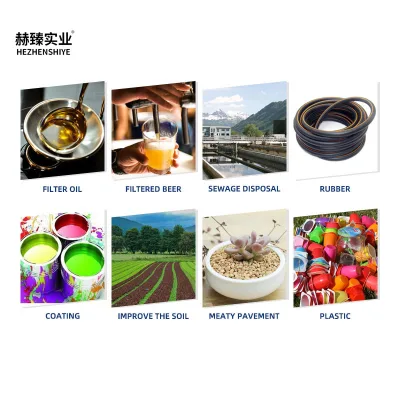
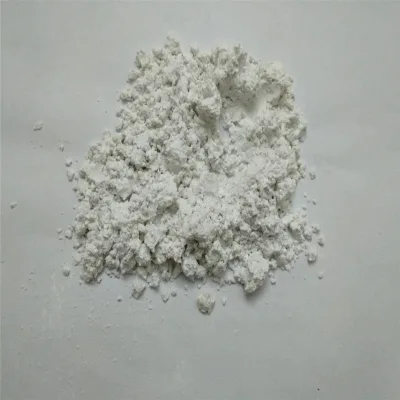
Procurement teams should begin by analyzing the observed market signals to understand the current supply landscape. Listings for diatomite powder often indicate a wide range of applications, including water treatment, rubber manufacturing, coatings, ceramics, construction, chemical processing, plastics, pharmaceuticals, cosmetics, and refractory materials. The core keyword "Activated Bleaching Diatomite Powder" suggests a focus on high-purity, adsorbent-grade products, typically characterized by a white or white-yellow appearance and a powder form. Buyers must distinguish between general industrial grades and specialized activated grades, as the latter often command higher prices and require stricter quality controls.
Observed listing data reveals significant variability in packaging and minimum order quantities (MOQ), which directly impacts logistics and inventory management. Packaging options range from small 10-25kg bags to large 100L PP bags, PE bags, and 1500L PP bags, with some suppliers offering ton bags or woven bags on pallets. MOQs vary widely, with some suppliers accepting orders as low as 1kg for samples or small batches, while others require a minimum of 1 ton. This disparity suggests that buyers should align their MOQ expectations with their production volume and storage capacity, negotiating terms that balance cost efficiency with operational flexibility.
Technical Specifications to Verify
Technical verification is the most critical step in sourcing Activated Bleaching Diatomite Powder, as performance depends heavily on particle size, chemical composition, and purity. Buyers must verify the mesh size, which determines the fineness of the powder and its adsorption capacity. Observed specifications include ranges such as 20-325 mesh, 100-325 mesh, 325 mesh, 1250 mesh, 160 mesh-800 mesh, and 100-400 mesh. The specific mesh size required will depend on the application; for example, finer meshes are often preferred for cosmetic and pharmaceutical uses, while coarser meshes may be suitable for construction or rubber reinforcement.
Chemical composition and grade certification are equally important. The primary component is silicon dioxide (SiO2), and buyers should confirm the purity levels and the presence of any impurities. Products are often categorized as Industrial Grade or Food Grade, with some listings explicitly mentioning ISO and CE certifications. Buyers must request detailed technical data sheets (TDS) that specify the SiO2 content, loss on ignition, and heavy metal limits. Additionally, verifying the CAS number (61790-53-2) and EINECS number (293-303-4) ensures that the product matches the expected chemical identity and regulatory status.
Compliance and Safety Documentation
Regulatory compliance is non-negotiable for Activated Bleaching Diatomite Powder, especially when used in food, pharmaceutical, or cosmetic applications. Buyers must ensure that suppliers provide valid certification documents, such as ISO 9001:2008, CE marks, and other relevant quality management system certifications. These certifications indicate that the supplier adheres to standardized production and quality control processes, reducing the risk of non-conforming products. However, buyers should verify the validity and scope of these certifications, as they may not cover all product lines or manufacturing sites.
Safety data sheets (SDS) and material safety information are essential for handling, storage, and transportation. Buyers should request SDS documents that detail the product's hazards, first-aid measures, and proper disposal methods. Even though diatomite is generally considered safe, proper handling is necessary to prevent inhalation of fine dust, which can irritate the respiratory system. Additionally, buyers should confirm that the supplier complies with local and international regulations regarding chemical substances, such as REACH in Europe or TSCA in the United States, depending on the destination market.
Cost Drivers and Commercial Terms
Understanding the cost drivers for Activated Bleaching Diatomite Powder helps buyers negotiate better terms and forecast budgets accurately. Key factors influencing price include the grade of the product (industrial vs. food grade), the mesh size, the level of activation or purification, and the packaging requirements. Finer mesh sizes and higher purity grades typically result in higher costs due to increased processing and quality control efforts. Buyers should also consider the impact of packaging on total landed cost, as specialized packaging may incur additional expenses.
Commercial terms, including payment methods, delivery times, and sample availability, play a significant role in the procurement process. Observed data indicates that suppliers often accept T/T (Telegraphic Transfer) as a payment method and offer free samples for quality evaluation. Delivery times typically range from 5-15 days, but buyers should confirm lead times for larger orders or custom specifications. Negotiating favorable terms, such as extended payment periods or volume discounts, can improve cash flow and reduce overall procurement costs. Buyers should also clarify responsibilities for shipping and insurance to avoid unexpected expenses.
Supplier Qualification and Quality Control
Supplier qualification is essential to ensure a reliable and consistent supply of Activated Bleaching Diatomite Powder. Buyers should conduct thorough due diligence on potential suppliers, including verifying their business licenses, manufacturing capabilities, and quality management systems. Suppliers with established brands, such as Rhb or Hb, may offer additional assurance of product consistency and customer support. However, buyers should not rely solely on brand reputation and should perform independent audits or request references from existing customers.
Quality control measures implemented by the supplier are critical for maintaining product integrity. Buyers should inquire about the supplier's testing protocols, including in-process checks and final product inspections. Requesting third-party test reports from accredited laboratories can provide additional confidence in the product's quality. Additionally, buyers should establish clear quality acceptance criteria in their contracts, including specifications for mesh size, SiO2 content, and impurity levels. Implementing a robust quality control process, such as pre-shipment inspections or periodic audits, can help prevent defects and ensure compliance with buyer requirements.
Long-Term Procurement Checks
Long-term procurement success depends on continuous monitoring and evaluation of supplier performance. Buyers should establish key performance indicators (KPIs) to track metrics such as on-time delivery, product quality, and responsiveness to issues. Regular performance reviews, conducted quarterly or annually, can help identify areas for improvement and strengthen the supplier relationship. Buyers should also maintain open communication channels with suppliers to address any concerns promptly and collaboratively.
Supply chain resilience is another critical aspect of long-term procurement. Buyers should diversify their supplier base to mitigate risks associated with single-source dependencies. Developing relationships with multiple qualified suppliers can provide flexibility in case of disruptions, such as production delays or quality issues. Additionally, buyers should stay informed about market trends, regulatory changes, and technological advancements in the diatomite industry to anticipate future needs and opportunities. By adopting a proactive and strategic approach to procurement, buyers can ensure a stable and cost-effective supply of Activated Bleaching Diatomite Powder.
FAQs
What is the standard mesh size for this diatomite powder?
The product is available in multiple mesh specifications including 20-325 mesh, 100-325 mesh, and finer grades up to 1250 mesh. These variations allow buyers to select the appropriate particle size for specific applications such as water treatment, rubber reinforcement, or coating formulations. Customization is available to meet precise industrial requirements.
Can I get a free sample before placing an order?
Yes, free samples are provided to allow buyers to verify quality and suitability for their production needs. This enables testing of the white powder's properties, such as its high silica content and absorption capabilities, before committing to a bulk purchase. It is a standard practice to ensure the material meets the required industrial or food-grade standards.
What are the packaging options for bulk orders?
Packaging options include 25kg bags, 10-25kg bags, 100L PP bags, PE bags, and 1500L PP bags. For larger quantities, ton bags or woven bags on pallets are available. These flexible packaging solutions ensure safe transport and storage, catering to different handling requirements for industries ranging from chemical manufacturing to construction and pharmaceuticals.
What certifications does the supplier hold for this product?
The supplier holds ISO and CE certifications, indicating compliance with international quality and safety standards. Some product lines may also reference ISO 9001:2008 standards. These certifications assure buyers of consistent product quality and reliable manufacturing processes, which is critical for applications in sensitive sectors like food grade processing, cosmetics, and pharmaceuticals.
What is the typical delivery time for orders?
The typical delivery time ranges from 5 to 15 days after order confirmation. This lead time allows for efficient production scheduling and logistics planning. Buyers should account for this window when planning inventory replenishment, especially for urgent projects in water treatment, rubber, or coating industries that rely on a steady supply of diatomite powder.
What is the minimum order quantity for this product?
The minimum order quantity varies by supplier and product grade, ranging from 1 kg for samples or small batches to 1 ton for bulk industrial orders. This flexibility supports both trial purchases and large-scale manufacturing needs. Buyers can choose the MOQ that best fits their production volume and budget constraints while ensuring cost-effective sourcing.