Source All Season Tubeless Agricultural Tyre for Tractors, Harvesters, and Cultivators
Find 30 listings for All Season Tubeless Agricultural Tyre suitable for tractors, harvesters, and cultivators. Buyers can compare radial and bias-belted options with various tread patterns and diameters from verified Chinese manufacturers.
Key considerations
Products List


400/60-15.5 Tire Agricultural Tire Price 400/60-15.5 Agricultural Tire
$90.13 - $292.52
MOQ: 30 Pieces


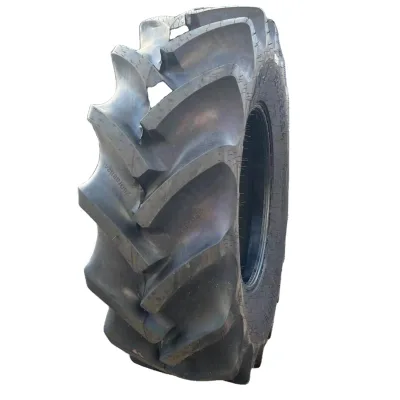
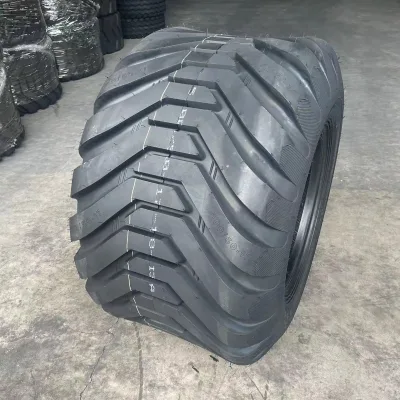


Agricultural Tractor Tyres 550/45-22.5 500/45-22.5 with Wheel 22.5X16.00
$300.00 - $400.00
MOQ: 20 Pieces


Factory Agricultural Tyre Harvester Tyre Front Farm Tyre off Road Tire
$40.00 - $100.00
MOQ: 10 Pieces


Comprehensive Sourcing Guide
Strategic Sourcing Guide for All-Season Tubeless Agricultural Tyres
Procuring all-season tubeless agricultural tyres requires a nuanced understanding of the intersection between mechanical specifications, regulatory compliance, and supply chain reliability. For buyers operating in the global market, particularly those targeting North American and European agricultural sectors, the selection process must move beyond simple price comparisons to a rigorous evaluation of product attributes that ensure operational continuity. The core keyword "All Season Tubeless Agricultural Tyre" represents a specific category of equipment where performance consistency across varying weather conditions and soil types is paramount. This guide outlines the critical factors buyers must verify when sourcing these components, utilizing observed market data to inform decision-making without making unverified claims about specific suppliers or inventory levels.
Technical Specifications and Design Architecture
The foundation of a successful procurement strategy lies in a precise definition of technical requirements. Agricultural tyres are not generic rubber products; they are engineered for specific load-bearing capacities and traction needs. In the current market, buyers will encounter a diverse range of diameters, with observed specifications spanning from 18 inches to 20 inches, and extending to sizes greater than or equal to 22 inches for heavy-duty applications. The physical construction of the tyre is equally critical. While radial construction is a dominant design feature in modern agricultural equipment, offering superior fuel efficiency and tread life, bias-belted designs are also available and may be preferred for specific tractor models or cost-sensitive applications.
Tread pattern selection is perhaps the most variable and application-dependent specification. Market observations indicate a wide array of patterns, including transverse patterns, cross-country tread patterns, and specialized designs such as turf, butterfly, straight line, and R1 patterns. The choice between these depends heavily on the intended terrain. For instance, a transverse or cross-country pattern may be essential for heavy tillage operations, whereas a straight line or turf pattern might be required for maintaining lawn quality in light agricultural settings. Furthermore, the distinction between tubeless and inner tube configurations is a fundamental decision point. While the core search term specifies tubeless, the market also offers inner tube options, and buyers must ensure the rim compatibility matches the selected tyre type.
The standardization of dimensions is another area requiring careful attention. Observed product standards include specific metric and imperial notations such as 17x8.00-8, 3.50-4, 4.00-8, 19x7-8, 6.00-10, and larger agricultural sizes like 30.5L-32 and 24.5-32. Additionally, metric specifications like 400/60-15.5 and 5.00-12 are prevalent. Buyers must verify that the ordered model matches the exact standard required by their machinery to avoid fitment issues. The color of the tyre is consistently observed as black, which is standard for rubber compounds, but the physical dimensions and structural design must align with the machinery's load index and speed rating requirements.
Compliance and Certification Verification
Navigating the regulatory landscape is a non-negotiable aspect of sourcing agricultural tyres, especially when importing from major manufacturing hubs in China. The market data reveals a spectrum of certifications that indicate varying levels of compliance with international safety and quality standards. Buyers should expect to see certifications such as ISO, which denotes adherence to international quality management systems. More specific regional certifications are also critical; for example, the GS mark is frequently observed, indicating German safety certification, while ECE and DOT are essential for vehicles operating in Europe and North America, respectively.
The presence of CCC (China Compulsory Certification) is common for products manufactured in China, but it does not automatically guarantee compliance with foreign markets. For buyers targeting the North American market, the DOT (Department of Transportation) certification is a mandatory verification point. Similarly, European buyers must ensure the tyres carry the ECE mark. Some listings also reference CE, FCC, RoHS, and FCC certifications, though the relevance of FCC and RoHS varies depending on the specific machinery's electronic components, if any. A robust compliance check involves requesting valid certification documents for the specific batch of tyres being purchased, rather than relying on general supplier claims. The "All Season" designation also implies that the tyre must perform reliably in wet, dry, and potentially light snow conditions, which often requires specific testing protocols that may be validated by these certifications.
Cost Drivers and Pricing Dynamics
Understanding the cost structure of agricultural tyres is essential for budgeting and negotiation. The observed price range in the market is extensive, spanning from $2 to $710 USD. This wide variance is not arbitrary but is driven by several key factors. The primary driver is the size and complexity of the tyre. A small 3.50-4 tyre for a mini tiller will naturally be at the lower end of the spectrum, while a massive 30.5L-32 tyre for a large harvester will command a significantly higher price. The construction type also influences cost; radial tyres generally carry a premium over bias-belted tyres due to the advanced manufacturing processes and materials required.
Another significant cost factor is the level of customization. The market data indicates that customized models are available, and buyers seeking specific tread patterns, load ratings, or sidewall markings may incur additional costs. The "Competitive Price" attribute often cited by suppliers suggests that while the base price may be attractive, the final cost is heavily dependent on the order volume and specific configuration. Buyers should also consider the packaging requirements. Standard export packing is common, but custom requests for bag, carton, or pallet configurations can affect the overall logistics cost. The "Competitive Price" claim should be treated as a baseline, with the understanding that the final invoice will reflect the specific combination of size, certification, and customization requested.
Typical Applications and Usage Scenarios
The versatility of all-season tubeless agricultural tyres is reflected in their diverse application base. The market data explicitly lists usage across a broad spectrum of machinery, including tractors, harvesters, cultivators, UTVs (Utility Task Vehicles), and mini tillers. This indicates that the supply chain supports both large-scale commercial farming operations and smaller, specialized agricultural tasks. For instance, tyres with R1 patterns and cross-country treads are ideal for heavy tillage and harvesting operations where deep traction is required. Conversely, turf and butterfly patterns are better suited for UTVs and light machinery used in landscaping or orchard management where surface damage must be minimized.
The "All Season" characteristic is particularly valuable for buyers in regions with variable weather patterns. These tyres are designed to maintain grip and structural integrity during wet seasons, dry harvest periods, and transitional weather. The classification of these products as "Agriculture Machinery" and "Farm Tractor" tyres confirms their primary role in food production and land management. However, the inclusion of "Applicable Industries: Machinery Repair Shops" suggests that these tyres are also a critical component for the maintenance and service sector, ensuring that repair shops have access to reliable replacements for a wide range of equipment. Buyers should match the specific tread pattern and load capacity to the machinery's primary function to maximize the lifespan and efficiency of the tyre.
Supplier Evaluation and Operational Reliability
Selecting the right supplier is as critical as selecting the right product. The observed data points to a concentration of manufacturing in specific regions of China, notably Qingdao, Shandong, and Weifang, Shandong. These locations are known for their rubber and tyre manufacturing capabilities. When evaluating suppliers, buyers should look for evidence of "Exceptional" quality and "Timely, Efficient, Convenient" service. The availability of "Online Support" for after-warranty service is a positive indicator of a supplier's commitment to long-term customer relationships.
Lead time is another crucial metric for procurement planning. The market data specifies a delivery time of "within 10-15 Days After Received Deposit." This is a relatively short lead time, which can be advantageous for buyers needing to restock inventory quickly. However, buyers must verify if this timeline applies to standard stock items or if customized orders require extended production periods. The minimum order quantity (MOQ) observed ranges from 10 to 1000 units, offering flexibility for both small-scale buyers and large distributors. A supplier that can accommodate a low MOQ while maintaining quality standards is highly valuable for testing new product lines or for smaller farms. Buyers should also verify the packing standards, ensuring that the "Bag/Carton/Pallet" or "Standard Export Packing" options are sufficient to protect the tyres during international transit.
Quality Control and Long-Term Procurement Considerations
Ensuring consistent quality over time requires a proactive approach to quality control. The market data highlights "Exceptional" quality as a key attribute, but this must be validated through independent testing or third-party inspections. Buyers should request detailed test results regarding tread wear, puncture resistance, and sidewall durability, especially for tyres intended for harsh operating conditions. The "Customized" nature of many products means that quality control protocols must be established for each specific order to ensure that the custom specifications are met without compromising structural integrity.
Long-term procurement considerations also involve the availability of spare parts and the consistency of the supply chain. A supplier that offers "Online Support" and maintains a reputation for "Efficient" service is better positioned to handle future issues or reorders. Buyers should also consider the environmental and regulatory trends affecting the agricultural sector. As regulations regarding emissions and sustainability evolve, tyres that are compliant with current standards (such as RoHS) may offer a competitive advantage in the future. Finally, the "Competitive Price" attribute should be balanced against the total cost of ownership, which includes factors like fuel efficiency (often better with radial tyres), tread life, and the frequency of replacement. By focusing on these long-term value drivers rather than just the initial purchase price, buyers can secure a more sustainable and cost-effective supply chain for their agricultural operations.
FAQs
What certifications are available for all season tubeless agricultural tyres?
Common certifications include ISO, GS, CCC, DOT, ECE, CE, FCC, and RoHS. Buyers targeting North America should verify DOT compliance, while European markets require ECE marks. These certifications ensure adherence to international safety and quality standards for the specific batch purchased.
Which tread patterns are suitable for different agricultural terrains?
Available patterns include transverse, cross-country, turf, butterfly, straight line, and R1. Transverse and cross-country treads suit heavy tillage, while turf and butterfly patterns are ideal for UTVs and light machinery. Selection depends on whether the priority is deep traction or surface protection.
Can I find all season tubeless agricultural tyres with customized models?
Yes, customized models are available for specific tread patterns, load ratings, and sidewall markings. Buyers must verify that the ordered model matches exact standards like 400/60-15.5 or 5.00-12 to avoid fitment issues. Customization may affect the final price and lead time.
What is the typical delivery time for these agricultural tyres?
The standard delivery time is within 10 to 15 days after receiving the deposit. This timeline applies to standard stock items, though customized orders might require extended production periods. Buyers should confirm if the lead time covers their specific configuration before placing an order.
How does the price range vary for all season tubeless agricultural tyres?
Prices range from 2 to 710 USD depending on size and construction complexity. Smaller tyres for mini tillers cost less, while large radial tyres for harvesters command higher prices. The final cost also reflects customization levels, packaging requirements, and the specific certification standards requested.
Which locations are the primary origins for these agricultural tyres?
Major manufacturing origins include Qingdao, Shandong, and Weifang, Shandong in China. These regions are known for rubber and tyre production capabilities. Buyers should verify the specific origin for their order to ensure consistency with quality expectations and logistical planning.
What are the standard diameter options for these tyres?
Observed diameters range from 18 inches to 20 inches, with some heavy-duty options being 22 inches or larger. Specific standards include 17x8.00-8, 3.50-4, and 6.00-10. Buyers must match the diameter to their machinery's load index and speed rating requirements.
Can I order all season tubeless agricultural tyres with low minimum quantities?
Yes, minimum order quantities range from 10 to 1000 units, offering flexibility for small buyers. Suppliers often accommodate lower MOQs for testing new product lines or smaller farms. Buyers should verify if the low MOQ applies to standard stock or customized configurations.