Source All Season Vacuum Excavator Tyre for Forklifts, Trucks, and Excavators
Compare 30 listings of All Season Vacuum Excavator Tyre designed for forklifts, trucks, and excavators. Buyers can review specifications like ply rates, tread patterns, and certifications to find suitable options for heavy-duty applications.
Key considerations
Products List


Hot Tyres Good Heat Dissipation Loader Excavator Tyres Construction Machinery Tires
$850.00 - $890.00
MOQ: 50 Pieces

Top Brand Fourd Tyres Shovel Excavator Tyres Construction Machinery Tires ISO9001 Tires
$850.00 - $890.00
MOQ: 50 Pieces

Excavator Shovel Tyres Sold Nylon Tyres China Factory Tires Container Tires
$850.00 - $890.00
MOQ: 50 Pieces


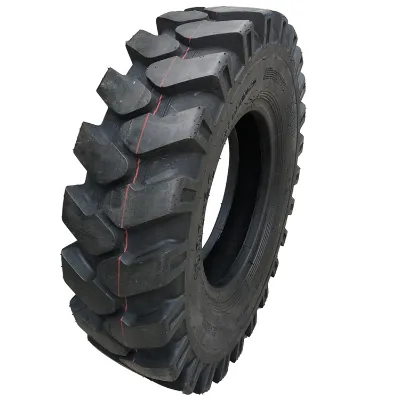


Heavy Duty Excavator Tire Impact Resistant Casing Self-Cleaning Tread
$240.00 - $330.00
MOQ: 30 Pieces

Heavy Duty Excavator Tire Impact Resistant Casing Strong Traction for Muddy Terrain
$95.00 - $142.00
MOQ: 30 Pieces

Premium Quality All-Terrain Industrial Tires for Tough Conditions (W-3EN) G-2
$200.00 - $1000.00
MOQ: 10 Pieces


Comprehensive Sourcing Guide
Strategic Sourcing Guide for All-Season Vacuum Excavator Tyres
Understanding the Technical Landscape of Vacuum Excavator Tyres
When sourcing all-season vacuum excavator tyres, buyers must first navigate a complex technical landscape where terminology and specifications vary significantly across global suppliers. The core keyword "vacuum excavator tyre" often refers to specialized equipment designed for heavy-duty earthmoving and utility work, yet the product attributes observed in the market reveal a diverse range of configurations. A critical observation is the distinction between tubeless and tube-type constructions. While some listings explicitly identify the product as a "Tubeless Tire" or "Vacuum Tire," others specify an "Inner Tube" requirement. This discrepancy necessitates a rigorous verification step where the procurement team must confirm the specific construction type required for their vacuum excavator models, as the sealing mechanism and maintenance protocols differ fundamentally between these two designs.
Furthermore, the structural integrity of these tyres is defined by their ply rating and cord material. The market data indicates a prevalence of high-strength constructions, with specific models offering 16-ply (16pr) and 14-ply (14pr) ratings. These ratings are not merely marketing terms but indicate the load-bearing capacity and resistance to deformation under the heavy stress of excavation work. The cord material is another pivotal specification; observed products utilize both steel wire and nylon. Steel wire cord materials typically offer superior cut resistance and structural stability for heavy loads, while nylon may provide different flexibility characteristics. Buyers must align the cord material with the specific operational environment, as the "Excellent Cut Resistance" attribute is frequently highlighted for tyres intended for rough terrain where debris is common.
The physical dimensions also play a decisive role in compatibility. The observed product range includes specific model numbers such as 9.00-20 and 8.25-20, alongside variations like 8.25-16 and 9.00-16. The width of these tyres is often specified as greater than 255mm, and the diameter ranges from 19 to 20 inches, with some general specifications noting diameters of 22 inches or more. The tread pattern is another variable that impacts performance; "Dual Purpose Tread Pattern" and "Transverse Pattern" are both observed. The choice between these patterns depends on the balance required between traction in soft soil and stability on hard surfaces. Additionally, the tyre design is noted as "Bias Belted Tyre," which influences the sidewall stiffness and heat dissipation characteristics essential for continuous operation in vacuum excavation scenarios.
Compliance and Certification Verification Protocols
In the B2B procurement of industrial tyres, compliance with international standards is not optional but a prerequisite for market access and operational safety. The observed product listings demonstrate a robust array of certifications, including GS, ECE, CCC, DOT, ISO, CE, FCC, and RoHS. However, the presence of these certifications in a product description does not automatically guarantee that every unit in a shipment possesses them. Buyers must treat these as potential attributes that require verification against the specific batch being ordered. For instance, while "ECE" and "DOT" are critical for road-legal applications in various jurisdictions, "FCC" and "RoHS" are typically associated with electronic components, suggesting that some listings may be aggregating certifications for a broader range of equipment or that the tyre product line includes electronic monitoring components.
The "CCC" (China Compulsory Certification) is a mandatory standard for products sold within the Chinese market, and its presence in the data indicates the product originates from a region where this is a baseline requirement. Similarly, "ISO" certification implies adherence to international management system standards, though the specific ISO standard (e.g., ISO 9001 for quality management) should be confirmed. The "CE" marking, while frequently observed in the background data, requires careful scrutiny to ensure it applies to the specific tyre model and not just the manufacturing facility. Buyers should request the actual certificate documents for the specific batch, rather than relying on the generic listing of certifications.
Standardization is another area requiring attention. The observed data lists specific standards such as "9.00-20 16PR TT" and "8.25-20 14PR TT," where "TT" denotes Tube Type. This confirms that the standard is tied to the specific construction and size. When sourcing, buyers must ensure that the supplier's stated standard matches the exact requirement of their machinery. The "Export Standard" packing mentioned in the data suggests that the packaging is designed to withstand international shipping, but this should be verified to ensure the tyres are protected from environmental damage during transit. The "Grade a New Tyre" and "Top" quality attributes observed in the listings are subjective claims that must be backed by objective quality control reports and test data provided by the supplier.
Cost Drivers and Pricing Structure Analysis
The pricing of all-season vacuum excavator tyres is influenced by a confluence of technical specifications, material costs, and logistical factors. The observed price range in the market spans from 10 to 1000 USD, a wide variance that reflects differences in size, ply rating, and brand positioning. A tyre with a 16-ply rating and steel wire cord will naturally command a higher price point than a 14-ply tyre with nylon cord, due to the increased material cost and manufacturing complexity. The "Customized" nature of many products in the data suggests that bespoke orders, which may involve unique tread patterns or specific dimension modifications, will incur additional costs compared to standard off-the-shelf inventory.
Minimum Order Quantity (MOQ) is a significant cost driver in this sector. The observed MOQ range of 10 to 200 units indicates that smaller buyers may face higher per-unit costs or may need to consolidate orders to meet the supplier's threshold. For buyers requiring a single unit or a very small batch, the effective cost per tyre will be significantly higher due to the fixed costs of production setup and logistics. Conversely, larger orders that meet the higher end of the MOQ range may benefit from economies of scale, reducing the unit price. The "Export Standard" packing and the origin from China also factor into the final landed cost, as shipping and insurance expenses for heavy industrial goods like tyres can be substantial.
Material costs, particularly for steel wire and rubber, are volatile and directly impact the base price of the tyre. The "High Load Performance" and "Anti-Puncture" attributes observed in the listings suggest the use of premium materials, which contribute to a higher price point. Buyers should analyze the cost breakdown to understand how much of the price is attributed to raw materials versus manufacturing overhead. Additionally, the "All Season" capability implies a compound formulation that can withstand varying temperatures, which may also add to the cost. It is essential for buyers to request a detailed quotation that separates the product cost, packaging, and logistics to accurately assess the total cost of ownership.
Typical Applications and Operational Requirements
The primary application for these tyres is clearly identified as "Excavator Tyre," with specific mentions of "Forklift/Excavator" and "Small Bias Excavator." This indicates that the tyres are designed for heavy machinery used in construction, mining, and utility work. The "All Season Tire" attribute suggests versatility in different climatic conditions, making them suitable for operations in regions with varying weather patterns. The "Dual Purpose Tread Pattern" and "Transverse Pattern" options cater to different operational needs, such as mixed terrain or specific soil conditions.
The "Low Pressure Tire" and "Kind: Vacuum Tire" classifications highlight the specific operational requirements of vacuum excavation equipment. These tyres are designed to provide a large contact patch to distribute the weight of the heavy machinery, preventing sinking in soft ground while maintaining stability. The "High Load Performance" attribute is critical here, as excavators and vacuum trucks often carry significant loads and operate in demanding environments. The "Cut Resistance" and "Anti-Puncture" features are particularly relevant for applications involving debris, rocks, and sharp objects commonly found in excavation sites.
The "Wheel Position: All Position" specification indicates that these tyres can be used on any wheel of the vehicle, offering flexibility in fleet management and replacement strategies. However, buyers must verify if the specific tyre model is suitable for the drive wheels or if it is intended for steering or trailer axles, as the performance characteristics may vary. The "OEM: Acceptable" attribute suggests that these tyres can be sourced for original equipment manufacturers, meaning they can be used as replacements for factory-installed tyres or for new equipment assembly. The "Quality: Grade a New Tyre" and "Top" quality claims reinforce the expectation that these tyres are intended for primary use rather than as secondary or backup units.
Supplier Evaluation and Sourcing Strategy
Evaluating suppliers for all-season vacuum excavator tyres requires a multi-faceted approach that goes beyond the basic product listing. The observed data indicates that products originate from "China" and specifically "Shandon Province, China." While this provides a geographical context, it does not guarantee the quality or reliability of the specific supplier. Buyers should conduct due diligence on the manufacturing facility, including verifying their production capacity, quality control processes, and history of compliance with international standards. The presence of multiple certifications in the listing is a positive indicator, but it must be validated through direct communication with the supplier.
The "Customized" and "Customization: Available" attributes suggest that the supplier is capable of tailoring products to specific buyer requirements. This flexibility is a valuable asset for buyers with unique operational needs. However, customization also introduces complexity in the supply chain, requiring clear communication of specifications and potentially longer lead times. Buyers should assess the supplier's ability to manage custom orders without compromising on quality or delivery schedules. The "Export Standard" packing is a standard requirement for international trade, but buyers should verify the specific packaging details to ensure the tyres are protected during transit.
Supplier reliability is further indicated by the "Quality: Grade a New Tyre" and "Top" attributes. Buyers should request references from other clients who have purchased similar custom or standard tyres from the supplier. The "High Load Performance" and "Excellent Cut Resistance" claims should be backed by test reports or third-party verification. Additionally, the "OEM: Acceptable" status suggests the supplier has experience working with major manufacturers, which is a strong indicator of their capability and reputation. Buyers should also consider the supplier's response time, communication clarity, and willingness to provide samples or detailed technical documentation before making a final commitment.
Quality Control and Long-Term Procurement Considerations
Ensuring consistent quality in the procurement of all-season vacuum excavator tyres is paramount for operational safety and efficiency. The observed attributes such as "New," "Grade a New Tyre," and "Top" quality suggest a focus on high standards, but these claims must be backed by rigorous quality control protocols. Buyers should implement a pre-shipment inspection process that verifies the physical dimensions, ply rating, and material composition of the tyres. The "Steel Wire" and "Nylon" cord materials should be confirmed through material analysis if necessary, especially for critical applications where failure could lead to significant downtime or safety hazards.
Long-term procurement considerations involve building a sustainable relationship with suppliers who can consistently deliver high-quality products. The "All Season" and "Dual Purpose" attributes indicate that the tyres are designed for longevity and versatility, but the actual lifespan will depend on the operating conditions and maintenance practices. Buyers should establish a maintenance schedule that includes regular inspections for wear, cut resistance, and pressure levels. The "Anti-Puncture" and "Cut Resistance" features are key selling points, but their effectiveness over time must be monitored to ensure they meet the expected performance standards.
The "Export Standard" packing and the "Shandon Province, China" origin suggest that logistics and supply chain stability are critical factors. Buyers should consider the lead times and the reliability of the shipping process when planning their inventory. The "MOQ" range of 10 to 200 units implies that buyers need to balance their inventory levels with the supplier's production capacity. For long-term procurement, establishing a framework for regular orders and potential volume discounts can help stabilize costs and ensure a steady supply of tyres. Finally, buyers should maintain open communication with suppliers regarding any changes in specifications or standards to ensure continued compliance and performance.
FAQs
What certifications are available for these tyres?
Available certifications include GS, ECE, CCC, DOT, ISO, CE, FCC, and RoHS. Buyers must verify that the specific batch ordered holds these documents, as listings may aggregate certifications for broader equipment lines rather than guaranteeing every unit.
Which ply ratings are offered for excavator applications?
Products are available with 16-ply and 14-ply ratings to handle heavy loads. The 16-ply option typically offers superior cut resistance and structural stability, making it suitable for rough terrain where debris is common during excavation work.
Can I find tubeless options for vacuum excavators?
Yes, tubeless and vacuum tire types are available alongside tube-type options. Procurement teams must confirm the specific construction type required for their machinery, as sealing mechanisms and maintenance protocols differ fundamentally between these two designs.
How is the cord material specified for these tyres?
Cord materials include steel wire and nylon depending on the specific model. Steel wire provides excellent cut resistance for heavy loads, while nylon offers different flexibility characteristics suited to varying operational environments and soil conditions.
What is the typical MOQ for these excavator tyres?
The observed minimum order quantity ranges from 10 to 200 units. Smaller buyers may face higher per-unit costs, while larger orders meeting the higher threshold benefit from economies of scale in production and logistics.
Which tread patterns are available for all-season use?
Dual purpose and transverse tread patterns are observed in the product listings. The choice depends on the balance required between traction in soft soil and stability on hard surfaces for continuous operation in vacuum excavation scenarios.
Where are these tyres manufactured and shipped from?
Products originate from China, specifically Shandon Province, with export standard packing. Buyers should verify the specific packaging details to ensure protection during transit and confirm the manufacturing facility's quality control processes.