Source Anodic Oxidation Square Battery Enclosure for Industry, Electronics, and Automation
Compare 30 listings for Anodic Oxidation Square Battery Enclosure from verified Chinese manufacturers. Buyers can evaluate customization options, material grades, and lead times for industrial and electronic equipment applications.
Key considerations
Products List


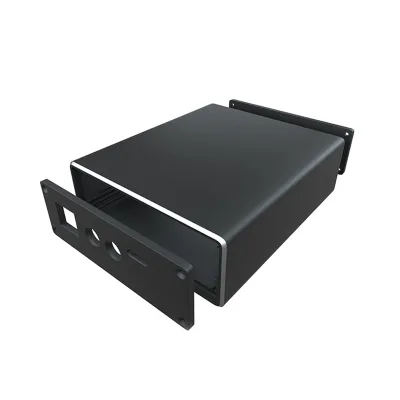


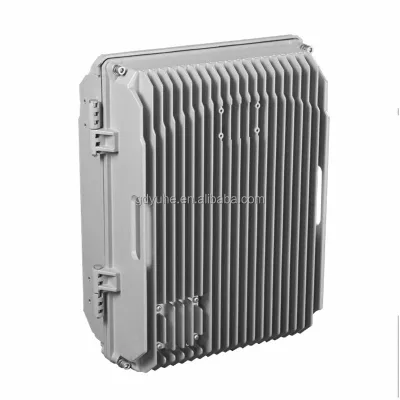

OEM Custom Sheet Metal Battery Box Steel Enclosure Bending Metal Box Enclosure
$15.25 - $50.00
MOQ: 1 Pieces


Comprehensive Sourcing Guide
Anodic Oxidation Square Battery Enclosure Sourcing Guide
Sourcing an Anodic Oxidation Square Battery Enclosure requires a disciplined approach that balances aesthetic durability with strict electrical safety standards. These enclosures serve as critical protective housings for lithium-ion and other battery systems, providing structural integrity while managing thermal loads and preventing short circuits. The anodizing process not only enhances the aluminum’s resistance to corrosion and wear but also offers a professional, matte finish that is highly valued in consumer electronics and industrial equipment. Buyers must navigate a market where customization is prevalent, ensuring that the final product meets specific dimensional tolerances and environmental ratings without compromising the structural integrity of the battery pack.
The procurement process involves verifying that the supplier can handle complex geometries, such as square profiles with tight inner radii, while maintaining consistent surface treatment quality. Since these enclosures often house sensitive electronic components, the choice of material—typically aluminum alloys—must be compatible with the anodizing process to ensure uniform coating thickness and adhesion. Buyers should focus on suppliers who demonstrate capability in both CNC machining and surface finishing, as these processes directly impact the fit and finish of the final assembly. Understanding the interplay between material selection, machining precision, and post-processing treatments is essential for securing a reliable supply chain that supports long-term product reliability.
Product Scope and Observed Listing Signals
The market for square battery enclosures exhibits a wide range of customization options, with many suppliers offering OEM and ODM services to meet specific design requirements. Observed listings indicate that materials primarily consist of aluminum, chosen for its lightweight properties and excellent thermal conductivity, which is vital for battery management systems. The surface treatment often includes anodic oxidation, which provides a hard, durable layer that resists scratching and corrosion, although some listings also mention powder coating or cold galvanized finishes for different environmental needs. Buyers should note that while aluminum is the dominant material, some enclosures may utilize ABS plastic for applications where electrical insulation is prioritized over heat dissipation, requiring careful verification of the material specification.
Dimensional flexibility is a key signal in the current market, with suppliers offering customizable lengths and standard models that can be adapted to specific battery cell configurations. Observed specifications include models with dimensions such as 50130.5160mm or 61111.5160mm, with the ability to customize length to accommodate varying battery capacities. The tolerance for these enclosures is typically tight, often around +/-0.10mm, ensuring that components fit securely within the housing. Additionally, the minimum inner radius is often specified as R1 to R2, which influences the design of the battery cells and the internal layout of the enclosure. Buyers must verify these dimensional constraints early in the sourcing process to ensure compatibility with their existing battery designs.
Technical Specifications to Verify
Verifying the technical specifications of anodic oxidation square battery enclosures is critical to ensuring proper fit and function. Buyers should confirm the alloy type and temper, as these factors influence the mechanical strength and machinability of the enclosure. Common alloys used in such applications are selected for their balance of strength and weight, with temper designations such as T3 indicating specific heat treatment processes that enhance durability. The thickness of the enclosure walls typically ranges from 0.1 to 20 mm, allowing for customization based on the required structural support and weight constraints. It is essential to verify that the chosen thickness does not compromise the thermal management capabilities of the aluminum housing.
Surface finish and coating quality are equally important technical considerations. The anodizing process should produce a uniform layer that meets specific thickness requirements, often measured in microns, to provide adequate protection against environmental factors. Buyers should inquire about the color options available, such as silver, black, or custom colors, and ensure that the dyeing process is compatible with the anodizing layer. Additionally, the IP rating of the enclosure must be verified, especially if the battery system is intended for outdoor or industrial use. While some listings mention IP ratings, the exact rating (e.g., IP65 or IP67) must be confirmed through testing or certification documents to ensure the enclosure provides sufficient protection against dust and water ingress.
Compliance and Safety Documentation
Compliance with international standards is a non-negotiable aspect of sourcing battery enclosures, particularly those used in electronic equipment. Buyers must ensure that the supplier holds relevant certifications, such as ISO 9001 for quality management, which indicates a systematic approach to manufacturing consistency. Additionally, environmental regulations like RoHS compliance are crucial, ensuring that the materials used in the enclosure and the anodizing process do not contain hazardous substances. CE marking may also be required for products sold in the European market, indicating conformity with health, safety, and environmental protection standards. Buyers should request copies of these certifications and verify their validity with the issuing bodies.
Safety documentation should also include material safety data sheets (MSDS) for the aluminum alloys and any coatings used, as well as test reports for flame retardancy and thermal stability. Battery enclosures must withstand potential thermal runaway events, so verifying the flammability rating of the materials is essential. Buyers should also check for compliance with specific industry standards, such as GB standards in China, which may dictate additional safety requirements for battery housings. Ensuring that the supplier can provide comprehensive documentation not only facilitates regulatory approval but also builds trust with end-users who prioritize safety and environmental responsibility.
Cost Drivers and Commercial Terms
The cost of anodic oxidation square battery enclosures is influenced by several factors, including material prices, machining complexity, and surface treatment requirements. Aluminum prices fluctuate based on global market conditions, directly impacting the base cost of the enclosure. The complexity of the design, such as the presence of tight tolerances or custom features, can increase machining time and tooling costs. Additionally, the anodizing process adds to the overall cost, with thicker coatings or custom colors requiring more resources and time. Buyers should request detailed cost breakdowns to understand how these factors contribute to the final price and identify areas where cost savings might be possible without compromising quality.
Commercial terms, including minimum order quantities (MOQ) and lead times, vary significantly among suppliers. Observed MOQs range from as low as 2 pieces for prototyping to 1000 pieces for mass production, allowing buyers to scale their orders based on demand. Lead times for mass production typically range from 7 to 25 days, depending on the complexity of the order and the supplier’s current workload. Buyers should negotiate clear delivery schedules and penalty clauses for delays to mitigate supply chain risks. Additionally, payment terms and shipping arrangements should be clearly defined to avoid unexpected costs and ensure smooth transaction processes.
Supplier Qualification and Quality Control
Evaluating supplier qualification is essential to ensuring consistent quality and reliable delivery. Buyers should assess the supplier’s manufacturing capabilities, including their CNC machining equipment and anodizing facilities, to verify that they can meet the required specifications. Experience in producing battery enclosures for similar applications is a strong indicator of capability, as it suggests familiarity with the specific challenges of this product category. Buyers should also review the supplier’s quality control processes, including in-process inspections and final testing procedures, to ensure that every unit meets the agreed-upon standards.
Quality control should extend to the verification of surface treatment quality, including adhesion tests and thickness measurements for the anodizing layer. Buyers should request sample units for evaluation before committing to large orders, allowing them to assess the fit, finish, and overall quality of the product. Additionally, suppliers should provide traceability for materials, ensuring that the aluminum alloys used meet the specified standards. Establishing a clear communication channel for addressing quality issues and implementing corrective actions is crucial for maintaining long-term supplier relationships and ensuring product consistency.
Long-Term Procurement Checks
Long-term procurement success depends on continuous monitoring of supplier performance and market trends. Buyers should regularly review supplier metrics, such as on-time delivery rates, defect rates, and responsiveness to issues, to identify potential risks early. Building a diversified supplier base can mitigate the impact of supply chain disruptions, allowing buyers to switch sources if necessary. Additionally, staying informed about advancements in materials and manufacturing technologies can help buyers identify opportunities for cost reduction or performance improvement.
Regular audits of supplier facilities and quality management systems are recommended to ensure ongoing compliance with standards and specifications. Buyers should also engage in collaborative discussions with suppliers to explore opportunities for design optimization and cost savings. By maintaining a proactive approach to supplier management, buyers can ensure a stable supply of high-quality anodic oxidation square battery enclosures that support their product’s success and reliability in the market.
FAQs
What customization options are available for anodic oxidation square battery enclosures?
Customization is available for dimensions, colors, and surface finishes. Buyers can select from silver, black, yellow, or custom colors. Lengths can be adjusted to meet specific project requirements while maintaining structural integrity.
Which certifications do these aluminum enclosures typically hold?
These enclosures commonly hold ISO, RoHS, and CE certifications. Some products also meet SONCAP and CIQ standards. Buyers should verify specific certification documents for their target markets before placing orders.
How long is the lead time for mass production of these units?
Mass production lead times range from 7 to 25 days depending on order volume. Some standard models may be delivered within 2 to 4 weeks. Customized orders might require additional time for finishing and quality checks.
What is the minimum order quantity for purchasing these enclosures?
Minimum order quantities vary by product model, ranging from 2 to 100 pieces. Some specific models allow orders as low as 5 pieces. Buyers should check the specific MOQ for their selected model before negotiating.
Can these enclosures be sourced from manufacturers in Guangdong, China?
Yes, many manufacturers are located in Guangdong, China. These facilities offer OEM and ODM services for electronic equipment. Buyers can request factory audits to verify production capabilities and quality control processes.
What surface treatments are applied to these aluminum profiles?
Surface treatments include powder coating, cold galvanizing, and mechanical polishing. Custom finishing options are also available to meet specific aesthetic or functional needs. The choice depends on the intended application environment.
Which specifications are available for the aluminum battery case models?
Available specifications include diameters up to 2500 mm and thicknesses from 0.1 to 20 mm. Lengths can be customized up to 3000 mm. Various standard models exist with fixed dimensions for immediate use.