Source Anodized Aluminium Threshold Plate for Doors, Windows, and Stairs
Compare 30 listings for Anodized Aluminium Threshold Plate suitable for doors, windows, and stairs. Buyers can evaluate specifications like thickness, temper, and surface finish from verified suppliers in China.
Key considerations
Products List


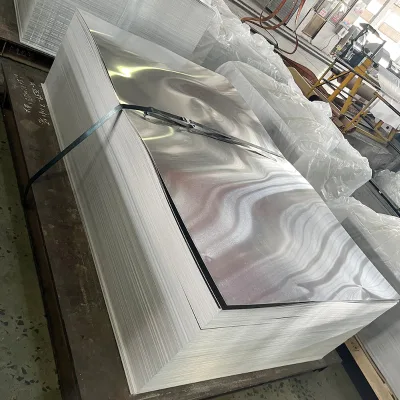


Lightweight Aluminum Plate for Easy Handling and Versatile Applications
$2325.00 - $2625.00
MOQ: 1 Tons


Comprehensive Sourcing Guide
Strategic Sourcing Guide for Anodized Aluminium Threshold Plates
Understanding Technical Specifications and Material Grades
When sourcing anodized aluminium threshold plates, the primary objective is to identify components that meet rigorous dimensional and material standards while ensuring long-term durability in high-traffic environments. The market offers a diverse range of aluminium alloys, with the supplied data indicating specific availability of grades such as 1050, 1060, 1100, 3003, 3105, 5052, 5083, and 5086. These alloys are selected based on their specific mechanical properties, with the 6000 series, particularly the 60 Series, being prominent for window, door, and threshold applications due to their excellent extrudability and strength.
The physical dimensions of these threshold plates are critical for installation compatibility. Buyers must verify that the supplier can accommodate thickness requirements ranging from 1.0 mm to 10 mm. The standard width typically spans between 1,000 mm and 2,200 mm, while lengths can extend from 1,000 mm up to 6,000 mm. For specific standard sizes, common configurations include 1000x2000 mm, 1200x2400 mm, 1220x2440 mm, and 1250x2500 mm. The shape of the profile is equally important; the data highlights T-profiles as a standard configuration, which is essential for the structural integrity of threshold transitions. Additionally, the temper of the aluminium, ranging from O (annealed) to H112 (strain-hardened), dictates the final hardness and resistance to deformation under load.
Surface finishing is a defining characteristic of the product. The core keyword specifies "anodized," and the available data confirms that Anodic Oxidation is a primary surface treatment method, often paired with polishing or mill finishes. This process not only enhances corrosion resistance but also provides a consistent aesthetic finish. The precision of the manufacturing process is another technical pillar, with processing precision observed in the range of 0.01 to 0.02 mm. This level of accuracy is vital for threshold plates, which must fit seamlessly between flooring materials to prevent tripping hazards and ensure weatherproofing.
Compliance, Certification, and Regulatory Standards
Navigating the compliance landscape is essential for international procurement, as threshold plates often serve as critical safety and building components. The supply chain for these products frequently involves multiple certification layers to ensure adherence to global and regional standards. Buyers should expect to encounter certifications such as ISO, RoHS, CE, GS, and ASTM. The data specifically notes the presence of ASTM, ISOTemper (likely a data artifact referring to ISO and Temper), and EN standards. Furthermore, specific regional certifications like SONCAP, CIQ, and TUV may be relevant depending on the destination market.
For structural and material integrity, the ASTM standard is frequently cited, alongside GB (Guobiao) standards for domestic Chinese manufacturing. The data also references ASTMB, EN, and GB, indicating a robust compliance framework for aluminium alloys. When evaluating a supplier, it is imperative to verify that the specific batch of threshold plates carries the relevant documentation for these standards. The presence of SGS, GB, and ASTM in the standard specifications suggests that third-party verification is a common practice in this sector.
Buyers must also consider the "Custom" nature of the product standard. While standard sizes exist, the ability to customize the standard to specific project requirements is a key feature. This customization often requires additional verification of material composition and surface treatment processes to ensure they still meet the baseline safety and performance certifications. The "Custom" standard designation implies that the supplier can tailor the product to specific regulatory needs, but the buyer must explicitly request proof of compliance for these custom configurations before finalizing the order.
Cost Drivers and Pricing Variables
The pricing structure for anodized aluminium threshold plates is influenced by a complex interplay of material costs, processing complexity, and order volume. The observed price range in the market spans from $0.10 to $3,450, a wide variance that reflects the difference between small sample units and large-scale industrial orders. The cost is heavily driven by the alloy selection; higher-grade alloys like the 5000 and 6000 series typically command a premium over the 1000 series due to their superior strength and corrosion resistance.
Production time is another significant cost factor. The standard CNC production time is listed as 10 to 30 days, which impacts the overall project timeline and potentially the logistics costs associated with expedited shipping. Conversely, sample production is faster, with a lead time of 2 to 3 days and a sample cost of $15. This distinction is crucial for buyers who need to validate the product quality before committing to a large order. The "Used" condition of some listed products suggests a secondary market exists, which may offer lower prices but introduces variability in quality and remaining lifespan.
Minimum Order Quantity (MOQ) is a critical economic consideration, with observed ranges from 1 to 2,000 units. For small-scale projects or prototyping, an MOQ of 1 is advantageous, allowing for low-risk testing. However, for large construction projects, the ability to order up to 2,000 units or more may unlock better per-unit pricing. The packaging method also influences cost; options range from standard cartons to export-worthy wooden pallets. The latter, while more expensive, is necessary for sea freight to prevent damage during long-distance transport, adding to the total landed cost.
Typical Applications and Industry Use Cases
Anodized aluminium threshold plates are versatile components designed for a wide array of applications, primarily in industrial and architectural sectors. The data explicitly states that these products are "Generally Used in Industry and Architecture," highlighting their dual role in functional infrastructure and aesthetic design. In architectural contexts, they are frequently employed in window and door installations, where the 60 Series T-profiles provide a seamless transition between interior and exterior spaces.
Beyond basic entryways, these plates are utilized in decoration applications, where the anodized finish provides a durable, low-maintenance surface that resists fading and scratching. The ability to customize the product allows for integration into diverse design schemes, from modern commercial buildings to residential complexes. The "Metal-Cutting CNC Machine Tools" and "Metal-Forming CNC Machine Tools" processes mentioned in the data indicate that these plates can be fabricated for complex geometries required in specialized industrial settings.
The application of these plates extends to areas requiring high durability and safety. The "High-End CNC Machine Tools" classification suggests that the manufacturing equipment used to produce these thresholds is capable of handling demanding production requirements. This makes them suitable for high-traffic commercial environments such as airports, shopping malls, and office buildings where wear and tear are significant concerns. The specific mention of "Decorations" alongside "Industry" underscores the product's ability to balance aesthetic appeal with functional robustness.
Supplier Evaluation and Manufacturing Capabilities
Evaluating a supplier for anodized aluminium threshold plates requires a deep dive into their manufacturing capabilities and logistical infrastructure. The data indicates that production origins are primarily located in Ningbo and Guangdong, China, which are major manufacturing hubs known for their aluminium processing expertise. Buyers should verify the specific location of the factory to assess logistics efficiency and potential shipping costs.
The manufacturing process is characterized by the use of CNC/MNC (Numerical Control) technology, ensuring high precision and consistency. The "Closed-Loop Control" method for the movement of the machinery suggests advanced automation, which reduces human error and improves the quality of the final product. The ability to offer "Customization" is a key differentiator, allowing suppliers to meet unique project specifications. However, buyers must confirm that the customization process maintains the integrity of the anodized finish and the structural properties of the aluminium alloy.
Logistics and packaging are also critical evaluation points. The data lists various packing options, including "Carton," "Export Sea Worthy Wooden Pallet," and "Strong Sea Worthy Wooden Packing." A reputable supplier will offer robust packaging solutions that protect the anodized surface from scratches and damage during transit. The "Sea-Worthy Wooden Pallet" option is particularly important for international buyers, as it ensures the product can withstand the rigors of ocean freight. Additionally, the "Sample Production Time" of 2-3 days indicates a responsive supply chain capable of quick turnaround for prototyping and validation.
Quality Control and Long-Term Procurement Considerations
Maintaining quality control throughout the procurement lifecycle is essential for ensuring the longevity and performance of anodized aluminium threshold plates. The "Surface Treatment" of Anodic Oxidation must be applied uniformly to prevent corrosion and ensure a consistent appearance. Buyers should request detailed specifications regarding the thickness of the anodized layer and the hardness of the finish, as these factors directly impact the product's resistance to wear and environmental exposure.
The "Condition" of the product is another critical factor. While "Used" products are listed, new production is generally preferred for threshold plates to ensure full compliance with current safety standards and material specifications. The "Process Usage" includes Metal-Cutting, Metal-Forming, and Non-Conventional Machine Tools, indicating a versatile manufacturing capability that should be leveraged for quality assurance.
Long-term procurement considerations involve establishing a reliable supply chain that can consistently deliver products meeting the required standards. The "CNC Production Time" of 10-30 days suggests a lead time that must be factored into project schedules. Buyers should also consider the "Standard Size" availability versus the need for custom dimensions, as custom orders may have longer lead times and higher costs. Finally, the "Temper" range from O to H112 should be carefully selected based on the specific load-bearing requirements of the installation site to ensure the threshold plate performs reliably over its intended lifespan.
| Feature | Standard Specification | Customization Option |
|---|---|---|
| Material | 1050, 1060, 3003, 5052, 6000 Series | Available upon request |
| Thickness | 1.0 - 10 mm | Customizable |
| Width | 1,000 - 2,200 mm | Customizable |
| Length | 1,000 - 6,000 mm | Customizable |
| Surface | Anodized / Polished | Custom Finish |
| Certification | ASTM, ISO, CE, RoHS | Verified per batch |
| Packaging | Wooden Pallet / Carton | Custom Packaging |
| Origin | Ningbo / Guangdong, China | N/A |
FAQs
What certifications are available for anodized aluminium threshold plates?
Available certifications include ISO, RoHS, CE, GS, and ASTM. Some products also meet EN, GB, and ASTMB standards, ensuring compliance with international safety and material requirements for industrial and architectural applications.
Which aluminium alloys are used for these threshold plates?
Common alloys include 1050, 1060, 1100, 3003, 3105, 5052, 5083, and 5086. The 6000 series is also prominent for window and door applications, offering excellent extrudability and strength for high-traffic environments.
How long does sample production take for anodized aluminium threshold plates?
Sample production typically takes 2 to 3 days with a cost of $15. Standard CNC production time ranges from 10 to 30 days, depending on the complexity of the customization and order volume requirements.
Can the product standard be customized for specific projects?
Yes, customization is available for product standards, dimensions, and specifications. Buyers can request specific thicknesses between 1.0 to 10 mm and widths from 1,000 to 2,200 mm to match unique architectural or industrial needs.
What surface treatments are applied to anodized aluminium threshold plates?
Primary surface treatments include Anodic Oxidation, Anodized, Polished, and Mill Finish. These processes enhance corrosion resistance and provide a consistent aesthetic finish suitable for both interior and exterior architectural applications.
Where are the manufacturing facilities for these plates located?
Manufacturing origins are primarily located in Ningbo and Guangdong, China. These regions are major hubs for aluminium processing, offering efficient logistics and access to high-end CNC machine tools for precision manufacturing.