Source Anti-aging Moisturizing Facial Essence Lotion for Face
Source anti-aging moisturizing facial essence lotion from 30 verified suppliers in China. Compare features like firming, whitening, and anti-wrinkle benefits across models such as TY-102 and NZ-180. Options include custom packaging and certifications like CE, FDA, and GMP for global B2B procurement.
Updated
Key considerations
Products List
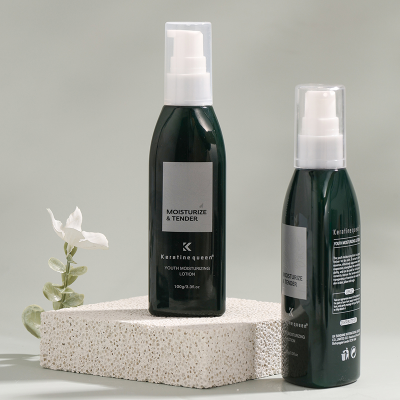
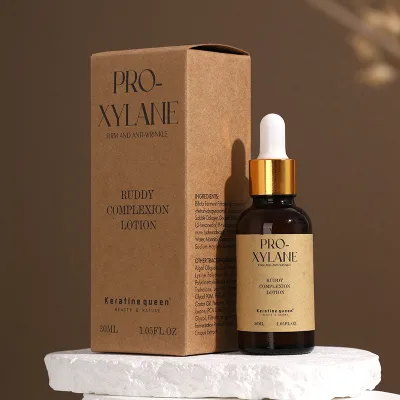


Beauty Cosmetics Skin Care Hydration Face Lotion Anti-Aging Men's Face Lotion
$2.45 - $3.00
MOQ: 100 Pieces


Beauty Cosmetics Skin Care Male Firming Facial Lotion Anti Aging Super Serum
$1.80 - $2.40
MOQ: 100 Pieces
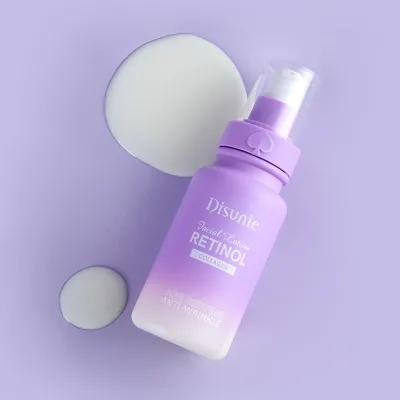
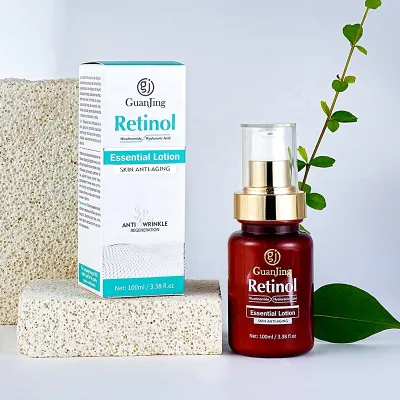
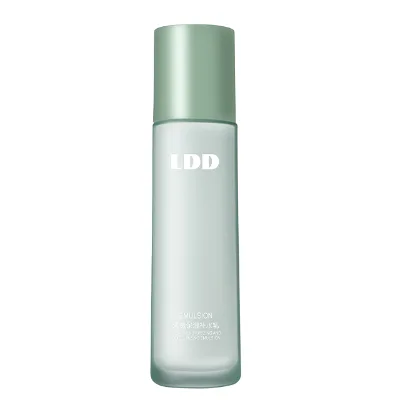


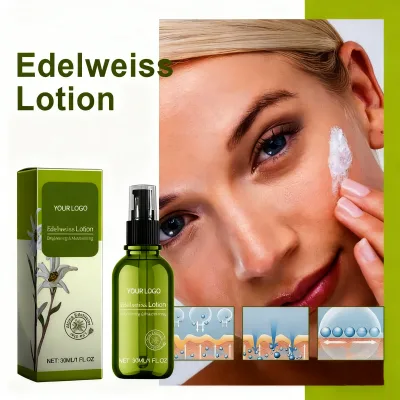


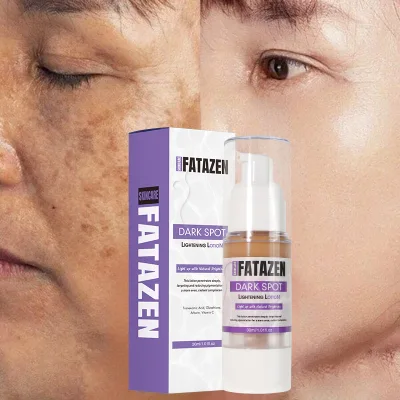
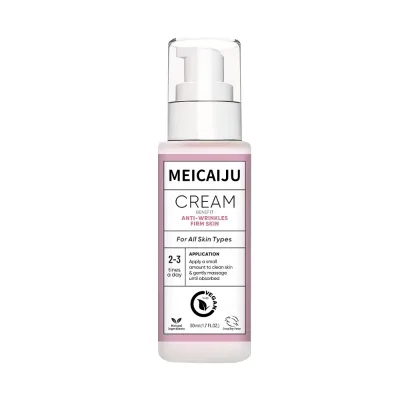
Comprehensive Sourcing Guide
Anti-Aging Moisturizing Facial Essence Lotion Sourcing Guide
Sourcing anti-aging moisturizing facial essence lotion requires a clear understanding of the diverse product formulations currently available in the global market. Buyers must distinguish between lotions designed for specific skin concerns, such as wrinkle reduction and firming, versus those focused on general hydration and brightening. The observed listings indicate a wide range of features, including anti-wrinkle, firming, moisturizing, and whitening properties, which directly impact the target demographic and marketing strategy. Procurement teams should align their selection with the intended end-user, whether targeting adults seeking age-defying benefits or individuals looking for basic skin revitalization.
It is critical to evaluate the primary ingredients listed on supplier profiles to ensure they match your brand’s quality standards and regulatory requirements. Common ingredients observed include hyaluronic acid, niacinamide, aloe vera, glycerin, green tea, and collagen, each offering distinct benefits for skin health. Some products emphasize organic or cruelty-free formulations, while others rely on chemical ingredients for efficacy. Buyers must verify the exact composition to avoid discrepancies between marketing claims and actual product content, ensuring that the essence lotion delivers the promised anti-aging and moisturizing effects to consumers.
Product Scope and Observed Listing Signals
The current market landscape for anti-aging facial lotions shows significant variation in target areas and application methods. While many products are explicitly labeled for facial use, some listings extend their scope to include hand care or broader body applications. This distinction is vital for procurement, as facial formulations typically require higher purity standards and more sophisticated active ingredient concentrations compared to body lotions. Buyers should carefully review the specified target area to ensure the product aligns with their specific retail or private-label needs, avoiding unintended inventory of body-care items when facial essence is required.
Gender-specific marketing is another observed signal that influences product positioning and packaging design. Listings indicate options tailored for female consumers, as well as specialized formulations for male users, such as men’s face lotions. Additionally, some products are marketed for all ages or all skin types, suggesting a broader appeal. Procurement teams must assess whether their brand strategy requires gender-neutral packaging or specialized designs, as this affects customization costs and supply chain complexity. Understanding these signals helps in selecting suppliers who can provide the appropriate aesthetic and functional attributes for the final product.
Technical Specifications to Verify
Model numbers and product codes serve as essential identifiers for tracking inventory and verifying specific formulations. Observed model numbers such as TY-102, NZ-180, FL, and VCAS indicate that suppliers offer distinct product lines with unique characteristics. Buyers must request detailed specifications for each model to understand differences in viscosity, absorption rate, and active ingredient concentration. Verifying these technical details ensures that the selected essence lotion meets the desired performance criteria, particularly for anti-aging claims that depend on the efficacy of key ingredients like niacinamide or hyaluronic acid.
Packaging standards and volume capacities are critical technical specifications that impact logistics and shelf appeal. Standard sizes observed include 30ml and 150ml containers, with options for normal packaging or custom designs. Customization availability allows brands to tailor packaging to their identity, but it may introduce additional lead times and minimum order quantities. Buyers should confirm the material quality of the packaging to ensure it protects the sensitive active ingredients from degradation. Additionally, verifying the shelf life, which is often listed as three years, helps in planning inventory turnover and minimizing waste due to expiration.
Compliance and Safety Documentation
Regulatory compliance is non-negotiable when sourcing cosmetic products, particularly those making anti-aging and skin-revitalizing claims. Suppliers in the observed listings frequently cite certifications such as CE, GMP, MSDS, and FDA, which indicate adherence to specific manufacturing and safety standards. Buyers must verify the validity and scope of these certifications, ensuring they cover the specific product type and target market. For instance, FDA registration may be required for products sold in the United States, while CE marking is essential for European markets. Relying on unverified claims can lead to regulatory penalties and product recalls.
Material safety data sheets (MSDS) provide crucial information about the chemical composition and handling requirements of the essence lotion. These documents help procurement teams assess potential risks associated with storage and transportation. Additionally, verifying that products are cruelty-free, as noted in some listings, aligns with ethical sourcing policies and consumer preferences. Buyers should request up-to-date MSDS and certification documents for each batch to ensure consistency and compliance. This diligence protects the brand’s reputation and ensures that the products meet the legal requirements of all jurisdictions where they will be sold.
Cost Drivers and Commercial Terms
Pricing for anti-aging moisturizing facial essence lotion varies significantly based on ingredient quality, packaging complexity, and order volume. Observed price ranges indicate that costs can be optimized through bulk purchasing, with minimum order quantities (MOQs) ranging from as low as one piece to several thousand units. Buyers should negotiate MOQs that balance inventory risk with cost efficiency, especially when testing new formulations or entering new markets. Understanding the cost structure helps in forecasting margins and determining the competitive pricing strategy for the final retail product.
Customization services, such as private labeling and custom packaging, often incur additional costs and may affect lead times. Suppliers offering customization allow brands to differentiate their products, but this service typically requires higher MOQs and longer production cycles. Buyers must factor these variables into their procurement timeline and budget. Additionally, the availability of stock, indicated by quantities like 10,000 units, can influence pricing and delivery speed. Clear communication regarding commercial terms, including payment methods and shipping responsibilities, is essential to avoid unexpected expenses and ensure smooth supply chain operations.
Supplier Qualification and Quality Control
Supplier location and manufacturing capabilities are key factors in assessing reliability and quality. Many observed suppliers are based in Guangdong or Guangzhou, China, regions known for their robust cosmetic manufacturing infrastructure. Buyers should conduct thorough due diligence to verify the supplier’s production capacity, quality control processes, and track record. Requesting samples is a critical step to evaluate the product’s texture, scent, and efficacy before committing to large orders. This hands-on assessment helps ensure that the essence lotion meets the brand’s quality standards and performs as advertised.
Quality control protocols should be established to monitor consistency across production batches. Buyers must inquire about the supplier’s testing procedures for ingredients like aloe vera, glycerin, and green tea extracts to ensure purity and potency. Implementing regular audits or third-party inspections can further mitigate risks associated with product variability. Additionally, verifying the supplier’s ability to maintain certification standards throughout the production process is essential. A robust quality control framework protects the brand from defects and ensures that every unit delivered meets the high expectations of consumers seeking anti-aging benefits.
Long-Term Procurement Checks
Building a sustainable supply chain requires ongoing monitoring of supplier performance and market trends. Buyers should establish key performance indicators (KPIs) to track delivery times, product quality, and responsiveness to issues. Regular communication with suppliers helps in addressing potential disruptions early and maintaining a steady flow of inventory. Additionally, staying informed about changes in regulatory requirements and consumer preferences ensures that the product line remains relevant and compliant. Proactive relationship management fosters trust and collaboration, leading to better pricing and priority service during high-demand periods.
Continuous evaluation of product formulations and ingredient trends is vital for maintaining a competitive edge. As new anti-aging ingredients emerge, buyers should assess whether their current suppliers can adapt to these innovations. This flexibility allows brands to introduce updated products that meet evolving consumer demands. Furthermore, reviewing shelf life and storage conditions periodically helps in optimizing inventory management and reducing waste. By maintaining a vigilant approach to procurement, buyers can ensure long-term success and customer satisfaction in the dynamic cosmetic market.
FAQs
What certifications do the anti-aging moisturizing facial essence lotion products have?
The products hold CE, GMP, MSDS, and FDA certifications. These credentials ensure compliance with international safety and manufacturing standards. Buyers can verify these documents to confirm regulatory adherence for their target markets. The certifications cover quality control and material safety for global distribution.
Can the anti-aging moisturizing facial essence lotion be customized for branding?
Yes, customization is available for branding and packaging. Buyers can request custom packaging designs to match their brand identity. The manufacturer supports tailored solutions for private label requirements. This flexibility allows businesses to create unique product presentations while maintaining consistent quality and ingredient standards.
What is the minimum order quantity for the anti-aging moisturizing facial essence lotion?
The minimum order quantity ranges from 1 to 5000 pieces depending on the specific model. Some items require a minimum of 100 pieces. This flexible MOQ structure accommodates both small trial orders and large bulk purchases. Buyers can select quantities that align with their inventory needs and budget constraints.
Which ingredients are used in the anti-aging moisturizing facial essence lotion?
Key ingredients include hyaluronic acid, niacinamide, aloe vera, glycerin, green tea, and collagen. These components provide moisturizing, firming, and anti-wrinkle benefits. The formulations are designed for all skin types and target areas like the face and hands. Organic and cruelty-free options are also available for specific product lines.
Where are the anti-aging moisturizing facial essence lotion products manufactured?
The products are manufactured in Guangdong and Guangzhou, China. This region is known for its robust cosmetics manufacturing infrastructure. Buyers can source directly from these locations to ensure quality control and efficient logistics. The origin supports reliable supply chains for international distribution and export requirements.
What features does the anti-aging moisturizing facial essence lotion offer?
The lotion offers anti-aging, anti-wrinkle, firming, moisturizing, and whitening features. It also includes nourishing and skin revitalizing properties. Some variants provide exfoliating and acne treatment benefits. These multifunctional attributes make the product suitable for comprehensive skincare routines targeting various cosmetic concerns and skin improvement goals.