Source Anti-Aging Microneedling Cartridge for Salon Home Spa
Compare 30 verified listings for Anti-Aging Microneedling Cartridge featuring stainless steel needles in various lengths. Buyers can evaluate options for salon, home, and skin management applications with OEM support and sterilized packaging available.
Key considerations
Products List


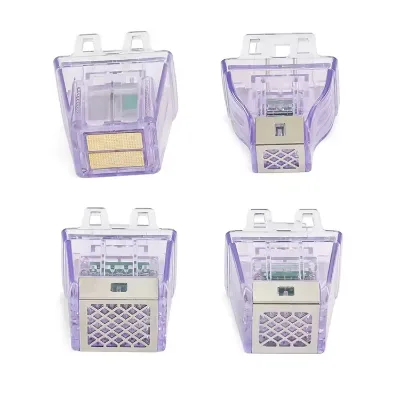
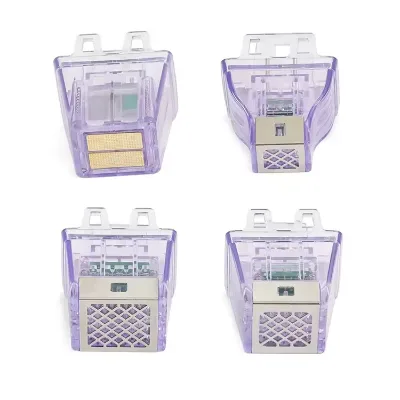
Comprehensive Sourcing Guide
Strategic Sourcing Guide for Anti-Aging Microneedling Cartridges
The global demand for professional-grade aesthetic devices has driven a significant shift toward specialized consumables, particularly anti-aging microneedling cartridges. For procurement professionals in the beauty and medical aesthetics sectors, sourcing these components requires a nuanced understanding of technical specifications, regulatory compliance, and supply chain reliability. The market presents a complex landscape where "microneedling" often overlaps with tattooing and radiofrequency (RF) technologies. A disciplined approach to sourcing ensures that the selected cartridges meet the rigorous safety and efficacy standards required for clinical and salon environments. This guide outlines the critical factors buyers must evaluate when procuring these devices, focusing on verified attributes and industry best practices.
Technical Specifications and Needle Configuration
The core functionality of an anti-aging microneedling cartridge relies heavily on its needle configuration and material composition. Procurement teams must first distinguish between the various needle types available in the market. The observed product data indicates a wide range of needle counts, including 12, 36, Nano, 3D, and 5D configurations. The selection of needle count directly influences the treatment depth and surface area coverage. For anti-aging applications targeting fine lines and skin rejuvenation, specific needle counts are often preferred to balance efficacy with patient comfort.
Equally critical is the needle length, which determines the depth of dermal penetration. The available specifications list lengths ranging from 0.25mm to 2.5mm, with intermediate steps at 0.5mm, 1.0mm, and 1.5mm. In the context of anti-aging treatments, shorter lengths such as 0.25mm and 0.5mm are typically utilized for superficial collagen induction, while deeper lengths may be reserved for more intensive scar revision or body treatments. Buyers must verify that the cartridges they source offer the specific length range required for their treatment protocols.
The material of the needles is a non-negotiable safety factor. The standard specification for these devices is stainless steel, which offers the necessary rigidity and biocompatibility. However, the manufacturing process and the specific alloy grade are often opaque in general listings. Procurement officers should request material safety data sheets (MSDS) or specific alloy certifications to ensure the steel meets medical-grade standards. Additionally, the compatibility with the driving device is paramount. The data notes that these cartridges are designed to be used together with Dermapen systems and other RF equipment. Ensuring a precise mechanical fit between the cartridge and the pen is essential to prevent needle wobble, which can cause tissue damage and compromise treatment results.
Regulatory Compliance and Certification Verification
Navigating the regulatory landscape is perhaps the most critical step in sourcing medical aesthetic consumables. The market contains products with varying levels of certification, and buyers must rigorously verify these claims before placing orders. The observed product data highlights several key certifications, including Medical CE, ISO13485, RoHS, and PSE. These certifications indicate that the manufacturer adheres to specific European and international safety and quality management standards.
ISO13485 is particularly significant as it is the international standard for medical device quality management systems. A supplier holding this certification demonstrates a commitment to consistent manufacturing processes and risk management. Similarly, the Medical CE mark indicates conformity with health, safety, and environmental protection standards for products sold within the European Economic Area. Buyers should not rely on the mere presence of a certification logo; instead, they must request valid certificate numbers and verify their authenticity with the issuing bodies.
Sterilization is another vital compliance aspect. The data indicates that products are often sterilized using E.O. Gas (Ethylene Oxide). This method is effective for medical devices but requires strict control to ensure no toxic residues remain. Procurement teams must confirm that the sterilization process is validated and that the packaging maintains sterility until the point of use. The standard packaging often involves a carton box with specific internal counts, such as 100 pieces per bag or 10 pieces per box. Buyers should inspect the packaging integrity to ensure it meets the requirements for sterile barrier systems.
Cost Drivers and Pricing Structures
Understanding the cost structure of microneedling cartridges is essential for budgeting and margin analysis. The observed price range in the market is exceptionally broad, spanning from $0.30 to $1,780 USD. This variance is not indicative of a single product type but rather reflects the diversity of the category, which includes simple disposable needles to complex RF-enabled systems. For standard anti-aging microneedling cartridges, the cost is primarily driven by the needle count, material quality, and the level of certification.
Minimum Order Quantity (MOQ) is another significant cost driver. The data shows MOQs ranging from 1 unit to 10 boxes, with specific listings indicating an MOQ of 10 boxes for certain models. Higher MOQs often result in a lower unit price, which can be beneficial for large clinics or distributors. However, buyers must balance cost savings against inventory holding costs and the risk of product expiration. Disposable cartridges have a limited shelf life, and overstocking can lead to financial loss if the product is not used before the expiration date.
Payment terms also influence the total cost of ownership. The observed payment methods include TT (Telegraphic Transfer), Western Union, PayPal, and Bank transfers. Buyers should negotiate terms that align with their cash flow, such as letters of credit for large orders or partial payments for custom orders. Additionally, shipping costs can vary significantly based on the supplier's location and the weight of the shipment. The observed single gross weight is approximately 0.120 kg per package, but bulk orders will incur higher freight charges. Buyers should request detailed shipping quotes from multiple suppliers to ensure transparency in the final landed cost.
Typical Applications and Clinical Use Cases
The versatility of microneedling cartridges allows for a wide range of applications, from cosmetic skin care to body art. The observed usage categories include Skin Care, Skin Management, Salon services, and Makeup Tattoo. For anti-aging purposes, the primary application is skin rejuvenation and wrinkle removal. The technology works by creating micro-injuries in the skin, which triggers the body's natural healing process and stimulates collagen and elastin production.
The target areas for these treatments are typically the face and body. Specific features listed include wrinkle removal, skin rejuvenation, face lift, and firming. These attributes align with the goals of anti-aging protocols. However, buyers must ensure that the cartridges they source are specifically designed for the intended application. For instance, cartridges used for tattooing may have different needle configurations or sterility requirements compared to those used for facial rejuvenation. The data also mentions the use of these cartridges with RF (Radio Frequency) therapy, suggesting that some systems combine microneedling with energy-based treatments for enhanced results.
It is crucial to note that while the products are marketed for salon and home use, the depth of penetration and the invasiveness of the procedure often require professional administration. The "Safe" advantage listed in the product data is a general claim; the actual safety of the procedure depends on the operator's training and the specific settings used. Procurement teams should ensure that the suppliers provide clear usage instructions and training materials to support their clients in using the products safely and effectively.
Supplier Evaluation and Origin Verification
Selecting the right supplier is as important as selecting the right product. The observed product origins include Guangdong, Zhejiang, and general China locations. While these regions are known for manufacturing medical devices, the quality can vary significantly between factories. Buyers should conduct thorough due diligence on potential suppliers, verifying their business licenses, manufacturing capabilities, and export history.
The availability of OEM (Original Equipment Manufacturer) and ODM (Original Design Manufacturer) services is a key differentiator. The data confirms that OEM/ODM services are acceptable for many suppliers. This allows buyers to customize the product with their own branding, packaging, and specifications. However, customization introduces additional complexity in terms of quality control and lead times. Buyers must establish clear communication channels with the supplier to ensure that custom specifications are met without compromising product integrity.
The shipping and logistics capabilities of the supplier are also critical. The observed shipping methods include DHL, EMS, UPS, and FedEx. Reliable suppliers should offer multiple shipping options and provide tracking information. Lead times can vary based on the order size and customization requirements. While specific lead times are not provided in the data, buyers should expect longer lead times for custom orders compared to standard stock items. Establishing a clear timeline and contingency plan is essential to avoid disruptions in the supply chain.
Quality Control and Long-Term Procurement Strategy
Implementing a robust quality control (QC) process is essential for maintaining the integrity of the supply chain. Buyers should establish a QC protocol that includes pre-shipment inspections, random sampling, and testing for sterility and needle sharpness. The observed standard of 100 pieces per bag or 16.5x8.9x3.5 cm packaging suggests a need for consistent packaging standards. Any deviation in packaging could indicate a lapse in the manufacturing process.
Long-term procurement considerations involve building a strategic relationship with suppliers rather than engaging in transactional buying. This approach allows for better pricing, priority production, and access to new product developments. Buyers should regularly review supplier performance metrics, including on-time delivery rates, defect rates, and responsiveness to issues. The availability of 24-hour online service, as noted in the data, is a positive indicator of supplier support, but buyers should verify the actual responsiveness of the support team.
Finally, buyers must stay informed about evolving regulations and industry standards. The aesthetic device market is subject to frequent changes in compliance requirements. Suppliers who are proactive in updating their certifications and adhering to new standards are more likely to be reliable long-term partners. By focusing on technical specifications, compliance, cost drivers, and supplier reliability, procurement professionals can build a resilient supply chain for anti-aging microneedling cartridges that meets the high standards of the modern aesthetic industry.
| Feature Category | Key Specifications Observed | Verification Requirement |
|---|---|---|
| Needle Type | 12, 36, Nano, 3D, 5D Needles | Confirm compatibility with specific device models. |
| Needle Length | 0.25mm to 2.5mm | Verify length accuracy for intended treatment depth. |
| Material | Stainless Steel | Request alloy grade and biocompatibility certification. |
| Sterilization | E.O. Gas | Validate sterilization certificates and residue testing. |
| Certifications | Medical CE, ISO13485, RoHS, PSE | Verify certificate numbers with issuing bodies. |
| Packaging | Carton Box, 10PCS/Box | Inspect for sterile barrier integrity and labeling. |
| Origin | Guangdong, Zhejiang, China | Confirm factory location and manufacturing capabilities. |
| MOQ | 1 to 10 Boxes | Negotiate based on inventory turnover and cash flow. |
FAQs
What needle lengths are available for anti aging microneedling cartridges?
Available needle lengths range from 0.25mm to 2.5mm, including 0.5mm, 1.0mm, and 1.5mm options. Buyers should select shorter lengths like 0.25mm for superficial collagen induction or deeper lengths for intensive scar revision depending on their specific treatment protocols.
Which certifications should I verify for medical grade microneedling cartridges?
Verified certifications include Medical CE, ISO13485, RoHS, and PSE. Procurement teams must request valid certificate numbers to confirm authenticity, as ISO13485 indicates adherence to international quality management standards for medical devices.
Can these cartridges be used with Dermapen systems and RF equipment?
Yes, the cartridges are designed to be used together with Dermapen systems and other RF equipment. Ensuring a precise mechanical fit between the cartridge and the pen is essential to prevent needle wobble and ensure treatment safety.
What is the typical minimum order quantity for these microneedling products?
The minimum order quantity ranges from 1 unit to 10 boxes, with specific listings requiring 10 boxes for certain models. Buyers should balance cost savings from higher volumes against inventory holding costs and product expiration risks.
How are these disposable cartridges sterilized before shipping?
Products are typically sterilized using E.O. Gas, which is Ethylene Oxide. This method requires strict control to ensure no toxic residues remain, and the packaging must maintain sterility until the point of use for clinical safety.
Which needle configurations are available for anti aging treatments?
Available configurations include 12, 36, Nano, 3D, and 5D needles. The selection of needle count directly influences treatment depth and surface area coverage, allowing buyers to balance efficacy with patient comfort for specific anti-aging applications.