Source Anti-Clogging EPDM Membrane Aerator for Industrial, Agriculture, Hospital
Find 30 anti-clogging EPDM membrane aerator options suitable for industrial, agriculture, and hospital applications. Compare specifications including bubble type, service life, and material composition to select the right diffuser for waste water treatment systems.
Key considerations
Products List


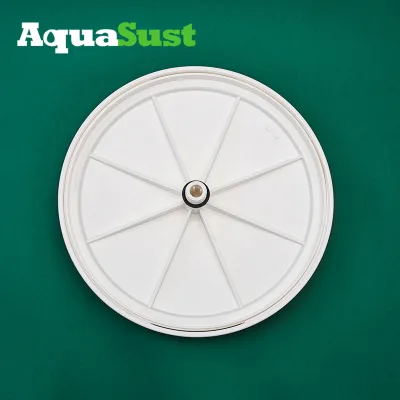
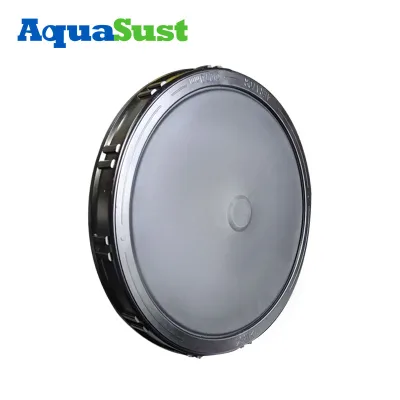
Aquaculture Treatment Plant Aeration System EPDM Membrane Fine Bubble Air Tube Diffuser
$8.00 - $11.00
MOQ: 200 Pieces
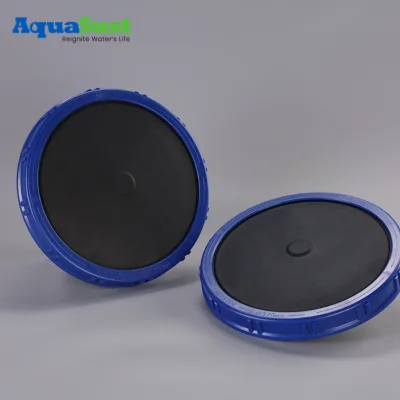
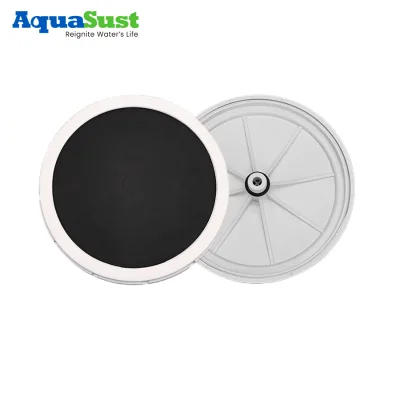
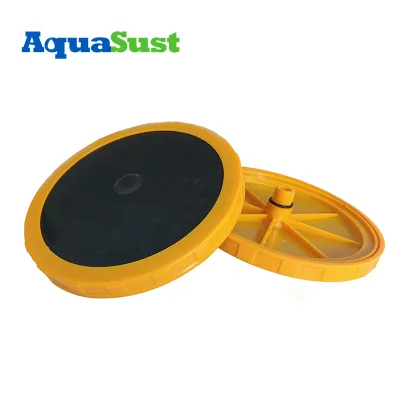
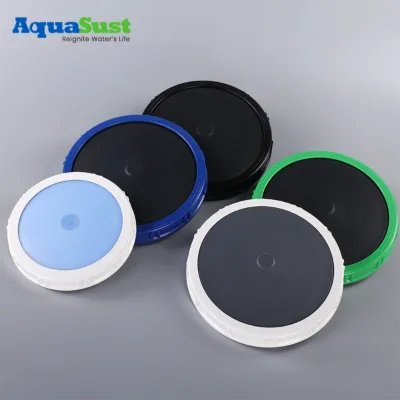


Comprehensive Sourcing Guide
Strategic Sourcing Guide for Anti-Clogging EPDM Membrane Aerators
Understanding the Core Technology and Material Composition
When sourcing an anti-clogging EPDM membrane aerator, buyers must first distinguish between the mechanical components and the functional membrane material that defines performance. The core technology relies on fine bubble aeration, where air is diffused through a flexible membrane to create micro-bubbles. This design is critical for maximizing oxygen transfer efficiency while minimizing energy consumption in wastewater treatment systems. The primary material of interest is Ethylene Propylene Diene Monomer (EPDM), a synthetic rubber known for its exceptional durability and resistance to harsh chemical environments.
In the current market, the membrane material is often paired with a base structure made of ABS (Acrylonitrile Butadiene Styrene) or 304/316 stainless steel connectors. The EPDM membrane is the active component responsible for the anti-clogging mechanism; as air pressure fluctuates, the membrane expands and contracts, effectively shedding any particulate matter that might otherwise block the pores. This physical treatment method ensures consistent bubble formation even in high-contaminated wastewater applications. Buyers should verify that the product specification explicitly lists EPDM or Silicone as the membrane material, as these are the only materials observed in reliable listings that offer the necessary flexibility and chemical resistance for long-term operation.
The color of the aerator, typically observed as black or blue, is a visual indicator of the material composition but does not inherently dictate performance. However, the consistency of the black or blue coloration across the product line can serve as a preliminary check for material uniformity. The working air flow for these units generally ranges between 5-10 M3/H.M, a specification that buyers must align with their specific tank geometry and aeration requirements. Understanding that the oxygenate capability can reach ≥0.38 Kg/H provides a baseline for evaluating the efficiency of different models before diving into detailed supplier negotiations.
Technical Specifications and Performance Parameters
Selecting the right aerator requires a deep dive into technical specifications that directly impact system efficiency. The working submerged depth is a critical parameter, with observed ranges typically falling between 4-8 meters. This depth capability ensures that the aerator can function effectively in deep tanks without losing pressure or efficiency. The bubble type is consistently identified as "Fine Bubble," which is essential for achieving high oxygen transfer rates. Unlike coarse bubble diffusers, fine bubble systems create a larger surface area for gas exchange, making them ideal for applications requiring high purification rates, which can reach up to 99% in optimized systems.
The physical dimensions and model numbers vary significantly across suppliers, necessitating careful verification. Some models are designated as "DC Tube diffuser750" with a standard length of 750mm, while others are disc diffusers with varying diameters such as DN215, DN260, or DN300. The connector type is another vital specification, often available in Tee configurations made from 304 or 316 stainless steel, or ABS. The choice of connector material depends on the corrosiveness of the wastewater; 316 stainless steel offers superior resistance to chlorides and other aggressive chemicals compared to standard 304 or ABS.
Buyers must also consider the service life of the equipment. High-quality EPDM membrane aerators are designed for a service life of more than 5 years, a claim that should be supported by the supplier's warranty and historical performance data. The purification rate is another key metric, with some advanced models claiming a 99% efficiency in treating high-contaminated wastewater. However, this figure is highly dependent on the specific application conditions, including the concentration of contaminants and the hydraulic loading rate. Therefore, while the 99% figure is a useful benchmark, it should be treated as a maximum potential rather than a guaranteed outcome for every installation.
Compliance, Certification, and Regulatory Standards
Navigating the regulatory landscape is essential for ensuring that the purchased aerators meet international safety and quality standards. The most frequently observed certifications for these products include ISO9001, SGS, and CE. ISO9001 indicates that the manufacturer has a robust quality management system in place, ensuring consistent production processes. SGS certification provides third-party verification of the product's quality and safety, while CE marking confirms compliance with European health, safety, and environmental protection standards.
When evaluating a supplier, buyers should request valid copies of these certifications rather than relying on verbal assurances. The presence of these certifications suggests that the manufacturer adheres to recognized standards for material safety and manufacturing processes. However, it is important to note that specific standards like ASTM D8014 or EN 13948 are mentioned in background contexts but should not be assumed to apply to every product without explicit confirmation from the supplier. Buyers must verify if the specific model they are purchasing meets the relevant local or industry-specific standards required for their project.
The origin of the product also plays a role in compliance. Products are observed to originate from regions such as Hefei, Henan, and generally China. While these locations are major manufacturing hubs, buyers should ensure that the specific factory has the necessary environmental permits and that the products comply with the environmental regulations of the destination country. The "Environmental Protection" feature listed in product attributes aligns with the goal of reducing energy consumption and improving wastewater treatment efficiency, but this claim must be backed by the aforementioned certifications and test data.
Cost Drivers and Procurement Economics
The pricing of EPDM membrane aerators is influenced by several factors, including material quality, manufacturing complexity, and order volume. The observed price range in the market spans from $2.4 to $300 USD, a wide variance that reflects differences in model size, material grade, and included accessories. The lower end of the price spectrum typically corresponds to smaller, standard models with basic specifications, while the higher end includes specialized units with enhanced features, larger diameters, or custom configurations.
The Minimum Order Quantity (MOQ) is another significant cost driver, with observed ranges from 1 to 1000 units. Buyers with smaller projects may find it challenging to negotiate favorable unit prices if they cannot meet the MOQ, whereas larger orders can leverage economies of scale to reduce the per-unit cost. The packaging method, whether standard, carton, or cardboard packaging, can also impact the overall cost, particularly for international shipping. Proper packaging is crucial to prevent damage during transit, and buyers should ensure that the supplier uses robust packaging solutions to protect the delicate membrane components.
Customization is available for many of these products, which can add to the cost but may be necessary for specific project requirements. Customization options might include specific connector types, membrane thickness, or unique dimensions to fit existing infrastructure. Buyers should carefully evaluate the cost-benefit ratio of customization, ensuring that the added expense translates into tangible performance improvements or operational efficiencies. Additionally, the service life of the product, often cited as more than 5 years, should be factored into the total cost of ownership, as a longer lifespan reduces the frequency of replacement and maintenance costs.
Typical Applications and Industry Suitability
EPDM membrane aerators are versatile and suitable for a wide range of applications across various industries. The primary application is in waste water treatment systems, where they are used to oxygenate the water and facilitate the biological breakdown of organic matter. These aerators are particularly effective in high-contaminated wastewater treatment scenarios, where the fine bubble technology ensures efficient oxygen transfer even in challenging conditions. The industrial sector is a major user of these products, utilizing them in manufacturing processes that require precise aeration control.
Beyond industrial applications, these aerators are also used in agriculture, where they support aquaculture and irrigation systems. The ability to operate in submerged depths of 4-8 meters makes them ideal for deep ponds and reservoirs. In the home and hospital sectors, the aerators are used for smaller-scale wastewater treatment and water purification systems. The versatility of the product is further enhanced by its compatibility with different connector types and materials, allowing it to be integrated into diverse systems.
The "Environmental Protection" feature is particularly relevant in applications where sustainability is a priority. By improving oxygen transfer efficiency, these aerators help reduce energy consumption and lower the carbon footprint of wastewater treatment facilities. The long service life of the product also contributes to sustainability by reducing waste and the frequency of replacements. Buyers should consider the specific needs of their application when selecting an aerator, ensuring that the chosen model aligns with the operational requirements and environmental goals of their facility.
Supplier Evaluation and Quality Control Protocols
Evaluating suppliers requires a systematic approach that goes beyond price comparisons. Buyers should prioritize suppliers who provide comprehensive technical documentation, including detailed specifications, material safety data sheets, and certification copies. The origin of the product, whether from Hefei, Henan, or other regions in China, should be verified to ensure that the supplier has a proven track record of manufacturing quality products. The availability of customization services is another indicator of a supplier's flexibility and commitment to meeting specific client needs.
Quality control is paramount when sourcing EPDM membrane aerators. Buyers should inquire about the supplier's quality assurance processes, including material testing, production inspections, and final product testing. The observed "Service Life: More Than 5 Years" claim should be supported by rigorous testing protocols that simulate real-world operating conditions. Buyers may also request samples for independent testing to verify the oxygenate capability, working air flow, and bubble type specifications.
The packaging method, whether standard, carton, or cardboard, should be evaluated for its ability to protect the product during shipping. Damaged membranes can render the aerator ineffective, so robust packaging is essential. Additionally, buyers should assess the supplier's after-sales support, including warranty terms, technical assistance, and availability of spare parts. A reliable supplier will offer comprehensive support to ensure the long-term success of the aeration system.
Long-Term Procurement and Maintenance Considerations
Long-term procurement strategies for EPDM membrane aerators should focus on minimizing downtime and maximizing operational efficiency. The service life of the product, typically exceeding 5 years, is a key factor in this strategy. Buyers should plan for periodic maintenance and inspection to ensure that the aerators continue to perform at optimal levels. The anti-clogging feature of the EPDM membrane reduces the frequency of cleaning and maintenance, but regular checks are still necessary to identify any potential issues early.
The compatibility of the aerator with existing infrastructure is another consideration for long-term procurement. Buyers should ensure that the selected model can be easily integrated into their current systems and that spare parts are readily available. The availability of customization options can also facilitate future upgrades or modifications to the aeration system. Additionally, buyers should consider the environmental impact of the product, selecting models that align with their sustainability goals and regulatory requirements.
Finally, buyers should establish a clear communication channel with the supplier to address any issues that may arise during the product's lifecycle. A proactive approach to maintenance and support can extend the service life of the aerators and ensure consistent performance. By focusing on long-term value rather than just initial cost, buyers can make informed decisions that benefit their operations for years to come.
FAQs
What material is used for the anti-clogging membrane?
The membrane is made of EPDM or Silicone. This material provides flexibility to shed particulates in high-contaminated wastewater while ensuring resistance to harsh chemical environments.
How long does the service life last?
The service life is more than 5 years. This duration is achieved through the durable EPDM construction which maintains performance in deep submerged depths ranging from 4 to 8 meters.
Which certifications are available for these aerators?
Available certifications include ISO9001, SGS, and CE. These documents verify quality management systems and compliance with European safety standards for industrial and hospital wastewater applications.
Can the product be customized for specific needs?
Customization is available for various product requirements. Buyers can request specific connector types like Tee configurations or unique dimensions to fit existing infrastructure and tank geometries.
What is the oxygenate capability of the device?
The oxygenate capability is at least 0.38 Kg/H. This efficiency supports high purification rates up to 99% when used in fine bubble aeration systems for biological treatment.
Where are these aerators manufactured?
Products originate from Hefei, Henan, and other regions in China. These locations serve as major manufacturing hubs for EPDM membrane aerators used in industrial and agricultural sectors.