Find Waterproof Custom Printed Inflatable Arch for events, parties, and resorts
Source 30 options for a Waterproof Custom Printed Inflatable Arch designed for outdoor and indoor use. Buyers can compare materials like PVC or Oxford cloth, custom sizes, and digital printing capabilities from verified suppliers in China.
Key considerations
Products List
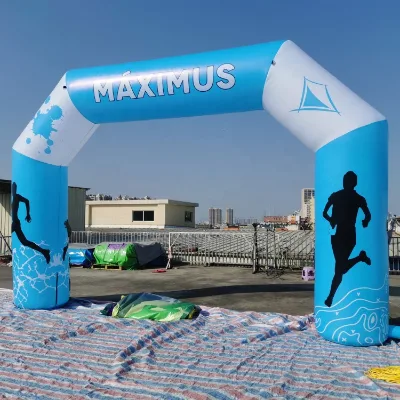
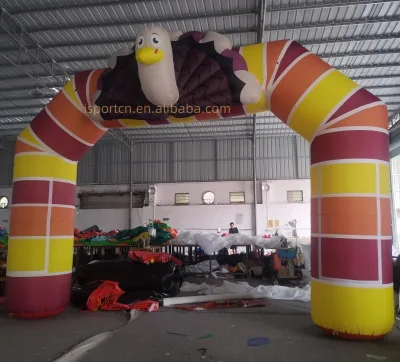
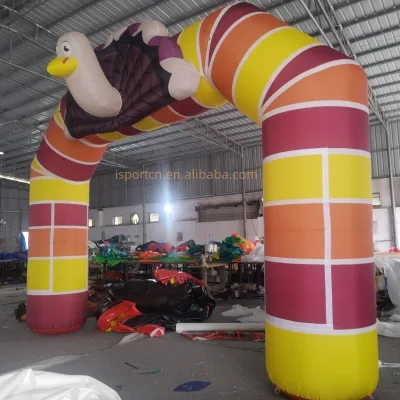

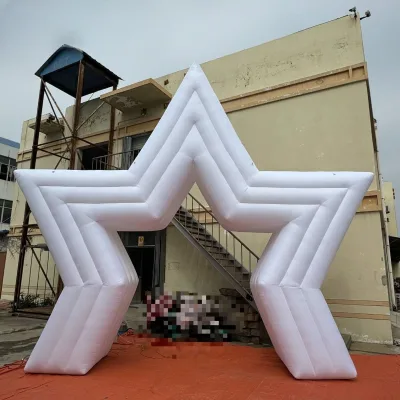
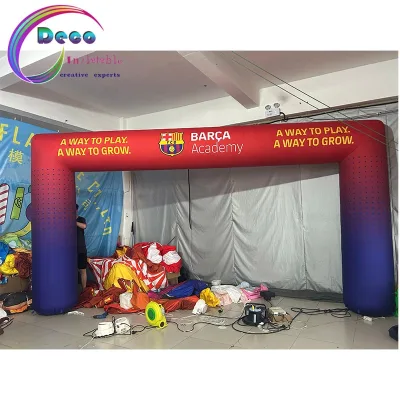
Waterproof Custom Printed Portable Eco TPU Trade Exhibition Inflatable Arch
$99.00 - $299.00
MOQ: 1 Pieces

Waterproof Eco-Friendly Custom Printed Portable TPU Expo Gate Inflatable Arch
$99.00 - $299.00
MOQ: 1 Pieces

Waterproof Eco-Friendly Custom Printed Portable TPU Expo Gate Inflatable Arch
$99.00 - $299.00
MOQ: 1 Pieces


Portable Eco-Friendly Waterproof Custom TPU Exhibition Feature Inflatable Arch
$99.00 - $299.00
MOQ: 1 Pieces
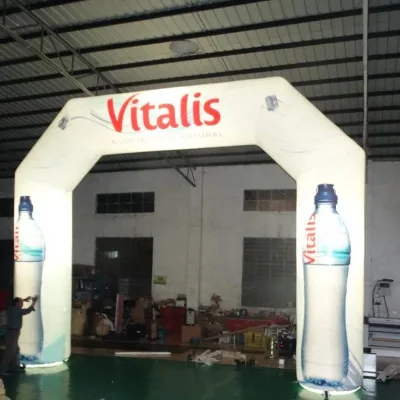
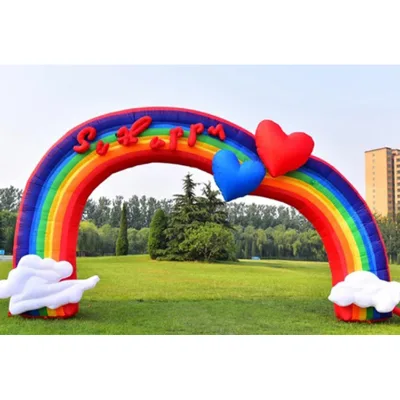
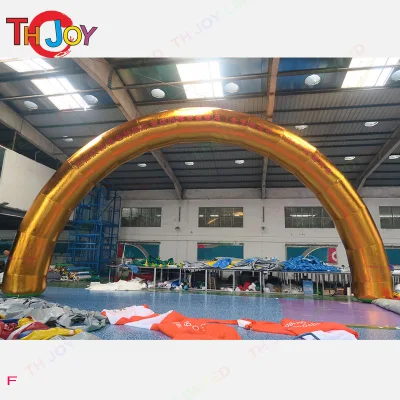
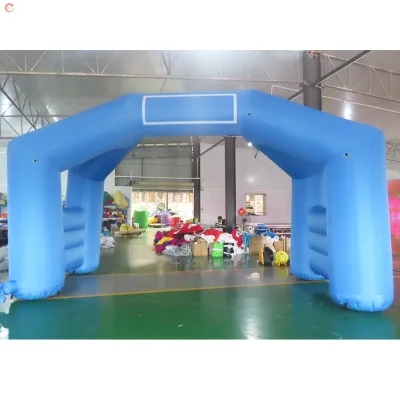
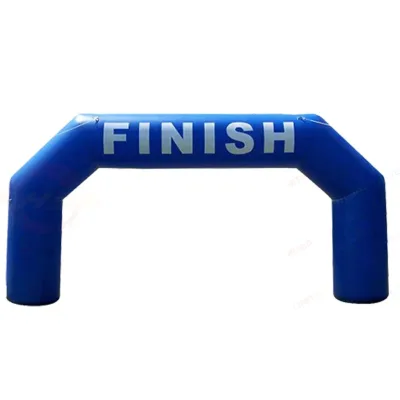
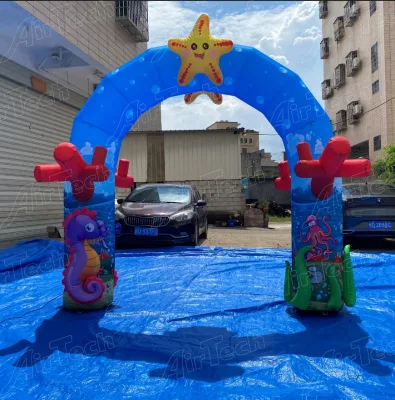
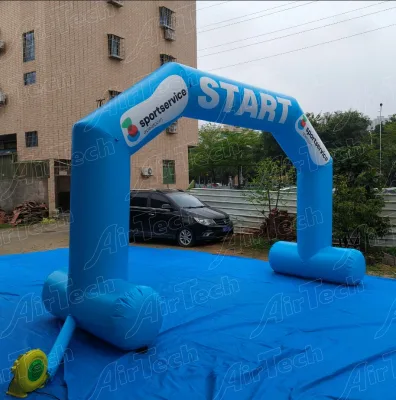
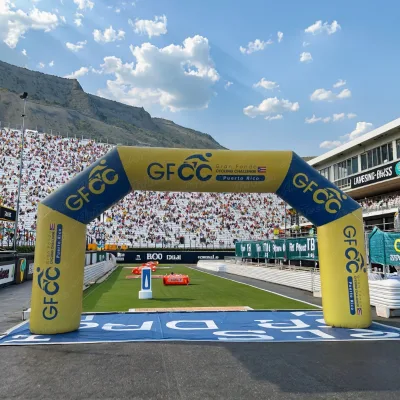
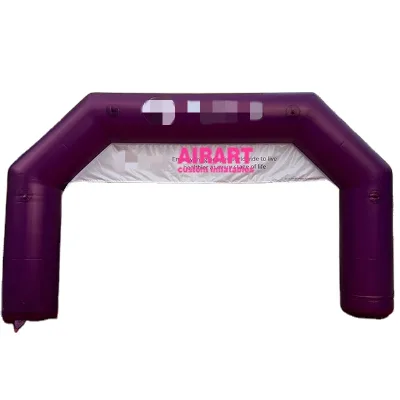
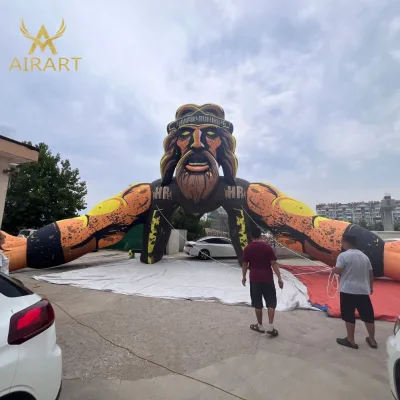
Custom Printed Large Inflatable Arch for Advertising for Races and Festivals
$199.00 - $499.00
MOQ: 1 Minimum
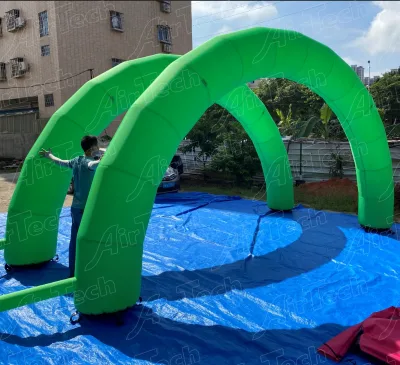


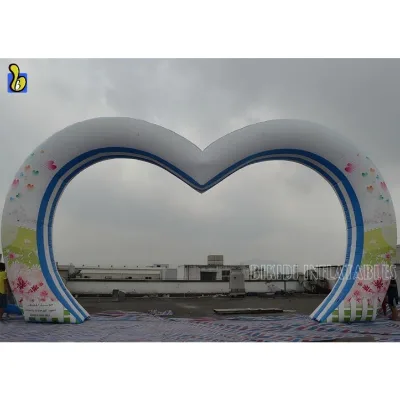
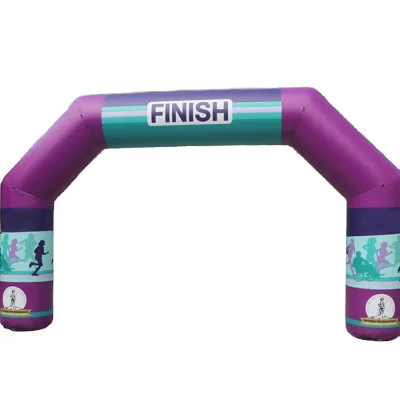
Comprehensive Sourcing Guide
Strategic Sourcing Guide for Waterproof Custom Printed Inflatable Arch
Understanding Technical Specifications and Material Composition
When sourcing a Waterproof Custom Printed Inflatable Arch, the primary technical focus must be on the material composition and structural integrity. The product landscape reveals that manufacturers typically utilize either PVC tarpaulin or Oxford cloth as the base material. These materials are selected for their durability and resistance to environmental elements. For buyers requiring high-performance equipment, the presence of specific material standards, such as TPU (Thermoplastic Polyurethane), should be verified, as these often offer superior flexibility and longevity compared to standard PVC. The material choice directly influences the arch's ability to withstand wind loads and UV exposure, which are critical for outdoor applications.
The physical dimensions of the arch are rarely fixed, with customization being a standard industry practice. Observed specifications indicate that sizes can range from 6 meters to 8 meters in width, with heights typically around 6 meters and tube diameters of approximately 1.3 meters. However, buyers must treat these figures as reference points rather than absolute standards. The shape of the arch is also customizable, offering options such as standard columns, pillars, tubes, or unique configurations. The inflation method is consistently electric, relying on air pumps to achieve the necessary structural rigidity. To ensure stability, especially in outdoor environments, the inclusion of rope-based stability measures is a common and necessary feature. These ropes anchor the structure to the ground, preventing displacement during high winds or heavy foot traffic.
Compliance, Certification, and Safety Verification
Safety and compliance are paramount when deploying large-scale inflatable structures in public spaces. While specific certification documents are not universally listed in general product descriptions, buyers must rigorously verify that the materials meet relevant fire safety and environmental standards. The product attributes highlight key functions such as fireproofing, UV protection, and waterproofing. These are not merely marketing terms but essential safety requirements for event equipment. Buyers should request specific test reports confirming that the PVC or Oxford fabric meets international fire retardancy standards, such as those required for public exhibitions or sports events.
Furthermore, the printing process used for custom logos and designs must be evaluated for safety. The observed craftsmanship includes digital printing and thermal transfer printing. It is crucial to ensure that the inks used in these processes are non-toxic and do not leach harmful chemicals, particularly if the arch will be used in environments with children or food service areas. The packaging details, which often involve high-quality strong PVC bags for the inflatables and exported standard cartons for the blowers, also play a role in compliance. Proper packaging ensures that the product arrives in a condition that meets safety inspections, preventing damage that could compromise the structural integrity during setup. Buyers should also verify that the lighting systems, if included as external equipment, comply with local electrical safety codes for outdoor use.
Cost Drivers and Pricing Dynamics
The pricing of waterproof custom printed inflatable arches is influenced by several variable factors, creating a wide range in the observed market. The listed price range spans from approximately 50 to over 1,100 USD, reflecting the significant impact of customization and material quality on the final cost. The primary cost drivers include the complexity of the custom design, the size of the arch, and the specific material chosen. A standard PVC arch with a simple logo will be at the lower end of the spectrum, while a large, TPU-based arch with complex digital printing and advanced lighting systems will command a premium price.
The minimum order quantity (MOQ) is a critical factor in cost management. The data indicates an MOQ of just one piece, which is highly favorable for buyers who need a single unit for a specific event. This low barrier to entry allows for cost-effective procurement without the need for bulk inventory. However, the unit price will naturally be higher for single-unit orders compared to bulk purchases. Payment terms also affect the financial dynamics of the transaction. Common terms include T/T (Telegraphic Transfer), PayPal, and Western Union, with some suppliers offering Trade Assurance. The lead time, typically ranging from 7 to 15 days after the receipt of a 50% deposit, must be factored into the overall project budget and timeline. Buyers should also consider the shipping costs, which vary based on the chosen method—by sea, by air, or via express couriers like DHL, FedEx, or UPS. The origin location, primarily Guangdong and Jiangsu in China, influences the base manufacturing cost, but logistics costs can significantly alter the final landed price.
Typical Applications and Operational Environments
The versatility of the Waterproof Custom Printed Inflatable Arch makes it suitable for a wide array of applications. The product attributes explicitly list application locations such as events, holidays, parties, resorts, and parks. This broad applicability extends to specific occasions including exhibitions, outdoor events, sports events, and entertainment venues. The ability to customize the color and print logos allows businesses to align the arch with their brand identity, making it an effective tool for marketing and brand visibility.
The operational environment is another key consideration. These arches are designed for both indoor and outdoor use, provided that the stability measures are correctly implemented. For outdoor applications, the waterproof and UV-protective properties of the material are essential to ensure longevity and safety. The inclusion of external lighting equipment further enhances their utility for evening events, allowing for visibility and aesthetic appeal after dark. The shape and size can be adapted to fit various venue constraints, from narrow entryways to large open plazas. Buyers should assess the specific requirements of their event venue, such as ground conditions and wind patterns, to determine the necessary anchoring and stability solutions. The electric inflation method ensures quick setup and takedown, which is crucial for events with tight schedules.
Supplier Evaluation and Procurement Strategy
Evaluating suppliers for inflatable arches requires a focus on their supply chain capabilities and production capacity. The observed supply ability is approximately 300 pieces per month, which indicates that suppliers may have capacity constraints during peak seasons. Buyers should inquire about the supplier's ability to meet specific lead times, especially if the order is urgent. The production location, primarily in Guangdong and Jiangsu, China, suggests a mature manufacturing ecosystem with access to raw materials and skilled labor. However, buyers should verify the specific factory location to ensure it aligns with their logistical preferences and to assess the risk of supply chain disruptions.
When selecting a supplier, the customization capabilities are a key differentiator. The ability to offer fully customizable branding, including printed logos and messages, is a standard feature. Buyers should review the supplier's portfolio of previous work to ensure they can achieve the desired print quality and color accuracy. The packaging details, such as the use of high-quality PVC bags and standard export cartons, are indicators of the supplier's attention to detail and commitment to product protection during transit. Additionally, the availability of different price terms, such as EXW, FOB, and CFR, allows buyers to manage their logistics costs and responsibilities according to their specific needs. It is advisable to request samples or detailed specifications before placing a large order to verify the quality of the materials and the precision of the printing.
Quality Control and Long-Term Procurement Considerations
Ensuring consistent quality in inflatable arch procurement requires a robust quality control (QC) process. Buyers should establish clear acceptance criteria based on the material thickness, seam strength, and print durability. The use of digital printing and thermal transfer printing requires specific QC checks to ensure that the colors do not fade under UV exposure and that the prints remain intact after repeated inflation and deflation cycles. The stability measures, such as the ropes, must be inspected for strength and durability to prevent accidents during use.
For long-term procurement, buyers should consider the lifecycle of the product. The waterproof and fireproof properties are essential for extending the lifespan of the arch, but regular maintenance is necessary to ensure continued safety and performance. Buyers should inquire about the availability of replacement parts, such as repair kits or replacement blower motors, to minimize downtime in case of damage. The lead time of 7 to 15 days should be factored into the procurement cycle, allowing for buffer time for production and shipping. Establishing a long-term relationship with a reliable supplier can help mitigate risks associated with price fluctuations and supply chain disruptions. Finally, buyers should always verify the port of dispatch, such as Huangpu, to ensure that the logistics chain is efficient and cost-effective. By focusing on these technical, compliance, and operational aspects, buyers can make informed decisions that ensure the successful deployment of waterproof custom printed inflatable arches for their specific needs.
FAQs
What materials are used for waterproof custom printed inflatable arches?
These arches typically use PVC tarpaulin or Oxford cloth for durability. Some high-performance options may utilize TPU material for superior flexibility. The chosen material ensures resistance to wind loads and UV exposure for outdoor safety.
Can I customize the size and color of the inflatable arch?
Yes, the size and color are fully customizable to meet your specific needs. Standard widths range from 6 to 8 meters with heights around 6 meters. You can also request custom shapes like columns or pillars for unique branding.
How long does it take to produce a custom inflatable arch order?
Production usually takes 7 to 15 days after receiving a 50% deposit. This lead time applies to standard orders from suppliers in Guangdong or Jiangsu. Urgent requests may require checking specific factory capacity before confirmation.
What is the minimum order quantity for these inflatable arches?
The minimum order quantity is just one piece for most suppliers. This low barrier allows buyers to purchase single units for specific events without bulk inventory. Pricing may vary slightly for single-item orders compared to bulk purchases.
Which payment terms are accepted for purchasing an inflatable arch?
Accepted payment methods include T/T, PayPal, Western Union, and Trade Assurance. A 50% deposit is typically required before production begins. Buyers should verify specific terms with the supplier to ensure secure transaction processing.
How are the inflatable arches packaged for shipping and storage?
Inflatables are packed in high-quality strong PVC bags for protection. The blower is shipped in an exported standard carton box. This packaging ensures compact storage and prevents damage during transit to your location.
What stability measures are included for outdoor use of the arch?
Ropes are included as standard stability measures to anchor the structure. These ropes prevent displacement during high winds or heavy foot traffic at events. Proper anchoring is essential for safety in outdoor environments like parks or resorts.