Source Anti-Rust Dining Table and Chair Set for Bar Cafe Restaurant
Compare 30 Anti-Rust Dining Table and Chair Set options from Zhejiang Province suppliers. These metal sets feature powder-coated frames and are available for bar, cafe, and restaurant use with customizable colors and sizes.
Key considerations
Products List




Comprehensive Sourcing Guide
Anti-Rust Dining Table and Chair Set Sourcing Guide
Sourcing anti-rust dining table and chair sets requires a disciplined approach to material selection and surface treatment, particularly for buyers targeting hospitality venues or outdoor environments. The term "anti-rust" is often used in marketing, but in B2B procurement, it refers to specific metallurgical properties and finishing processes that prevent oxidation. Buyers must distinguish between stainless steel, which offers inherent corrosion resistance, and carbon steel or aluminum frames that rely on protective coatings such as powder coating or galvanization to achieve rust resistance. Understanding this distinction is critical because it directly impacts the longevity of the furniture, maintenance costs, and suitability for high-humidity or coastal locations.
The procurement landscape for these sets is diverse, ranging from compact indoor units to large outdoor combinations. Observed market data indicates a wide price range, with listings spanning from approximately $13.26 to $1,390 USD, reflecting significant variations in material thickness, design complexity, and brand positioning. This variance suggests that buyers should not equate a lower price with inferior anti-rust capabilities but should instead scrutinize the specific frame materials and coating standards provided in the technical specifications. A comprehensive sourcing strategy must balance aesthetic preferences with functional durability, ensuring that the selected set meets the rigorous demands of its intended operational environment.
Product Scope and Observed Listing Signals
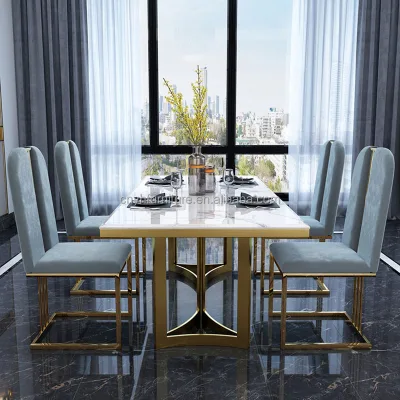
The current market offers a variety of configurations, including combination sets that integrate tables and chairs into unified units, as well as modular pieces that can be mixed and matched. Listings frequently highlight customization options, allowing buyers to specify frame colors, fabric types, and dimensions to suit specific interior design themes or branding requirements. For instance, observed products include European-style and modern designs, with frame materials predominantly made of metal, often finished with powder coating to enhance durability and aesthetic appeal. These customization capabilities are essential for commercial buyers who need furniture that aligns with their venue’s specific visual identity while maintaining robust structural integrity.
Usage scenarios for these sets are broad, encompassing bars, cafes, restaurants, hotels, dining rooms, and outdoor spaces. The versatility of metal-framed sets makes them suitable for high-traffic commercial environments where durability is paramount. Some listings specify usage for both indoor and outdoor applications, indicating that the anti-rust properties are designed to withstand varying environmental conditions. Buyers should pay close attention to the stated usage conditions, as outdoor sets typically require more rigorous corrosion protection than indoor-only units. Additionally, the availability of folded or unfolded states in some models offers logistical advantages for storage and transportation, which is a valuable consideration for businesses with limited storage space.
Technical Specifications to Verify
When evaluating technical specifications, buyers must verify the exact dimensions and material thicknesses of the frame components. Observed data includes specific measurements such as table sizes of 1709072cm and chair sizes of 655188cm, along with frame tube dimensions like 250.8mm for tables and 4924mm for arm tubes. These details are crucial for assessing structural stability and load-bearing capacity. Thicker frame tubes generally indicate higher durability, which is essential for commercial use. Buyers should request detailed technical drawings or specification sheets that confirm the wall thickness of the metal tubes, as this is a primary factor in preventing deformation and ensuring long-term anti-rust performance.
Packing and shipping specifications are equally important for cost calculation and logistics planning. Standard packing methods include carton packing, stack+carton packages, and standard export cartons with wooden frames. Observed packing sizes, such as 666347cm, and container loading capacities, ranging from 110 to 142 sets per 40HQ container, provide insights into the efficiency of the supply chain. Buyers should verify the packing density and protective measures to ensure that the anti-rust coating is not damaged during transit. Additionally, confirming the product model numbers, such as XS-DNS001A or FR-ITS023, helps in tracking specific product lines and ensuring consistency in future orders.
Compliance and Safety Documentation
Compliance with safety and quality standards is a non-negotiable aspect of sourcing dining furniture. Buyers should request test reports from recognized third-party laboratories, such as SGS, to verify the safety and durability of the materials used. These reports typically cover aspects like structural stability, surface coating adhesion, and chemical composition, ensuring that the anti-rust treatments are effective and safe for consumer use. While specific certification statuses like FSC may be mentioned in some contexts, buyers should focus on product-specific safety certifications rather than general material certifications, as the latter may not directly address the performance of the finished furniture.
Documentation should also include details on the manufacturing standards and quality control processes employed by the supplier. Buyers should inquire about the testing protocols for the powder coating or other anti-rust finishes, including salt spray tests that simulate long-term exposure to corrosive environments. Verifying that the supplier adheres to international or regional quality standards ensures that the products meet minimum safety and performance benchmarks. This due diligence helps mitigate risks associated with product failures, such as rusting or structural collapse, which can lead to liability issues and reputational damage for the buyer.
Cost Drivers and Commercial Terms
The cost of anti-rust dining table and chair sets is influenced by several factors, including material quality, design complexity, and order volume. Observed minimum order quantities (MOQs) range from 1 to 500 sets, with some listings specifying MOQs of 30 sets or 30 pieces. Higher MOQs often result in lower unit prices due to economies of scale in production and shipping. Buyers should analyze the total landed cost, which includes the product price, shipping fees, insurance, and any applicable tariffs, rather than focusing solely on the unit price. Understanding the cost structure helps in negotiating better terms and selecting suppliers that offer the best value for money.
Commercial terms such as payment methods, lead times, and warranty policies also play a significant role in the procurement decision. Observed warranty periods range from 1 to 3 years, indicating the supplier’s confidence in the product’s durability. Buyers should clarify the terms of the warranty, including what is covered and the process for claiming repairs or replacements. Additionally, negotiating favorable payment terms, such as partial upfront payments and balance upon shipment, can help manage cash flow and reduce financial risk. Clear communication of these terms ensures a smooth transaction and establishes a strong foundation for a long-term business relationship.
Supplier Qualification and Quality Control
Supplier qualification involves assessing the manufacturer’s production capabilities, quality management systems, and track record. Buyers should verify the supplier’s location, with many manufacturers based in regions like Zhejiang Province, China, known for their expertise in metal furniture production. Visiting the factory or conducting virtual audits can provide insights into the production processes, including the application of anti-rust coatings and the assembly of furniture sets. Evaluating the supplier’s quality control procedures, such as in-process inspections and final random inspections, ensures that the products meet the specified standards before shipment.
Building a relationship with a reliable supplier is essential for consistent quality and service. Buyers should look for suppliers who demonstrate transparency in their operations and are willing to provide samples for evaluation. Establishing clear communication channels and regular feedback loops helps in addressing any issues promptly and continuously improving the product quality. Additionally, considering the supplier’s ability to handle customization requests and adapt to changing market trends can provide a competitive advantage. A qualified supplier acts as a partner in the procurement process, contributing to the success of the buyer’s business operations.
Long-Term Procurement Checks
Long-term procurement success depends on regular performance reviews and continuous improvement initiatives. Buyers should monitor the performance of the anti-rust dining table and chair sets in their operational environment, tracking metrics such as maintenance frequency, customer feedback, and overall durability. This data can inform future purchasing decisions and help identify areas for improvement in product design or material selection. Establishing a feedback loop with the supplier allows for collaborative problem-solving and innovation, ensuring that the products remain competitive and meet evolving customer expectations.
Sustainability and ethical sourcing practices are increasingly important in the procurement landscape. Buyers should consider the environmental impact of the materials and processes used in the production of the furniture, such as the use of eco-friendly coatings and recyclable materials. Verifying the supplier’s commitment to sustainable practices can enhance the buyer’s brand reputation and align with corporate social responsibility goals. By integrating sustainability into the procurement strategy, buyers can contribute to a more responsible and resilient supply chain, benefiting both their business and the broader community.
FAQs
Can I customize the color of the dining table and chair set?
Yes, any color is available for the fabric and frame. This customization option allows buyers to match specific interior designs or branding requirements without additional constraints on the base model.
What is the minimum order quantity for these sets?
The minimum order quantity varies by model, ranging from 30 sets to 500 sets. Specific models like XS-DNS092 require 30 sets, while others may have different thresholds based on packaging and production capacity.
How are the dining sets packed for shipping?
Packing methods include carton packing, stack plus carton packages, or standard export cartons with wooden frames. Each unit typically follows a standard of one set per carton or specific piece counts per set.
Which materials are used for the frame and seat?
The frame is made of metal with a powder-coated finish to prevent rust. Seat materials vary by model, including band, steel, or shirt fiber, ensuring durability for various commercial and residential environments.
What is the origin location of these dining sets?
The products originate from Zhejiang Province, China. This location is a known manufacturing hub, ensuring consistent quality and efficient logistics for international buyers seeking reliable sourcing partners.
Can the dining table and chair set be used outdoors?
Yes, the sets are suitable for outdoor use in addition to indoor settings like bars, cafes, and hotels. The powder-coated metal frame provides resistance against weather elements for long-term outdoor durability.