Source Assembled Cold Storage Room for Food Medicine Blood
Find 30 Assembled Cold Storage Room for Food and Medicine options with customizable dimensions, insulation panels, and compressor brands. Buyers can compare specifications, prices, and warranty terms for industrial and commercial applications.
Key considerations
Products List


Energy-Efficient Temperature Control Cold Storage Room for Meat and Seafood
$2750.00 - $3800.00
MOQ: 1 Pieces


Energy-Efficient Cold Storage Room for Meat and Seafood Long-Term Storage
$2750.00 - $3800.00
MOQ: 1 Pieces

Food Storage Cold Room with Unit Cooler and Condensing Unit for Meat and Fish
$2900.00 - $14000.00
MOQ: 1 Sets


$10000.00 - $100000.00
MOQ: 1 Pieces


$10000.00 - $100000.00
MOQ: 1 Pieces
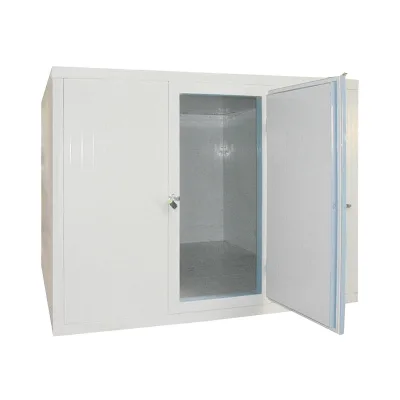

Cold Room / Cold Storage / Cold Store for Keeping Fruits and Vegetables Fresh
$30000.00 - $1000000.00
MOQ: 1 Pieces

Large Commercial Medicine Cold Room Storage for Frozen Meat, Seafood, Vegetable and Fruits
$10000.00 - $200000.00
MOQ: 1 Pieces

Industrial Cold Storage Facility for Customized Food Medicine Solutions
$10000.00 - $200000.00
MOQ: 1 Pieces

Industrial Electronics, Chemical, Medicine, Food Large Cold Storage Commercial Large Cold Storage
$10000.00 - $200000.00
MOQ: 1 Pieces

Energy Saving Customized Cold Storage Room for Food Meat and Fruit
$100000.00 - $9999999.00
MOQ: 1 Pieces


Comprehensive Sourcing Guide
Strategic Sourcing Guide for Assembled Cold Storage Rooms for Food and Medicine
Procuring an Assembled Cold Storage Room for Food and Medicine requires a rigorous approach that balances technical precision with regulatory compliance. The market for these specialized units is vast, with products ranging from small-scale medical storage to large industrial freezer rooms. Buyers must navigate a landscape where specifications vary significantly between models, and the distinction between a standard food storage unit and a pharmaceutical-grade facility is critical. This guide outlines the essential factors for sourcing these systems, focusing on verified attributes, certification requirements, and the structural integrity necessary for preserving sensitive biological and consumable goods.
Technical Specifications and Thermal Performance
The core functionality of an assembled cold storage room relies on its ability to maintain precise temperature ranges across varying environmental conditions. Based on observed market data, these units are engineered to operate within specific thermal bands, such as -10°C to 0°C for frozen applications or 0°C to 10°C for chilled storage. The selection of the appropriate temperature range is the first step in defining the procurement requirements. For food and medicine, the stability of these temperatures is paramount; fluctuations can compromise product integrity.
The structural composition of the room is equally vital. The insulation material typically consists of polyurethane sandwich panels, which offer high thermal resistance. The thickness of these panels is a variable specification that buyers must verify against their specific load and climate needs. Available thicknesses in the current market include 50mm, 75mm, 100mm, 120mm, 150mm, and 200mm. Thicker panels generally provide better insulation but increase the cost and footprint of the installation. The outer cladding is often galvanized steel, with sheet thicknesses ranging from 0.4mm to 0.8mm, ensuring durability against physical impact and corrosion.
The cooling system itself is a complex assembly of components. The compressor is the heart of the refrigeration cycle, and reputable suppliers offer units from established brands such as Bitzer, Emerson Copeland, Danfoss, and Tecumseh. The choice of compressor brand often correlates with the reliability and energy efficiency of the unit. The evaporator and condenser units are designed to be customized, with options for air-cooled, water-cooled, or evaporative condenser units depending on the facility's ventilation and water availability. The floor of the room is another critical specification, typically constructed from concrete or anti-skidding aluminum to ensure safety and ease of cleaning.
Compliance and Certification Standards
In the pharmaceutical and food sectors, compliance is not merely a suggestion but a legal and operational necessity. Buyers must verify that the cold storage room and its components meet international and local standards. The observed market data indicates that many units carry certifications such as ISO, CE, RoHS, UR, and CCC. These certifications serve as evidence that the manufacturing process adheres to specific quality and safety protocols.
For medical applications, the certification of the refrigeration system is often tied to Good Distribution Practice (GDP) and Good Manufacturing Practice (GMP) requirements. While the specific regulatory bodies vary by region, the presence of ISO and CE marks suggests a baseline of quality management and safety compliance. The RoHS certification indicates that the electrical components do not contain restricted hazardous substances, which is crucial for environmental safety and worker health.
Buyers should also scrutinize the electrical specifications. The voltage requirements for these units can vary widely, with options available for 110V, 220V, 380V, 420V, and 440V systems. The electricity type is often listed as 380V~600V/3p, indicating a three-phase power requirement for industrial-grade units. Ensuring that the supplied unit matches the facility's electrical infrastructure is a critical step to avoid costly retrofits. Furthermore, the control system should feature a digital displayer to allow for precise monitoring and logging of temperature data, which is essential for audit trails in the pharmaceutical industry.
Cost Drivers and Pricing Variables
The pricing of assembled cold storage rooms is highly variable, influenced by a multitude of factors including size, customization level, and component quality. Observed price ranges in the market span from approximately $28 to nearly $10,000,000, reflecting the difference between small modular units and massive industrial freezer complexes. This wide range underscores the importance of defining the exact scope of the project before requesting quotes.
The primary cost drivers include the dimensions of the room, the thickness of the insulation panels, and the brand of the compressor. A room with 200mm panels and a high-efficiency Bitzer compressor will cost significantly more than a unit with 50mm panels and a generic compressor. The customization of the design, such as the specific layout of the air-cooled evaporator or the type of flooring, also adds to the cost. Additionally, the packaging method, whether in standard boxes or plywood boxes, can influence shipping costs and the final price.
Buyers should be aware that the Minimum Order Quantity (MOQ) can range from 1 to 200 units, depending on the supplier and the level of customization. For single-unit purchases, the per-unit cost may be higher due to the lack of economies of scale. Conversely, bulk orders for large industrial facilities may benefit from volume discounts. The warranty period is another factor that can affect the total cost of ownership. Units with warranties ranging from 1-2 years to 3-5 years may have different pricing structures, with longer warranties often commanding a premium but offering better long-term value.
Typical Applications and Operational Use Cases
Assembled cold storage rooms serve diverse applications, ranging from food preservation to the storage of blood and medicines. The specific usage dictates the design requirements. For food applications, the focus is often on maintaining freshness and preventing spoilage, with temperature ranges typically between 0°C and 10°C for chilled goods. The units are designed for production environments, ensuring that the storage capacity aligns with the throughput of the facility.
In the pharmaceutical sector, the requirements are more stringent. The storage of blood and medicines often necessitates precise temperature control within the -10°C to 0°C range. The use of high-quality insulation and reliable compressors is critical to prevent any temperature excursions that could render the products unsafe. The "Production" use nature indicates that these units are often integrated into manufacturing or processing lines, requiring robust construction to withstand frequent access and heavy usage.
The suitability of the unit for factory environments is a key consideration. The structure is typically assembled, allowing for rapid deployment and potential future expansion. The door mechanisms, such as hinged sliding doors, are designed to minimize cold air loss while providing easy access for operators. The control system's ability to provide digital readouts ensures that operators can monitor conditions in real-time, which is essential for maintaining compliance with safety regulations.
Supplier Evaluation and Quality Assurance
Evaluating suppliers for cold storage room projects requires a deep dive into their technical capabilities and track record. Buyers should verify the origin of the products, with many units originating from regions such as China, Jiangsu, and Guangzhou. While the location of the manufacturer can provide insights into the supply chain logistics, the quality of the product is the primary concern.
The standard of the product is often defined by the dimensions and capacity. Some units are designed with specific standards, such as 12000-150000 L capacity or dimensions like 4000m3500mm2500mm. However, many suppliers offer customized standards to meet unique client needs. Buyers should request detailed specifications for the specific model they are considering, such as the MX-YLG880 or SPCR10, to ensure that the unit meets their operational requirements.
Quality assurance should include a review of the product's condition, which is typically listed as "New." Buyers should also verify the packaging standards, which may include exporting standard packages or plywood boxes to ensure safe transit. The presence of certifications like ISO, CE, and RoHS should be confirmed with valid documentation. Additionally, the warranty terms, ranging from 1-2 years to 3-5 years, should be clearly understood and included in the procurement contract.
Long-Term Procurement Considerations
Sourcing a cold storage room is a long-term investment that requires careful planning for maintenance and scalability. The warranty period is a key indicator of the manufacturer's confidence in their product, but it is not a substitute for a robust maintenance plan. Buyers should consider the availability of spare parts, particularly for critical components like compressors and control systems. The use of branded compressors from manufacturers like Bitzer or Copeland can simplify the procurement of replacement parts.
The customization options available, such as the thickness of the PU panel and the design of the evaporator, should be evaluated for future adaptability. As business needs evolve, the ability to expand the storage capacity or adjust the temperature range without replacing the entire unit is a significant advantage. The floor construction, whether concrete or anti-skidding aluminum, should be chosen with durability in mind to withstand the rigors of daily operations.
Finally, buyers should consider the energy efficiency of the unit. The power consumption, listed as "All Available," varies based on the specific configuration and the efficiency of the compressor. Selecting a unit with high-efficiency components can lead to significant cost savings over the lifespan of the equipment. By focusing on these long-term factors, buyers can ensure that their cold storage investment remains reliable, compliant, and cost-effective for years to come.
Comparative Analysis of Key Specifications
To assist buyers in making informed decisions, the following table summarizes the key specifications observed in the market for assembled cold storage rooms. This comparison highlights the variability in product attributes and the importance of selecting the right configuration for specific needs.
| Specification Category | Common Options Observed | Critical Considerations |
|---|---|---|
| Temperature Range | -10°C to 0°C; 0°C to 10°C | Must match product storage requirements (Food vs. Medicine). |
| Insulation Thickness | 50mm, 75mm, 100mm, 120mm, 150mm, 200mm | Thicker panels offer better insulation but increase cost. |
| Compressor Brands | Bitzer, Emerson Copeland, Danfoss, Tecumseh | Brand selection impacts reliability and maintenance costs. |
| Voltage Options | 110V, 220V, 380V, 420V, 440V | Must align with facility electrical infrastructure. |
| Certifications | ISO, CE, RoHS, UR, CCC | Essential for regulatory compliance in food and pharma. |
| Warranty Period | 1-2 Years; 3-5 Years | Longer warranties may indicate higher build quality. |
| Panel Material | Polyurethane Sandwich Insulation Panel | Standard material for thermal efficiency. |
| Door Type | Hinged Sliding Door | Designed to minimize cold air loss during access. |
| Control System | Digital Displayer | Essential for monitoring and logging temperature data. |
| Origin Locations | China, Jiangsu, Guangzhou | Affects shipping logistics and lead times. |
This table serves as a reference point for buyers to compare different offerings and ensure that the selected unit meets all technical and regulatory requirements. By carefully evaluating these specifications, buyers can mitigate risks and secure a cold storage solution that delivers optimal performance for their specific application.
FAQs
What certifications do assembled cold storage rooms typically hold?
These units commonly carry ISO, CE, RoHS, UR, and CCC certifications. Buyers should verify specific documentation to ensure compliance with international safety and quality protocols for food and medicine storage applications.
Which temperature ranges are available for food and medicine storage?
Units operate within specific thermal bands such as -10 to 0°C for frozen goods or 0 to 10°C for chilled storage. Selecting the correct range is critical for maintaining product integrity in pharmaceutical and food sectors.
How thick are the insulation panels used in these rooms?
Available panel thicknesses include 50mm, 75mm, 100mm, 120mm, 150mm, and 200mm. Thicker panels provide better insulation but increase the overall cost and installation footprint of the facility.
Can the compressor brands be customized for specific needs?
Yes, suppliers offer compressors from brands like Bitzer, Emerson Copeland, Danfoss, and Tecumseh. The choice of brand often correlates with the reliability and energy efficiency required for the specific application.
What warranty periods are standard for these cold storage units?
Warranty periods typically range from 1 to 2 years or 3 to 5 years depending on the model. Longer warranties often command a premium but offer better long-term value for industrial operations.
Which voltage options are supported for industrial electrical systems?
Units support various voltages including 110V, 220V, 380V, 420V, and 440V. Buyers must ensure the supplied unit matches the facility's specific three-phase power infrastructure to avoid costly retrofits.
What packaging methods are used for shipping these rooms?
Products are shipped in boxes, exporting standard packages, or plywood boxes. The packaging method influences shipping costs and ensures the structural integrity of the panels during transit.