Source Silicone Crankcase Heater for AC, Pipes, Drums
Find 24 Silicone Crankcase Heater options for air conditioning compressors, drain pipes, and oil drums. Compare flexible heating strips with CE certification, custom sizes, and voltage up to 600V to match your industrial heating needs; compare the available evidence and request quotations based on your requirements.
Key considerations
Products List


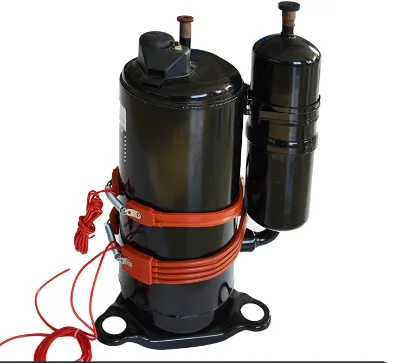
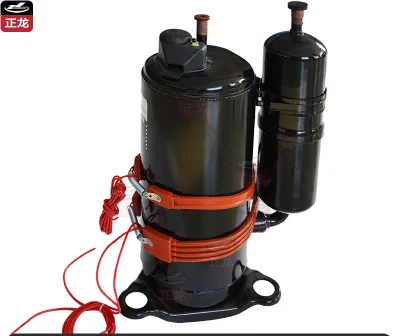
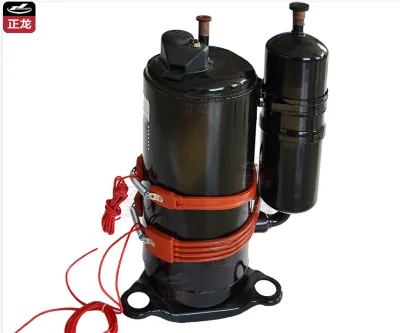


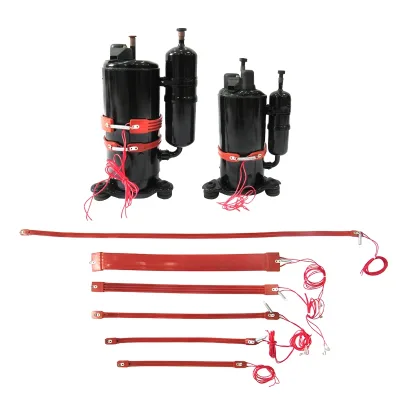
Comprehensive Sourcing Guide
Silicone Crankcase Heater Sourcing Guide
Procuring silicone crankcase heaters requires a disciplined approach to technical verification and supplier qualification, ensuring that the heating elements meet the rigorous demands of industrial and automotive applications. These flexible heating strips are primarily designed to maintain oil viscosity in compressor crankcases, preventing condensation and ensuring reliable startup in cold environments. Buyers must recognize that while the core function is consistent, the specific material composition, voltage ratings, and installation methods vary significantly across different product listings. Understanding these nuances is critical for selecting a heater that integrates seamlessly with existing air conditioning or refrigeration systems without causing electrical faults or thermal damage.
The sourcing process involves navigating a wide array of product attributes, from the resistance wire composition to the outer silicone rubber insulation. Observations indicate that many suppliers offer customizable dimensions and shapes, including round, rectangular, and square profiles, to fit specific mechanical constraints. However, this flexibility introduces complexity in quality control, as non-standard sizes may require specialized tooling or longer lead times. Procurement teams must establish clear technical requirements early in the engagement to avoid mismatches between the heater’s physical dimensions and the target equipment’s mounting points, ensuring a secure and efficient installation process.
Product Scope and Observed Listing Signals
Market listings for silicone crankcase heaters reveal a diverse range of product configurations, with observed power outputs varying from low-wattage strips up to 1000 W, depending on the specific application requirements. The voltage specifications also show significant variation, with some products supporting up to 600V while others are rated for 110-415V, reflecting the different electrical standards across global markets. Buyers should note that the working temperature range is typically cited between -30°C and 200°C or 230°C, indicating the robustness of the silicone insulation under extreme thermal conditions. These signals suggest that the product scope is broad, catering to everything from small compressor units to larger industrial oil drum heating applications.
The physical form factors observed include flexible belt strips and plate-style heaters, with materials predominantly consisting of silicone rubber and Ni Cr 80-20 resistance wire. This combination provides excellent flexibility for wrapping around pipes or fitting into tight crankcase spaces, while the nickel-chromium alloy ensures stable resistance and longevity. Listings often highlight features such as waterproofing and easy installation, which are critical for maintenance efficiency in field service scenarios. However, the presence of multiple product names and model numbers, such as HPBG or Pawo, indicates a lack of standardized nomenclature, requiring buyers to rely on technical specifications rather than brand names for accurate identification.
Technical Specifications to Verify
When evaluating technical specifications, the first priority is verifying the electrical compatibility between the heater and the target equipment. Buyers must confirm the exact voltage and wattage requirements, ensuring that the heater’s power output aligns with the circuit’s capacity to prevent tripping breakers or overheating. The resistance tolerance is another critical parameter, with some listings specifying a tolerance of ≤5% on resistance, which ensures uniform heat distribution across the heating element. Inconsistent resistance can lead to hot spots that degrade the silicone insulation over time, reducing the heater’s lifespan and potentially causing safety hazards. Therefore, precise electrical data must be obtained from the supplier before finalizing any purchase order.
The physical dimensions and mounting configuration are equally important for successful integration. The product listings indicate that dimensions are often customizable, with options for round, rectangular, or square shapes, and lengths tailored to specific demands. Buyers should verify the exact length, width, and thickness of the heater to ensure it fits within the designated space without interfering with other mechanical components. Additionally, the installation method should be assessed, with many products advertised as easy and fast to install, often using adhesive backing or mechanical fasteners. Confirming the mounting mechanism is essential to ensure a secure attachment that can withstand vibration and thermal expansion during operation.
Compliance and Safety Documentation
Compliance with international safety standards is non-negotiable when sourcing electrical heating components for industrial use. The CE certification is frequently cited in product listings, indicating that the manufacturer claims adherence to European health, safety, and environmental protection standards. Buyers must request valid certification documents and verify their authenticity through the relevant notified bodies, as self-declaration of compliance does not guarantee rigorous testing. Additionally, some suppliers mention ISO standards, such as ISO 9001, which relate to quality management systems rather than product safety. It is crucial to distinguish between process certifications and product-specific safety approvals to ensure that the heater meets the legal requirements of the destination market.
Safety features such as waterproofing and thermal protection are vital for preventing electrical shocks and fire hazards in humid or outdoor environments. The silicone rubber material provides inherent insulation properties, but buyers should verify the IP rating or specific waterproofing claims to ensure the heater can withstand exposure to moisture and condensation. Furthermore, the operating temperature range must be clearly defined, with listings indicating ranges up to 200°C or 230°C. Buyers should ensure that the heater’s maximum surface temperature does not exceed the thermal limits of surrounding materials, such as oil seals or plastic components, to prevent degradation or failure. Requesting test reports for dielectric strength and leakage current can provide additional assurance of electrical safety.
Cost Drivers and Commercial Terms
The cost of silicone crankcase heaters is influenced by several factors, including the material quality, electrical specifications, and customization requirements. Higher wattage and voltage ratings typically command higher prices due to the increased amount of resistance wire and insulation material used. Custom dimensions and shapes also add to the cost, as they require specialized manufacturing processes rather than standard off-the-shelf production. Buyers should be aware that while some listings show low minimum order quantities (MOQs) of 10 pieces, others may require higher volumes to achieve competitive pricing. Understanding these cost drivers helps in budgeting accurately and negotiating favorable terms with suppliers.
Commercial terms such as warranty, packaging, and lead times are critical components of the procurement agreement. Many suppliers offer a one-year warranty, which provides some protection against manufacturing defects, but buyers should clarify the terms and conditions of this warranty, including coverage for shipping damage or installation errors. Packaging is typically done in cartons, which helps protect the heaters during transit, but buyers should verify that the packaging is suitable for international shipping to prevent damage. Lead times can vary significantly based on the order size and customization level, so it is essential to establish clear delivery schedules to avoid production delays. Negotiating these terms upfront ensures a smoother procurement process and reduces the risk of unexpected costs or delays.
Supplier Qualification and Quality Control
Supplier qualification is a critical step in ensuring the reliability and consistency of silicone crankcase heaters. Buyers should assess the manufacturer’s production capabilities, including their experience with silicone rubber heating elements and their ability to meet custom specifications. Factories located in industrial hubs like Jiangsu, China, often have established supply chains for raw materials such as silicone rubber and nickel-chromium wire, which can contribute to consistent quality. However, buyers must verify the supplier’s quality control processes, including incoming material inspections, in-process testing, and final product checks. Requesting samples for evaluation is a prudent step to assess the physical quality, flexibility, and electrical performance of the heaters before committing to a larger order.
Quality control measures should also include verification of the resistance wire composition and the integrity of the silicone insulation. The use of Ni Cr 80-20 wire is common, but buyers should confirm that the supplier sources high-quality alloy to ensure stable resistance and longevity. Additionally, the bonding between the resistance wire and the silicone insulation must be robust to prevent delamination under thermal cycling. Buyers should inquire about the supplier’s testing protocols for dielectric strength, leakage current, and thermal stability. Establishing a clear quality agreement with the supplier, including acceptance criteria and rejection procedures, helps maintain high standards and reduces the risk of receiving defective products.
Long-Term Procurement Checks
Long-term procurement success depends on continuous monitoring of supplier performance and product reliability. Buyers should establish key performance indicators (KPIs) such as defect rates, delivery timeliness, and responsiveness to technical queries. Regular audits of the supplier’s quality management system can help identify potential issues before they impact production. Additionally, maintaining open communication with the supplier regarding any changes in product specifications or manufacturing processes is essential to ensure consistency. Feedback from field service teams regarding the heater’s performance in real-world applications can provide valuable insights for future procurement decisions.
It is also important to stay updated on regulatory changes and industry standards that may affect the procurement of silicone crankcase heaters. As safety and environmental regulations evolve, suppliers may need to update their products to remain compliant. Buyers should proactively engage with suppliers to ensure that their products meet the latest standards, such as updated CE or RoHS requirements. Furthermore, exploring opportunities for cost optimization through volume consolidation or long-term contracts can help manage expenses without compromising quality. By maintaining a strategic approach to supplier management, buyers can secure a reliable supply of high-quality silicone crankcase heaters for their operations.
FAQs
What is the working temperature range for this heater?
The working temperature range spans from -30 to 200 degrees Celsius for standard models. Some variants support up to 230 degrees Celsius. This flexibility allows safe operation in diverse industrial environments without overheating risks.
Can I customize the dimensions and shape of the heater?
Yes, customization is available for length, shape, and dimensions to meet specific needs. You can request round, rectangular, or square shapes with custom sizes. The product origin is Jiangsu, China, ensuring flexible manufacturing support.
What certifications does the Silicone Crankcase Heater hold?
The product holds CE certification as a confirmed high-confidence fact. Some listings also mention ISO standards as a standard reference. These certifications ensure compliance with safety and quality requirements for international markets.
How is the resistance wire constructed in this heater?
The heater utilizes Ni Cr 80-20 resistance wire for reliable heating performance. Tolerances are maintained at 5% or less on resistance values. This construction ensures consistent output up to 60W per meter for efficient operation.
What is the minimum order quantity for purchasing this heater?
The minimum order quantity is 10 pieces for standard orders. Some listings indicate a broader range from 1 to 500 pieces depending on the supplier. This flexibility accommodates both small trial orders and larger bulk procurement needs.
Which applications are suitable for this flexible silicone heater?
This heater is suitable for air conditioners, oil drums, drain pipes, and compressor crankcases. It also supports applications like car batteries and 3D printer mirror defrosting. The waterproof function makes it versatile for various industrial heating tasks.
What is the warranty period for the silicone rubber heater?
The product comes with a one-year warranty period for customer protection. This coverage applies to the heating wire and silicone rubber construction. It ensures reliability for applications requiring safe and energy-saving operation in demanding conditions.