Source ASTM Steel Structure Building for Warehouses, Workshops, and Factories
Compare 30 ASTM Steel Structure Building options featuring customizable designs, high wind resistance, and earthquake resistance. Buyers can evaluate materials like Q235B and Q355B, connection forms, and surface treatments for rural houses, staff dormitories, and industrial facilities.
Key considerations
Products List


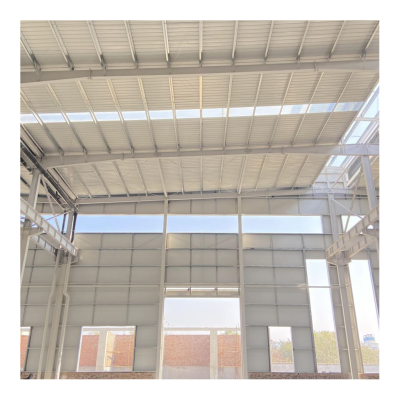
Steel Structure Light Weight Fast Construction Durable Building
$25.00 - $80.00
MOQ: 200 Square Meters


Comprehensive Sourcing Guide
Sourcing Guide for ASTM Steel Structure Buildings
Understanding Technical Specifications and Material Grades
When sourcing an ASTM Steel Structure Building, the primary focus must be on the precise material grades and geometric specifications that define the structural integrity of the project. The supply chain for these structures typically offers a diverse range of steel grades, including Q235B, Q355b, Q390, Q420, A36, A572 Gr.50, S235jr, and S355jr. Buyers must verify that the selected grade aligns with the specific load requirements of the intended application, as different regions and building codes mandate different minimum yield strengths. The observed yield strength values for these materials generally range from ≥235 to ≥420, depending on the specific alloy and processing method.
The structural components themselves, such as columns, beams, purlins, and bracing, are available in various section types, including Hw, Hm, Hn, Ipe, Hea, and Heb. The dimensions of these sections are highly customizable to meet engineering designs. Height specifications can range from 100mm to 600mm, while flange widths typically span from 50mm to 400mm. Critical dimensional tolerances are governed by international standards, with weight tolerances often specified as ±3% or ±5% per GB/T 706, EN 10034, or ASTM A6. Lengths are frequently offered in standard increments of 6, 9, 10, 12, 15, and 18 meters, with options extending up to 24 meters or fully customized lengths to minimize on-site waste.
Compliance, Certification, and Design Codes
Ensuring that a steel structure meets international and local compliance standards is non-negotiable for safety and legal adherence. The design codes referenced in the supply chain include GB/T 11263, EN 10034, ASTM A6, and JIS G 3192. These codes dictate the dimensional standards and structural calculations required for the building. Furthermore, the welding processes must adhere to specific standards such as AWS D1.1, EN 1090-2, and GB 50661. Buyers should request documentation confirming that the fabrication facility adheres to these welding protocols to ensure joint integrity under stress.
Quality certifications serve as a third-party validation of the manufacturer's capabilities. Common certifications observed in this sector include CE, ISO 9001, and EN 1090. While these certifications are standard indicators of quality management systems, buyers must verify that the specific batch of steel being purchased carries the relevant test reports and mill certificates. The design code for the building itself often incorporates load considerations for wind, snow, and seismic activity. For instance, some structures are engineered to withstand wind loads exceeding 121 mph and roof loads of 20+ lbs per square foot, with seismic resistance being a customizable feature.
Cost Drivers and Pricing Variables
The pricing of an ASTM Steel Structure Building is influenced by a complex interplay of material costs, customization levels, and logistical factors. The observed price range for these products in the market spans from $5.99 to $600, though this wide variance often reflects the difference between individual components and complete structural kits or large-scale project quotes. The minimum order quantity (MOQ) can vary significantly, ranging from a single unit to 600 units, depending on the supplier's production capacity and the specific product type.
Several key factors drive the final cost. First, the choice of material grade is a primary cost driver; higher-grade steels like Q420 or A572 Gr.50 typically command a premium over standard Q235B. Second, surface treatment methods significantly impact pricing. Options include shot blasting to SA2.5 standards followed by primer application, hot-dip galvanizing, or standard painting. Hot-dip galvanizing, while more expensive, offers superior anti-corrosion properties and extends the service life of the structure. Third, the complexity of the design and the need for custom dimensions or specialized connection forms, such as bolted or welded connections, will increase fabrication time and cost. Finally, packaging requirements, such as bundle, steel crate, or plastic wrap with edge protection, add to the overall expense, particularly for seaworthy packages intended for international shipping.
Typical Applications and Structural Features
ASTM steel structure buildings are versatile and suitable for a wide array of applications, ranging from industrial warehouses to rural self-built houses and staff dormitories. The structural system typically comprises columns, beams, purlins, and bracing, all designed to work in unison to distribute loads effectively. A key feature of these structures is their ease of installation, which is often supported by online guidance or on-site support services. The connection forms are generally available as either bolted or welded connections, allowing engineers to select the method that best suits the construction site's conditions and the project timeline.
The durability of these buildings is a critical consideration. The observed service life for high-quality steel structures is often cited as more than 50 years, with a specific design life of 50 years. This longevity is achieved through anti-corrosion treatments and the inherent strength of the steel materials. The structures are also designed with earthquake resistance in mind, making them suitable for seismic zones. Load customization is a standard offering, allowing the building to be engineered for specific wind loads, snow loads, and seismic loads. The standard coloring options for these structures include red, white, blue, green, and grey, providing aesthetic flexibility for various project requirements.
Supplier Evaluation and Manufacturing Capabilities
When evaluating potential suppliers for ASTM steel structure buildings, buyers should look for evidence of robust manufacturing methods and a comprehensive service portfolio. The manufacturing process often involves machine welding, which ensures consistency and precision in the fabrication of structural components. Buyers should verify that the supplier offers a full suite of services, including design, fabrication, and after-sales support. The availability of customization is a strong indicator of a supplier's flexibility; many manufacturers offer customizable standards, models, and dimensions to meet unique project needs.
Geographic origin is another factor to consider, with many suppliers operating out of China, specifically regions like Qingdao. While the origin does not inherently dictate quality, it influences logistics and lead times. Buyers should assess the supplier's ability to handle standard packing, such as seaworthy packages for steel structures, to ensure the materials arrive without damage. The presence of a brand name, such as Lianfeng, or specific model numbers like ZYGJ, Zhongyue Green Building 02, or DRYC-2938, can help in tracking specific product lines, but the focus should remain on the technical specifications and the supplier's track record rather than brand recognition alone.
Quality Control and Long-Term Procurement Considerations
Maintaining quality throughout the procurement lifecycle requires rigorous inspection and clear contractual terms. Quality control measures should include verification of weight tolerances, dimensional accuracy, and surface treatment quality. The welding standard, whether AWS D1.1 or EN 1090-2, must be strictly enforced during the fabrication process. Buyers should request detailed inspection reports that confirm the material composition and mechanical properties match the specified grades.
Long-term procurement considerations extend beyond the initial purchase price. The warranty period is a critical factor, with options ranging from 1 year to 5 years or negotiable terms. A longer warranty often reflects the manufacturer's confidence in their product's durability. Additionally, the service life of the building, often exceeding 50 years, should be factored into the total cost of ownership. Buyers should also consider the recyclability of the steel structure, as this can impact the environmental footprint and potential resale value of the materials. Finally, the availability of spare parts and the ease of future modifications or expansions should be discussed with the supplier to ensure the building remains functional and adaptable over its entire lifespan.
Comparative Analysis of Structural Options
To assist buyers in making informed decisions, the following table compares common structural options based on key attributes observed in the market. This comparison highlights the variability in connection forms, installation methods, and material grades available.
| Attribute | Option A: Bolt Connection | Option B: Welded Connection | Option C: Customized Model |
|---|---|---|---|
| Connection Form | Bolt Connection | Welded Connection | Customized |
| Installation Support | Support Installation | Online Guidance | Negotiable |
| Material Grades | Q235B, A36, S235jr | Q355b, Q420, A572 Gr.50 | All Available |
| Service Life | >50 Years | >50 Years | >50 Years |
| Warranty | 1 Year to 5 Years | 1 Year to 5 Years | Negotiable |
| Surface Treatment | Painted or Galvanized | Painted or Galvanized | SA2.5 + Primer |
| Application | General Industrial | High-Load Industrial | Specialized Projects |
This table illustrates that while the core material and service life remain consistent across options, the choice of connection and installation support can vary. Buyers should select the option that best aligns with their specific engineering requirements and site constraints. By carefully evaluating these factors, procurement teams can secure high-quality ASTM steel structure buildings that meet both immediate construction needs and long-term operational goals.
FAQs
What material grades are available for ASTM steel structure buildings?
Available material grades include Q235B, Q355b, Q390, Q420, A36, A572 Gr.50, and S235jr. These grades offer varying yield strengths from 235 to 420 to meet specific load requirements and regional building codes.
How long is the service life of these steel structures?
The service life is typically more than 50 years with a design life of 50 years. This longevity is achieved through anti-corrosion treatments like hot-dip galvanizing and high-quality steel materials.
Which connection forms are used in the construction process?
Both bolt connections and welded connections are available for these structures. The choice depends on the specific engineering design and site conditions, with welding adhering to AWS D1.1 or EN 1090-2 standards.
Can the wind and snow loads be customized for the building?
Yes, wind load, snow load, and seismic load are fully customizable. Some structures are engineered to withstand wind loads exceeding 121 mph and roof loads of 20+ lbs per square foot.
What certifications do the manufacturers typically hold?
Common quality certifications include CE, ISO 9001, and EN 1090. These certifications validate the manufacturer's quality management systems and compliance with international fabrication standards.
How are the steel components packed for shipping?
Components are packed in bundles, steel crates, or plastic wrap with edge protection. Seaworthy packages are standard for international shipping to ensure the materials arrive without damage.
What is the warranty period for the steel structure?
Warranty options range from 1 year to 5 years or are negotiable based on the agreement. A longer warranty often reflects the manufacturer's confidence in the product's durability and anti-corrosion features.
Which section types are offered for columns and beams?
Section types include Hw, Hm, Hn, Ipe, Hea, and Heb profiles. Heights range from 100mm to 600mm, with customizable flange widths and web thicknesses to fit specific engineering designs.