Source Automatic CNC Melamine Impregnation Line for Paper Coating
Find and compare 18 Automatic CNC Melamine Impregnation Line options for melamine paper, kraft paper, and special paper production. These systems feature PLC control, hydraulic pressing, and continuous work modes to meet diverse industrial coating needs.
Key considerations
Products List

Impregnation Production Line / Melamine Paper Machine/Impregnation Line for Melamine Paper
$180000.00 - $300000.00
MOQ: 1 Pieces

Advanced Impregnation Line for Quality Melamine Paper Production Line
$180000.00 - $300000.00
MOQ: 1 Pieces

Efficient MDF and Plywood Melamine Paper Impregnation Equipment Line
$180000.00 - $300000.00
MOQ: 1 Pieces


Advanced Melamine Impregnation Line for MDF and HPL Production Line
$180000.00 - $300000.00
MOQ: 1 Pieces


Automatic Two-Step Melamine Decorative and Phenolic Kraft Paper Impregnation Line
$40000.00 - $50000.00
MOQ: 1 Sets


Qiangtong Melamine Glue Paper Impregnation Line for Melamine Paper
$50000.00 - $80000.00
MOQ: 1 Pieces

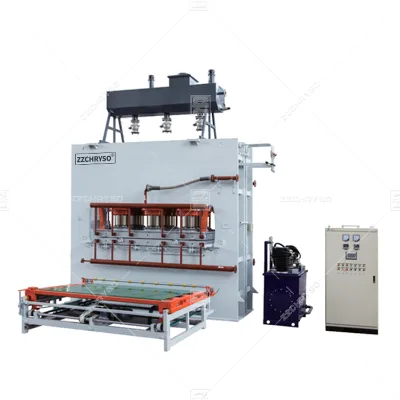

$49000.00 - $60000.00
MOQ: 1 set

$47000.00 - $60000.00
MOQ: 1 set

Decorate Paper Printing and Coating Machine/Decor Paper Impregnating Line
$100000.00 - $300000.00
MOQ: 1 Sets
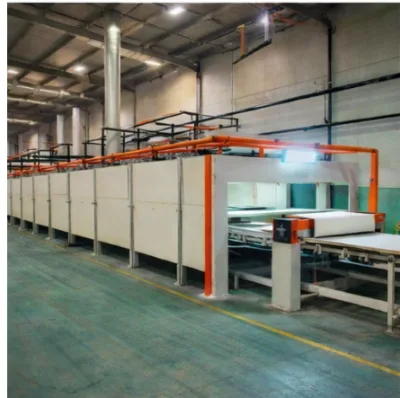
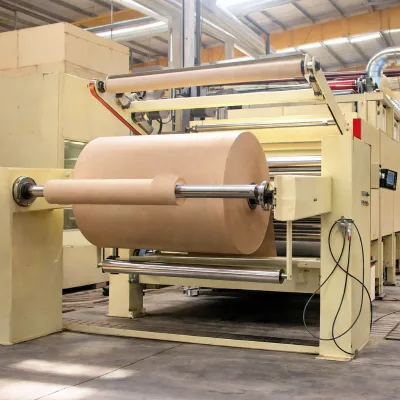
Comprehensive Sourcing Guide
Automatic CNC Melamine Impregnation Line Sourcing Guide
Sourcing an Automatic CNC Melamine Impregnation Line requires a disciplined approach to aligning technical capabilities with production volume and material specifications. These systems are engineered for the continuous processing of paper, specifically targeting the application of melamine, urea, or phenolic resin glues to create finished melamine paper and kraft paper products. Buyers must recognize that while the core function remains consistent, the specific configuration of the line—ranging from cylinder mould sheet formers to multi-layer hydraulic pressing shapes—varies significantly based on the desired output quality and raw material thickness. The observed market signals indicate a strong presence of manufacturers from China, particularly in regions like Jiangsu and Wuxi, offering both standard and custom-made solutions.
The procurement process is further complicated by the diversity of automation levels and control systems available. While some listings highlight fully automatic grades with CNC controlling modes, others may present semiautomatic options or specific work modes such as hydraulic pressure or continuous processing. It is critical for the buyer to distinguish between the machine’s structural type, such as frame-type constructions, and its operational parameters, including voltage requirements like 380V and power consumption metrics. Understanding these distinctions ensures that the selected line integrates seamlessly with existing factory infrastructure and meets the precise throughput requirements of the melamine paper manufacturing process.
Product Scope and Observed Listing Signals
The product scope for automatic CNC melamine impregnation lines encompasses a wide array of configurations designed to handle various paper widths and thicknesses. Observed listings indicate that raw paper widths can range from 900mm to 1900mm, with specific machine models accommodating widths of 1220mm or 1830mm. The systems are capable of processing thin paper and are often associated with cylinder mould sheet former types, which are essential for creating the base structure of special papers. Buyers should note that the glue types supported are not limited to melamine; urea and phenolic resins are also commonly integrated into these lines, allowing for versatile production capabilities depending on the final paper grade required.
Commercial signals from the market reveal a broad spectrum of pricing and minimum order quantities, with observed prices ranging from approximately $30,604.95 to $300,000 and MOQs consistently at one unit. This variance suggests that the market offers both entry-level configurations and high-end, fully integrated lines with advanced features such as LCD screen man-machine interfaces and PLC controlling methods. The weight of these machines is substantial, ranging from 30 tons to 58 tons, indicating that facility preparation, including floor loading capacity and crane access, is a prerequisite for installation. Additionally, packaging details vary from plywood cases for small parts to containerized shipments for larger components, reflecting the modular nature of these industrial systems.
Technical Specifications to Verify
When evaluating technical specifications, the first priority is verifying the automation grade and control architecture. Buyers must confirm whether the system operates as a fully automatic or semiautomatic unit, as this directly impacts labor requirements and production consistency. The controlling mode is a critical differentiator, with CNC and PLC systems offering varying degrees of precision and ease of use. It is essential to verify the presence of a man-machine interface, such as an LCD screen, which facilitates operator interaction and process monitoring. The work mode, whether continuous or batch-based, and the pressing shape, such as moulding press or hydraulic pressure, must align with the desired production rhythm and paper quality standards.
Pressure and temperature parameters are equally vital for ensuring the quality of the impregnated paper. The platen surface pressure can range from medium to high, depending on the specific model and the density requirements of the final product. Buyers should verify the total installation power, which can be significant, with some lines requiring up to 125kw, to ensure adequate electrical infrastructure is in place. The raw material of the frame, often specified as Q235 steel, contributes to the machine’s durability and stability during high-pressure operations. Additionally, the voltage requirement, typically 380V, must be confirmed to prevent compatibility issues with the facility’s power supply.
Compliance and Safety Documentation
Compliance with international safety and quality standards is non-negotiable for industrial machinery procurement. The most commonly observed certification for these lines is the CE mark, which indicates conformity with health, safety, and environmental protection standards for products sold within the European Economic Area. Some listings also reference ISO certifications, suggesting a broader adherence to quality management systems. Buyers must request valid certification documents and verify their authenticity with the issuing bodies. It is crucial to ensure that the machinery meets the specific regulatory requirements of the destination country, as CE marking alone may not satisfy local safety codes in all jurisdictions.
Safety documentation should also include detailed operational manuals, electrical schematics, and maintenance guidelines. These documents are essential for training operators and ensuring that the machine is used within its designed parameters. Buyers should verify that the machine’s design incorporates necessary safety features, such as emergency stop buttons, protective guards, and interlocks for moving parts. The working forms, such as hydraulic pressure systems, require specific safety protocols to prevent accidents during maintenance or operation. Ensuring that all safety-related documentation is provided in a language understandable by the local operators is a critical step in the procurement process.
Cost Drivers and Commercial Terms
The cost of an Automatic CNC Melamine Impregnation Line is influenced by several key factors, including the level of automation, the complexity of the control system, and the specific technical specifications such as paper width and pressure capabilities. Machines with higher automation grades and advanced CNC controls typically command higher prices due to the increased precision and reduced labor requirements they offer. The power consumption and total installation capacity also play a role, as higher power requirements may necessitate additional infrastructure investments. Buyers should consider the total cost of ownership, including energy consumption and maintenance costs, rather than focusing solely on the initial purchase price.
Commercial terms and packaging details are significant components of the overall cost structure. The observed MOQ of one unit suggests flexibility for buyers, but it is important to negotiate clear terms regarding delivery, installation, and after-sales support. Packaging methods, ranging from wooden cases to containerized shipments, affect logistics costs and the risk of damage during transit. Buyers should verify the standard production capacity, which can vary from 4,000 kg to 45,000 kg, to ensure it aligns with their production targets. Additionally, the origin of the machine, often China, may influence shipping costs and lead times, which should be factored into the commercial negotiation.
Supplier Qualification and Quality Control
Supplier qualification is a critical step in ensuring the reliability and longevity of the purchased equipment. Buyers should verify the supplier’s manufacturing capabilities, including their facility size, production capacity, and quality control processes. Suppliers from regions like Jiangsu and Wuxi are known for their expertise in paper machinery, but it is essential to conduct due diligence to confirm their reputation and track record. Requesting references from previous clients and visiting the manufacturing facility, if possible, can provide valuable insights into the supplier’s operational standards and commitment to quality.
Quality control measures should be clearly defined and agreed upon before the order is placed. This includes pre-shipment inspections, factory acceptance tests, and on-site commissioning support. Buyers should verify that the supplier provides comprehensive documentation, including material certificates for key components like the Q235 steel frame and electrical components. The customization options available, such as specific paper widths or glue types, should be clearly specified in the contract to avoid discrepancies between the ordered and delivered machine. Establishing a clear warranty and after-sales service agreement is also essential to mitigate risks associated with potential defects or operational issues.
Long-Term Procurement Checks
Long-term procurement success depends on establishing a robust framework for ongoing supplier relationship management and equipment maintenance. Buyers should develop a preventive maintenance schedule based on the manufacturer’s recommendations to ensure the longevity and efficiency of the impregnation line. This includes regular inspections of hydraulic systems, electrical components, and mechanical parts. Keeping a detailed log of maintenance activities and any repairs performed can help identify potential issues early and reduce downtime. Buyers should also ensure that spare parts are readily available, either through the supplier or local distributors, to minimize production interruptions.
Continuous improvement and technology upgrades are also important considerations for long-term procurement. As technology evolves, buyers should stay informed about new features and capabilities that could enhance their production efficiency and product quality. Maintaining open communication with the supplier can facilitate access to technical support, training, and upgrade options. Additionally, buyers should periodically review their production requirements and compare them with the machine’s current capabilities to identify any gaps or opportunities for optimization. By proactively managing the lifecycle of the equipment, buyers can maximize the return on their investment and maintain a competitive edge in the melamine paper market.
FAQs
What certifications does the Automatic CNC Melamine Impregnation Line have?
The equipment holds CE and ISO certifications. These standards ensure compliance with international safety and quality requirements for industrial machinery used in paper production processes.
Can the machine be customized for specific paper widths?
Yes, customization is available for this automatic line. The system supports raw paper widths ranging from 900mm to 1900mm, allowing adaptation to various production needs.
Which glue types are compatible with this impregnation line?
The line processes Melamine, Urea, and Phenolic Resin glues. This versatility supports the production of melamine paper and kraft paper using different chemical formulations.
How is the machine controlled during operation?
Control is managed via a PLC system with an LCD screen interface. The CNC controlling mode ensures precise operation for continuous work modes in industrial settings.
What is the voltage requirement for this equipment?
The machine operates on a 380V power supply. It requires approximately 22kw of power, with a total installation capacity reaching up to 125kw for the full line.
How are the parts packaged for shipping?
Small and important parts are packed in plywood cases or wooden cases. The overall packaging includes mildew-proof measures and container shipping options for safe transport.