Source Woodworking Industrial Vacuum Cleaner for Factories, Workshops, and Mills
Compare 30 Woodworking Industrial Vacuum Cleaner models with varying motor power, air volume, and filtration types. Buyers can evaluate specifications like inlet size, dust bag capacity, and overall dimensions to find the right unit for their facility; compare the available evidence and request quotations based on your requirements.
Key considerations
Products List

Woodworking 7.5kw Mobile Industrial Vacuum Cleaner Dust Removal Machine
$250.00 - $650.00
MOQ: 1 Pieces

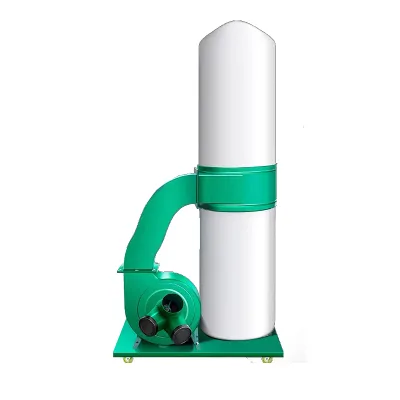


Compact Automatic Power Tool Dust Extraction Industrial Vacuum Cleaner
$330.00 - $345.00
MOQ: 1 Pieces


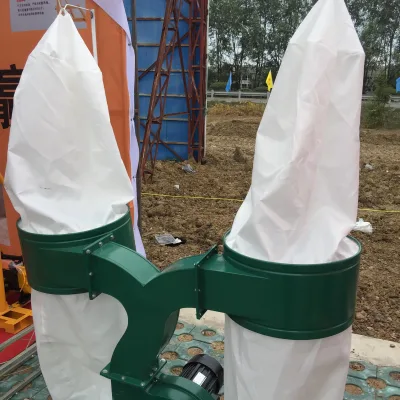


Industrial Vacuum Cleaners Suitable for Grinding Machines
$350.00 - $450.00
MOQ: 1 Pieces
Tongling Longshun Environmental Protection Equipment Co., Ltd.

Industrial Powerful Wet and Dry Vacuum Cleaner Machine
$1500.00 - $1600.00
MOQ: 1 Sets
Tongling Longshun Environmental Protection Equipment Co., Ltd.


Comprehensive Sourcing Guide
Woodworking Industrial Vacuum Cleaner Sourcing Guide
Procuring the right industrial vacuum for woodworking environments requires a clear understanding of the specific operational demands and the technical capabilities of the available machinery. Buyers must distinguish between general-purpose cleaning units and specialized dust extraction systems designed to handle fine particulates, sawdust, and wood shavings generated during cutting, sanding, and routing processes. The selection process begins with identifying the primary source of dust and the volume of material produced, which directly influences the required airflow and filtration efficiency.
This guide focuses on the observed market signals for woodworking industrial vacuum cleaners, highlighting key attributes such as motor power, air volume, and filtration types. By examining the typical specifications found in current listings, buyers can establish a baseline for comparison and avoid common pitfalls associated with underpowered or improperly filtered equipment. The goal is to ensure that the selected unit not only meets immediate cleaning needs but also integrates seamlessly into existing workshop infrastructure while maintaining safety and compliance standards.
Product Scope and Observed Listing Signals
The current market for woodworking industrial vacuum cleaners presents a diverse range of models, with observed prices spanning from approximately $115 to $70,000 USD, reflecting significant variations in capacity and automation levels. Minimum order quantities typically range from one to one hundred units, allowing for both single-unit pilot purchases and larger fleet acquisitions. Listings frequently highlight features such as handheld layouts, automatic operation, and CNC control compatibility, indicating a shift towards more integrated and user-friendly dust extraction solutions for modern workshops.
Key technical observations include the prevalence of drum-type shapes and dust bag filtration systems, which are essential for managing large volumes of dry debris. Motor powers observed in the data vary, with specific models featuring 2.2kw and 7.5kw options, catering to different scales of operation from small artisanal shops to large-scale industrial facilities. Air volume capacities also differ, with some units offering 2350m³H and others providing up to 7000m³H, ensuring that buyers can match the suction power to their specific dust generation rates and pipe network requirements.
Technical Specifications to Verify
When evaluating technical specifications, buyers should prioritize the motor power and air volume of fan to ensure adequate suction for the intended workload. For instance, models with 7.5kw motors and 7000m³H air volume are suitable for high-demand environments, while 2.2kw units with 2350m³H may suffice for lighter tasks. It is crucial to verify the inlet size and dust bag capacity, as these dimensions affect the ease of connection to existing ductwork and the frequency of emptying required during operation.
Additionally, the overall dimensions and weight of the unit are critical for logistical planning and floor space allocation. Buyers should check the overall size, such as 18007602550mm for larger models, and the net weight, which can range from 49.5kg to 125kg, to ensure the equipment can be safely moved and installed. The packing size and weight are also important for shipping calculations, with some units weighing up to 132kg gross, requiring appropriate handling equipment and freight arrangements.
Compliance and Safety Documentation
Compliance with safety standards is paramount in industrial settings, and buyers should verify that the vacuum cleaner holds relevant certifications, such as CE marking, which indicates adherence to European health, safety, and environmental protection standards. Although specific national standards may vary, the presence of a machinery test report provided by the supplier is a positive indicator of quality control and performance validation. Buyers should request these documents to ensure the equipment meets the regulatory requirements of their operating region.
Furthermore, the warranty period and after-sales support are key components of the safety and reliability framework. A standard warranty of six months is commonly observed, but buyers should clarify the scope of coverage, including parts and labor, to mitigate the risk of unexpected repair costs. Ensuring that the supplier provides clear documentation on maintenance procedures and safety warnings is essential for preventing accidents and extending the lifespan of the equipment in demanding woodworking environments.
Cost Drivers and Commercial Terms
The cost of woodworking industrial vacuum cleaners is influenced by several factors, including motor power, filtration capacity, and automation features. Higher-powered units with larger air volumes and advanced control systems, such as CNC integration, typically command higher prices. Buyers should also consider the supply ability of the supplier, with some manufacturers offering up to 10,000 pieces per month, which can impact lead times and pricing for bulk orders.
Commercial terms, such as the port of dispatch and packaging details, also play a role in the total cost of ownership. Suppliers often dispatch from major Chinese ports like Guangzhou, Shenzhen, or Foshan, which can affect shipping costs and delivery times. Packaging is typically done in cartons or with plastic film and sponge protection, ensuring the unit arrives in new condition. Buyers should negotiate these terms carefully to optimize their procurement budget and ensure timely delivery.
Supplier Qualification and Quality Control
Supplier qualification is a critical step in the procurement process, and buyers should assess the manufacturer's production capabilities and quality control measures. Observing the supply ability and the provision of machinery test reports can provide insights into the supplier's reliability and commitment to quality. Buyers should also verify the customization options available, as some suppliers offer tailored solutions to meet specific workshop requirements, such as customized layouts or specialized filtration systems.
Quality control should extend to the physical attributes of the product, including the materials used and the construction quality. For example, the use of strong iron for the standard frame and the inclusion of features like handle control and stable work design indicate a focus on durability and user comfort. Buyers should request samples or conduct factory audits if possible to verify these claims and ensure that the supplier can consistently deliver high-quality products that meet their operational needs.
Long-Term Procurement Checks
Long-term procurement success depends on the ability to maintain and service the vacuum cleaner over its operational life. Buyers should evaluate the availability of spare parts, such as dust bags and filters, and the ease of access for routine maintenance. The key selling points of long service life and stable work suggest that well-maintained units can provide reliable performance, but this requires a proactive maintenance strategy and a clear understanding of the manufacturer's support offerings.
Additionally, buyers should monitor the evolving technology and market trends to ensure that their equipment remains competitive and efficient. As woodworking techniques and dust generation profiles change, the ability to upgrade or replace components may become necessary. Establishing a strong relationship with the supplier for ongoing support and potential future purchases can help mitigate risks and ensure that the procurement strategy remains aligned with the workshop's long-term goals and operational requirements.
FAQs
What certifications does the Woodworking Industrial Vacuum Cleaner have?
The product holds CE certification as a standard compliance feature. This ensures the equipment meets essential safety and performance requirements for industrial use in various markets without needing additional third-party validation for basic operation.
Which motor power options are available for this vacuum cleaner?
Available motor power options include 7.5kw and 2.2kw configurations depending on the specific model selected. These power ratings support different air volume capacities ranging from 2350m³H to 7000m³H to suit varying industrial dust collection needs.
Can the Woodworking Industrial Vacuum Cleaner be customized for specific needs?
Yes, customization is available for this equipment to meet unique operational requirements. Buyers can request specific modifications to the layout, control systems, or filtration components to ensure the machine integrates seamlessly into their existing production lines.
What is the lead time for ordering this industrial vacuum cleaner?
The supply ability is listed as 10000 pieces per month, indicating a robust production capacity. While specific lead times are not explicitly stated in the provided facts, the high monthly output suggests the manufacturer can handle large volume orders efficiently.
How is the Woodworking Industrial Vacuum Cleaner packaged for shipping?
The product is packed using plastic film and sponge for protection during transit. The packaging details specify carton packaging for smaller units, ensuring the equipment remains secure and undamaged while being transported from the origin in Guangdong, China.
What warranty is provided for the Woodworking Industrial Vacuum Cleaner?
A 6-month warranty is provided for this equipment to cover potential manufacturing defects. This warranty period offers buyers short-term assurance regarding the stability and performance of the machine immediately after installation and initial operation.