Source Automatic Concrete Asphalt Paver for Road Construction
Find and compare 30 automatic concrete asphalt paver models from Chinese manufacturers. Evaluate specifications like paving width, capacity, and power to select the right machinery for your infrastructure projects; compare the available evidence and request quotations based on your requirements.
Key considerations
Products List


$28500.00 - $30000.00
Moq: 1

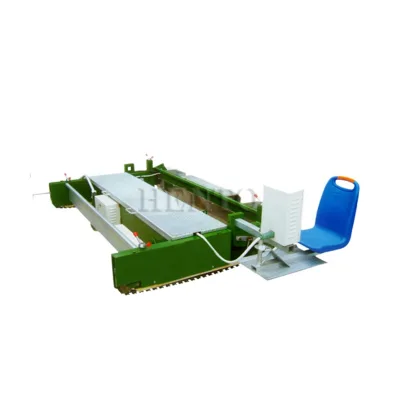


Road Making Machine Paving Width Mini Asphalt Concrete Road Paver for Sale
$70000.00 - $80000.00
Moq: 1


Comprehensive Sourcing Guide
Automatic Concrete Asphalt Paver Sourcing Guide
Procuring an automatic concrete asphalt paver requires distinguishing between intermittent compulsory mixing and continuous drum systems, as these define the machine's operational rhythm and output consistency. Buyers must verify whether the unit targets asphalt concrete pavement or cement concrete pavement, since the mixing method and paving width capabilities differ significantly between these material types. The observed product range includes models with capacities exceeding 400 tons per hour, indicating that high-volume infrastructure projects demand specific throughput verification before selection.
The mobility of the unit is a critical decision factor, with available options ranging from stationary configurations to fully mobile units capable of rapid site relocation. Buyers should confirm the maximum paving width, which can extend up to 7.5 meters, and ensure the basic paving width aligns with the specific lane requirements of the project. Additionally, the hopper capacity, observed between 13 and 14 tons, dictates the frequency of material replenishment and directly impacts the continuous flow of the paving operation on large-scale sites.
Product Scope and Observed Listing Signals
The market listings reveal a diverse range of specifications, including models like the RP601 and RP603L, which offer varying paving widths from 2.5 meters to 7.5 meters. Buyers must carefully cross-reference the maximum paving thickness, which ranges from 150mm to 350mm, to ensure the machine can handle the specific layer depth required for the intended road structure. The observed power ratings, spanning from 100kw to 140kw, suggest that engine selection should be matched against the gradeability requirements, which can reach up to 20% on steep inclines.
Listing signals also indicate significant variation in physical dimensions and weight, with some units weighing as little as 850kg while others reach 25 tons. This disparity necessitates a clear definition of transport logistics, as the standard packing methods vary from nude packing to containerized or Roro transport. Buyers should verify the engine speed, typically around 2400r/Min, to ensure compatibility with the desired paving speed, which can range from 0 to 18 meters per minute depending on the specific model configuration.
Technical Specifications to Verify
Engine power and gradeability are the primary technical constraints that determine a paver's ability to maintain consistent speed on challenging terrain. Buyers must verify that the 129kw or 140kw power ratings are sufficient for the specific soil conditions and slope gradients of the project site. The maximum gradeability of 20% is a critical threshold; if the project involves steeper inclines, the standard specifications may be insufficient, requiring a custom configuration or a different machine class entirely.
The mixing method, whether intermittent compulsory or continuous drum, fundamentally alters the quality of the mix delivered to the screed. Buyers should confirm the mixing method aligns with the material type, as asphalt concrete often benefits from specific mixing dynamics compared to cement concrete. Furthermore, the paving speed range of 0 to 18 meters per minute must be compatible with the supply rate of the material truck, ensuring that the machine does not stall or create uneven joints due to supply interruptions.
Compliance and Safety Documentation
Certification status is a non-negotiable aspect of procurement, with CE and ISO9001 marks appearing as standard requirements for international compliance. Buyers must request valid certificates for these standards to ensure the machinery meets the safety and quality regulations of the destination country. The absence of these certifications can lead to customs delays or legal liabilities, making it essential to verify the authenticity of the documentation before finalizing any purchase agreement.
Safety features extend beyond certifications to include operational parameters like temperature adjustment for heating boards, which typically range from 90 to 120 degrees centigrade. Buyers should verify that the control systems for these heating elements are robust and provide precise regulation to prevent material degradation or uneven paving. Additionally, the availability of engineers for overseas service is a critical safety and operational assurance, ensuring that any technical failures can be resolved promptly without prolonged downtime.
Cost Drivers and Commercial Terms
The observed price range of 500 to 198,000 USD indicates that cost is heavily influenced by the specific model, capacity, and customization options selected. Buyers should understand that higher capacity units, such as those exceeding 400 tons per hour, will command a premium price compared to standard models. The customization availability allows for tailored specifications, but this flexibility often introduces variable costs that must be negotiated clearly within the commercial terms.
Minimum Order Quantity (MOQ) is consistently listed as one set, which simplifies the entry barrier for smaller projects but requires careful budgeting for single-unit purchases. Buyers must clarify the packing terms, as options like nude packing or container transport can significantly impact the final landed cost. The forward speed of 30km/h and the overall weight of the unit also influence shipping logistics, which should be factored into the total cost of ownership calculations.
Supplier Qualification and Quality Control
Supplier qualification relies heavily on the origin of the machinery, with most observed listings originating from China, specifically Shanghai. Buyers should verify the manufacturing location to ensure it aligns with their quality expectations and supply chain preferences. The brand name HENTO is observed in the listings, but buyers must conduct independent due diligence to confirm the supplier's track record and financial stability before committing to a large order.
Quality control is further evidenced by the detailed product specifications, such as the standard dimensions of 668025004000mm for certain models. Buyers should request factory audit reports or third-party inspection results to validate these dimensions and the overall build quality. The provision of after-sales service, including overseas engineers, is a key indicator of supplier reliability, ensuring that the buyer has support throughout the lifecycle of the equipment.
Long-Term Procurement Checks
Long-term procurement success depends on the availability of spare parts and the durability of the machine's core components. Buyers should verify the warranty terms and the lead time for critical spare parts, such as the engine or mixing drum components, to prevent extended downtime. The observed weight and power specifications suggest that high-stress components require regular maintenance, which should be outlined in a comprehensive service plan provided by the supplier.
The product capacity, ranging from 40 to 400 tons per hour, implies that the machine will undergo significant wear and tear over time. Buyers must establish a maintenance schedule that accounts for the specific operating conditions, such as the paving speed and material type. Regular inspections of the paving width and thickness capabilities are essential to ensure the machine continues to meet the project specifications throughout its operational life.
FAQs
What is the paving capacity of the automatic concrete asphalt paver?
The automatic concrete asphalt paver offers a product capacity ranging from 40 to 400 tons per hour. This range supports various project scales, ensuring efficient material handling. The maximum laydown rate reaches 400 tons per hour, allowing for rapid pavement construction. This capacity is suitable for large-scale infrastructure projects requiring high throughput and consistent performance.
Can the automatic concrete asphalt paver be customized for specific needs?
Yes, customization is available for the automatic concrete asphalt paver. Buyers can request specific modifications to meet unique project requirements. This flexibility allows for tailored solutions in various construction scenarios. The machine supports both asphalt concrete and cement concrete pavement applications, ensuring versatility across different material types and site conditions.
What are the maximum paving width specifications for this paver?
The maximum paving width for this paver is 7.5 meters. The basic paving width ranges from 2.5 to 4.75 meters depending on the model. This wide range allows for versatile application in various road construction projects. The machine ensures precise laying with a maximum paving thickness of up to 350 millimeters for robust pavement structures.
What certifications does the automatic concrete asphalt paver hold?
The automatic concrete asphalt paver holds CE and ISO9001 certifications. These certifications confirm compliance with international quality and safety standards. The product is in new condition, ensuring reliability and performance. Buyers can trust these credentials for regulatory compliance and quality assurance in global construction projects requiring certified heavy machinery.
How much does the automatic concrete asphalt paver weigh?
The weight of the automatic concrete asphalt paver varies by model, ranging from 850 kg to 25,000 kg. Specific models weigh 19 tons or 25,000 kg. This weight variation supports different mobility and stability requirements. The mobile moving type ensures easy transport and setup on various construction sites, providing operational flexibility for diverse project environments.
What is the power output of the automatic concrete asphalt paver?
The automatic concrete asphalt paver features power outputs of 100 kW, 129 kW, and 140 kW. These power levels ensure efficient operation for various paving tasks. The engine speed reaches 2400 r/min, providing consistent performance. Higher power models support greater capacity and wider paving widths, making them suitable for demanding infrastructure projects requiring robust machinery.