Source Caterpillar Diesel Engine Overhaul Kit for Excavators
Find and compare 30 listings for the Caterpillar Diesel Engine Overhaul Kit, featuring C7 and C9 models with CE certification. These high-quality, new condition parts are suitable for machinery repair shops and manufacturing plants, offering standard sizes and professional testing.
Updated
Key considerations
Products List


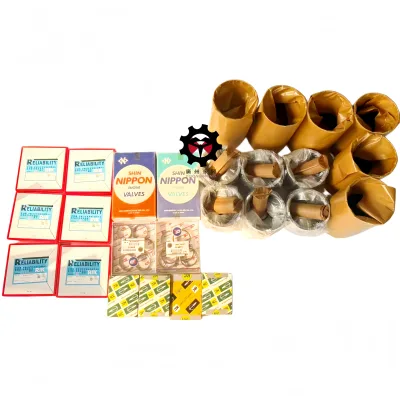
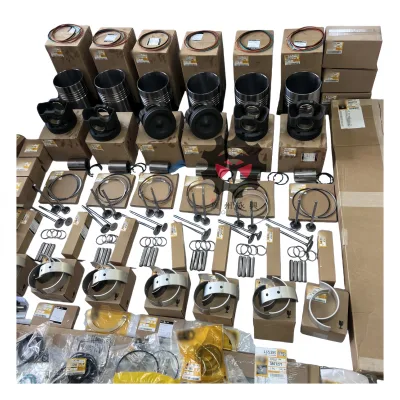
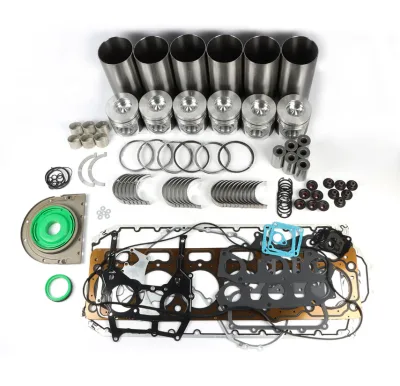
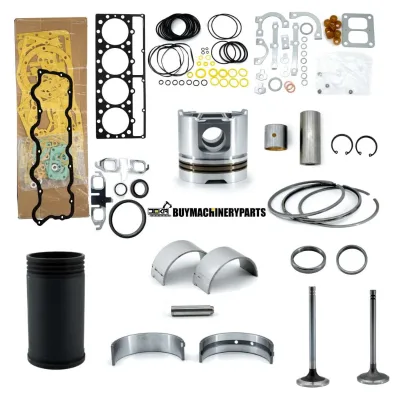
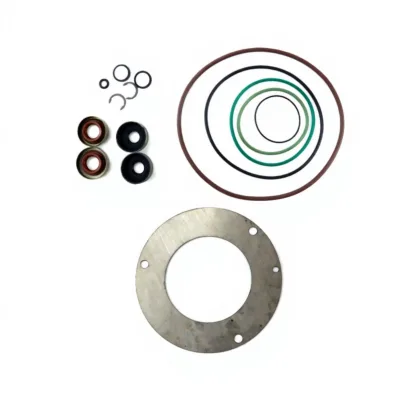
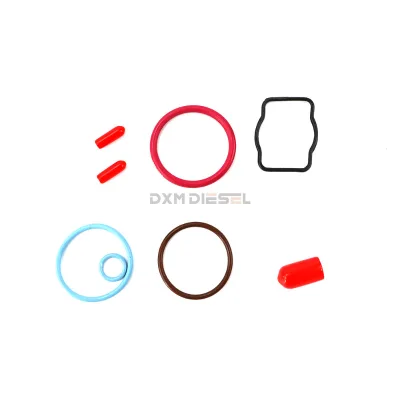
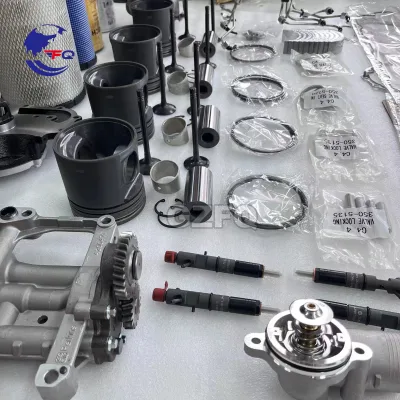
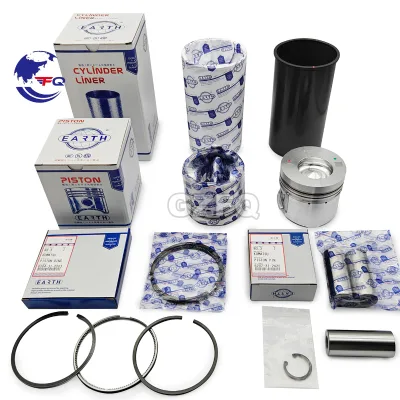
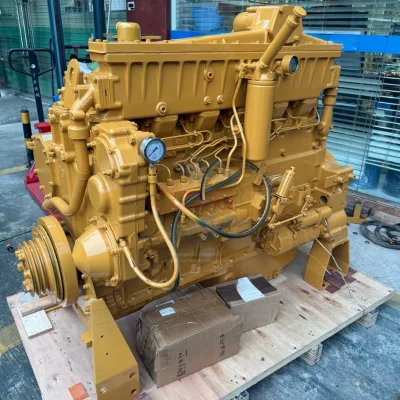

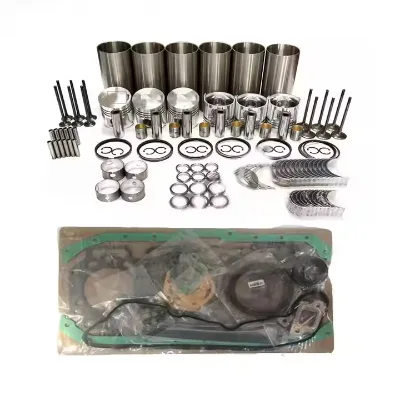
Caterpillar C6.4 C6.6 Cc10 C13 C15 C18 Gasket Kit Engine Overhaul Kit Engine Parts
$100.00 - $130.00
MOQ: 1 Pieces


Comprehensive Sourcing Guide
Caterpillar Diesel Engine Overhaul Kit Sourcing Guide
Procuring a Caterpillar Diesel Engine Overhaul Kit requires precise alignment between the kit’s internal components and the specific engine model’s design tolerances. Buyers must first identify the exact engine series, such as the C7, C9, or C6.6, as these variants dictate the necessary piston dimensions, cylinder liner specifications, and gasket sets. The supplied data indicates that products are available for these specific engine types, with some listings explicitly referencing the C7 and C9 platforms. This specificity is critical because a mismatch in engine architecture can lead to immediate installation failure or catastrophic mechanical damage during operation.
Beyond the engine model, the physical configuration of the engine must be verified to ensure component compatibility. Factors such as the number of cylinders, cooling method, and intake pressure impulse significantly influence the required kit contents. For instance, water-cooled, six-cylinder, four-stroke engines with supercharged intake systems have distinct sealing and bearing requirements compared to other configurations. Buyers should confirm that the overhaul kit includes components tailored to these specific mechanical arrangements, ensuring that every piston, seal, and bearing matches the original equipment manufacturer’s engineering standards for that particular engine layout.
Product Scope and Observed Listing Signals
The current market landscape for these overhaul kits shows a wide variance in pricing and minimum order quantities, reflecting differences in component quality and supplier scale. Observed price points range from approximately one to nine thousand US dollars, while minimum order quantities typically span from one to twelve units. This broad spectrum suggests that buyers can source single-unit replacements for urgent repairs or bulk orders for fleet maintenance programs. The presence of both "High Quality" and "100% Professional Test" attributes in listings indicates that suppliers are competing on verified performance rather than just price, allowing buyers to select based on their specific reliability needs.
Product attributes further clarify the nature of the available inventory, with many items described as "New" condition and originating from China. Packaging methods vary, with some suppliers offering carton packaging while others provide wooden packages or neutral packaging, which may impact shipping costs and product protection. Additionally, the availability of customization options suggests that suppliers can tailor kits to specific operational requirements or non-standard engine modifications. Buyers should carefully review these logistical details, as the choice between standard and customized kits, along with the packaging type, will directly affect lead times, handling procedures, and the overall total cost of ownership.
Technical Specifications to Verify
Verifying the technical specifications of the overhaul kit is paramount to ensuring seamless integration with the target engine. Key attributes to confirm include the piston type, diameter, and size, which must match the original equipment manufacturer’s standards. The supplied context highlights that products are often described as having a "Standard" diameter and size, but buyers must cross-reference these claims with their engine’s serial number and manufacturing date. Furthermore, the material composition, such as iron-based components, and the cooling cylinder type, whether water-cooled or otherwise, must align with the engine’s thermal management system to prevent overheating or premature wear.
Additional technical parameters, such as the engine’s speed classification, fuel type, and ignition mode, also play a crucial role in component selection. The data indicates that these engines are typically high-speed, diesel-powered units with electric ignition and reciprocating piston movement. Buyers should ensure that the overhaul kit includes components compatible with these operational characteristics, such as seals resistant to diesel fuel degradation and bearings designed for high-speed rotation. Verifying the cylinder arrangement form, such as an L-shaped configuration, and the number of strokes is equally important, as these factors influence the layout and quantity of gaskets and seals included in the kit.
Compliance and Safety Documentation
Compliance with international standards is a critical factor in the procurement of engine overhaul kits, particularly for machinery used in regulated industries. The supplied facts indicate that many products carry CE certification, which is essential for equipment operating within markets that require adherence to European health, safety, and environmental protection standards. Buyers should request valid CE certificates for the specific kits they intend to purchase, ensuring that the documentation is current and matches the product batch. This verification process helps mitigate legal risks and ensures that the components meet the necessary regulatory requirements for their intended market.
In addition to CE certification, ISO 9001 compliance is another significant indicator of a supplier’s commitment to quality management systems. The presence of ISO 9001 certification suggests that the manufacturer follows standardized processes for production, inspection, and documentation, which can lead to greater consistency in product quality. Buyers should verify that the supplier’s ISO certification is active and covers the specific components being purchased. Furthermore, the inclusion of "Standard Component" labels and professional test results, such as video outgoing-inspections, provides additional assurance that the parts have undergone rigorous quality checks before shipment, reducing the risk of receiving defective or non-compliant items.
Cost Drivers and Commercial Terms
Understanding the factors that influence the cost of an overhaul kit is essential for effective budgeting and negotiation. The primary cost drivers include the complexity of the engine model, the quality of materials used, and the extent of customization required. For example, kits for larger or more complex engines like the C9 may command higher prices due to the increased number of components and tighter tolerances. Additionally, the inclusion of professional testing and video inspections can add to the cost but provides valuable assurance of quality, potentially reducing long-term maintenance expenses. Buyers should weigh these upfront costs against the potential savings from improved engine reliability and reduced downtime.
Commercial terms, including minimum order quantities and packaging options, also impact the total procurement cost. Suppliers may offer discounts for larger orders, making bulk purchases more economical for fleet maintenance programs. However, buyers must consider the storage and handling costs associated with larger quantities, as well as the lead times for production and delivery. The choice of packaging, whether carton, wooden, or neutral, can also affect shipping costs and the risk of damage during transit. Negotiating clear terms regarding payment methods, warranty coverage, and return policies is crucial to protecting the buyer’s investment and ensuring a smooth procurement process.
Supplier Qualification and Quality Control
Evaluating supplier qualifications is a vital step in ensuring the reliability of the overhaul kit. Buyers should prioritize suppliers who demonstrate a strong track record in manufacturing and supplying engine components, particularly for Caterpillar engines. The presence of attributes such as "Original Factory Cat" branding and "High Quality" claims suggests that some suppliers may have direct ties to original equipment manufacturers or authorized distribution networks. However, buyers must independently verify these claims by requesting references, case studies, or testimonials from previous clients. This due diligence helps confirm the supplier’s capability to deliver genuine, high-quality components that meet the required specifications.
Quality control processes are another critical aspect of supplier evaluation. The supplied data indicates that some suppliers provide video outgoing-inspections, which offer visual proof of the product’s condition before shipment. Buyers should request these videos to verify that the components are new, undamaged, and match the ordered specifications. Additionally, suppliers should have robust quality management systems in place, including incoming material inspections, in-process checks, and final product testing. Buyers should inquire about the specific quality control measures employed by the supplier and request documentation, such as test reports or inspection certificates, to validate the quality of the overhaul kit.
Long-Term Procurement Checks
Establishing long-term procurement checks is essential for maintaining consistent quality and supply chain stability. Buyers should implement a regular review process to assess supplier performance, including metrics such as on-time delivery rates, product defect rates, and responsiveness to issues. This ongoing evaluation helps identify potential problems early and allows for corrective actions to be taken before they impact operations. Additionally, buyers should maintain open communication with suppliers to stay informed about any changes in product specifications, certifications, or market conditions that may affect the procurement process. This proactive approach ensures that the supply chain remains resilient and adaptable to changing needs.
Furthermore, buyers should periodically re-verify the compliance and quality documentation of the overhaul kits, even if they have been previously approved. Certifications such as CE and ISO 9001 may expire or be revoked, and product specifications may change over time. By conducting regular audits and requesting updated documentation, buyers can ensure that the components they receive continue to meet the required standards. Additionally, buyers should monitor market trends and supplier landscapes to identify alternative sources in case of supply disruptions. This strategic approach to procurement helps mitigate risks and ensures a steady supply of high-quality overhaul kits for long-term operational success.
FAQs
What certifications do the engines have?
The engines hold CE and ISO9001 certifications as confirmed by product facts. These standards ensure compliance with international safety and quality requirements for industrial machinery applications.
Which engine models are available for purchase?
Available models include C7, C9, C6.6, and C4.4 variants. These units are designed for heavy-duty applications and feature high-quality components suitable for various industrial machinery needs.
Can I request customization for the engine?
Yes, customization is available for these engine units. Buyers can request specific modifications to meet unique operational requirements while maintaining the high-quality standards of the original factory components.
What is the minimum order quantity for these engines?
The minimum order quantity ranges from 1 to 12 units depending on the specific product listing. This flexible MOQ allows buyers to procure small batches or larger quantities as needed.
How are the engines packaged for shipping?
Engines are packaged in cartons, wooden packages, or neutral packaging options. This ensures safe transport and protection of the high-quality components during international shipping from the origin location.
What is the condition of the supplied engines?
All supplied engines are in new condition. They undergo professional testing to ensure they meet high-quality standards before being shipped to buyers for immediate installation and use.
Which industries can use these diesel engines?
These engines are applicable for machinery repair shops, manufacturing plants, and construction sites. Their robust design supports heavy-duty operations across multiple industrial sectors requiring reliable power sources.