Source Automatic Demoulding Plastic Injection Mold for Medical, Automotive, and Household Applications
Find and compare 30 Automatic Demoulding Plastic Injection Mold options designed for medical, automotive, and household use. Evaluate specifications including ISO13485 and TS16949 certifications, PP and ABS materials, and customization features to identify suitable suppliers for your manufacturing needs.
Key considerations
Products List


Customization Plastic Preform Mould Injection Molding Inject Plastic ABS Mould Injection Mold
$2000.00 - $10000.00
MOQ: 1 Sets
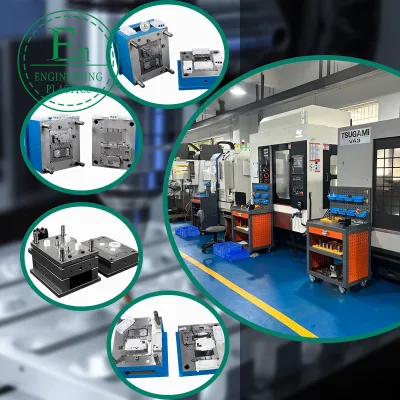


OEM Customized Injection Mould with High Efficiency Production and Long Durability
$1000.00 - $15000.00
MOQ: 1 Sets


Comprehensive Sourcing Guide
Automatic Demoulding Plastic Injection Mold Sourcing Guide
Sourcing automatic demoulding plastic injection molds requires a strategic balance between technical precision and commercial viability, particularly when targeting high-volume production environments. The core keyword, "Automatic Demoulding Plastic Injection Mold," refers to tooling designed to eject finished parts without manual intervention, a feature critical for maintaining cycle times and reducing labor costs in automated manufacturing lines. Buyers must recognize that this category encompasses a wide spectrum of applications, ranging from medical devices to household appliances, each demanding specific material compatibilities and structural integrity. The observed market data indicates a significant variance in product specifications, with models such as V-M001, V-M009, HX-3008, and HX-280 representing different tiers of complexity and application focus. Understanding these distinctions is the first step in defining a procurement strategy that aligns with your production volume and quality requirements.
The procurement landscape for these molds is characterized by a broad price range, observed between $0.03 and $26,800 USD, and a minimum order quantity (MOQ) spectrum extending from 1 to 100,000 units. This disparity suggests that the market includes both single-cavity prototype tools and multi-cavity production molds designed for mass manufacturing. Buyers should not equate lower price points with inferior quality but rather investigate the underlying specifications, such as the number of cavities, the type of runner system, and the durability of the mold steel. The presence of customization options and logo printing services indicates that many suppliers offer tailored solutions, allowing for brand integration and specific functional requirements. However, this flexibility requires rigorous verification of design software compatibility and shaping modes to ensure the final tool meets your engineering standards.
Product Scope and Observed Listing Signals
The product scope for automatic demoulding molds spans multiple industries, as evidenced by the diverse application tags associated with the listed models. For instance, models like HX-3008 and HX-3003 are explicitly linked to household appliances, electronics, and general commodities, indicating their suitability for consumer goods manufacturing. In contrast, the V-M001 model is categorized under medical use, highlighting the specialized nature of some molds in this category. This segmentation is crucial for buyers, as medical molds often require stricter sterilization protocols, such as ethylene oxide sterilization, and higher purity plastic materials like PP, ABS, Nylon, PC, or PET. Buyers must carefully match the mold’s intended application with their end-product requirements to avoid compatibility issues during production.
Observed listing signals reveal a strong emphasis on customization and advanced manufacturing processes. The availability of Pro-E and UG design software support suggests that suppliers are equipped to handle complex geometries and precise engineering drawings. Furthermore, the use of hot runner systems and multi-cavity configurations points towards efficiency and high output capabilities. The shaping modes, primarily injection molding and injection mould, are standard for producing consistent plastic parts, but the specific process combination types, such as single-process mode or compound die, offer varying levels of integration. Buyers should interpret these signals as indicators of the supplier’s technical capability, ensuring that the chosen mold can handle the specific material properties and production speeds required for their business.
Technical Specifications to Verify
When evaluating technical specifications, the choice of plastic material is paramount, as it directly influences the mold’s design and longevity. The observed materials include PP, ABS, Nylon, PC, and PET, each with distinct thermal and mechanical properties that affect cooling times and ejection forces. For example, molds designed for medical applications may require specific surface finishes, such as polishing, to ensure ease of cleaning and sterilization. Buyers must verify that the mold’s material selection aligns with the resin they intend to use, as mismatches can lead to premature wear, part defects, or production downtime. Additionally, the standard HASCO designation and custom standards based on drawings or samples indicate that buyers have the flexibility to specify exact tolerances and structural requirements.
The installation and operational modes of the mold are also critical technical factors to verify. The observed data distinguishes between fixed and mobile installation types, which impacts how the mold integrates into existing production lines. Fixed installations may offer greater stability for high-tonnage presses, while mobile options might provide flexibility for smaller or multi-purpose facilities. Furthermore, the mold cavity configuration, described as multi-cavity, suggests high-volume potential, but buyers must confirm the balance of the runner system to ensure uniform filling and cooling. The use of steel box packing for certain models indicates a focus on protection during transit, which is essential for maintaining the precision of the mold’s internal components. Buyers should request detailed technical drawings and material certificates to validate these specifications before committing to a purchase.
Compliance and Safety Documentation
Compliance and safety documentation are non-negotiable aspects of sourcing injection molds, particularly for regulated industries. The observed certifications, including ISO13485, ISO, TSCE, FDA, and TS16949, provide a framework for assessing the supplier’s quality management systems. ISO13485 is specifically relevant for medical device manufacturers, ensuring that the mold production process meets stringent regulatory requirements. Similarly, TS16949 is critical for automotive applications, indicating adherence to quality management standards specific to the automotive industry. Buyers must verify that the certifications are current and applicable to the specific mold model they are procuring, as certifications may not cover all product lines or manufacturing sites.
Safety and sterilization protocols are another key area of documentation. The mention of ethylene oxide sterilization for certain models highlights the importance of understanding how the mold and its resulting parts will be processed post-production. Buyers should ensure that the mold materials and surface finishes are compatible with the sterilization methods they plan to use, as some processes may degrade certain plastics or leave residues. Additionally, the quality guarantee period of two years offers a baseline for supplier accountability, but buyers should clarify the terms of this guarantee, including what constitutes wear and tear versus manufacturing defects. Clear documentation of these compliance and safety measures is essential for mitigating risk and ensuring regulatory adherence in the final product.
Cost Drivers and Commercial Terms
Cost drivers for automatic demoulding plastic injection molds are influenced by several factors, including the complexity of the design, the number of cavities, and the materials used. The observed price range of $0.03 to $26,800 USD reflects this variability, with higher prices typically associated with multi-cavity, high-precision molds for medical or automotive applications. Buyers should analyze the cost structure in relation to the expected production volume, as a higher initial investment in a multi-cavity mold may yield significant savings in per-unit costs over time. The customization options, such as logo printing and specific design software integration, may also add to the initial cost but can provide long-term brand and operational benefits.
Commercial terms, including MOQ and packing methods, play a significant role in the overall procurement strategy. The MOQ range of 1 to 100,000 units allows for flexibility, enabling buyers to start with smaller orders for testing or scale up to full production runs. Packing methods, such as carton, wooden, pallet, PP bag, or steel box, vary based on the mold’s size and value, with steel box packing offering superior protection for high-value tools. Buyers should negotiate terms that align with their cash flow and storage capabilities, considering the lead times and shipping requirements associated with each packing method. Clear communication of these commercial terms is essential to avoid unexpected costs and ensure a smooth transaction process.
Supplier Qualification and Quality Control
Supplier qualification is a critical step in ensuring the reliability and quality of the Automatic Demoulding Plastic Injection Mold. Buyers should assess the supplier’s technical capabilities, including their proficiency with design software like Pro-E and UG, and their experience with various shaping modes and process combinations. The observed use of hot runner systems and multi-cavity configurations indicates a level of technical sophistication, but buyers should verify the supplier’s track record in delivering molds that meet specific performance criteria. Quality control processes, such as surface finishing and polishing, should be clearly defined and documented to ensure consistency in the final product.
Quality assurance extends beyond the initial delivery, with the observed two-year quality guarantee period providing a safety net for buyers. However, buyers should establish clear protocols for post-delivery support, including maintenance, repair, and troubleshooting services. The customization options available, such as tailored standards and specific material selections, require close collaboration with the supplier to ensure that the final mold meets all requirements. Buyers should request references or case studies from previous clients, particularly those in similar industries, to validate the supplier’s ability to deliver high-quality molds on time and within budget. Effective communication and a strong partnership with the supplier are key to long-term success.
Long-Term Procurement Checks
Long-term procurement checks involve monitoring the performance of the Automatic Demoulding Plastic Injection Mold throughout its lifecycle. Buyers should establish key performance indicators (KPIs) such as cycle time, part quality, and maintenance frequency to assess the mold’s efficiency and reliability. Regular inspections and preventive maintenance are essential to extend the mold’s lifespan and prevent unexpected downtime. The observed customization and design software support suggest that suppliers may offer ongoing technical assistance, which buyers should leverage to optimize the mold’s performance over time.
Additionally, buyers should stay informed about industry trends and technological advancements that may impact their procurement strategy. The evolution of materials, such as new plastic compounds, and manufacturing processes, such as improved runner systems, may offer opportunities for cost savings or performance improvements. Buyers should maintain a flexible procurement strategy that allows for adaptation to these changes, ensuring that their mold investments remain competitive and relevant. Regular reviews of supplier performance and market conditions will help buyers make informed decisions and maintain a sustainable supply chain for their plastic injection molding needs.
FAQs
What certifications do the plastic injection molds hold?
The molds hold ISO13485, TSCE, ISO, and FDA certifications. These standards ensure compliance for medical and general industrial applications, providing verified quality assurance for buyers sourcing from China.
Can the molds be customized for specific designs?
Yes, customization is available with support for Pro-E and UG design software. Buyers can request custom specifications based on drawings or samples, allowing for tailored production of multi-cavity molds.
Which plastic materials are used for these injection molds?
The molds utilize PP, ABS, Nylon, PC, and Pet materials. Specific applications may use ABS for household appliances or medical-grade plastics, ensuring durability across automotive, electronic, and medical sectors.
How are the molds packed for shipment?
Packing options include carton, wooden, pallet, PP bag, or steel box configurations. The specific packing method depends on the product model and application, ensuring safe transport for various industrial needs.
What is the quality guarantee period for these molds?
The quality guarantee period is two years for the supplied products. This warranty covers the manufacturing integrity of the injection molding process, providing buyers with confidence in the long-term performance of the tooling.
Which shaping modes are employed in the manufacturing process?
The primary shaping modes are injection molding and injection mould processes. These methods often utilize hot runners and multi-cavity setups to achieve high efficiency and precise surface finishes through polishing.