Source Steel Concrete Drainage Channel for Driveways, Patios, and Garages
Find 30 Steel Concrete Drainage Channel options for driveways, patios, and garages. Compare specs like En1433 bearing classes, FRP+concrete materials, and galvanized covers to select the right sewer drainage solution for outdoor surface installation; compare the available evidence and request quotations based on your requirements.
Key considerations
Products List


Polymer Concrete Drainage Drain Sewer Stainless Steel Channel Grating Cover
$3.45 - $50.00
MOQ: 500 Pieces


Durable Factory Production Water Channel for Efficient Drainage Solutions
$600.00 - $1400.00
MOQ: 1 Pieces


Plastic Drainage Channel with Galvanized Steel Cover for Heavy-Duty Use
$3.00 - $6.00
MOQ: 1000 Pieces


Chemical Resistant Drain Channel for Industrial Polymer Drainage Systems
$17.00 - $80.00
MOQ: 10 Pieces


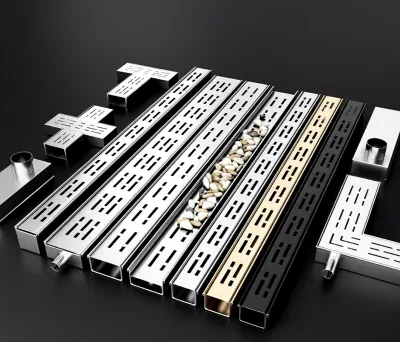


Outdoors Stainless Steel Grate Drains Profile Plastic Road Drainage Channel
$12.00 - $25.00
MOQ: 50 Meters


High Strength Polymer Concrete Drainage Ditches for Road and Municipal Construction
$750.00 - $1020.00
MOQ: 5 Tons


Comprehensive Sourcing Guide
Steel Concrete Drainage Channel Sourcing Guide
Procurement professionals must first distinguish between the core material composition and the specific functional design when sourcing steel concrete drainage channels. The available market data indicates a diverse range of materials, including FRP combined with concrete, as well as standalone plastic and galvanized grating options. Buyers should verify that the specific channel selected matches the structural load requirements of the intended site, as the observed listings include models designed for heavy-duty driveway burnings and others suited for lighter patio or footpath applications.
The observed product listings reveal significant variation in standardization and customization capabilities, ranging from fixed dimensions like 100x45 MB-PC-100 to fully customizable configurations. Sourcing teams need to confirm whether the supplier offers the specific model type, such as U-type or accessory components, that aligns with the project's hydraulic and structural needs. It is critical to validate that the "Steel Concrete" designation in the product title accurately reflects the composite materials used, rather than assuming a uniform composition across all listed items.
Product Scope and Observed Listing Signals
Buyers should analyze the observed product attributes to understand the breadth of the available drainage solutions, noting that listings include both indoor and outdoor variants with specific performance claims like rainwater flow drainage. The data shows a clear segmentation between floor drains, sink strainers, and heavy-duty sewer drainage channels, requiring precise filtering to isolate the correct product category for a specific infrastructure project. Understanding these distinctions prevents the accidental procurement of a residential sink strainer for a commercial driveway application.
The commercial signals in the listings, such as the wide price range from 3 to 1400 USD and MOQs spanning from 1 to 1000 units, suggest a market with both small-scale retail options and bulk industrial suppliers. Procurement teams must correlate these price points with the observed material specifications, such as galvanized grating covers or FRP+Concrete composites, to ensure the cost reflects the actual quality and durability of the channel. Ignoring these signals can lead to budget overruns or the selection of under-specification products that fail under operational stress.
Technical Specifications to Verify
Technical verification must begin with the load-bearing class, as the observed data explicitly references standards ranging from A15 to F900, which dictate the maximum weight the channel can support. Buyers need to confirm that the selected channel meets the specific bearing class required for the application, whether it is a pedestrian footpath requiring Class A15 or a heavy industrial driveway demanding Class F900. Relying on generic descriptions without verifying the specific load class can result in catastrophic structural failure under traffic loads.
Dimensional accuracy and material composition are equally critical, with observed specifications including lengths of 1-2 meters and standard sizes like 100x150x1000mm. Sourcing teams must cross-reference the listed model numbers, such as HS-3002 or YJU100, against the project blueprints to ensure the channel length and cross-section match the drainage layout. Additionally, the surface treatment, often observed as polished, should be verified for corrosion resistance, especially in outdoor environments where exposure to rain and road salts is constant.
Compliance and Safety Documentation
Compliance verification requires checking for adherence to recognized European standards, specifically the EN1433 Class A15 test standard observed in the product data. Buyers must request official test reports confirming that the channel and its cover have passed the required load and impact tests for the intended application class. Without this documentation, there is no guarantee that the product will perform safely under the dynamic loads of vehicles or heavy foot traffic, exposing the project to liability risks.
In addition to load standards, procurement teams should verify the presence of ISO certification and other quality management credentials to ensure consistent manufacturing processes. The observed listings mention ISO certification, which serves as a baseline indicator of a supplier's commitment to quality control, but this should be supplemented with specific product certifications for the materials used. Ensuring that the drainage channel meets local building codes and safety regulations is essential for project approval and long-term operational safety.
Cost Drivers and Commercial Terms
Cost drivers in this sector are heavily influenced by the material mix, with FRP+Concrete composites and galvanized steel grates commanding different price points than standard plastic or concrete-only channels. Buyers must analyze the unit price in the context of the observed range of 3 to 1400 USD to determine if the cost reflects the specific material grade and load-bearing capacity required. Understanding these drivers helps in negotiating better terms and avoiding the trap of selecting a low-cost option that lacks the necessary durability for the site conditions.
Commercial terms such as delivery time and packaging methods also significantly impact the total cost of ownership, with observed lead times ranging from 15 to 30 days and packaging options including pallets, cartons, or seaworthy packing. Procurement teams should factor in the logistics costs associated with different packaging types, such as the need for specialized handling for palletized goods versus bulk shipments. Clarifying these terms early in the negotiation process prevents unexpected delays and ensures that the supply chain aligns with the project timeline.
Supplier Qualification and Quality Control
Supplier qualification should prioritize manufacturers who demonstrate a clear capability for customization, as the observed data indicates that customization is available for many drainage channel models. Buyers must assess the supplier's ability to adapt standard products to specific project requirements, such as unique dimensions or cover types like brick slots or galvanized covers. A supplier's flexibility in customization is often a strong indicator of their technical expertise and ability to solve complex drainage challenges.
Quality control processes must be rigorously evaluated, with a focus on the supplier's adherence to the observed standards and their ability to provide consistent product performance. Buyers should request evidence of their quality assurance protocols, including how they handle surface treatments like polishing and ensure the integrity of the FRP+Concrete or steel components. Verifying the supplier's track record in delivering products that meet the EN1433 standard and other relevant specifications is essential for maintaining project quality.
Long-Term Procurement Checks
Long-term procurement success depends on establishing a reliable after-sales support framework, as the observed listings highlight the availability of online technical support for drainage channel issues. Buyers should negotiate clear service level agreements that define the scope of technical assistance, ensuring that the supplier can provide guidance on installation, maintenance, and troubleshooting throughout the product's lifecycle. This support is crucial for addressing any unforeseen issues that may arise during the operational phase of the drainage system.
Sustainability and maintenance requirements should also be factored into the long-term strategy, considering the observed materials like galvanized grating and plastic covers which have different maintenance profiles. Procurement teams must evaluate the expected lifespan of the channel and the availability of replacement parts, such as accessories or specific cover types, to ensure the system remains functional over time. Planning for these long-term needs helps in minimizing downtime and reducing the total cost of ownership for the drainage infrastructure.
FAQs
What materials are used for steel concrete drainage channels?
These channels are typically constructed using FRP and concrete composites to ensure durability and structural integrity. Some variants also utilize plastic components for specific applications. The combination of materials provides a robust solution for heavy-duty drainage needs in various outdoor environments.
Can steel concrete drainage channels be customized for specific projects?
Yes, customization is available for these drainage systems to meet unique project requirements. Buyers can specify dimensions, cover types, and other attributes to fit their exact needs. This flexibility ensures that the drainage solution integrates seamlessly into patios, driveways, and other designated areas.
Which certifications apply to these drainage channel products?
Products often carry ISO certification, indicating adherence to international quality management standards. Additionally, they may comply with En1433 standards, ensuring proper performance for surface drainage. These certifications provide assurance regarding the reliability and safety of the drainage channels for commercial and residential use.
How long is the delivery time for these drainage channels?
The standard delivery time ranges from 15 to 30 days after order confirmation. Some suppliers may offer expedited options with a 15-day delivery window. Buyers should confirm specific lead times with manufacturers to align with their project schedules and ensure timely installation of the drainage systems.
What is the minimum order quantity for these products?
The minimum order quantity typically ranges from 1 to 1000 units, depending on the supplier and product specifications. This flexible MOQ allows buyers to order small quantities for testing or larger volumes for extensive projects. It is advisable to check with specific vendors for their exact MOQ requirements.
Where are these drainage channels manufactured?
These products are primarily manufactured in China, with specific origins noted in Hebei. This region is known for its industrial capabilities in producing drainage solutions. Buyers can expect efficient logistics and competitive pricing due to the established manufacturing infrastructure in these areas, supporting global distribution needs.