Source Automatic Drip Irrigation Line for Farms, Gardens, and Greenhouses
Find and compare 30 Automatic Drip Irrigation Line options from Chinese manufacturers. Evaluate specifications like pipe diameter, flow rate, and line speed to select the right system for agricultural, garden, or greenhouse applications; compare the available evidence and request quotations based on your requirements.
Key considerations
Products List


Advanced Drip Irrigation Pipe Production Line for Efficient Watering
$100000.00 - $120000.00
MOQ: 1 Sets


Advanced Production Line Equipment for Efficient Drip Irrigation Systems
$120000.00 - $160000.00
MOQ: 1 Sets


Drip Pipe Machine Inlaid Cylindrical Emitter Drip Irrigation Pipe Production Line
$100000.00 - $120000.00
MOQ: 1 Sets


100m/Min Drip Irrigation Pipe Machine /Round Drip Irrigation Machine/Drip Line
$50000.00 - $150000.00
MOQ: 1 Pieces


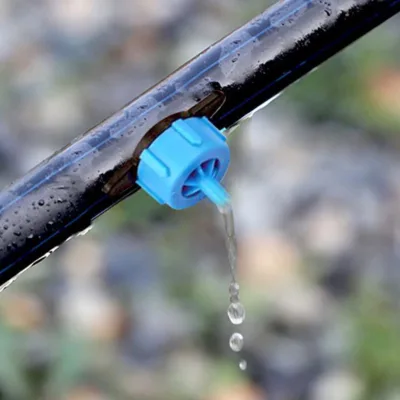
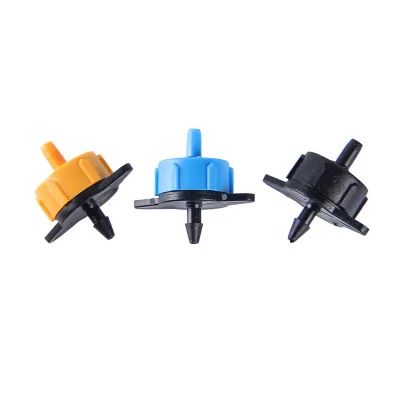


PVC Pipe Line Drip Line as The Farm Irrigation Pipe for Drip Irrigation Systems
$0.07 - $0.13
MOQ: 1000 Meters


Hwyaa High-Speed Drip Irrigation Production Line with Flat Dripper
$105000.00 - $110000.00
MOQ: 1 Sets


Agricultural Irrigation System/Sprinkle Irrigation Machine/Drip Irrigation
$4000.00 - $79000.00
MOQ: 1 Pieces


Comprehensive Sourcing Guide
Automatic Drip Irrigation Line Sourcing Guide
Procuring an Automatic Drip Irrigation Line requires a clear understanding of the manufacturing capabilities and specific output requirements of the supplier. The market offers a variety of configurations, ranging from single-screw to multi-screw extrusion systems, which directly influence the final product's consistency and production speed. Buyers must evaluate whether the machinery supports the desired pipe diameters, such as 12mm, 16mm, or 20mm, and whether it can handle the specific thickness ranges required for their agricultural or greenhouse applications.
The automation level is a critical factor in determining operational efficiency and labor costs. Modern lines often feature computerized controls and automatic coiling systems, which reduce manual intervention and minimize the risk of human error during high-speed production. Understanding the line speed options, which can range from 35m/Min to over 400m/Min, allows buyers to align production capacity with their project timelines. This alignment ensures that the investment in machinery translates directly into scalable output without compromising the integrity of the drip pipes or drippers.
Product Scope and Observed Listing Signals
The observed product listings indicate a diverse range of automatic drip irrigation lines, with prices varying significantly from low-cost components to high-value industrial machinery. This wide price spectrum reflects differences in automation levels, material quality, and production capacity. Buyers should note that some listings highlight specific models like the NoaPa or Sinoah series, which may offer distinct features such as multi-screw extrusion or specialized computerized control systems. These variations suggest that the market is segmented by both technical sophistication and end-use application.
Observed minimum order quantities (MOQs) also vary widely, ranging from single units to tens of thousands, indicating flexibility for both small-scale trials and large-scale industrial deployments. The presence of customization options suggests that suppliers are willing to tailor line specifications to meet unique buyer requirements, such as specific pipe diameters or dripper spacing. However, buyers must carefully verify these claims against actual supplier capabilities, as the listed attributes may not apply to every product in the catalog. Understanding these signals helps in narrowing down the search to suppliers who can meet specific technical and commercial needs.
Technical Specifications to Verify
Verifying the technical specifications of the Automatic Drip Irrigation Line is essential to ensure it meets the production requirements. Key parameters include the pipe diameter, which can range from 6mm to 20mm, and the wall thickness, typically between 0.5mm and 1.2mm. Buyers should confirm that the line can produce the exact dimensions required for their drip pipes, as deviations can affect water flow rates and system performance. Additionally, the type of dripper, whether PC or non-PC, and the dripper distance, which can vary from 10cm to 200cm, must be compatible with the extrusion and assembly capabilities of the line.
The line speed options are another critical specification, with some systems offering speeds of 35m/Min, 60m/Min, or 100m/Min, while others may reach up to 400m/Min. Buyers must assess whether the selected speed aligns with their production volume goals and quality control processes. Furthermore, the engagement system, such as full intermeshing, and the coiler system, whether semi-automatic or automatic, impact the efficiency and final product quality. Ensuring these specifications are clearly defined and verified prevents costly mismatches between the machinery and the desired output.
Compliance and Safety Documentation
Compliance with international standards is crucial for the safe and effective operation of automatic drip irrigation lines. Buyers should verify that the machinery holds relevant certifications, such as CE and ISO9001, which indicate adherence to quality management and safety standards. These certifications provide assurance that the equipment has been tested and meets specific regulatory requirements, reducing the risk of operational failures or safety hazards. Additionally, compliance with standards like GMP and QS may be relevant for certain applications, particularly those involving food-grade materials or strict hygiene requirements.
Safety documentation should include detailed operating manuals, maintenance guidelines, and emergency procedures. Buyers must ensure that the supplier provides comprehensive documentation that covers all aspects of the machinery's operation, including electrical safety, mechanical safeguards, and software controls. This documentation is essential for training operators and maintaining the equipment over its lifespan. Verifying the availability and quality of these documents helps in establishing a robust safety culture and ensuring that the machinery operates within its designed parameters.
Cost Drivers and Commercial Terms
The cost of an Automatic Drip Irrigation Line is influenced by several factors, including the level of automation, production speed, and customization options. High-speed lines with advanced computerized controls and multi-screw extrusion systems typically command higher prices due to their increased efficiency and versatility. Buyers should also consider the cost of additional components, such as specialized dies, coiling systems, and control software, which can significantly impact the total investment. Understanding these cost drivers helps in making informed decisions about the features and capabilities required for their specific needs.
Commercial terms, such as payment conditions, shipping methods, and after-sales support, also play a crucial role in the overall cost. Buyers should negotiate clear terms regarding delivery times, warranty periods, and technical support availability. The shipping method, often by container, and the packaging, typically standard export packaging, should be agreed upon to avoid unexpected logistics costs. Additionally, buyers should inquire about the availability of spare parts and the supplier's response time for technical issues, as these factors can affect long-term operational costs and productivity.
Supplier Qualification and Quality Control
Qualifying suppliers for automatic drip irrigation lines requires a thorough assessment of their manufacturing capabilities and quality control processes. Buyers should verify the supplier's production facilities, including the size of their workshops, the number of employees, and the age of their machinery. This information provides insight into the supplier's capacity to handle large orders and maintain consistent quality. Additionally, buyers should request references or case studies from previous clients to gauge the supplier's reliability and the performance of their equipment in real-world applications.
Quality control measures should be clearly defined and documented by the supplier. Buyers should inquire about the testing procedures used to ensure the machinery meets specified performance standards, including stress tests, durability checks, and software validation. The supplier should also provide a quality assurance plan that outlines how defects are identified and corrected during production. Verifying these quality control practices helps in minimizing the risk of receiving substandard equipment and ensures that the machinery operates reliably over its intended lifespan.
Long-Term Procurement Checks
Long-term procurement success depends on establishing a sustainable relationship with the supplier and ensuring ongoing support for the Automatic Drip Irrigation Line. Buyers should negotiate service level agreements that cover maintenance, repairs, and technical support, ensuring that any issues are resolved promptly to minimize downtime. Regular performance reviews and feedback sessions can help identify areas for improvement and strengthen the partnership. Additionally, buyers should stay informed about technological advancements in the industry to ensure that their equipment remains competitive and efficient.
Supply chain resilience is another critical aspect of long-term procurement. Buyers should assess the supplier's ability to source raw materials and components consistently, especially in times of market volatility. Diversifying the supplier base or establishing backup agreements can mitigate the risk of supply disruptions. Furthermore, buyers should monitor the supplier's financial stability and reputation to ensure they remain a reliable partner. By focusing on these long-term checks, buyers can secure a stable supply of high-quality automatic drip irrigation lines and support their operational goals.
FAQs
What certifications do automatic drip irrigation lines have?
These lines typically hold CE, ISO9001, GMP, and QS certifications. Such standards ensure the manufacturing process meets international quality and safety requirements for plastic pipes used in agricultural water supply systems.
Can I get customized automatic drip irrigation lines?
Yes, customization is available for these automatic drip irrigation lines. Buyers can specify dimensions like 16mm or 20mm pipe diameters and select from various dripper types to match their specific greenhouse or farm irrigation needs.
What is the production speed for these lines?
Production speeds vary by model, ranging from 35 to 400 meters per minute. Specific options include 40, 60, or 100 meters per minute depending on the machine configuration and the required output capacity for your project.
Which pipe diameters are available for these lines?
Available pipe diameters include 6mm, 8mm, 12mm, 16mm, and 20mm. These sizes support different flow rates and are suitable for various applications ranging from small garden watering to large-scale agricultural farmland irrigation systems.
How is the product packed for shipment?
Products are packed using standard export packaging to ensure safe transport. The shipment method typically involves containers, and the origin locations include Tianjin and Weifang in China, ensuring reliable logistics for international buyers.
What is the working pressure range for these lines?
The working pressure ranges from 1 to 1.5 bar, with pressure compensation available between 0.7 and 3.5 bar. This ensures consistent water flow for drippers regardless of pressure fluctuations in the main supply line.