Source Automatic Drilling Tapping Machine for Fasteners, Nuts, Bolts
Find 30 listings for the Automatic Drilling Tapping Machine designed for fastener processing. Buyers can compare specifications like voltage, power, and warranty periods from manufacturers in Hebei, China.
Key considerations
Products List


$5549.99 - $8029.19
MOQ: 1 set


High-Precision Automatic Loading and Unloading Drilling and Tapping Machine
$4000.00 - $6000.00
MOQ: 1 Sets


Automatic Well Customized Automatic Drilling Tapping Combination Machine
$4000.00 - $50000.00
MOQ: 1 Sets
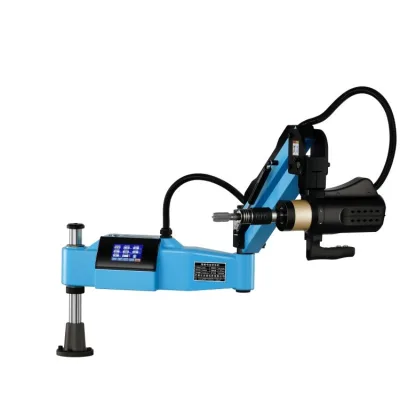

Automatic Tapping Machine with Flexible Arm CNC Drilling Tapping Machine
$320.00 - $410.00
MOQ: 1 Pieces

Popular Tapping Machine Efficient Drilling Tapping Machine with 220V Motor
$450.00 - $750.00
MOQ: 1 Pieces


Automatic Tapping Machine with Flexible Arm CNC Drilling Tapping Machine
$400.00 - $450.00
MOQ: 1 Pieces


Easy Operation Drilling Tapping Machine / Automatic Nut Tapping Machine
$4374.00 - $5774.00
MOQ: 1 set


Comprehensive Sourcing Guide
Strategic Sourcing Guide for Automatic Drilling Tapping Machines
The global manufacturing landscape demands high-precision, automated solutions to maintain competitiveness in fast-paced production environments. For procurement professionals specializing in metalworking and fastener processing, the Automatic Drilling Tapping Machine represents a critical asset. These machines integrate multiple operations into a single workflow, significantly reducing cycle times and minimizing human error. This guide provides a disciplined, evidence-based approach to sourcing these machines, focusing on verified technical attributes, compliance frameworks, and supplier evaluation criteria derived from current market data.
Technical Specifications and Operational Capabilities
When evaluating an Automatic Drilling Tapping Machine, buyers must first scrutinize the core technical specifications to ensure alignment with production requirements. The power source for these units is consistently electric, operating within a voltage range of 380V-440V±10% at 50-60Hz on a 3-phase system. This standard electrical requirement is crucial for facilities in regions with specific grid standards, necessitating a pre-purchase audit of the factory's power infrastructure. The power consumption typically falls between 1-5HP, indicating a range of models suitable for both light-duty and heavy-duty applications.
The machine's operational logic relies heavily on core components such as PLCs, engines, bearings, gearboxes, and motors. The inclusion of a PLC (Programmable Logic Controller) is a defining feature of automation, allowing for precise control over drilling depth, tapping speed, and tool changes. Buyers should verify the specific brand and model of these core components, as their quality directly influences the machine's longevity and precision. The machine type is generally categorized under fasteners processing, with specific models designed for nut tapping operations.
Performance metrics vary across different models but often highlight key selling points such as faster operation, increased stability, and higher precision. Some units advertise a maximum speed of 800kg/Min, though this figure should be treated as a specific observation for certain high-capacity models rather than a universal standard. The forging forming method associated with these machines can vary, with observations of both mold forging and free forging methods in the market. This distinction is vital for buyers targeting specific production lines that require a particular forming technique.
Compliance, Certification, and Regulatory Standards
Navigating the regulatory landscape is a non-negotiable aspect of B2B procurement. The most frequently observed certifications for these machines include CE and ISO standards. Specifically, the CE marking indicates conformity with health, safety, and environmental protection standards for products sold within the European Economic Area. Additionally, ISO9001 certification is often cited, suggesting that the manufacturer adheres to international quality management systems. However, buyers must treat these certifications as observations of specific listings rather than guarantees for every unit.
Verification of certification status requires direct communication with the supplier. Buyers should request valid certificates that are current and issued by recognized bodies. The condition of the machines is typically listed as "New," which implies they are not refurbished or used units. This is a critical distinction for warranty validity and insurance purposes. Furthermore, the marketing classification of these units as "Hot Product 2022" suggests a period of high demand, but buyers should remain cautious of marketing hype and focus on the tangible technical data provided.
Cost Drivers and Pricing Structures
The pricing for automatic drilling tapping machines exhibits a wide range, observed between $310 and $100,000 USD. This broad spectrum reflects the diversity in machine complexity, automation levels, and component quality. Several factors drive these costs. First, the level of customization plays a significant role; machines that are "Customized" to fit specific production lines or unique fastener geometries will command a higher price than standard off-the-shelf models. Second, the origin of the technology influences cost, with some units leveraging "Taiwan Technology" which may carry a premium over generic manufacturing.
The "Factory Direct Supply Price" is a common claim, suggesting that buyers can bypass intermediaries to secure better rates. However, the final cost is also influenced by packaging requirements. While some units come with "Anti-Rust Plastic Films" and no wood packaging to reduce shipping weight and cost, others require "Wooden Case or as Required" packaging, which adds to the overall logistics expense. Buyers should also consider the "High Quality Low Price" marketing angle, ensuring that the low cost does not compromise the integrity of core components like the PLC or motor.
Typical Applications and Production Fit
Automatic drilling tapping machines are primarily designed for fastener processing, making them indispensable in industries such as automotive, aerospace, construction, and general manufacturing. The specific application often dictates the required machine type. For instance, the "Nut Tapping Machine" is a specialized variant designed for processing nuts, while other models may handle bolts or screws. The ability to operate with a "Forging Forming Method" of either mold or free forging allows these machines to adapt to various raw material inputs.
The feature set of "Automation" and "High Efficiency" makes these machines ideal for high-volume production runs. The "Key Selling Points" of being faster, more stable, and higher precision directly address the needs of manufacturers looking to reduce lead times and improve product quality. The "Use Widely" attribute suggests versatility, but buyers must verify if the machine's specific model number, such as "11B" or "14B M6-M10," matches their specific fastener size requirements. The standard dimensions of 110013001400mm provide a baseline for space planning, though custom dimensions may be available.
Supplier Evaluation and Operational Support
Selecting the right supplier is as critical as selecting the right machine. The market data indicates that suppliers are often manufacturers themselves, offering "Factory Direct Supply." This relationship can provide benefits in terms of pricing and technical support. A key differentiator is the supplier's commitment to after-sales service. Many suppliers promise to "Provide Solutions Within 24 Hours," which is a crucial metric for minimizing downtime in a continuous production environment.
Training is another essential component of supplier evaluation. The availability of "Operation Training both at Seller and Buyer Work" indicates a comprehensive support system where the supplier assists in setting up the machine and training the buyer's staff. This dual-location training approach ensures that the machine is installed correctly and operated efficiently. Additionally, the "Samples Service" being offered as "Free Samples" allows buyers to test the machine's output quality before committing to a full purchase, reducing the risk of mismatched expectations.
Quality Control and Inspection Protocols
Maintaining product quality requires rigorous inspection protocols. The "Video Outgoing-Inspection" provided by suppliers is a valuable tool for remote verification. This feature allows buyers to visually inspect the machine before shipment, ensuring that the physical condition matches the "New" status claim. The "Confirmation" of CE and ISO9001 standards should be cross-referenced with the video inspection to ensure consistency.
The "Warranty" period is a strong indicator of the manufacturer's confidence in their product. While some listings mention a "12 Months" warranty, others offer a "3 Years" warranty period. This discrepancy highlights the need for buyers to clearly define the warranty terms in the contract. The "1year" warranty mentioned in some contexts further underscores the importance of verifying the specific warranty duration for the model being purchased. Buyers should also inquire about the "After Sales" support structure, ensuring that the "Provide Solutions Within 24 Hours" promise is backed by a dedicated technical team.
Long-Term Procurement and Maintenance Considerations
Long-term procurement success depends on understanding the maintenance requirements and lifecycle of the machine. The "Advantage" of "Easy to Maintenance" is a significant factor for reducing total cost of ownership. Buyers should request a detailed maintenance schedule and parts availability list. The "Core Components" such as bearings and gearboxes are prone to wear and tear, and the availability of replacement parts is essential for long-term operation.
The "Place of Origin" being Hebei, China, is a common attribute for these machines. While this location offers competitive manufacturing costs, buyers should consider the logistics of shipping and potential import duties. The "Delivery Time" varies, with options for "in Stock" or "30-50 Working Days." This flexibility allows buyers to plan their production schedules accordingly. Finally, the "Tecnical Merit" of "Taiwan Technology" suggests a specific engineering lineage that may offer superior reliability, but this should be verified against the actual machine specifications and performance data.
Comparative Analysis of Machine Attributes
To facilitate decision-making, the following table summarizes key attributes observed in the market for automatic drilling tapping machines. This comparison helps buyers quickly identify models that align with their specific needs.
| Attribute | Observation 1 | Observation 2 | Observation 3 |
|---|---|---|---|
| Model Number | 11B | ronen | 14B M6-M10 |
| Certification | CE, ISO | CE | CE, ISO9001 |
| Warranty Period | 12 Months | 1 Year | 3 Years |
| Power Source | Electric | Electric | Electric |
| Voltage | 380V-440V | 380V-440V | 380V-440V |
| Forging Method | Mold Forging | Free Forging | Mold Forging |
| Packaging | Anti-Rust Film | Wooden Case | Container/Wooden Box |
| Origin | Hebei, China | Hebei | Hebei, China |
| After Sales | 24 Hours | 24 Hours | 24 Hours |
This table illustrates the variability in specifications. For example, while the voltage and power source remain consistent, the warranty period ranges from one to three years. The forging method also varies, indicating that buyers must select a machine based on their specific production process. The packaging options range from minimal plastic film to heavy wooden cases, impacting shipping costs and environmental considerations.
Conclusion
Sourcing an Automatic Drilling Tapping Machine requires a meticulous approach that balances technical specifications, compliance requirements, and supplier reliability. By focusing on verified facts such as voltage ranges, core components, and warranty terms, buyers can make informed decisions that align with their production goals. The wide range of prices and models available in the market offers flexibility, but it also demands careful evaluation to avoid pitfalls. Ultimately, the success of the procurement lies in thorough due diligence, clear communication with suppliers, and a commitment to long-term quality and support.
FAQs
What certifications do automatic drilling tapping machines typically have?
Most units carry CE and ISO9001 certifications to ensure compliance with safety and quality standards. Buyers should verify these documents directly with the supplier as they apply to specific listings rather than every unit universally.
How long is the warranty period for these machines?
Warranty periods vary significantly, ranging from 12 months to 3 years depending on the specific model and supplier. Buyers must confirm the exact duration in the contract before purchasing to ensure adequate protection.
Can I get free samples before placing a large order?
Yes, many suppliers offer free samples to allow buyers to test output quality before committing to a full purchase. This service helps reduce the risk of mismatched expectations regarding fastener processing capabilities.
What is the delivery time for automatic drilling tapping machines?
Delivery times are flexible, with options available for in-stock items or a lead time of 30 to 50 working days. This schedule allows buyers to plan production runs based on their immediate inventory needs.
Which core components drive the automation of these machines?
Automation relies on core components including PLCs, engines, bearings, gearboxes, and motors for precise control. The quality of these parts directly influences the machine's longevity, stability, and overall precision during operation.
How does the supplier support after-sales maintenance issues?
Suppliers typically promise to provide solutions within 24 hours to minimize production downtime. This support often includes operation training at both the seller and buyer locations to ensure proper installation and usage.