Source Automatic High Efficiency Juice Extractor for Fruits Vegetables
Find 30 models of Automatic High Efficiency Juice Extractor units designed for processing fruits, vegetables, and agricultural products. Buyers can compare specifications like voltage, material, and juice yield to select the right equipment for beverage or dairy applications.
Key considerations
Products List


High Efficiency Belt Fruit Juice Extractor Fruit Belt Extraction Juicer
$150000.00 - $200000.00
MOQ: 1 Sets

High-Efficiency Juice Extractor Machine Perfect for Retaining Nutrients
$1660.00 - $2990.00
MOQ: 1 Pieces


High Quality Berry Juice Extractor/Professional Juice Extractor/Fruit Press Juicer
$1000.00 - $1500.00
MOQ: 1 Pieces


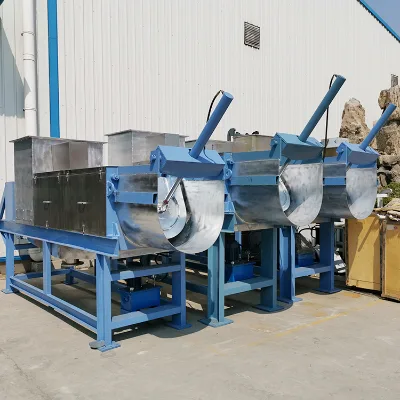


High-Performance Adjustable Speed Juice Separator for Efficient Extraction
$18000.00 - $25000.00
MOQ: 1 Pieces


Versatile Juice Extractor with Adjustable Speed for Healthier Drinks
$18000.00 - $25000.00
MOQ: 1 Pieces


Vegetables Orange Juice Onion Fresh Fruits, Vegetables, Herbs Juice Extractor
$1560.00 - $2400.00
MOQ: 1 Sets

Vegetables Orange Juice Onion Grape Juice Watermelon Blueberry Juice Extractor
$1560.00 - $2400.00
MOQ: 1 Sets

Comprehensive Sourcing Guide
Strategic Sourcing Guide for Automatic High Efficiency Juice Extractors
Procuring industrial-grade automatic high efficiency juice extractors requires a rigorous approach that balances technical performance with supply chain reliability. The market offers a diverse array of machinery designed for processing fruits and vegetables, ranging from small-scale units to large-capacity pulping systems. Buyers must navigate a landscape where specifications vary significantly between models, and where the distinction between "customized" and "non-customized" configurations impacts both cost and lead time. This guide provides a structured framework for evaluating potential suppliers and selecting equipment that aligns with specific production needs, ensuring that procurement decisions are grounded in verifiable data rather than marketing assertions.
Technical Specifications and Performance Parameters
The core of any sourcing decision lies in the technical specifications of the machinery. When evaluating an Automatic High Efficiency Juice Extractor, buyers must first verify the power requirements and voltage compatibility. Available data indicates that units operate on voltages such as 220V and 380V, with power ratings like 1.5KW being common for specific models. It is critical to match these electrical requirements with the facility's infrastructure to avoid costly retrofitting. Furthermore, the operational speed is a key indicator of efficiency; observed rotation speeds can reach 380rpm/Min, which directly influences the throughput and juice yield.
Capacity and output quality are equally vital. Some models are designed for high-volume operations with standards citing 100 tons per day, while others focus on specific dimensions and throughput. The juice yield is a primary performance metric, with certain units claiming a yield of greater than or equal to 85%. Buyers should also examine the physical dimensions of the equipment, as these determine floor space requirements. Observed dimensions range from compact units measuring 490x290x460mm to larger industrial systems reaching 660x700x1720mm. The feeding chute size, observed at 22x15cm for specific models, dictates the size of raw materials that can be processed without pre-cutting, impacting labor efficiency. Additionally, noise levels are a factor in workplace safety and comfort, with some units operating at or below 60dB.
Material Construction and Durability Standards
The longevity and food safety compliance of a juice extractor are heavily dependent on the materials used in its construction. The industry standard for food-grade machinery is stainless steel, specifically grades such as SUS304 and SUS316. These materials offer resistance to corrosion and are essential for maintaining hygiene standards during the processing of natural ingredients, agronomic products, and garden products. The choice between SUS304 and SUS316 often depends on the acidity of the fruits being processed and the specific regulatory environment of the buyer's location.
Beyond the main body, the internal components, such as rollers and cutting mechanisms, must also be constructed from high-grade materials. For instance, specific models feature a number of rollers with a diameter of 200mm, designed to handle a variety of processing materials including animal raw materials and special agricultural products. The surface finish and weld quality of the stainless steel are often indicators of overall build quality. Buyers should verify that all contact surfaces are polished to a food-safe standard to prevent bacterial growth and ensure easy cleaning. The "Automatic Grade" of the machine, whether fully automatic or semi-automatic, also influences the complexity of the material handling systems and the robustness required for continuous operation.
Compliance, Certification, and Safety Standards
Navigating the regulatory landscape is a critical step in the procurement process. Different regions have varying requirements for industrial food machinery, and compliance is often demonstrated through specific certifications. Observed certification marks include ISOSAUL, CSA, MET, and CE, which indicate adherence to safety and quality standards. It is important to note that while CE is a common background certification, buyers must verify the specific scope of these certifications for the exact model they intend to purchase. Some models may carry certifications like ISOSAMET, while others might have different compliance profiles.
Buyers should request valid certification documents directly from the supplier to ensure they are not relying on expired or generic claims. The standard for the machinery often relates to its intended application, such as "pulping and extracting for vegetables and fruits." Additionally, the origin of the product, whether from Shanghai, Guangzhou, or other locations in China, can influence the applicable export standards and the ease of obtaining necessary documentation for international shipping. Ensuring that the equipment meets local electrical safety codes and food safety regulations is non-negotiable to avoid legal liabilities and operational shutdowns.
Cost Drivers and Pricing Structures
Understanding the cost drivers for automatic high efficiency juice extractors is essential for budgeting and negotiation. The price range in the market is broad, observed between 199 and 200,000 USD, reflecting the vast difference between small-scale units and large industrial lines. Several factors contribute to this variance, including the material grade (SUS316 is typically more expensive than SUS304), the level of automation, and the production capacity. Models with higher juice yields and faster rotation speeds often command a premium price.
The Minimum Order Quantity (MOQ) is another significant cost factor. Observed MOQs range from 1 to 10 units, allowing flexibility for both pilot projects and large-scale deployments. Buyers should also consider the packaging requirements, which can add to the overall cost. Options include standard ocean packing, export cartons, wooden cases, or wooden crates. Wooden packaging is often required for heavy machinery to prevent damage during long-distance shipping, but it adds to the weight and freight costs. Customization is available for some models, which can increase the unit price but may reduce long-term operational costs by optimizing the machine for specific raw materials.
Supplier Evaluation and Operational Compatibility
Selecting the right supplier involves more than just comparing prices; it requires a deep dive into their operational capabilities and product history. The "Customized" attribute is a key differentiator. While some products are listed as "Customized," others are "Non-Customized," meaning they are off-the-shelf solutions. Buyers must determine if their specific processing needs require a tailored solution or if a standard model like the CXP-EXTRACTOR or ATZZ-500 will suffice. The version of the machine, whether automatic or otherwise, must align with the buyer's labor strategy and production flow.
Supplier reliability is also measured by their origin and logistics capabilities. Products originating from major manufacturing hubs like Shanghai and Guangzhou often benefit from established supply chains and experienced logistics partners. However, buyers should verify the specific lead times and shipping methods, as these are not always explicitly stated in general product descriptions. The condition of the equipment, typically listed as "New," should be confirmed to ensure no refurbished units are being sold as new. Furthermore, the compatibility of the machine with the buyer's existing production line, including power supply and space constraints, must be validated before finalizing a purchase.
Quality Control and Long-Term Procurement Considerations
Implementing a robust quality control (QC) protocol is essential to mitigate risks associated with industrial machinery procurement. Buyers should establish clear acceptance criteria based on the observed specifications, such as the discharge port size of 240mm or the feeding port size of 220mm. These dimensions must be verified upon delivery to ensure the machine matches the order specifications. Testing the noise level, juice yield, and rotation speed under load is a recommended practice to confirm performance claims.
Long-term procurement considerations extend beyond the initial purchase price. The availability of spare parts, the ease of maintenance, and the supplier's after-sales support are critical factors. The "Standard Packing Ocean" or "Wooden Case" packaging suggests that the machine is designed for international transport, but buyers should inquire about the durability of the packaging for future shipping needs. Additionally, the application scope of the machine, which can include beverage, dairy, fruit, vegetable, ice cream, chocolate, and pet food production, should be evaluated to ensure the equipment remains versatile as the buyer's product line evolves. A comprehensive maintenance plan, including regular inspections of the rollers and electrical components, will ensure the longevity and consistent performance of the Automatic High Efficiency Juice Extractor.
Comparative Analysis of Key Models
To facilitate decision-making, buyers can compare key models based on the available data. The following table summarizes the distinct characteristics of several observed models, highlighting their unique specifications and applications.
| Model Number | Voltage | Power | Material | Dimensions (mm) | Key Feature | Origin |
|---|---|---|---|---|---|---|
| CXP-EXTRACTOR | 380V | - | SUS304/SUS316 | - | Pulping/Extracting | Shanghai |
| ATZZ-500 | 220V | 1.5KW | 304 Stainless Steel | 910320835 | Automatic Version | China |
| 0300500535 | - | - | - | 490x290x460 | Compact Size | Guangzhou |
| 0300500536 | - | - | - | 660x700x1720 | High Capacity | - |
| CSJ-05 | - | - | - | 780320860 | Wooden Crate | - |
| QT-1 | - | - | - | - | 3 Rollers | - |
| QT-0.5 | - | - | - | - | 200mm Roller Dia | - |
This comparison illustrates the diversity in the market. The CXP-EXTRACTOR stands out for its dual-material option and specific application in pulping, while the ATZZ-500 offers a compact, automatic solution with a specific power rating. The QT series models highlight the importance of roller configuration and size in determining processing capability. Buyers should use this data as a starting point for deeper technical discussions with suppliers, ensuring that the selected model meets their specific operational requirements.
In conclusion, sourcing an Automatic High Efficiency Juice Extractor requires a meticulous approach that integrates technical verification, material assessment, and supplier evaluation. By focusing on the specific attributes observed in the market, such as voltage, material grade, and certification status, buyers can make informed decisions that ensure operational efficiency and compliance. The broad range of options available, from 199 to 200,000 USD, allows for tailored solutions that fit various budget constraints and production scales. Ultimately, the success of the procurement lies in the ability to match the machine's capabilities with the buyer's specific needs, ensuring a seamless integration into the production workflow.
FAQs
What voltage options are available for automatic high efficiency juice extractors?
Units operate on 220V or 380V depending on the specific model. Buyers must verify their facility's electrical infrastructure to ensure compatibility before purchasing, as mismatched voltages can prevent operation.
Which materials are used to construct the main body of these machines?
The primary construction material is stainless steel, specifically grades SUS304 or SUS316. These materials ensure corrosion resistance and meet food safety standards for processing natural ingredients and agricultural products.
Can buyers find models with a juice yield of at least 85 percent?
Yes, certain models are designed to achieve a juice yield of greater than or equal to 85 percent. This performance metric is a key indicator of efficiency for processing fruits and vegetables in industrial settings.
What certifications are commonly listed for these industrial juice extractors?
Common certifications include ISOSAUL, CSA, MET, and CE for safety and quality compliance. Buyers should request valid documentation for specific models to ensure adherence to regional regulatory requirements.
How does the customization option affect the ordering process?
Customization is available for some models but not all, as some are listed as non-customized. This distinction impacts the unit price and lead time, requiring buyers to confirm their specific needs before ordering.
What is the typical rotation speed for these automatic extraction units?
Observed rotation speeds can reach 380rpm per minute for specific models. This speed directly influences the throughput and overall efficiency of the juice extraction process for various raw materials.
Which packaging types are used for shipping these industrial machines?
Packaging options include standard ocean packing, export cartons, wooden cases, and wooden crates. The choice often depends on the machine size and the requirements for long-distance international shipping protection.