Source Automatic High-Performance Hydraulic Torque Wrench for Metallurgy, Construction, and Petroleum
Find 30 listings for the automatic high-performance hydraulic torque wrench designed for metallurgy, construction, and petroleum applications. Compare specifications including torque ranges, screw nut sizes, and certifications to select the right tool for bolt tightening tasks.
Key considerations
Products List

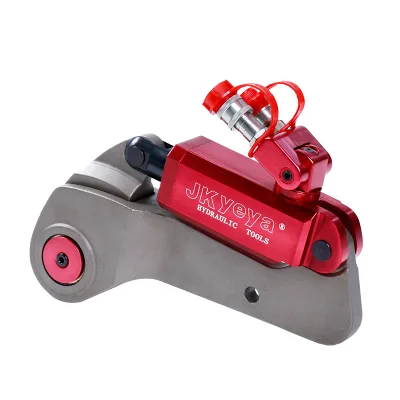
High Performance Split Type Low Profiles Hydraulic Torque Wrench Tool
$1500.00 - $8000.00
MOQ: 1 Pieces


Hydraulic Tools High Precision Square Drive Hydraulic Torque Wrench
$2200.00 - $11400.00
MOQ: 1 Pieces


Square Drive Hydraulic Torque Wrench Power Tools Tensioner Hydraulic Tools High Precision
$1200.00 - $2000.00
MOQ: 1 Pieces


Factory Price High Quality Square Drive Automatic Hydraulic Torque Wrench
$1500.00 - $7210.00
MOQ: 1 Pieces



Comprehensive Sourcing Guide
Strategic Sourcing Guide for Automatic High-Performance Hydraulic Torque Wrenches
Understanding Technical Specifications and Performance Ranges
When sourcing automatic high-performance hydraulic torque wrenches, buyers must first establish a clear understanding of the technical parameters that define the tool's capability. The market presents a diverse array of models, each engineered for specific torque requirements and bolt sizes. Based on current product observations, the maximum torque capabilities for these tools span a significant range, with some models rated between 1,882 Nm and 70,660 Nm, while others extend up to 1,405,850 Nm. This variance indicates that a single procurement strategy cannot cover all needs; instead, buyers must align the specific application's torque demands with the tool's rated capacity.
The minimum torque ratings also vary, typically starting from 188 Nm and extending to 5,095 Nm or higher depending on the model series. Crucially, the screw nut size compatibility is a primary selection criterion. Available configurations support square drives ranging from 3/4" to 2-1/2", and screw nut dimensions span from 16 mm up to 200 mm. For instance, specific model series like the HKB are noted to accommodate screw nuts between 27 mm and 200 mm, whereas other series may focus on the 16 mm to 90 mm range. The weight of these units is equally variable, ranging from lightweight 1.7 kg units to heavy-duty models weighing up to 63.2 kg, reflecting the trade-off between portability and high-torque output.
Pressure ratings are another critical technical specification. High-performance units often operate at maximum pressures of 70 MPa, ensuring sufficient power delivery for tightening or loosening bolts, particularly those above M20 in size. Torque accuracy is a vital metric for quality assurance, with observed specifications indicating a precision of ±3%. This level of accuracy is essential for applications where bolt preload is critical to structural integrity. Furthermore, the automatic grade of the machinery varies, with options available in both fully automatic and semi-automatic configurations, influencing the level of operator intervention required during the tightening cycle.
Compliance, Certification, and Safety Standards
In the industrial sector, compliance with international safety and quality standards is non-negotiable. When evaluating potential suppliers for hydraulic torque wrenches, buyers should verify the presence of recognized certifications. Current market data indicates that many products carry CE and ISO certifications, which are fundamental for demonstrating conformity with European health, safety, and environmental protection standards. Some advanced models also include RoHS certification, ensuring that the materials used are free from specific hazardous substances.
The standard specifications for these tools are often described as "standard specification and customized," suggesting that while baseline compliance exists, there is flexibility for tailored requirements. However, buyers must be cautious not to assume that every listed product meets every standard without explicit verification. For example, while ISO 6789 is a widely recognized standard for hand torque tools, its direct applicability to high-performance hydraulic automatic wrenches should be confirmed against the specific product documentation. The product origin is frequently listed as Henan, China (Mainland) or simply China, which necessitates a thorough review of the supplier's quality management systems to ensure consistent adherence to these certifications.
Buyers should also examine the material composition of the tools. High-performance units often utilize Al-Ti Alloy Material with an integrated design to enhance durability and reduce weight. The presence of an "Automatic Grade" designation, whether automatic or semi-automatic, implies specific engineering standards regarding the control systems and hydraulic circuits. Ensuring that the supplier can provide valid certification documents for the specific batch of equipment is a critical step in the procurement process to mitigate liability and ensure operational safety.
Cost Drivers and Pricing Structure Analysis
The pricing for automatic high-performance hydraulic torque wrenches is influenced by a complex matrix of factors, including torque capacity, material quality, customization options, and certification status. The observed price range in the market is extensive, spanning from approximately 30 USD to 20,000 USD. This wide disparity reflects the difference between basic entry-level models and high-end, heavy-duty systems capable of generating over 1.4 million Nm of torque.
Several key cost drivers should be considered during budget planning. First, the torque range is a primary determinant; tools capable of higher torque outputs naturally command higher prices due to the robustness of their hydraulic pumps and the strength of their structural components. Second, the material composition plays a significant role. Models featuring Al-Ti Alloy and integrated designs may carry a premium over standard steel constructions due to the cost of raw materials and the manufacturing complexity involved. Third, customization is a major factor. The availability of customizable packing and specific standard specifications can increase the unit cost, as these require additional engineering and production time.
The Minimum Order Quantity (MOQ) also impacts the effective cost per unit. The observed MOQ range varies from 1 piece to 500 pieces. For small-scale projects or pilot programs, suppliers offering an MOQ of 1 piece allow for lower initial capital expenditure, though the unit price may be higher. Conversely, bulk purchasing with an MOQ of 500 pieces can significantly reduce the per-unit cost, making it a viable strategy for large-scale industrial deployments. Buyers should also factor in the delivery time, which is typically cited as 5-10 days for standard orders. Expedited shipping or custom manufacturing requests may incur additional logistics costs or require longer lead times, affecting the overall procurement budget.
Typical Industrial Applications and Usage Scenarios
Automatic high-performance hydraulic torque wrenches are engineered for demanding environments where precision and power are paramount. The primary application fields identified include metallurgy, construction, petroleum, chemicals, mining, and oil and gas sectors. In the metallurgy industry, these tools are essential for assembling heavy machinery and structural components where bolt integrity is critical to preventing catastrophic failure. The construction sector utilizes them for securing large-scale structural connections, such as those found in bridges, high-rise buildings, and industrial facilities.
The petroleum and chemical industries present unique challenges due to the corrosive nature of the environment and the high pressures involved in processing equipment. Hydraulic torque wrenches are indispensable here for flange tightening and maintenance on pipelines, valves, and pressure vessels. The ability to handle bolts above M20 size makes these tools suitable for the massive connections found in oil refineries and chemical processing plants. Similarly, the mining and oil and gas sectors rely on these tools for heavy equipment maintenance, where the ability to loosen seized bolts and tighten connections to precise specifications is vital for operational safety and efficiency.
The specific application often dictates the required model. For instance, tools with a square drive of 3/4" to 2-1/2" and screw nut sizes up to 90 mm may be ideal for general construction and machinery assembly. In contrast, applications requiring the tightening of massive bolts in the oil and gas sector may necessitate models with screw nut sizes up to 200 mm and torque capabilities exceeding 100,000 Nm. The "Adjust Tool Position" feature is particularly valuable in these scenarios, allowing operators to access bolts in confined or awkward spaces without compromising torque accuracy.
Supplier Evaluation and Quality Control Protocols
Selecting the right supplier is as critical as selecting the right tool. Buyers should evaluate potential suppliers based on their ability to provide consistent quality, valid certifications, and reliable after-sales support. The presence of CE, ISO, and RoHS certifications is a baseline requirement, but buyers must verify that these certifications are current and applicable to the specific product models being purchased. Suppliers should be transparent about their manufacturing processes, particularly regarding the use of materials like Al-Ti Alloy and the integration of automatic control systems.
Quality control protocols should be a central part of the supplier evaluation. Buyers should inquire about the testing procedures used to verify torque accuracy, with a target of ±3% or better. It is essential to request test reports or calibration certificates that demonstrate the tool's performance under load. The condition of the product should be verified as "New," and the packaging should be inspected to ensure it meets the "Customizable" or "Carton & Pallet" standards required for safe transport. The standard specification of "1 PC PER CARTON / BOX / WOODEN BOX" should be confirmed to prevent damage during shipping.
Furthermore, buyers should assess the supplier's responsiveness to customization requests. The availability of customizable packing and specific model modifications indicates a supplier's flexibility and commitment to meeting client needs. The origin of the product, often listed as Henan, China (Mainland), should be cross-referenced with the supplier's physical location and manufacturing facilities to ensure authenticity. A robust supplier will provide clear documentation regarding the product model, such as MTH, HKB, or HT-61, and ensure that the model numbers match the technical specifications provided.
Long-Term Procurement and Operational Considerations
Sourcing automatic high-performance hydraulic torque wrenches is not merely a transactional event but a strategic decision that impacts long-term operational efficiency. Buyers should consider the total cost of ownership, which includes not only the initial purchase price but also maintenance, calibration, and potential downtime. The durability of the tool, influenced by its material composition and build quality, is a key factor in this calculation. Tools made with integrated designs and high-grade alloys are likely to offer a longer service life, reducing the frequency of replacements.
The availability of spare parts and technical support is another critical consideration. Given the complexity of automatic and semi-automatic systems, having access to qualified technicians and genuine replacement parts is essential for maintaining performance. Buyers should also evaluate the lead time for future orders, as the typical delivery time of 5-10 days may vary for custom models or during periods of high demand. Establishing a relationship with a supplier who can guarantee consistent lead times and quality will help mitigate supply chain disruptions.
Finally, buyers should plan for the scalability of their procurement strategy. As projects expand, the need for additional tools or different torque ranges may arise. A supplier capable of accommodating orders ranging from 1 piece to 500 pieces offers the flexibility needed to scale operations up or down without significant friction. By focusing on these long-term factors, buyers can ensure that their investment in automatic high-performance hydraulic torque wrenches delivers sustained value and reliability across their industrial applications.
| Feature Category | Observed Range / Specification | Strategic Implication |
|---|---|---|
| Max Torque | 1,882 Nm – 1,405,850 Nm | Must match specific bolt size and application load; high torque requires robust hydraulic systems. |
| Screw Nut Size | 16 mm – 200 mm | Determines compatibility with M20+ bolts; larger nuts require larger drives (up to 2-1/2"). |
| Torque Accuracy | ±3% | Critical for structural integrity; verify via calibration certificates. |
| Certifications | CE, ISO, RoHS | Mandatory for safety compliance; verify validity for specific model batches. |
| Material | Al-Ti Alloy, Integrated Design | Influences weight (1.7-63.2 kg) and durability; premium materials justify higher costs. |
| MOQ | 1 Piece – 500 Pieces | Affects unit cost and budget flexibility; lower MOQs suit pilot projects. |
| Delivery Time | 5-10 Days | Standard lead time; custom orders may vary; plan inventory accordingly. |
| Application Fields | Metallurgy, Construction, Petroleum, Mining | Ensure tool selection aligns with the specific environmental and load demands of the sector. |
FAQs
What torque ranges are available for these hydraulic wrenches?
Maximum torque ranges from 1,882 Nm to 1,405,850 Nm depending on the specific model series. Minimum torque values typically start between 188 Nm and 227 Nm, allowing selection for various bolt sizes from M20 upwards.
Which certifications do these automatic hydraulic wrenches hold?
Most models carry CE and ISO certifications, with some advanced units also featuring RoHS compliance. These certifications ensure conformity with international safety and environmental standards for industrial applications.
Can I customize the packing and specifications for my order?
Yes, customization is available for both packing and product specifications. Buyers can request specific standard specifications or customized designs to meet unique operational requirements and shipping needs.
What is the typical delivery time for these tools?
The standard delivery time is typically between 5 to 10 days for most orders. This lead time applies to standard configurations, though custom requests may require additional processing time.
Which industries commonly use these high-performance torque wrenches?
These tools are widely used in metallurgy, construction, petroleum, chemical, and mining sectors. They are specifically designed for tightening or loosening bolts above M20 in demanding industrial environments.
What is the minimum order quantity for purchasing these wrenches?
The minimum order quantity ranges from 1 piece to 500 pieces depending on the supplier and model. This flexibility allows for both single-unit procurement for pilot projects and bulk purchasing for large deployments.