Find Automatic Hydraulic Plate Rolling Machine for Steel, Aluminum, Copper
Source 30 verified listings for the Automatic Hydraulic Plate Rolling Machine suitable for stainless steel, carbon steel, aluminum, and copper. Compare specifications like max plate thickness, working length, and automation levels from manufacturers in China.
Key considerations
Products List

Automatic Plate Bending Rolling Machine 4 Roller Plate Hydraulic Rolling Machine
$27000.00 - $27500.00
MOQ: 1 Pieces


4 Roller Hydraulic Plate Rolling Machine, CNC Roller Bending Machine, Plate Rolls
$10000.00 - $400000.00
MOQ: 1 Sets


CNC Roller Machine 4 Plate Roller Plate Machine Hydraulic Rolling Machine
$35800.00 - $36200.00
MOQ: 1 set


Plate Bending Press Rollers Sheet Metal Plate Mechanical Rolling Machine
$2500.00 - $12000.00
MOQ: 1 Pieces


Plate Roll Machine Hydraulic Pipe Rolling Machine Sheet Bending Roller Machine
$10000.00 - $50000.00
MOQ: 1 Sets

Plate Roller Automatic Sheet Bending Machine Metal Plate Rolling Machine
$10000.00 - $50000.00
MOQ: 1 Sets


3 Roll Machine Automatic Sheet Bending Machine Roll Plate Rolling Machine
$10000.00 - $50000.00
MOQ: 1 Sets

Automatic Hydraulic 30mm Sheet Metal CNC 4 Rollers Plate Rolling Machine
$10000.00 - $30000.00
MOQ: 1 Pieces

Plate Rolling Machine 4 Roll Hydraulic Rolling Machine Machine Roll Factory Sales
$10000.00 - $30000.00
MOQ: 1 Pieces


Comprehensive Sourcing Guide
Strategic Sourcing Guide for Automatic Hydraulic Plate Rolling Machines
Understanding Core Technical Specifications and Capabilities
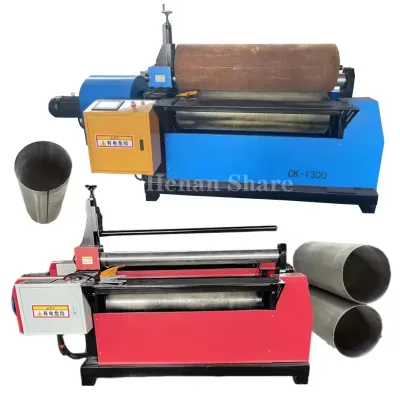
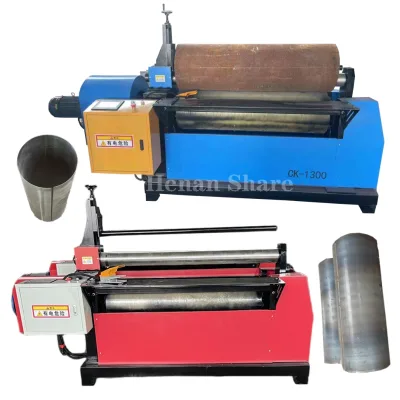
When sourcing an Automatic Hydraulic Plate Rolling Machine, the primary objective is to align the equipment's mechanical capabilities with the specific material processing requirements of your production line. The market offers a diverse range of configurations, from semi-automatic units to fully automated systems, each defined by distinct operational parameters. A critical observation in the current supply landscape is the variation in automation levels; while some units are explicitly marketed as "Automatic," others are classified as "Semi-Automatic." Buyers must verify the specific control architecture of the machine to ensure it meets the throughput demands of their facility. The distinction often lies in the integration of CNC controls versus manual hydraulic adjustments, which directly impacts labor efficiency and repeatability.
Material compatibility is another fundamental technical consideration. The machines observed in the market demonstrate versatility in processing a wide array of metals, including stainless steel, carbon steel, aluminum, copper, and various alloys. Some advanced configurations also indicate suitability for non-metallic materials such as rubber, suggesting a broader application scope for specific bending tasks. However, the maximum working dimensions vary significantly across different models. For instance, certain units are engineered with a maximum working length of 3000mm and a maximum plate thickness capacity of 12mm, while other configurations are optimized for thinner plates, such as 6mm, with a maximum coil width of 2500mm.
The physical dimensions of the machine itself are equally critical for facility planning. Standard footprint specifications found in the market include dimensions around 3000mm in length, 1650mm in width, and 1400mm in height, whereas larger industrial models may extend to 4400mm by 1600mm by 1700mm. Buyers must ensure their factory floor can accommodate these dimensions, including the necessary clearance for material loading and unloading. Furthermore, the rolling speed is a key performance indicator, with observed ranges typically spanning from 0 to 4 meters per minute. This speed range must be evaluated against the required production cycle times to avoid bottlenecks in the manufacturing process.
Compliance, Certification, and Safety Standards
Navigating the regulatory landscape is essential for any international procurement of heavy industrial machinery. Compliance with international safety and quality standards not only ensures the machine meets legal requirements in the destination market but also serves as a proxy for the manufacturer's commitment to quality control. The market data indicates a strong presence of certifications such as CE, UL, ISO 9001, RoHS, SGS, and GOST. These certifications are not merely marketing labels; they represent adherence to specific safety protocols, electromagnetic compatibility standards, and quality management systems.
The CE marking is a frequent observation, indicating conformity with health, safety, and environmental protection standards for products sold within the European Economic Area. Similarly, the presence of ISO 9001 certification suggests that the manufacturer operates under a documented quality management system, which is crucial for consistent product performance. For buyers targeting North American markets, the UL certification is a vital indicator of electrical safety compliance. Additionally, RoHS compliance ensures that the machine's electrical and electronic components are free from specific hazardous substances, aligning with environmental regulations.
Waterproof ratings are another critical safety and durability specification, particularly for machines operating in environments with potential exposure to coolants, dust, or moisture. The observed market data reveals a wide spectrum of protection levels, ranging from IPX-1 to IPX-8. An IPX-1 rating offers protection against vertically dripping water, while an IPX-8 rating indicates the machine is suitable for continuous submersion in water. Buyers must carefully assess the environmental conditions of their workshop to select a machine with an appropriate ingress protection rating. Selecting a machine with an IPX-8 rating for a dry environment may be unnecessary, whereas choosing an IPX-1 unit for a wet environment could lead to premature electrical failure.
Cost Drivers and Pricing Structures
The pricing of automatic hydraulic plate rolling machines is influenced by a complex interplay of factors, including automation level, material capacity, and the extent of customization. The observed price range in the market is substantial, spanning from $800 to $400,000 USD. This wide variance reflects the difference between basic manual or semi-automatic units and fully automated, CNC-controlled systems with advanced features. The lower end of the spectrum typically corresponds to smaller, semi-automatic machines with limited working lengths and thickness capacities. In contrast, the higher price points are associated with heavy-duty industrial machines capable of processing thicker plates, longer lengths, and featuring sophisticated control systems.
Customization is a significant cost driver in this sector. Many suppliers offer customization options, which can include modifications to the machine's dimensions, control interfaces, or specific tooling configurations. While customization allows the machine to be tailored to exact production needs, it inevitably increases the unit cost and may extend the lead time. Buyers should clearly define their non-negotiable requirements versus optional features to manage costs effectively. Additionally, the packaging method can influence the final delivered cost. Standard packaging often involves wooden boxes or wooden cases, while heavier or larger units may require steel pallet packaging to ensure safe transit.
The minimum order quantity (MOQ) is another factor to consider, though the observed data suggests a highly flexible approach with an MOQ of 1 unit for many suppliers. This low barrier to entry allows small and medium-sized enterprises to procure single units without the need for bulk purchasing agreements. However, buyers should be aware that while the MOQ may be low, the unit price for a single machine might be higher than the price per unit in a bulk order, depending on the supplier's pricing strategy. It is also important to note that the "Business Type" of the supplier, often listed as Manufacturer/Factory, can impact pricing. Direct manufacturers may offer more competitive pricing compared to trading companies, but this is not a universal rule and depends on the specific supply chain dynamics.
Typical Applications and Industry Use Cases
Automatic hydraulic plate rolling machines are versatile tools designed for a wide range of industrial applications. The primary use case is the bending of metal plates into cylindrical or conical shapes, which is fundamental in the construction of tanks, pressure vessels, pipes, and structural components. The market data highlights specific applications such as the processing of pipe bodies with lengths ranging from 100mm to 1000mm and diameters from 300mm to 5500mm. This capability makes these machines indispensable in the fabrication of large-scale industrial equipment, including storage tanks, boilers, and ship hulls.
The ability to process various materials, including stainless steel, carbon steel, aluminum, and copper, expands the application scope to industries such as chemical processing, food and beverage, and aerospace. For example, the processing of stainless steel is critical in the food industry due to its corrosion resistance and hygiene properties. Similarly, aluminum processing is vital in the aerospace and automotive sectors where weight reduction is a priority. The inclusion of rubber in the list of suitable materials suggests potential applications in the manufacturing of seals, gaskets, or flexible components, although this is less common than metal processing.
The "Application" field in the market data is broadly categorized as "Industry," indicating that these machines are not limited to a single sector but are essential across multiple manufacturing domains. The specific processing range, such as a diameter tolerance requirement of +/-0.5mm after processing, underscores the precision required in high-end applications. Buyers in industries where dimensional accuracy is paramount, such as aerospace or precision engineering, must prioritize machines that can consistently meet these tight tolerances. The availability of video outgoing-inspection services further supports buyers in verifying the quality of the machine before shipment, ensuring it meets the specific application requirements.
Supplier Evaluation and Operational Verification
Evaluating a supplier for automatic hydraulic plate rolling machines requires a multi-faceted approach that goes beyond simple price comparison. The location of the manufacturer is a key factor, with many suppliers originating from specific industrial hubs such as Haian City, Jiangsu, and Nantong, Jiangsu, in China. These regions are known for their concentration of heavy machinery manufacturers, offering buyers access to a robust supply chain and specialized expertise. However, buyers should verify the specific origin details, as some listings may provide general regional information while others specify the exact city.
The R&D capacity of the supplier is another critical evaluation criterion. Listings indicating "OEM" (Original Equipment Manufacturer) capabilities suggest that the supplier has the technical expertise to customize machines according to buyer specifications. This is particularly important for buyers with unique processing requirements or those looking to integrate the machine into a larger automated production line. The "Business Type" listed as "Manufacturer/Factory" is a positive indicator, suggesting that the supplier has direct control over the manufacturing process, which can lead to better quality control and more competitive pricing.
Quality verification is essential before finalizing a purchase. The availability of video outgoing-inspection services allows buyers to visually verify the condition and assembly of the machine prior to shipment. This feature is particularly valuable for international buyers who cannot physically inspect the equipment before delivery. Additionally, the condition of the machine is typically listed as "New," but buyers should confirm the status of any used or refurbished units if they are considering such options. The warranty period is another important factor, with observed ranges from 1-year to 3-year warranties. A longer warranty period often indicates the manufacturer's confidence in the durability and reliability of their product.
Quality Control and Long-Term Procurement Considerations
Ensuring the long-term reliability and performance of an Automatic Hydraulic Plate Rolling Machine requires a proactive approach to quality control and maintenance. The warranty period, typically ranging from 1 to 3 years, serves as a baseline for the manufacturer's commitment to product quality. However, buyers should also consider the availability of spare parts and technical support after the warranty expires. The "Condition: New" status is standard, but buyers should verify the source of components and the assembly process to ensure the machine is built to last.
The packaging method is a critical aspect of quality control during transit. Wooden boxes, wooden cases, and steel pallet packaging are common methods used to protect the machine from damage during shipping. Buyers should ensure that the packaging is robust enough to withstand the rigors of international logistics, especially for heavy machinery. The "Standard" field often lists dimensions such as 300016501400mm or 440016001700mm, which can help buyers verify that the packaging matches the machine's actual dimensions.
Long-term procurement considerations also include the machine's adaptability to future production needs. The "Customization: Available" attribute suggests that suppliers are willing to modify machines to meet evolving requirements. This flexibility is valuable for buyers who anticipate changes in their production volume or material processing needs. Additionally, the "Automation" level, whether automatic or semi-automatic, should be chosen with future scalability in mind. A fully automatic system may offer higher efficiency now but could be more expensive to upgrade later, whereas a semi-automatic system might offer more room for gradual automation upgrades.
Finally, buyers should maintain a clear record of all specifications, certifications, and warranty terms. This documentation is essential for troubleshooting, maintenance, and potential claims. The "Video Outgoing-Inspection" feature provides a valuable reference point for the machine's condition at the time of shipment, which can be useful in resolving any disputes regarding damage or non-conformance. By carefully evaluating these factors, buyers can make informed decisions that ensure the long-term success of their procurement efforts.
Comparative Analysis of Key Machine Attributes
To facilitate a clearer understanding of the differences between available models, the following table summarizes the key attributes observed in the market. This comparison highlights the variations in specifications, certifications, and capabilities that buyers should consider when selecting a machine.
| Attribute | Model A (Example) | Model B (Example) | Model C (Example) |
|---|---|---|---|
| Automation | Automatic | Semi-Automatic | Automatic |
| Max Plate Thickness | 12mm | 6mm | 8mm |
| Max Working Length | 3000mm | 2500mm | 3000mm |
| Suitable Materials | Stainless, Carbon, Al, Cu | Stainless, Carbon, Alloy, Al, Cu, Rubber | Stainless, Al, Cu |
| Certifications | CE | UL, CE, ISO 9001, RoHS | ISO 9001, CE, SGS, GOST |
| Waterproof Rating | IPX-1 | IPX-8 | IPX-7 |
| Warranty | 1-year | 3-year | 1-year |
| Origin | China | Haian City, Jiangsu | Haian City, Nantong, Jiangsu |
| Packing | Wooden Box | Steel Pallet | Wooden Case |
| Rolling Speed | 0-4 M/Min | N/A | N/A |
| Diameter Tolerance | +/-0.5mm | N/A | N/A |
This table illustrates the diversity in the market, emphasizing that no single model fits all needs. Buyers must carefully match their specific requirements with the attributes of the available models to ensure optimal performance and value. The variation in certifications, for instance, highlights the importance of selecting a machine that meets the regulatory standards of the buyer's target market. Similarly, the differences in waterproof ratings and warranty periods underscore the need for a thorough evaluation of the operating environment and long-term support requirements. By leveraging this comparative analysis, buyers can make more informed decisions and select the most suitable Automatic Hydraulic Plate Rolling Machine for their specific application.
FAQs
What certifications do automatic hydraulic plate rolling machines typically have?
These machines commonly hold CE, UL, ISO 9001, RoHS, SGS, and GOST certifications. Buyers should verify specific documents to ensure compliance with regional safety and quality standards before procurement.
Which materials can automatic hydraulic plate rolling machines process?
They are suitable for stainless steel, carbon steel, aluminum, copper, alloys, and rubber. The specific material compatibility depends on the machine model and its maximum working thickness limits.
How does automation level affect the price of these machines?
Fully automatic units command higher prices than semi-automatic models due to advanced control systems. Prices range from $800 to $400,000 based on automation, capacity, and customization features.
What is the typical waterproof rating for industrial rolling machines?
Waterproof ratings vary from IPX-1 to IPX-8 depending on the specific model and intended environment. Select an IPX-8 unit for wet conditions or IPX-1 for dry workshops to ensure durability.
Can buyers request customization for these rolling machines?
Yes, customization is available for dimensions, control interfaces, and tooling configurations. Custom orders may increase the unit cost and extend the lead time compared to standard models.
What is the minimum order quantity for these machines?
The minimum order quantity is typically one unit for many suppliers. This allows small enterprises to purchase single machines without needing bulk agreements, though unit prices may vary.
Where are these machines typically manufactured?
Most units originate from industrial hubs in Haian City and Nantong, Jiangsu, China. Buyers should verify the specific origin to ensure accurate logistics planning and supplier evaluation.