Source Automatic Ice Cream Vending Machine with Touch Screen for Retail, Events, and Malls
Find and compare 30 Automatic Ice Cream Vending Machine with Touch Screen models from verified suppliers. Evaluate features like cooling, payment systems, and dimensions to select the right unit for your business needs.
Key considerations
Products List

Frozen Icecream Vending Machine Ice Cream Vending Machine Automatic with Elevator
$3750.00 - $3950.00
MOQ: 1 Pieces


New Vending Machine for Ice Cream Frozen Vending Machine with Cashless
$3750.00 - $3950.00
MOQ: 1 Pieces


Commercial Ice Cream Touch Screen Vending Machine with Elevator Function
$2700.00 - $3150.00
MOQ: 1 Sets

Automatic Touch Screen Vending Ice Cream Machine Soft Ice Cream Vending Machine
$2700.00 - $3150.00
MOQ: 1 Sets


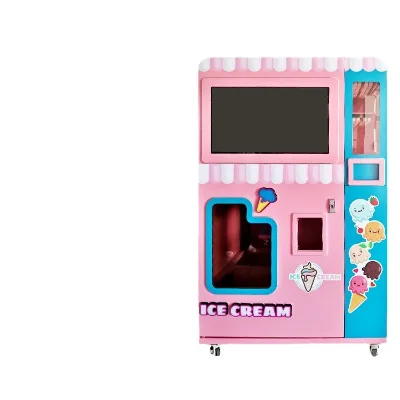

Commercial Ice Cream Vending Machine for Business with ISO Certification
$4980.00 - $5500.00
MOQ: 1 Pieces


Automatic Icecream Machine Touch Screen Smart Soft Ice Cream Vending Machine
$5199.00 - $5499.00
MOQ: 1 Pieces
Comprehensive Sourcing Guide
Automatic Ice Cream Vending Machine Sourcing Guide
Sourcing an automatic ice cream vending machine with a touch screen requires a careful balance between user experience enhancements and operational reliability. The presence of a touch screen interface significantly alters the procurement strategy, as it introduces additional points of potential failure compared to traditional button-based systems. Buyers must evaluate whether the touch screen capability is standard across all models or if it is a premium feature reserved for specific high-end units. The observed market data indicates a diverse range of configurations, with some units explicitly featuring touch screens while others rely on simpler interfaces. This variation necessitates a rigorous verification process to ensure that the selected machine meets the specific operational needs of the deployment location, whether it be a high-traffic mall, an airport terminal, or a standalone kiosk.
The decision to procure a machine with touch screen technology also impacts the long-term maintenance and software management of the asset. Modern vending machines equipped with touch screens often integrate advanced cloud systems that allow for real-time monitoring of sales, inventory, and machine health. This connectivity is a critical factor for operators who need to minimize downtime and optimize restocking schedules. However, the reliance on digital interfaces also means that buyers must consider the durability of the screen against vandalism and environmental factors. The procurement guide below outlines the essential steps for evaluating these machines, ensuring that buyers can make informed decisions based on verified technical specifications and commercial terms.
Product Scope and Observed Listing Signals
The current market for automatic ice cream vending machines presents a wide array of options, with observed prices ranging from $2,400 to $7,799 USD. This price variance reflects differences in functionality, build quality, and technological integration. For instance, models like the FC9910E are noted for having touch screen capabilities, while other models such as the FC9900-FZ and FC7606E-FZ may lack this feature or offer alternative dispensing mechanisms like belt conveyors. The minimum order quantity (MOQ) for these machines typically ranges from 1 to 2 units, indicating that suppliers are often willing to accommodate small-scale pilots or single-unit purchases. Buyers should be aware that the presence of a touch screen is not a universal attribute and must be explicitly confirmed for each model under consideration.
Another significant signal in the product listings is the diversity of payment and charging systems available. While some machines support coin and note acceptance, others are equipped with credit card or swiping card systems, and some even offer customized payment solutions. The FC7606E-FZ, for example, is listed with a credit card charging system and a power consumption of 800W, highlighting the importance of verifying electrical requirements. Additionally, the dispensing mechanism varies, with spiral coils being a common choice, but some models offering belt conveyor systems for more complex product shapes. Buyers must align these operational features with their target audience’s preferences and the physical constraints of the installation site to avoid costly mismatches.
Technical Specifications to Verify
When evaluating the technical specifications of an automatic ice cream vending machine, the cooling and insulation capabilities are paramount. Ice cream requires a consistent low-temperature environment to maintain quality and safety, with some models specifying a temperature range of -18°C to 0°C. The FC7606E-FZ, for instance, is designed for cooling and insulation, ensuring that the product remains frozen until dispensed. Buyers should verify the compressor type, energy efficiency, and the reliability of the cooling system, as these factors directly impact operational costs and product integrity. The presence of a refrigerator component is standard, but the specific performance metrics should be confirmed through technical datasheets or direct supplier inquiry.
The physical dimensions and weight of the machine are also critical considerations for logistics and installation. The FC9910E, for example, has dimensions of 76.38"H x 41.73"W x 35.44"D, while the FC7606E-FZ is larger at 192 H x 92 W x 85D CM. The M736S model weighs 150kg, which affects the floor load requirements and the ease of relocation. Buyers must ensure that the chosen machine fits within the designated space and that the installation site can support its weight. Additionally, the power source is typically electric, but the specific voltage and frequency requirements must match the local electrical infrastructure to prevent damage or operational issues.
Compliance and Safety Documentation
Compliance with safety and quality standards is a non-negotiable aspect of sourcing vending machines. Many suppliers provide certifications such as CE and RoHS, which indicate adherence to European health, safety, and environmental protection standards. The M736S model, for example, is listed with CE RoHS certification, providing assurance that the machine meets specific regulatory requirements. Buyers should request copies of these certificates and verify their validity with the issuing bodies. Compliance documentation not only ensures legal operation in the target market but also reflects the manufacturer’s commitment to quality and safety.
In addition to product certifications, buyers should inquire about the machine’s failure detection and power-off protection features. The FC9910E is equipped with power-off protection and failure self-detection, which are crucial for preventing damage during power fluctuations or system errors. These features enhance the reliability of the machine and reduce the risk of product loss or mechanical failure. Buyers should verify the effectiveness of these systems and understand how they integrate with the machine’s overall control logic. Ensuring that the machine has robust safety mechanisms in place is essential for maintaining continuous operation and protecting the investment.
Cost Drivers and Commercial Terms
The cost of an automatic ice cream vending machine is influenced by several factors, including the level of customization, the complexity of the payment system, and the inclusion of advanced features like touch screens and cloud connectivity. The FC9910E offers customization options and supports extended networking, which may contribute to a higher price point. Buyers should understand the breakdown of costs to identify where value is added and where potential savings can be made. For example, opting for a model without a touch screen or with a simpler payment system may reduce the initial investment, but it could also limit the machine’s appeal to customers.
Commercial terms such as after-sales support and warranty are also significant cost drivers. The FC9910E offers life-time support through Facetime, which is a unique value proposition that can reduce long-term maintenance costs. Buyers should evaluate the scope of after-sales support, including the availability of spare parts, technical assistance, and software updates. The packing method, such as polywooden or export standard wooden cases, also affects shipping costs and the risk of damage during transit. Understanding these commercial terms helps buyers make informed decisions that balance initial cost with long-term operational efficiency.
Supplier Qualification and Quality Control
Supplier qualification is a critical step in the sourcing process, as it ensures that the buyer is working with a reputable and reliable manufacturer. The M736S model, for instance, is produced in Jiangsu, China, a region known for its manufacturing capabilities. Buyers should verify the supplier’s production capacity, quality control processes, and track record in the vending machine industry. The FC7606E-FZ is listed with a 13-year experience advantage, which suggests a level of maturity and expertise in the field. Buyers should request references or case studies to validate the supplier’s claims and assess their ability to deliver high-quality products.
Quality control measures should be integrated into the procurement process to ensure that the machines meet the specified standards. Buyers should inquire about the testing procedures used by the supplier, including pre-shipment inspections and performance tests. The FC9910E and FC9900-FZ models are listed as new, but buyers should verify the condition of the machines upon delivery. Establishing clear quality expectations and inspection criteria helps to minimize the risk of receiving defective or substandard products. Regular communication with the supplier during the production and shipping phases can also help to identify and resolve potential issues early.
Long-Term Procurement Checks
Long-term procurement checks involve monitoring the performance of the vending machines and maintaining a strong relationship with the supplier. The cloud system feature, which allows for real-time check of sales and inventory, is a valuable tool for ongoing management. Buyers should ensure that they have access to this system and understand how to use it to optimize operations. The FC9910E’s cloud system provides insights into machine performance, enabling proactive maintenance and inventory management. Regularly reviewing these data points helps to identify trends and make informed decisions about restocking and marketing strategies.
Additionally, buyers should plan for the lifecycle of the machine, including potential upgrades and replacements. The availability of spare parts and the supplier’s ability to provide technical support over time are crucial for maintaining the machine’s functionality. The FC9910E’s life-time support offer is a significant advantage in this regard. Buyers should also consider the environmental conditions of the installation site, as indoor machines may have different requirements than outdoor units. By staying informed about technological advancements and market trends, buyers can ensure that their vending machine investments remain relevant and profitable in the long run.
FAQs
What models support touch screen interfaces?
The FC9910E model features a touch screen interface for user interaction. In contrast, the FC9900-FZ and FC7606E-FZ models operate without touch screens. Buyers requiring digital displays should specifically select the FC9910E configuration to ensure the desired interface capability is included in the procurement order.
How does the cooling system function?
The machines utilize a cooling function to maintain product integrity. The FC7606E-FZ model specifies a temperature range of -18 to 0 degrees Celsius. This ensures that ice cream remains frozen and safe for consumption. The system is designed for indoor environmental conditions to optimize performance and energy efficiency.
Can the machine accept credit cards?
Yes, the M736S model supports credit card payments via a swiping card interface. Other models may use coin and note systems or MDB international protocols. Buyers should verify the specific payment interface required for their location before finalizing the order to ensure compatibility with local payment methods.
What are the standard dimensions for these units?
Dimensions vary by model. The FC9910E measures 76.38 inches high, 41.73 inches wide, and 35.44 inches deep. The FC7606E-FZ is larger at 192 cm high, 92 cm wide, and 85 cm deep. Accurate spatial planning is essential to fit the specific model dimensions into the intended installation area.
Is after-sales support available?
Life-time support is provided through FaceTime for certain models. This ensures ongoing assistance for operational issues. Additionally, the supplier highlights 13 years of experience in the industry. Buyers should confirm the specific support terms and communication channels applicable to their purchased model during the negotiation phase.
What certifications do the machines hold?
The M736S model holds CE and RoHS certifications. The VT11-Pro model also carries CE certification. These certifications indicate compliance with specific safety and environmental standards. Buyers should request valid certification documents for the specific model they intend to purchase to ensure regulatory compliance in their target market.