Source Automatic Industrial Baking Tunnel Oven for Bread Biscuit Cake
Find 30 Automatic Industrial Baking Tunnel Oven units with varying specifications for bread, biscuit, and cake production. Compare features like power, dimensions, and heating modes from suppliers in China to identify the best fit for your bakery needs.
Key considerations
Products List


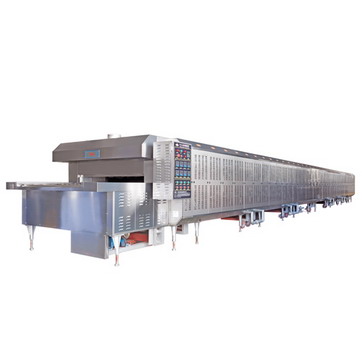
$46181.09 - $51312.32
MOQ: 1 sets

Industrial Automatic Continuous Bread Baking Conveyor Tunnel Oven Furnace
$20000.00 - $75000.00
MOQ: 1 Pieces

Industrial Bakery Equipment Bread Cookie Baking Tunnel Oven Manufacturer
$20000.00 - $75000.00
MOQ: 1 Pieces


Industrial Bakery Equipment Electric Pita Bread Baking Tunnel Ovens
$20000.00 - $75000.00
MOQ: 1 Pieces

Industrial Bakery Production Line Small Tunnel Oven for Bread Biscuit Cookie Baking
$20000.00 - $75000.00
MOQ: 1 Pieces


Food Cookie Baking Machine Oven Industrial Bread Bakery Tunnel Oven
$25000.00 - $50000.00
MOQ: 1 Pieces


Industrial Modular Design Continuous Bread Biscuit Baking Tunnel Oven
$25800.00 - $45000.00
MOQ: 10 Meters


High-Performance Automatic Tunnel Oven for Industrial Bread Baking
$25800.00 - $45000.00
MOQ: 10 Meters

Automatic Stainless Steel Industrial Tunnel Bread Oven for Cookies
$25000.00 - $75000.00
MOQ: 1 Pieces


Continuous Industrial Tunnel Ovens Pita Biscuit Cookie Oven Tunnel
$25000.00 - $75000.00
MOQ: 1 Pieces

Industrial Electric Cookies Biscuits Tunnel Oven for Biscuit Processing
$25000.00 - $75000.00
MOQ: 1 Pieces

Commercial Industrial Bakery Tunnel Oven for Biscuit Production Line
$20000.00 - $200000.00
MOQ: 1 SET
Comprehensive Sourcing Guide
Strategic Sourcing Guide for Automatic Industrial Baking Tunnel Ovens
The global demand for automated food processing equipment has elevated the status of the Automatic Industrial Baking Tunnel Oven as a critical asset for commercial bakeries and food manufacturing facilities. Sourcing this specific category of machinery requires a disciplined approach that balances technical performance, regulatory compliance, and total cost of ownership. Unlike small-scale commercial ovens, these industrial units are designed for continuous operation, high throughput, and precise thermal control. Buyers must navigate a complex landscape of specifications, from conveyor belt dimensions to heating modes, to ensure the selected unit aligns with their production capacity and product requirements. This guide provides a structured framework for evaluating potential suppliers and selecting the right equipment based on verified data points and industry best practices.
Technical Specifications and Operational Parameters
The core functionality of an Automatic Industrial Baking Tunnel Oven is defined by its mechanical and thermal specifications. When reviewing product listings, buyers should prioritize the consistency of key metrics such as conveyor belt width, effective range, and conveying speed. In the current market, standard configurations often feature a convey belt width of 800mm, which accommodates a wide variety of product sizes from standard bread loaves to large biscuits. The effective range of the heating zone is equally critical; a range of 800mm suggests a focused heating area that must be matched against the physical dimensions of the products being baked.
Speed control is another vital technical parameter. Units typically offer a conveying speed range of 2 to 20 meters per minute, allowing operators to adjust the dwell time within the oven to achieve specific baking profiles. This variability is essential for managing different dough viscosities and moisture contents. The physical footprint of the machinery is substantial, with some models featuring overall dimensions around 19000mm in length, 2250mm in width, and 1500mm in height. However, specific furnace dimensions may vary, with some configurations citing a furnace size of 1400x1500mm. Buyers must verify the inner size of the box or processing chamber, as this determines the maximum volume of product that can be processed simultaneously.
Power requirements are a significant consideration for facility planning. Electrical specifications often indicate a power rating of 12 kilowatts or a range of 12-18 kilowatts per meter, depending on the heating mode. The standard voltage configuration for these industrial units is typically 3N-380V at 50Hz, requiring a robust three-phase power supply. While electric power is common, some advanced models support dual fuel sources, including gas, diesel oil, or a combination of gas and electric. This flexibility allows facilities to optimize energy costs based on local utility rates. The heating mode itself can vary, with dielectric heating and air drying mediums being observed in specific configurations. Understanding the distinction between these modes is crucial, as dielectric heating offers rapid internal heating, while air convection provides uniform surface drying.
Compliance, Certification, and Safety Standards
Ensuring that an industrial oven meets international safety and quality standards is a non-negotiable aspect of the procurement process. Compliance documentation serves as proof that the equipment has been designed and manufactured according to recognized safety protocols. In the current market, the CE mark is a frequently observed standard, indicating conformity with health, safety, and environmental protection standards for products sold within the European Economic Area. Buyers should verify the presence of this certification on the product datasheet and request the full technical file from the supplier.
Beyond specific certification marks, the construction materials play a significant role in compliance and durability. High-quality tunnel ovens are predominantly constructed from stainless steel, which offers resistance to corrosion, ease of cleaning, and compliance with food safety hygiene regulations. The material choice directly impacts the longevity of the oven and its ability to withstand the harsh conditions of a commercial kitchen, including high humidity and frequent cleaning cycles.
Warranty terms also serve as an indicator of manufacturer confidence and compliance with quality expectations. A standard warranty period of one year is commonly observed in the industry, covering defects in materials and workmanship. However, buyers should scrutinize the specific terms of the warranty, including what components are covered and the response time for service calls. Additionally, the operational method of the oven, whether continuous or batch, must align with the facility's safety protocols. Continuous operation requires specific safety interlocks and emergency stop mechanisms to protect operators from moving parts and high-temperature zones.
Cost Drivers and Financial Considerations
The total cost of acquiring an Automatic Industrial Baking Tunnel Oven is influenced by several factors beyond the initial purchase price. The observed price range for these units can vary significantly, from 2,000 to 200,000 USD, reflecting differences in capacity, automation level, and heating technology. The primary cost drivers include the length of the tunnel, the complexity of the heating system, and the level of customization required.
Customization is a major factor in pricing. Many suppliers offer available customization options, allowing buyers to tailor the oven to specific production needs. This can include adjusting the conveyor width, modifying the heating zones, or integrating specific control systems. Customized units typically command a higher price but offer better alignment with unique production requirements. The packaging method, often involving plywood or wooden cases, also adds to the shipping and handling costs, particularly for large, heavy units weighing up to 650kg.
Energy efficiency is another critical cost driver. Units with high productivity and high efficiency features may have a higher upfront cost but offer lower operational expenses over time. The power consumption, measured in kilowatts, and gas consumption, measured in kilograms per meter, directly impact the monthly utility bills. Buyers should calculate the cost per unit of product baked to determine the true economic value of the equipment. Furthermore, the supply ability of the manufacturer, such as 30 sets per day, can influence lead times and pricing, with high-volume producers potentially offering more competitive rates.
Typical Applications and Product Versatility
Automatic industrial baking tunnel ovens are designed for a wide array of applications, primarily within the bakery and food processing sectors. The versatility of these machines allows them to handle various products, including bread, pizza, cake, biscuits, and other baked goods. The specific application dictates the required temperature range and heating profile. For instance, bread baking may require a lower temperature range with higher humidity, while biscuit production might need higher temperatures for rapid crisping.
The operational temperature range of these ovens typically spans from 20 to 200 degrees Celsius, providing the flexibility needed for different recipes. The movement way of the product, often described as spraying or continuous conveyance, ensures uniform exposure to heat. This consistency is vital for maintaining product quality and reducing waste. The application of the oven is not limited to traditional bakery items; it extends to pre-cooked foods, frozen dough, and other processed items that require thermal treatment.
Buyers should consider the specific usage requirements of their facility. For a bakery focusing on bread and biscuits, the oven must support continuous operation with high throughput. The ability to handle multiple product types simultaneously or in quick succession is a key advantage of tunnel ovens. The feature of high productivity ensures that the equipment can meet the demands of large-scale production without becoming a bottleneck in the manufacturing process.
Supplier Evaluation and Sourcing Strategy
Evaluating suppliers for industrial baking equipment requires a thorough assessment of their capabilities, reputation, and logistical support. The origin of the product is a significant factor, with many units originating from China (Mainland), specifically from regions like Guangdong and Shanghai. These regions are known for their robust manufacturing ecosystems and experience in producing food processing machinery.
When selecting a supplier, buyers should verify the brand name and the condition of the equipment. Reputable brands often provide better after-sales support and spare parts availability. The condition of the product, typically listed as "New," should be confirmed through detailed inspection reports or third-party verification. Supply ability is another critical metric; a supplier capable of producing 30 sets per day demonstrates the capacity to handle large orders and maintain consistent quality.
Logistics and shipping are also important considerations. The port of dispatch, such as Shanghai, and the packaging details, including wooden cases, affect the delivery timeline and cost. Buyers should inquire about the lead time and the specific shipping terms. Additionally, the availability of customization services and the ability to meet specific requirements, such as custom dimensions or power configurations, are indicators of a supplier's flexibility and expertise.
Quality Control and Long-Term Procurement
Ensuring the long-term reliability of an Automatic Industrial Baking Tunnel Oven involves rigorous quality control measures during the manufacturing process and ongoing maintenance. The weight of the unit, ranging from 500kg to 650kg, indicates the robustness of the construction, but it also necessitates a solid foundation and proper installation procedures. Quality control should include testing of the heating elements, conveyor mechanisms, and control systems to ensure they meet the specified performance criteria.
Long-term procurement considerations include the availability of spare parts and the technical support provided by the supplier. A warranty of one year is standard, but buyers should negotiate extended warranty options or service contracts to protect their investment. The energy efficiency and durability of the materials, such as stainless steel, will determine the lifespan of the equipment. Regular maintenance, including cleaning and calibration, is essential to maintain optimal performance and food safety standards.
In conclusion, sourcing an Automatic Industrial Baking Tunnel Oven requires a comprehensive understanding of technical specifications, compliance requirements, cost factors, and supplier capabilities. By carefully evaluating these aspects, buyers can make informed decisions that align with their production goals and ensure the long-term success of their food processing operations. The integration of high-efficiency technology, robust construction, and flexible customization options will enable facilities to meet the growing demands of the bakery and food industry with confidence and reliability.
FAQs
What are the standard power requirements for these ovens?
Standard units typically require 380V voltage at 50Hz with a power rating of 12 kilowatts. Some models support a power range of 12 to 18 kilowatts per meter and may also operate using gas or diesel oil sources.
Can the conveyor belt width be customized for specific products?
Yes, customization is available for various production needs including conveyor width adjustments. Standard configurations often feature an 800mm width, but buyers can request specific dimensions to match their product sizes.
What is the typical temperature range for baking operations?
The operational temperature range spans from 20 to 200 degrees Celsius. This wide range allows the oven to handle diverse products like bread, biscuits, and cakes with different thermal profiles.
Which certifications ensure safety compliance for these industrial units?
The CE standard is frequently observed, indicating conformity with European health and safety protocols. Buyers should verify this certification on the datasheet to ensure the equipment meets international safety requirements.
How fast can the conveyor belt move during continuous operation?
The conveying speed typically ranges from 2 to 20 meters per minute. This variability allows operators to adjust dwell time for different dough viscosities and moisture contents effectively.
What materials are used to construct the oven body?
High-quality units are predominantly constructed from stainless steel for durability and hygiene. This material resists corrosion and meets food safety regulations required for commercial kitchen environments.
What is the standard warranty period for these machines?
A standard warranty period of one year is commonly offered by manufacturers. This coverage typically includes defects in materials and workmanship, though specific terms should be verified with the supplier.