Source Automatic Intermeshing Single-Screw Foaming Machine for Wood, Plastic, and Hardware
Explore 30 listings for the Automatic Intermeshing Single-Screw Foaming Machine designed for wood, plastic, and hardware applications. Buyers can compare specifications, pricing, and customization options from verified Chinese manufacturers offering electric-powered units with CE and ISO certifications.
Key considerations
Products List

$1.00 - $128000.00
MOQ: 1 Sets


$47800.00 - $85800.00
MOQ: 1 Pieces


PU Machine Foaming Machine/High Pressure Foaming Machine/Crash Barrier PU Foaming Machine
$100.00 - $50000.00
MOQ: 1 Pieces

PU Making Machine/PU Foam Machinery/PU Foam Machine/Foaming Machine
$1000.00 - $35000.00
MOQ: 1 Pieces


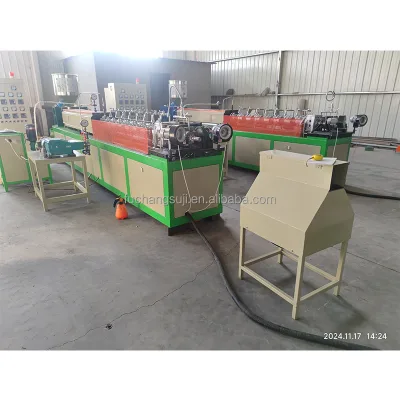
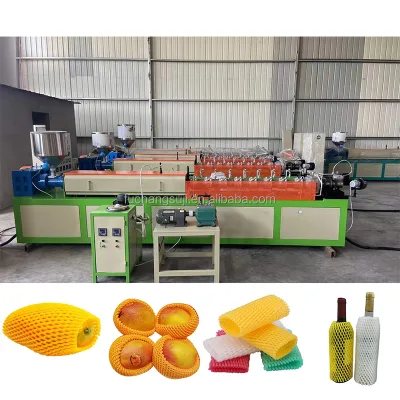
Epe Foaming Mesh Sleeve Machinery /foaming Netting Machine/pakcing Netting Machine
$15000.00 - $20000.00
MOQ: 1 sets
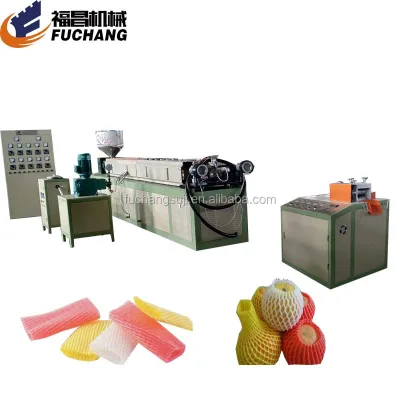


Comprehensive Sourcing Guide
Strategic Sourcing Guide for Automatic Intermeshing Single Screw Foaming Machines
The global demand for advanced polymer processing equipment has elevated the importance of automatic intermeshing single screw foaming machines in modern manufacturing. These systems are critical for industries requiring high-precision foaming, consistent material density, and automated production cycles. For procurement professionals, navigating the market requires a disciplined approach that distinguishes between verified product attributes and general market assumptions. This guide provides a structured framework for evaluating potential suppliers, analyzing technical specifications, and ensuring compliance with international standards based on observed market data and trusted category knowledge.
Technical Specifications and Operational Capabilities
When sourcing an Automatic Intermeshing Single-Screw Foaming Machine, the primary focus must be on the mechanical configuration and operational parameters that define its efficiency. The core mechanism relies on the intermeshing action of screws to ensure thorough mixing and melting of raw materials before foaming. In the observed market, specific models such as the HGTJ and HGTJ401 series demonstrate the variability in effective work scopes, which are critical for matching machine capacity to production floor dimensions.
Buyers must verify the effective work scope, as observed ranges include configurations like 1200mm2200mm190mm and 1500mm2200mm190mm, with the explicit note that these dimensions can be changed to suit specific facility layouts. The processing speed is another vital metric; data indicates a typical operational range of 6-30 meters per minute. This range suggests that the machine is suitable for both high-volume continuous production and more controlled, lower-speed applications requiring higher precision.
The power source for these units is consistently electric, ensuring compatibility with standard industrial power grids. However, the internal electrical architecture often dictates performance stability. High-quality units frequently incorporate components from recognized manufacturers, such as Delta inverters from Taiwan and electrical parts from Schneider or Omron. The presence of these specific brands in the supply chain is a strong indicator of reliability, as they are known for durability in industrial environments. Furthermore, the machine's principle of operation may vary; some units operate on a "Blast in the Low-Pressure Type" principle, while others utilize a "High-Pressure Air Type." Understanding the specific principle required for your material type is essential before finalizing a purchase.
Compliance, Certification, and Safety Standards
Navigating the regulatory landscape is a non-negotiable aspect of B2B procurement. While many suppliers claim compliance, buyers must demand verifiable documentation. The observed market data highlights several recurring certifications and standards that serve as benchmarks for quality assurance.
The most frequently cited certifications include CE and ISO. Specifically, ISO9001 is a standard for quality management systems, and its presence indicates that the manufacturer adheres to rigorous quality control processes. Some listings also reference SGS, a third-party inspection and certification body, which adds an additional layer of credibility. It is crucial to distinguish between a supplier's claim and a verified certificate. For instance, while "CE" is a common observation, the specific standard EN 61000, often associated with electromagnetic compatibility, appears in background data but should be treated as a verification target rather than an assumed fact.
Buyers should request the following specific documentation:
- CE Marking: Proof of conformity with European health, safety, and environmental protection standards.
- ISO9001 Certification: Evidence of a certified quality management system.
- SGS Reports: Third-party validation of material and safety standards.
Additionally, the "Computerized" attribute observed in some listings suggests that the machine includes advanced control systems. While this implies a higher level of automation, it necessitates verifying that the software and hardware comply with relevant cybersecurity and operational safety standards. The "Automatic Grade" and "Method Type: Automatic" attributes confirm that the machine is designed for unattended operation, but this must be cross-referenced with the specific safety interlocks and emergency stop protocols required by local regulations.
Cost Drivers and Pricing Variables
The pricing structure for automatic intermeshing single screw foaming machines is highly variable, influenced by a complex matrix of factors. The observed price range in the market spans from $1 to $300,000, a breadth that reflects the diversity from basic entry-level units to fully integrated, high-capacity industrial systems. This wide range underscores the necessity for buyers to define their specific requirements before engaging in price negotiations.
Several key drivers influence the final cost:
- Customization Level: The attribute "Customization: Available" and "Customized: Customized" indicates that many machines are built to order. Customization significantly impacts cost, as it involves engineering time, unique tooling, and specialized component sourcing.
- Component Quality: The inclusion of premium electrical parts, such as Delta inverters and Schneider or Omron components, increases the unit cost but offers long-term reliability.
- Work Scope and Capacity: Machines with larger effective work scopes or higher processing speeds (approaching the 30m/min upper limit) generally command higher prices.
- Packaging and Logistics: The "prod_packing" attributes vary from "Plastic Wrap" to "Plastic Package in Container" and "Standard Export Package." Seaworthy packaging is essential for international shipping and adds to the overall cost structure.
- Origin and Location: Products originating from China, specifically regions like Zhejiang, often benefit from competitive manufacturing costs, but shipping and import duties must be factored into the total cost of ownership.
Buyers should be wary of prices that seem anomalously low, as they may indicate compromises in component quality or a lack of necessary certifications. Conversely, the highest prices do not automatically guarantee the best fit for every application.
Typical Applications and Material Compatibility
Understanding the intended application is paramount to selecting the right machine. The observed data reveals a diverse range of applications, indicating that these machines are versatile but often specialized. The "Application" attribute lists several distinct categories, including Chips, Wood Spraying Equipment, Porcelain Spraying Equipment, Plastic Spraying Equipment, and Hardware Spraying Equipment.
Furthermore, specific machine types are tailored for particular materials:
- Polyurethane Foam Machines: These are designed for applications requiring polyurethane foams, often used in insulation and automotive sectors.
- EPS Foam Machines: Specifically designed for Expanded Polystyrene (EPS), with the "Plastic Type: EPS" attribute confirming their material focus. These are essential for EPS plants and packaging manufacturing.
- Metal Processing: Some units are listed with "Processing Object: Metal" and "Application: Auto Parts," suggesting capabilities in metal foaming or related forging and pressure casting processes.
The "Process" attribute also provides insight into specific manufacturing techniques. For example, "Fipfg (Foamed-in-Place Foam Gasket)" indicates a specialized process for creating gaskets directly within an assembly, a critical capability for the automotive and aerospace industries. Buyers must ensure that the machine's specific process capabilities align with their end-product requirements. A machine optimized for EPS foam may not be suitable for polyurethane gasket production, despite sharing the "foaming" classification.
Supplier Evaluation and Verification
Selecting a reliable supplier is as important as selecting the machine itself. The market data provides several indicators of supplier maturity and product quality. When evaluating potential partners, buyers should prioritize the following criteria:
- Origin and Manufacturing Base: Many products originate from China, with specific mentions of Zhejiang as a manufacturing hub. While this region is known for industrial output, buyers should verify the specific factory's capabilities and history.
- Warranty Terms: The observed warranty periods are typically 1 year or 12 months. This is a standard baseline, but buyers should negotiate for extended coverage on critical components like screws and motors.
- Condition and Model Specifics: Most units are listed as "New," but verifying the model number (e.g., HGTJ, FDS110-160, RB series) is essential. The "FDS1100, FDS1500" standard reference suggests a specific product line that buyers should investigate for compatibility.
- Brand Recognition: The mention of "Dongshen" as a brand indicates that some suppliers operate under established names. However, buyers should verify if the brand is the original manufacturer or a distributor.
Buyers should avoid suppliers who cannot provide clear documentation on the origin of critical components like inverters and electrical parts. The presence of "Delta From Taiwan" or "Schneider, Omron From Japanese" in the product description is a positive signal, but it must be backed by invoices or component datasheets to prevent the use of counterfeit or substandard parts.
Quality Control and Long-Term Procurement Considerations
Ensuring long-term operational success requires a robust quality control strategy. The "Standard Export Package" and "Seaworthy" packaging attributes highlight the importance of logistics in maintaining product integrity during transit. Once the machine arrives, a comprehensive inspection protocol is necessary.
Key quality control checks should include:
- Dimensional Verification: Confirming that the effective work scope matches the agreed specifications (e.g., 1200mm2200mm190mm).
- Component Authentication: Verifying the authenticity of electrical components and inverters against the supplier's claims.
- Performance Testing: Running the machine at various speeds (6-30m/min) to ensure it meets the specified processing speed and consistency.
- Safety Compliance: Testing all safety interlocks and emergency stops to ensure they meet CE and local safety standards.
For long-term procurement, buyers should consider the availability of spare parts and the supplier's technical support capabilities. The "Automatic Grade" and "Computerized" nature of these machines means that software updates and specialized maintenance may be required. Establishing a clear service agreement that covers the warranty period and defines response times for technical support is crucial. Additionally, the "Molding Style: Forging" and "Molding Technics: Pressure Casting" attributes suggest that some machines may require specialized tooling, which should be included in the initial procurement package to avoid future delays.
Final Procurement Recommendations
The acquisition of an Automatic Intermeshing Single-Screw Foaming Machine is a significant investment that requires careful planning and due diligence. By focusing on verified technical specifications, demanding rigorous certification proof, and evaluating suppliers based on component quality and warranty terms, buyers can mitigate risks and ensure a successful procurement outcome. The wide range of observed applications and specifications necessitates a tailored approach, where the specific needs of the production line dictate the machine selection rather than a one-size-fits-all strategy.
Buyers must remain vigilant against inflated claims and unverified standards. The market data provides a solid foundation for comparison, but the ultimate decision should be based on direct verification of the machine's capabilities against the buyer's specific operational requirements. Whether the application involves EPS foam, polyurethane gaskets, or metal processing, the principles of rigorous evaluation and quality assurance remain constant. By adhering to these guidelines, procurement professionals can secure equipment that delivers optimal performance, compliance, and value over the long term.
FAQs
What certifications do these machines typically have?
These machines typically hold CE and ISO9001 certifications, with some listings also referencing SGS standards. Buyers should verify specific documentation for quality management systems and safety compliance before purchase.
Can the effective work scope be customized?
Yes, the effective work scope can be changed to suit specific facility layouts. Observed configurations include dimensions like 1200mm by 2200mm or 1500mm by 2200mm, allowing flexibility for different production floors.
Which electrical components are commonly used?
High-quality units often incorporate Delta inverters from Taiwan and electrical parts from Schneider or Omron. These specific brands indicate reliability and durability in industrial environments for stable machine operation.
How fast can the machine process materials?
The processing speed typically ranges from 6 to 30 meters per minute. This range supports both high-volume continuous production and controlled, lower-speed applications requiring higher precision for specific materials.
What warranty periods are standard for these units?
Standard warranty periods are typically 1 year or 12 months. Buyers should negotiate for extended coverage on critical components like screws and motors to ensure long-term operational reliability.
Which applications are these machines suitable for?
Applications include wood, porcelain, plastic, and hardware spraying equipment, as well as EPS foam and polyurethane foam production. Some models also support metal processing for auto parts via forging or pressure casting.