Source Automatic Rubber Sole Vulcanizing Machine for Shoes, Boots, and Slippers
Compare 30 automatic rubber sole vulcanizing machines from verified suppliers. These units feature hydraulic power, PLC control, and customizable options for manufacturing footwear soles with high precision and efficiency; compare the available evidence and request quotations based on your requirements.
Key considerations
Products List


Stable Performance Rubber Sole Vulcanizing Machine with Vacuum Option
$15000.00 - $200000.00
MOQ: 1 set


Rubber Floor Vulcanizing Machine/Shoes Sole Vulcanizing Machine/Hot Press Machine
$2800.00 - $6999.00
MOQ: 1 Pieces


China Top Quality Level Rubber Sole Vulcanizing Press/Rubber Sole Press Machine
$8000.00 - $9000.00
MOQ: 1 Sets


Automatic Rubber Molding Vulcanizing Machine for Rubber Silicone Products
$3000.00 - $15000.00
MOQ: 1 Sets


Rubber Products Making Machine Rubber Vulcanizing Machine
$4700.00 - $48000.00
MOQ: 1 Sets
Qingdao Shun Cheong Rubber Machinery Manufacturing Co., Ltd.


$4000.00 - $20000.00
MOQ: 1 Pieces



Comprehensive Sourcing Guide
Automatic Rubber Sole Vulcanizing Machine Sourcing Guide
Sourcing an Automatic Rubber Sole Vulcanizing Machine requires a clear understanding of the specific manufacturing processes involved in footwear production. These machines are primarily designed for making soles, utilizing hydraulic power sources to ensure consistent pressure and temperature control during the curing process. Buyers must recognize that the term "automatic" encompasses a range of operational grades, from fully automatic systems to semiautomatic configurations, each offering different levels of labor efficiency and throughput. The core functionality revolves around the precise application of heat and pressure to rubber materials, ensuring the final product meets strict quality standards for durability and aesthetic finish.
The procurement landscape for these machines is diverse, with suppliers offering various models tailored to different production volumes and facility constraints. Observed listings indicate a wide price range, reflecting differences in tonnage, automation level, and structural design. Key attributes such as PLC control types and hydraulic power supplies are common across many units, providing a baseline for performance expectations. However, buyers should not assume that all listed products share identical specifications. It is crucial to verify the specific model, such as the KK-HYRM01 or XLB Series, against your production needs to ensure compatibility with your existing workflow and material handling capabilities.
Product Scope and Observed Listing Signals
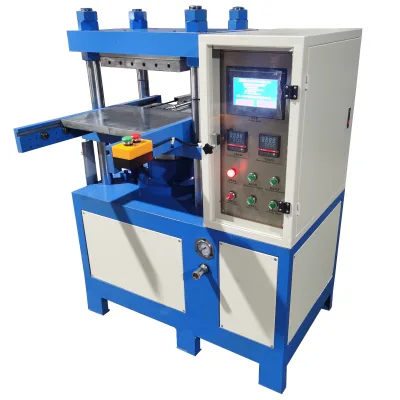
The product scope for automatic rubber sole vulcanizing machines includes various structural modes, such as four-column frame types and horizontal or vertical configurations. These structural differences significantly impact the machine's footprint and the ease of material loading. For instance, some models feature a horizontal structure, while others are designed as vertical units, which may influence how operators interact with the press. The automatic grade is another critical variable, with options ranging from fully automatic to semiautomatic systems. Buyers must assess whether their production line requires minimal human intervention or if a semiautomatic setup aligns better with their current labor structure and operational rhythm.
Observed listing signals reveal that suppliers often highlight specific advantages, such as no oil leakage and excellent extrusion quality, which are vital for maintaining a clean and efficient production environment. The use of cold hard alloy steel for plunger materials suggests a focus on durability and resistance to wear, which is essential for high-volume sole manufacturing. Additionally, the availability of customization options allows buyers to tailor the machine's color and other aesthetic features to their brand identity. However, these signals should be treated as observations rather than universal guarantees, and buyers must verify these attributes with the supplier to ensure they match the specific unit being purchased.
Technical Specifications to Verify
When evaluating technical specifications, the voltage requirements are a primary concern, as machines may support a wide range of inputs including 220V, 240V, 380V, 400V, 415V, and 440V. Buyers must confirm that the machine's electrical requirements match their facility's power infrastructure to avoid costly modifications or operational failures. The heating method is another critical specification, with options including electric, oil, or steam systems. Each method has distinct implications for energy efficiency, temperature control precision, and maintenance requirements. Understanding these differences is essential for selecting a machine that aligns with your facility's utility capabilities and sustainability goals.
The temperature range and protection systems are also key technical factors to verify. Some models offer a temperature range of 0-300 degrees, which must be sufficient for the specific rubber compounds you intend to process. Safety is paramount, and machines should be equipped with robust protection systems such as light curtains, PLC alarms, and double-hand operation controls. These features help prevent accidents and ensure operator safety during the high-pressure vulcanizing process. Additionally, the structure mode, whether horizontal or vertical, should be chosen based on the available floor space and the ergonomic needs of your production team.
Compliance and Safety Documentation
Compliance with international standards is a critical aspect of sourcing industrial machinery, and buyers should verify that the machine holds relevant certifications such as ISO, CE, and SGS. These certifications indicate that the manufacturer adheres to recognized quality and safety standards, providing a level of assurance regarding the machine's design and manufacturing processes. The presence of a CE mark, in particular, is often a legal requirement for selling and operating machinery within the European Union, making it a non-negotiable factor for buyers targeting that market. Buyers must request copies of these certificates to confirm their validity and ensure they cover the specific model being purchased.
Safety documentation should also include detailed information on the machine's safety devices and operational protocols. The inclusion of safety features such as light curtains and PLC alarms is a positive indicator, but buyers should also review the manufacturer's safety manuals and training materials. These documents provide essential guidance on safe operation, emergency procedures, and maintenance routines. Additionally, the warranty period, often listed as two years, should be clearly defined in the contract, outlining the scope of coverage and the process for claiming repairs or replacements. This ensures that buyers are protected against early failures and have access to support when needed.
Cost Drivers and Commercial Terms
The cost of an Automatic Rubber Sole Vulcanizing Machine is influenced by several factors, including tonnage, automation level, and structural design. Higher tonnage models, such as those rated at 150T or 300T, typically command higher prices due to the increased material and engineering requirements. The automatic grade also plays a significant role, with fully automatic systems generally being more expensive than semiautomatic alternatives. Buyers should consider their production volume and labor costs when evaluating these options, as a higher initial investment may be justified by long-term efficiency gains and reduced labor expenses.
Commercial terms, including delivery time and packing methods, are also important considerations. Delivery times can vary significantly, with some suppliers offering shipment within 20 days after payment, while others may require up to 60 days. Buyers must factor these lead times into their production planning to avoid delays. Packing methods, such as standard exported wooden packing or stretch film packages, should be reviewed to ensure the machine arrives in good condition. Additionally, the MOQ of one unit suggests flexibility for buyers, but it is essential to confirm whether bulk discounts or other incentives are available for larger orders.
Supplier Qualification and Quality Control
Supplier qualification is a critical step in the sourcing process, and buyers should assess the manufacturer's track record and production capabilities. The origin of the machine, often listed as China or specifically Qingdao, provides context for the manufacturing ecosystem, but buyers must look beyond location to evaluate the supplier's reputation. Requesting references from previous clients and reviewing case studies can provide valuable insights into the supplier's reliability and the performance of their machines in real-world applications. This due diligence helps mitigate the risk of partnering with a supplier who may not meet your quality or service expectations.
Quality control measures should be clearly defined and agreed upon before placing an order. Buyers should inquire about the testing procedures used to verify the machine's performance, including pressure tests, temperature uniformity checks, and safety feature validations. The use of high-quality materials, such as 345r steel for the body, is a positive indicator, but buyers should also verify the quality of other components, such as hydraulic pumps and electrical controls. Establishing a clear quality assurance protocol, including pre-shipment inspections and acceptance criteria, ensures that the machine meets your specifications and performs as expected upon installation.
Long-Term Procurement Checks
Long-term procurement success depends on the availability of spare parts and technical support. Buyers should verify the supplier's inventory of critical spare parts, such as seals, heaters, and control modules, to minimize downtime in the event of a failure. A robust supply chain for spare parts is essential for maintaining continuous production, and buyers should negotiate clear terms for part availability and pricing. Additionally, the supplier's ability to provide timely technical support, including remote diagnostics and on-site service, is crucial for resolving issues quickly and efficiently.
The expected using life of the machine, often cited as 15 years, is a significant factor in the total cost of ownership. Buyers should assess the machine's design for durability and ease of maintenance, as these factors will influence its longevity and performance over time. Regular maintenance schedules and preventive care protocols should be established to maximize the machine's lifespan and ensure consistent output. By focusing on these long-term considerations, buyers can make informed decisions that support sustainable and efficient production operations for years to come.
FAQs
What is the warranty period for this machine?
The machine comes with a 2-year warranty to ensure long-term reliability. This coverage applies to the new condition units available for purchase. Buyers can rely on this support period for operational peace of mind during the initial years of use.
How is the machine powered and controlled?
It operates using an electric power source with hydraulic power supply for efficient performance. The control type is PLC, ensuring precise automation. This setup supports various voltage options including 220V, 380V, and 440V for global compatibility.
Can the machine be customized for specific needs?
Yes, customization is available to meet unique production requirements. Buyers can request specific colors and packing options like standard exported wooden packing. This flexibility allows the machine to adapt to different manufacturing environments and product specifications.
What is the delivery time after payment?
Shipment occurs within 20 days after payment is received for standard orders. Some specific models may require up to 60 days for delivery. This timeline ensures the machine is prepared and packed securely before being shipped from the origin.
Which certifications does the machine hold?
The equipment holds ISO, CE, and SGS certifications for quality assurance. These standards confirm compliance with international safety and manufacturing requirements. Buyers can verify these credentials to ensure the machine meets necessary regulatory standards for their operations.
What is the expected service life of the unit?
The machine is designed for a using life of 15 years under normal conditions. This longevity is supported by its robust structure and high-quality materials like cold hard alloy steel. It offers a durable solution for continuous industrial rubber sole production.
How is the machine packed for shipping?
Packing options include standard exported wooden packing or nude packing according to customer needs. Some units use stretch film packages loaded in whole containers. This ensures the machine arrives safely without damage during international transit from China.