Source Automatic Salt Water Chlorinator for Pools, Gyms, and Gardens
Compare 30 Automatic Salt Water Chlorinator models designed for swimming pools, gyms, and garden spas. These units feature smart controls, energy-saving operation, and self-cleaning titanium cells to maintain water quality efficiently; compare the available evidence and request quotations based on your requirements.
Key considerations
Products List


Efficient Chlorine Pool Salt Chlorinator Chlorine Cell Salt Water Chlorinator
$150.55 - $170.20
MOQ: 1 Pieces


High Quality Water Chlorination Equipment Salt Water Chlorinator for Swimming Pool
$152.90 - $158.06
MOQ: 2 Pieces


Disinfect Pool System Chlorinator Water Salt Cell Chlorinator Swimming Pool Equipment
$156.90 - $158.04
MOQ: 2 Pieces

Water Crown Durable Hot Sale Salt Chlorinator Pool Salt Water Chlorinator
$450.00 - $660.00
MOQ: 1 Pieces


Professional Swimming Pool Disinfection Equipment System Salt Chlorinator
$480.00 - $800.00
MOQ: 1 Pieces


Poolux Professional Swimming Pool Disinfecting Equipment Salt Water Chlorinator Machine
$118.00 - $185.00
MOQ: 1 Pieces
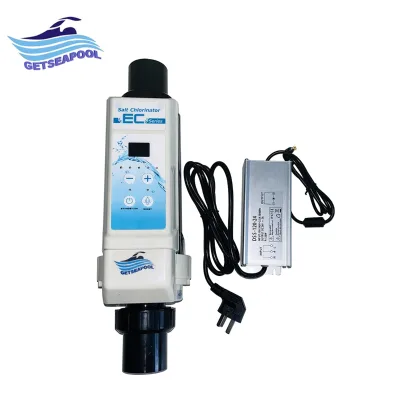
Comprehensive Sourcing Guide
Automatic Salt Water Chlorinator Sourcing Guide
Procurement teams must first distinguish between general sterilization units and specialized salt chlorinators designed for specific pool volumes. The observed market data indicates a clear segmentation where units are rated for capacities ranging from 10 to 127 cubic meters, directly influencing the selection of the appropriate generator model. Buyers should verify that the chlorine production rate, typically observed between 2 and 30 grams per hour, aligns precisely with the target pool size to ensure effective water sanitation without overspending on oversized equipment.
The operational environment further dictates the necessary hardware features, with listings frequently highlighting suitability for gardens, gyms, and bathrooms. Integration capabilities are critical, as modern units often feature smart control panels compatible with mobile applications like Tuya or Smart Life for remote monitoring. Sourcing decisions must prioritize devices that offer power-off memory and intuitive housing designs, ensuring that the equipment remains functional and easy to maintain in diverse outdoor and indoor settings.
Product Scope and Observed Listing Signals
Buyers should analyze the physical construction materials to ensure durability against harsh chemical environments. The supply chain data reveals a prevalence of aluminum alloy controller shells paired with plastic components, offering a balance between structural strength and cost efficiency. It is essential to confirm that the titanium cell, often described as self-cleaning, is housed within a transparent generator housing that allows for visual inspection of the chlorine production effect, a feature that aids in early detection of operational issues.
Commercial listings also vary significantly in their packaging and dimensional specifications, which impacts logistics planning. Observed package sizes range from compact units measuring approximately 33x25x20 cm to larger configurations around 365x260x140 mm, with gross weights typically hovering near 3.00 kg. Procurement teams must account for these physical attributes when calculating shipping costs and storage requirements, ensuring that the selected carton packaging meets the specific needs of the destination market.
Technical Specifications to Verify
Voltage compatibility represents a primary technical hurdle for international buyers, as units are observed operating on both DC 24V and AC 110~240V input ranges. Verification of the operating voltage is mandatory to prevent equipment failure, especially when integrating the chlorinator into existing pool infrastructure that may utilize different power standards. Buyers must explicitly confirm the input voltage requirements against their local power supply to avoid the need for expensive transformers or electrical modifications.
The chlorine output capacity and corresponding pool volume limits are the most critical performance metrics for system sizing. Data indicates specific models capable of producing 4g/Hr up to 30g/Hr, each rated for maximum pool volumes ranging from 18 to 127 cubic meters. Procurement teams must match the calculated chlorine demand of the pool with the specific output of the Ec PRO series or similar models, ensuring the selected unit can maintain sanitation levels without being underpowered or inefficiently oversized.
Compliance and Safety Documentation
Regulatory compliance is a non-negotiable aspect of sourcing, with CE and ISO9001 certifications appearing as standard markers for quality assurance in the observed listings. Buyers must request valid certification documents to verify that the electrical components and manufacturing processes meet international safety and quality management standards. Relying on these certifications helps mitigate the risk of purchasing non-compliant equipment that could fail safety inspections or void insurance policies in the destination country.
While specific safety standards like UL 1081 are noted in background contexts, they should not be assumed without explicit confirmation from the supplier. Procurement teams must treat such standards as verification targets rather than guaranteed attributes, requiring the supplier to provide test reports or third-party validation for any specific safety claim. This due diligence ensures that the product adheres to the rigorous safety protocols required for electrical devices used in wet environments like swimming pools.
Cost Drivers and Commercial Terms
Pricing structures in this category are influenced heavily by the chlorine production capacity and the complexity of the control system. Units with higher output rates, such as those producing 30g/Hr, naturally command higher prices than lower-capacity models, while smart features like app integration add further value. Buyers should evaluate the total cost of ownership, considering that energy-saving features like two-gear operation can reduce long-term electricity expenses despite a potentially higher initial purchase price.
Minimum Order Quantities (MOQ) and customization options significantly affect the commercial terms for bulk procurement. The observed market shows flexible MOQs ranging from single items to ten units, with customization available for specific branding or packaging requirements. Procurement teams should negotiate based on these flexible terms, leveraging the ability to customize packaging or request specific carton requirements to optimize logistics and brand presentation for the end customer.
Supplier Qualification and Quality Control
Geographic concentration of suppliers in regions like Guangdong, China, suggests a mature supply chain with established manufacturing capabilities. However, buyers must verify the specific origin and production history of each unit to ensure consistency in quality control. The presence of standardized packaging and clear model designations, such as ECO, EQ, and ES-A, indicates a structured production process, but on-site audits or third-party inspections remain essential to validate these claims.
Quality control extends to the physical assembly and material integrity of the final product. Buyers should inspect the aluminum alloy shells and plastic components for defects, ensuring that the integrated design allows for easy installation without compromising structural integrity. The requirement for self-cleaning titanium cells necessitates rigorous testing to confirm that the cell does not degrade prematurely, which would lead to increased maintenance costs and reduced system lifespan for the end user.
Long-Term Procurement Checks
Sustainability and energy efficiency are becoming primary drivers for long-term procurement strategies in the water treatment sector. The observed emphasis on energy-saving modes and environmental protection features suggests that future market trends will favor units with optimized power consumption. Buyers should prioritize suppliers who demonstrate a commitment to these efficiency standards, as this aligns with global trends toward reducing the carbon footprint of pool maintenance operations.
Future-proofing the procurement strategy requires selecting products with adaptable control methods and modular designs. The availability of smart control options via mobile applications indicates a shift toward connected ecosystems, where the ability to update firmware or integrate with new smart home platforms will be crucial. Procurement teams should establish relationships with suppliers who can support these technological evolutions, ensuring that the purchased equipment remains relevant and functional for years to come.
FAQs
What chlorine production rates are available for Automatic Salt Water Chlorinator models?
The product line offers chlorine outputs ranging from 4g/H to 30g/H across the Ec PRO series. Specific models include 4g/H, 8g/H, 12g/H, 16g/H, 20g/H, and 30g/H options. These varying capacities allow buyers to select the precise output needed for their specific pool volume requirements efficiently.
Which pool volumes are compatible with the Automatic Salt Water Chlorinator units?
The chlorinator units are designed for pools ranging from 10 to 127 cubic meters. For instance, the 4g/H model suits pools up to 18 cubic meters, while the 30g/H model supports volumes up to 127 cubic meters. This range ensures effective sterilization for small residential pools and larger commercial installations alike.
Can the Automatic Salt Water Chlorinator be controlled via smart devices?
Yes, the device supports smart control methods including Control Panel, Display, Smart Life, or Tuya Smart applications. This feature allows users to monitor and adjust settings remotely. The system also includes power-off memory functionality, ensuring that your preferred settings are retained even after a power interruption occurs.
What certifications do the Automatic Salt Water Chlorinator products hold?
The products hold CE and ISO9001 certifications, ensuring compliance with international quality and safety standards. These certifications verify that the manufacturing processes and final products meet rigorous regulatory requirements. Buyers can rely on these documented standards when sourcing equipment for projects requiring verified quality assurance and safety compliance in global markets.
How is the Automatic Salt Water Chlorinator packaged for shipping?
The units are typically packed in carton packaging for standard orders. Custom packaging options are available to meet specific customer requirements. The standard package size is approximately 33x25x20cm with a gross weight of 3.00kg. This secure packaging protects the device during transit and simplifies handling at the destination.
What is the operating voltage for the Automatic Salt Water Chlorinator controller?
The controller operates on DC 24V, while the input voltage accepts AC 110~240V. This dual voltage capability ensures compatibility with various electrical systems globally. The aluminum alloy controller shell provides a strong and sturdy housing for the electronic components, ensuring reliable performance and durability in different environmental conditions.