Source Automatic Single-Screw Monofilament Making Machine for Textiles
Compare 30 listings for the automatic single-screw monofilament making machine with outputs up to 300 kg/h. Buyers can evaluate specifications like machine dimensions, power consumption, and core components from verified suppliers in China.
Key considerations
Products List


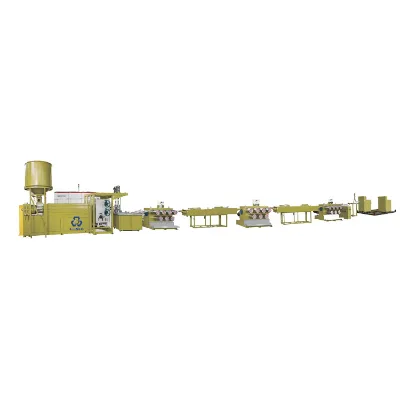
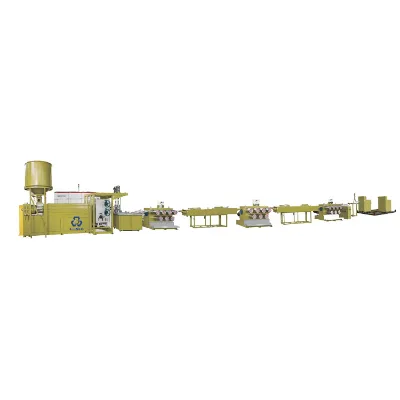

High Capacity Pet PP PE Monofilament Making Machine with Adjustable Filament Diameter
$27000.00 - $52000.00
MOQ: 1 Pieces

Plasticpp Versatile Monofilament Making Machine for Rope and Brush with Customizable Options
$27000.00 - $52000.00
MOQ: 1 Pieces


PP Plastic Durable Monofilament Making Machine for Rope and Brush with Easy Operation
$27000.00 - $52000.00
MOQ: 1 Pieces

$27000.00 - $52000.00
MOQ: 1 Pieces

PP Plastic Highly Compatible Monofilament Making Machine for Rope and Brush with Intuitive Controls
$27000.00 - $52000.00
MOQ: 1 Pieces


PP Plastic Monofilament Multi Layer Extruder Making Machine Production Line
$48000.00 - $98000.00
MOQ: 1 set

High Quality Pet PP PE Plastic Rope Yarn Making Machine Net Monofilament Extruder Machine
$48000.00 - $98000.00
MOQ: 1 set


Fishing Net Polypropylene Monofilament Fiber Making Machine PP String Machine for Rope Making
$51900.00 - $69000.00
MOQ: 1 Pieces


Pet/PP/PE/PA Plastic Rope Cord Twine String Filament Monofilament Making Machinery
$10000.00 - $100000.00
MOQ: 1 Sets


Comprehensive Sourcing Guide
Strategic Sourcing Guide for Automatic Single-Screw Monofilament Making Machines
Understanding Core Technical Specifications and Operational Parameters
When sourcing an automatic single-screw monofilament making machine, buyers must first establish a clear baseline of technical capabilities that align with their production goals. The market offers machines designed for specific output rates, with observed capacities ranging from 150 kg/h to 300 kg/h in current listings. A critical parameter to verify is the screw configuration, as the efficiency of the extrusion process relies heavily on the Screw L/D (Length to Diameter) ratio. Typical configurations in this category feature a ratio of 22:1, which is essential for achieving the necessary melt homogeneity required for high-quality monofilaments. The screw diameter itself is another vital specification; standard units often utilize a 65mm diameter screw, which directly influences the throughput and the pressure generated within the barrel.
The physical footprint of the machinery is a significant logistical consideration. While some units are compact, others in the high-capacity range can be substantial. Observed dimensions for larger horizontal models extend up to 40 meters in length, with widths around 6 meters and heights of 6 meters. However, more compact single-screw extruders may have dimensions closer to 28,000mm by 2,500mm by 1,970mm. Buyers must ensure their facility can accommodate these spatial requirements, particularly if the machine is intended for a horizontal production line. The weight of the equipment also varies significantly, with some units weighing as much as 16 tons, while others in the smaller category may be around 7,000 kg. This variance impacts foundation requirements and shipping logistics, necessitating a precise assessment of the installation site before procurement.
Compliance, Certification, and Safety Standards
In the global B2B machinery market, compliance with international safety and quality standards is non-negotiable. The supplied data indicates that reputable suppliers often provide machines that meet CE, ISO9001, and SGS standards. These certifications are not merely marketing terms but serve as verification that the manufacturing process adheres to specific quality management protocols and safety regulations. For buyers importing from China, specifically from hubs like Qingdao or Shanghai, verifying that the machine carries the CE mark is crucial for entry into European markets, while ISO9001 certification assures a baseline of quality control in the manufacturing facility.
Beyond the machine itself, the core components play a pivotal role in compliance and operational safety. High-end models often integrate branded components such as Siemens contactors and ABB inverters, which are known for their reliability and adherence to international electrical standards. The temperature control systems, often managed by Omron controllers, ensure precise thermal regulation, which is vital for processing materials like PET and PP. Buyers should request a machinery test report, which is frequently provided by suppliers, to validate that the machine has undergone rigorous performance testing before shipment. This document serves as empirical evidence of the machine's capability to meet the specified output and dimensional tolerances, providing a layer of protection against purchasing non-compliant or underperforming equipment.
Cost Drivers and Financial Considerations
The financial landscape of sourcing an automatic single-screw monofilament machine is influenced by several distinct factors. The observed price range for these units is substantial, spanning from $10,000 to $300,000. This wide variance is driven by the machine's output capacity, the quality of core components, and the level of automation integrated into the system. A machine capable of 300 kg/h output with a 160kW power rating and advanced automation features will naturally command a higher price point than a basic 150 kg/h unit. The power consumption, indicated by a 160kW rating for certain models, is a direct cost driver that affects both the initial purchase price and the long-term operational expenses.
Additional cost factors include the material composition of the screw, which is often made from specialized alloys like 38CrMoALA to ensure durability and resistance to wear during the extrusion of abrasive materials. The packaging requirements for sea shipment also add to the overall cost, as machines must be secured to withstand long-distance transit. Buyers should also consider the "Selling Units" structure; many suppliers offer these as single items, which simplifies the transaction but may require a higher upfront capital outlay compared to bundled packages. It is essential to analyze the total cost of ownership, including the warranty period, which is typically one year, and the availability of after-sales service, as these factors can significantly impact the long-term financial viability of the investment.
Typical Applications and Material Compatibility
The versatility of the automatic single-screw monofilament machine makes it suitable for a diverse range of applications, primarily driven by the type of plastic processed. The core applications include the production of monofilaments used in ropes, brushes, and various industrial textiles. The machines are specifically engineered to handle materials such as PET (Polyethylene Terephthalate) and PP (Polypropylene), which are the standard feedstocks for this type of extrusion. The ability to process these materials efficiently allows manufacturers to produce filaments with diameters ranging from 0.10mm to 0.50mm, catering to different end-use requirements.
The production of rope is a significant application area, where the consistency and tensile strength of the monofilament are critical. The machine's design, often categorized as a "Hot Sale Monofilament Machine," suggests a high demand for these units in the rope manufacturing sector. The horizontal mode of operation is particularly advantageous for long production lines, allowing for continuous processing and easier integration with downstream equipment such as cooling tanks and winding machines. Buyers should verify that the specific machine model they are considering is optimized for their target material; for instance, a machine configured for PET may require different temperature profiles and screw designs compared to one optimized for PP. Understanding these material-specific nuances is essential for ensuring the final product meets the required quality standards.
Supplier Evaluation and After-Sales Support
Selecting the right supplier is as critical as selecting the right machine. The data highlights that suppliers often provide engineers available to service machinery overseas, a feature that is invaluable for international buyers. This service capability ensures that technical issues can be resolved promptly, minimizing downtime and protecting production schedules. The "After-sales Service Provided" attribute indicates that the supplier is committed to the long-term performance of the equipment, offering field maintenance and repair services even after the warranty period expires.
When evaluating suppliers, buyers should look for evidence of a robust support network. The presence of a "Hot Sale" designation for specific models often correlates with a higher volume of sales and, consequently, more extensive support infrastructure. It is also important to verify the "After Warranty Service" terms, as the standard one-year warranty may not cover all potential long-term maintenance needs. Suppliers that offer comprehensive training and readily available spare parts are preferable. The location of the supplier, such as Qingdao or Shanghai, can also influence logistics and communication efficiency. Buyers should assess the supplier's responsiveness and their ability to provide detailed technical documentation, including the machinery test report and certification documents, to ensure transparency and reliability in the partnership.
Quality Control and Long-Term Procurement Considerations
Ensuring the quality of the monofilament making machine requires a multi-faceted approach to quality control. The use of high-grade core components like motors, PLCs, pressure vessels, and screws is a primary indicator of build quality. The screw material, specifically 38CrMoALA, is a critical factor in maintaining the integrity of the extrusion process over time. Buyers should insist on seeing the machinery test report to confirm that the machine has been tested for output consistency, dimensional accuracy, and energy efficiency. The "Computerized" nature of these machines implies a reliance on sophisticated control systems, which must be rigorously tested to prevent operational failures.
Long-term procurement considerations extend beyond the initial purchase to include the scalability and adaptability of the machine. The "Customization" attribute suggests that buyers can tailor the machine to their specific production needs, which is a significant advantage for growing businesses. However, this customization must be carefully managed to ensure that it does not compromise the machine's structural integrity or safety standards. The "Automatic Grade" of the machine reduces the reliance on manual labor, with typical requirements being around two persons per shift, which can lead to significant labor cost savings over time. Buyers should also consider the "Single gross weight" and "Single package size" for future logistics planning, ensuring that the machine can be easily transported and installed if production needs expand or relocate. By focusing on these long-term factors, buyers can secure a reliable asset that supports sustained production growth.
FAQs
What is the output capacity of these machines?
Output capacity ranges from 150 kg/h to 300 kg/h depending on the specific model configuration. Some units are rated at 150 kg/h while others reach up to 300 kg/h, allowing buyers to select based on their production volume needs.
Which certifications do these machines typically hold?
Machines typically hold CE, ISO9001, and SGS certifications to ensure safety and quality compliance. These standards verify that the manufacturing process meets international protocols, which is essential for importing machinery into regulated markets like Europe.
How much does the machine weigh?
Machine weight varies significantly, with some units weighing up to 16 tons while others are around 7000 kg. This variance impacts foundation requirements and shipping logistics, so buyers must assess their installation site before procurement.
Can the machine be customized for specific needs?
Yes, customization is available to tailor the machine to specific production requirements. Buyers can request adjustments to fit their unique operational goals, provided the structural integrity and safety standards remain uncompromised during the modification process.
What is the warranty period for this equipment?
The standard warranty period is one year from the date of purchase. After the warranty expires, suppliers often provide field maintenance and repair services to ensure continued operational performance and minimize downtime for the buyer.
Which materials can the machine process?
The machine is designed to process materials such as PET and PP effectively. These plastics are standard feedstocks for producing monofilaments with diameters ranging from 0.10mm to 0.50mm, suitable for applications like rope and brush manufacturing.