Source Anti-Fog Plastic Mask for Security, Medical, and Outdoor Use
Compare 30 Anti-Fog Plastic Mask options from verified Chinese suppliers. Buyers can evaluate specifications like material, size, and customization for security, medical, and outdoor applications with MOQs ranging from 200 to 10,000 pieces; compare the available evidence and request quotations based on your requirements.
Key considerations
Products List
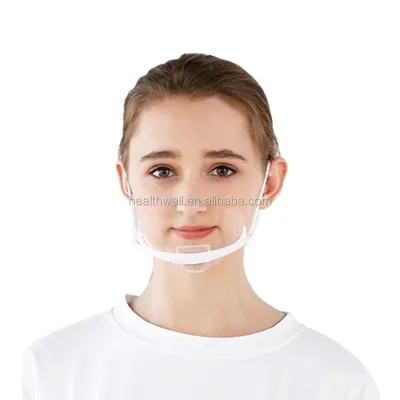


Face Shield Windproof Anti Fog Breathable Comfortable Antifog Face Mask
$5.50 - $10.00
MOQ: 300 Pieces


Faceshield Transparent Anti Fog Safety Protective Clear Plastic Face Shield
$0.10 - $0.12
MOQ: 3000 Pieces
Comprehensive Sourcing Guide
Anti-Fog Plastic Mask Sourcing Guide
Procurement of anti-fog plastic masks requires careful evaluation of material composition and functional design to ensure clarity during extended wear. The observed market data indicates a diverse range of products, including reusable and disposable variants, with specific applications ranging from security to radiation protection. Buyers must distinguish between general personal protection masks and specialized medical consumables, as the intended use dictates the necessary material properties and structural integrity.
Verification of the anti-fog coating is critical, as the supplied facts list various mask types without explicitly confirming the presence of this specific treatment on all units. Sourcing strategies should prioritize suppliers who can demonstrate the durability of the anti-fog layer against humidity and temperature fluctuations. It is essential to request sample testing to confirm that the plastic surface maintains visibility without rapid degradation, ensuring the product meets the operational demands of the intended environment.
Product Scope and Observed Listing Signals
The current market listings reveal a wide spectrum of product attributes, including flat and full shapes with varying dimensions such as 14060cm or 2925cm. Some entries specify a material of non-woven fabric, while others indicate a plastic composition suitable for face shields. This inconsistency highlights the need for buyers to clearly define whether they require a rigid plastic shield or a fabric-based mask, as the supply chain for these distinct categories often differs significantly in terms of manufacturing capabilities and inventory availability.
Listing signals also show significant variation in packaging and unit quantities, with some batches offering 10 pieces per box and others specifying 400 pieces per carton. The observed minimum order quantities range from 200 to 100,000 units, suggesting that suppliers cater to both small-scale pilots and large industrial contracts. Buyers should align their order volume with the supplier's selling units, which are often multiples of 200, to avoid unnecessary fragmentation of orders and to secure more favorable commercial terms.
Technical Specifications to Verify
Dimensional accuracy is a primary technical requirement, with observed specifications ranging from 330220mm to 6060*60cm carton sizes. Buyers must verify that the physical dimensions of the mask or shield match the ergonomic needs of the end-user, particularly for applications involving radiation protection or security. The thickness of the material, noted in some listings as 0.25mm, should be validated to ensure it provides adequate impact resistance without compromising the wearer's field of vision or comfort.
Material composition and sterilization methods are equally critical for medical and safety applications. While some products are described as disposable with ethylene oxide sterilization, others are labeled as reusable. Procurement teams must confirm the specific material grade, such as non-woven fabric or specific plastic polymers, and verify that the sterilization process, if claimed, is appropriate for the intended medical or industrial use. Failure to align these technical specs with the application can lead to product failure or regulatory non-compliance.
Compliance and Safety Documentation
Safety documentation must be rigorously reviewed to ensure the product meets the specific regulatory requirements of the target market. Although some listings mention a quality guarantee period of two years, this does not automatically imply compliance with international safety standards. Buyers should request detailed test reports that validate the mask's ability to provide the claimed protection, whether for dust, radiation, or general security, and ensure that the product does not introduce new hazards through material off-gassing or structural failure.
The presence of an exhalation valve is a key safety feature that varies across the observed product range, with some units explicitly noted as having no valve. For applications requiring respiratory protection, the absence of a valve may be a critical compliance factor depending on local health regulations. Procurement teams must verify if the product design aligns with the specific safety protocols of the workplace, ensuring that the mask type, whether shade-type or safe-type, offers the necessary barrier against the identified environmental risks.
Cost Drivers and Commercial Terms
Pricing in this sector is influenced by material costs, customization requirements, and order volume, with observed price ranges spanning from $0.03 to $26 per unit. The decision to accept a customized logo or design can significantly impact the final cost, as OEM services often involve additional setup fees and longer lead times. Buyers should analyze the total cost of ownership, including the cost of customization, to determine if the branding investment aligns with the projected sales volume and brand strategy.
Payment terms and delivery schedules are also major cost drivers, with suppliers offering options like PayPal, Western Union, and T.T. The observed delivery date of two weeks suggests a relatively quick turnaround, but this may vary based on the complexity of the order and the specific production location in Hubei, China. Buyers must negotiate clear terms regarding payment milestones and potential penalties for delays to mitigate financial risk, ensuring that the commercial agreement reflects the actual production capacity and logistical capabilities of the supplier.
Supplier Qualification and Quality Control
Supplier qualification should focus on verifying the consistency of production output and the ability to maintain quality across large batches. The observed gross weight per batch of 8.000 kg and carton weights of 16.8kg provide a baseline for logistics planning, but buyers must ensure that the supplier can consistently meet these specifications without variance. Quality control processes should be audited to confirm that the packaging details, such as 10 pieces per box, are strictly adhered to, preventing damage during transit and ensuring accurate inventory counts upon receipt.
The ability to handle customized orders is a key differentiator among suppliers, with many accepting OEM designs and logos. However, the acceptance of customization does not guarantee uniform quality across all units. Buyers should implement a robust incoming quality inspection protocol that checks for defects in the anti-fog coating, structural integrity, and dimensional accuracy. Establishing a clear communication channel for quality issues is essential to address any deviations from the agreed specifications before the bulk shipment is finalized.
Long-Term Procurement Checks
Sustaining a successful procurement relationship requires regular monitoring of supplier performance and product consistency over time. Buyers should establish a schedule for periodic re-verification of product specifications, ensuring that the material composition and anti-fog properties remain stable as production scales up. This proactive approach helps identify any drift in quality or changes in the supply chain that could affect the final product's performance and safety.
Long-term checks also involve reviewing the supplier's ability to adapt to changing market demands and regulatory updates. As the landscape for personal protection equipment evolves, suppliers must demonstrate their capacity to update their product lines to meet new standards. Buyers should maintain a flexible contract structure that allows for adjustments in order volume and specifications, ensuring that the procurement strategy remains resilient against market fluctuations and supply chain disruptions.
FAQs
What is the standard size of the Anti-Fog Plastic Mask
The standard size for this Anti-Fog Plastic Mask is 140 by 60 centimeters. This dimension is designed to provide adequate facial coverage for adult users. The flat shape ensures a secure fit over the face while maintaining visibility. Buyers should verify this size against their specific protection requirements before ordering.
What is the minimum order quantity for this product
The minimum order quantity is 200 pieces. This low threshold allows smaller businesses to test the product before committing to larger volumes. Orders must be placed in multiples of 200 to align with the packaging structure. This flexibility supports initial procurement needs without excessive inventory risk.
Can suppliers customize the logo on the Anti-Fog Plastic Mask
Yes, suppliers accept customized logos for this product. Buyers can request specific branding to be applied to the mask. This customization option is available for orders meeting the minimum quantity requirements. It helps companies maintain brand consistency in their protective equipment supply chain.
What is the lead time for shipping the Anti-Fog Plastic Mask
The delivery date is typically two weeks from order confirmation. This timeframe includes production and preparation for shipment. Buyers should factor this into their supply chain planning to ensure timely arrival. Delays may occur if customization requests are complex or if logistics are affected.
What material is used for the Anti-Fog Plastic Mask
The mask is made from non-woven fabric. This material provides a balance of durability and comfort for extended wear. It is suitable for personal protection applications. The specific composition may vary slightly based on supplier specifications, so buyers should confirm material details.
What is the packaging configuration for the Anti-Fog Plastic Mask
The product is packaged with 10 pieces per box and 200 pieces per carton. Each carton measures 58 by 35 by 35 centimeters. This packaging structure facilitates efficient storage and transportation. The gross weight per batch is 8 kilograms, which helps in calculating shipping costs.
Is the Anti-Fog Plastic Mask reusable or disposable
The product is classified as a reusable type. This means it can be cleaned and used multiple times, reducing long-term costs. However, buyers should follow proper cleaning protocols to maintain hygiene and functionality. Reusability makes it a cost-effective option for ongoing protection needs.